Hit enter to search or ESC to close
2 December 2025
Out of a mix of curiosity and genuine interest, I recently dove into understanding personal hyperbaric oxygen chambers—those specialized devices that deliver oxygen at increased pressure to help with healing and rejuvenation. Why? Because as healthcare and wellness technologies advance globally, these chambers are becoming a quietly revolutionary tool, featured both in high-end clinics and frontline humanitarian aid.
In short, grasping what a personal hyperbaric oxygen chamber is and why it’s gaining traction worldwide reveals insights into improving recovery times, addressing chronic conditions, and even supporting emergency responders. So, whether you're a healthcare professional, a wellness enthusiast, or just someone who loves to keep up with innovations, there’s a lot to unpack.
Oxygen therapy has long been part of medical care, but the personal hyperbaric oxygen chamber marks a pivotal shift—compact, efficient, and more accessible. According to the World Health Organization, chronic wounds and hypoxia-related conditions affect millions globally. Meanwhile, rising interest in wellness clinics, combined with increases in chronic illnesses and even post-COVID-19 care, are driving demand for practical, localized solutions.
Globally, the healthcare sector is seeking out technologies that can be deployed both in urban and remote settings—oddly enough, this overlaps with humanitarian needs, such as providing acute care in disaster zones or to populations with limited hospital access. Through hyperbaric oxygen chambers, you see a bridging of medical science and practical outreach.
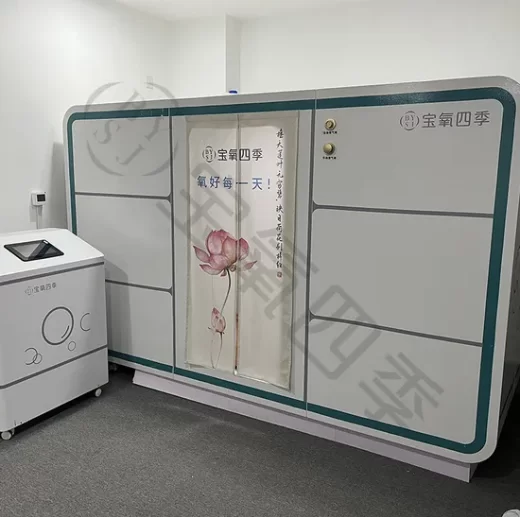
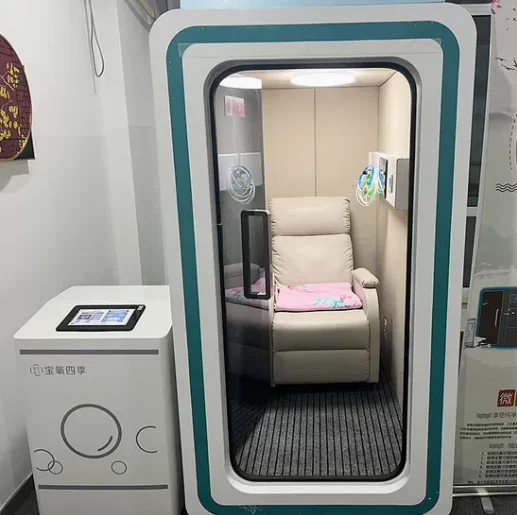
Simply put, a personal hyperbaric oxygen chamber is a small-sized, often portable device designed to expose a user to 100% oxygen at pressures higher than atmospheric pressure. This enhances oxygen delivery to tissues more effectively than normal breathing, which can accelerate healing, reduce inflammation, and fight infections.
Unlike large clinical setups, these personal chambers are tailored for individual use, making them appropriate both for home therapy and field applications. They blend modern tech with health science—interesting how far compact, pressurized devices have come, right?
Different models vary, but commonly the pressure ranges between 1.3 and 1.5 ATA (atmospheres absolute). This factor determines the extent of therapeutic oxygen saturation achievable.
Portability is a big game-changer, particularly for emergency responders or remote clinics. Unlike bulky hospital chambers, many personal versions fold or roll up for transport.
High-strength materials like reinforced TPU or polyurethane ensure airtight conditions and patient safety over repeated use—important in harsh or unpredictable environments.
Compared to full-scale hyperbaric chambers, personal units offer a more affordable entry point with less infrastructure, cutting both upfront and operational costs.
Modern chambers come equipped with oxygen concentration monitors, electronic pressure sensors, and emergency shut-off valves—things that really build trust in the device.
| Spec | Typical Range |
|---|---|
| Operating Pressure | 1.3 - 1.5 ATA |
| Oxygen Concentration | 95% - 100% |
| Weight | 10 - 20 kg |
| Dimensions | Approx. 2m x 0.7m x 0.6m |
| Usage Duration | 30 - 90 minutes/session |
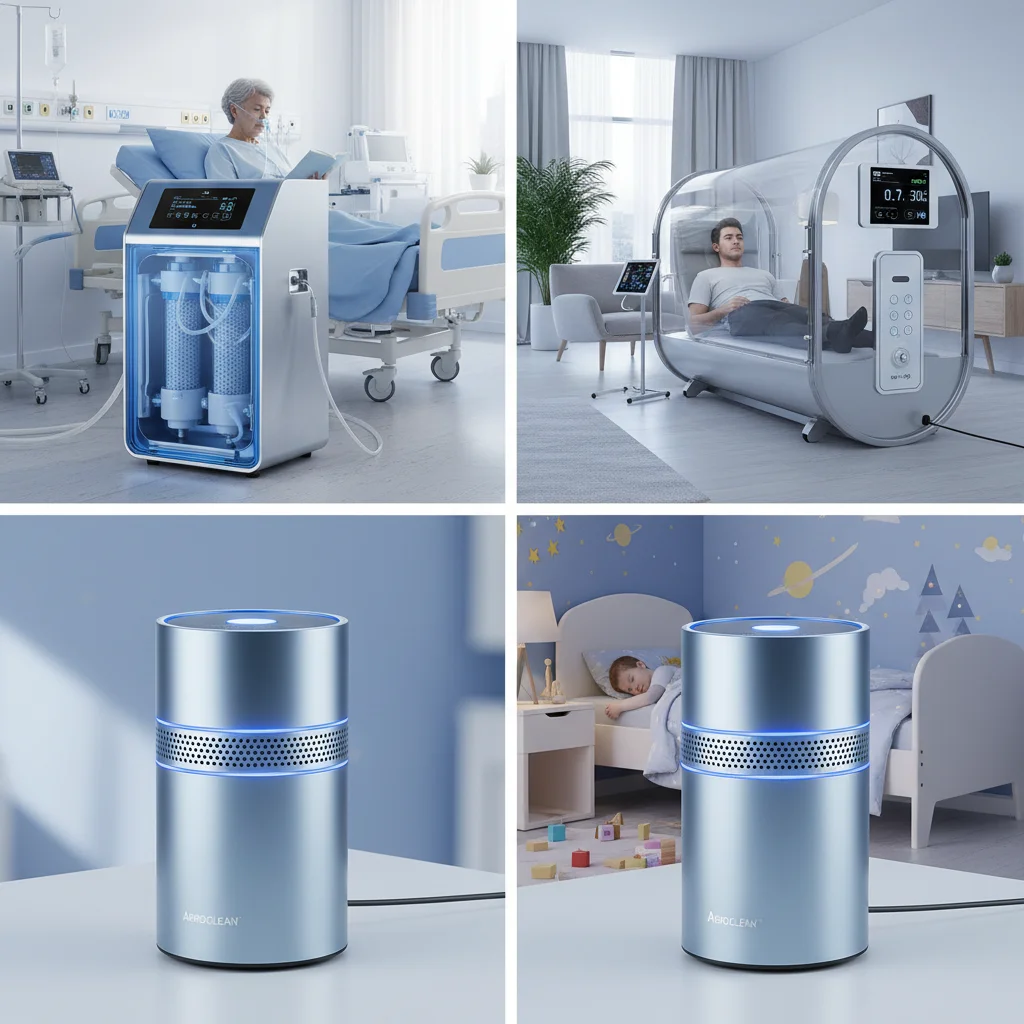
Where are these chambers making a difference? Pretty much everywhere you’d least expect. In urban wellness centers, they’re the secret sauce behind boosting recovery from athletic injuries or post-surgery care. In remote industrial zones—think mining or oil rigs—they're vital in treating decompression sickness or even burns from accidents.
And then, there’s their role in humanitarian aid. Post-disaster relief operations in Southeast Asia or Eastern Europe have used personal hyperbaric oxygen chambers to assist victims with wounds or respiratory conditions, when hospital access was limited or overwhelmed. This small technology helps save lives, literally bridging gaps where traditional infrastructure falters.
| Feature | OxyHeal Pro | HyperO2 Compact | MediPure One |
|---|---|---|---|
| Max Pressure (ATA) | 1.5 | 1.4 | 1.3 |
| Weight | 12 kg | 15 kg | 10 kg |
| Portability | Foldable, carry bag | Rolling frame | Inflatable, lightweight |
| Safety Features | Pressure sensors, emergency valve | Oxygen monitors, automatic shutoff | Basic manual controls |
| Price Range | $7,500 - $9,000 | $6,800 - $8,200 | $5,000 - $6,000 |
There’s something reassuring about a personal hyperbaric oxygen chamber that you can have just inches away at home, or packed along in your emergency gear. They’re cost-effective, sure, but they offer much more: consistent access to a treatment that accelerates healing, enhances quality of life, and might even reduce hospital visits.
Emotionally, it feels like a safety net. When used properly, it can help patients feel proactive about their health, restoring dignity during recovery. Socially, we’re talking about greater health equity since remote or under-resourced areas can finally access advanced therapy.
The field keeps evolving. Many designs are becoming greener, utilizing sustainable materials and reducing electrical consumption. Some innovators are integrating IoT tech for remote monitoring, where doctors can adjust prescriptions digitally. Automation and AI-driven usage sessions can help optimize healing protocols.
Oddly enough, personalization trends are booming—tailoring pressure and oxygen levels for individual genomic or metabolic profiles. In real terms, this could push personal hyperbaric oxygen chambers far beyond a simple pressurized box into a precision medicine device.
Despite their promise, personal chambers aren’t without quirks. Some users report discomfort during pressurization or claustrophobia. Durability in harsh weather or disaster contexts can also be an issue. Plus, regulatory frameworks to ensure safe home use are still catching up in many countries.
Experts suggest user education and design improvements to reduce psychological barriers. Advances in lightweight, anti-microbial materials help address durability and hygiene. For regulation, closely following ISO standards on medical devices offers a solid roadmap.
In the big picture, the personal hyperbaric oxygen chamber is more than a niche technology. It’s a quietly transformative piece of medical equipment slowly reshaping healthcare accessibility and individual wellness routines worldwide. Frankly, between the portability, cost advantages, and patient impact, it’s worth considering for many settings—from home recovery to disaster aid.
Interested in exploring options or learning more? Visit our website for detailed product information and expert advice.
Mini takeaway: Personal hyperbaric oxygen chambers blend portability, science, and accessibility—making powerful healing technology closer to home than ever before.