Hit enter to search or ESC to close
2 December 2025
Medical hyperbaric chambers play a quietly powerful role in healthcare worldwide. They might not make daily headlines, but their impact on critical treatments, from wound healing to carbon monoxide poisoning recovery, is profound. As hyperbaric oxygen therapy gains traction—especially with aging populations and chronic illnesses—the understanding of these chambers becomes ever more important.
It’s quite something to realize that over 1 million treatments globally utilize medical hyperbaric chambers every year. According to the Undersea and Hyperbaric Medical Society, the global demand is growing due to increased awareness and expanding therapeutic indications. Around 80% of hyperbaric chambers are used in developed healthcare systems, but the potential in emerging markets is huge, signaling future shifts.
This technology addresses a challenge that’s surprisingly complex: delivering high-purity oxygen at pressures greater than atmospheric level to boost healing and fight infections. In an era demanding advanced, efficient, and accessible healthcare technologies, hyperbaric chambers strike an interesting balance.
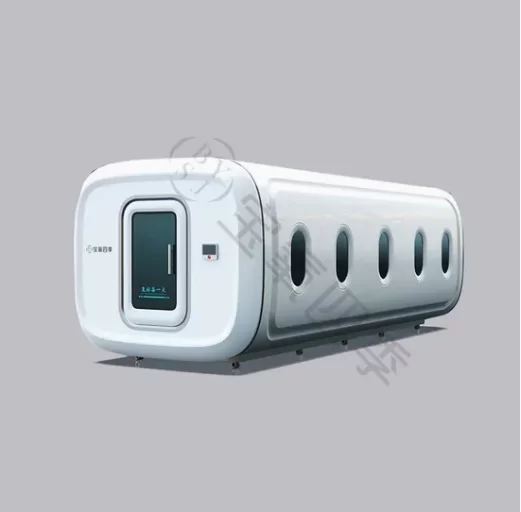
In simple terms, a medical hyperbaric chamber is an enclosed space where patients breathe pure oxygen at pressures higher than sea level. This isn’t just a breathing aid — the pressurized environment drastically increases oxygen concentration in blood plasma, accelerating recovery for conditions where tissues suffer from oxygen shortage.
Hyperbaric chambers bridge modern clinical care with physiological healing responses. From diving medicine to diabetic wound treatment, the chambers serve as an essential tool used in hospitals, specialty clinics, and sometimes in mobile or remote medical setups.
The materials used—typically stainless steel or acrylic—must withstand high pressures safely and reliably. Engineering robust chambers is no trivial feat; safety standards such as ISO 13485 guide manufacturers to ensure mechanical integrity during therapy. Many facilities invest heavily in maintenance protocols, because any failure carries serious risk.
Precise control over pressure levels, sometimes up to 3 atmospheres absolute (ATA), is critical. Automated systems monitor pressure, oxygen levels, and patient vitals concurrently, ensuring the treatment stays within prescribed parameters. Advances in digital controls mean smoother patient experiences and better outcomes.
Chambers come as monoplace (single patient) or multiplace (multiple patients). The design impacts clinical throughput and comfort; for example, multiplace chambers often accommodate medical staff but require greater footprint and infrastructure.
While initial costs are significant — expect anywhere from $100k to several hundred thousand dollars — modern models prioritize energy-efficient compressors and streamlined maintenance to reduce operational expenses. Given their clinical value, many hospitals find these chambers a worthwhile investment.
| Specification | Details |
|---|---|
| Pressure Range | 1.3 to 3.0 ATA |
| Material | Acrylic Cylinder with Steel Frame |
| Capacity | Single patient (Monoplace) |
| Oxygen Delivery | 100% Oxygen via pure oxygen system |
| Dimensions (L x W x H) | Approx. 250 cm x 100 cm x 120 cm |
| Weight | ~400 kg |
Medical hyperbaric chambers form a backbone in various healthcare and humanitarian contexts:
For example, hospitals in remote Australian outbacks have deployed mobile monoplace chambers to bridge healthcare delivery gaps where infrastructure is otherwise limited.
| Vendor | Monoplace Models | Price Range | Compliance Certifications |
|---|---|---|---|
| Sechrist | Yes | $120,000 – $180,000 | FDA, CE |
| OxyHealth | Yes | $80,000 – $140,000 | FDA, ISO 13485 |
| Haux | Yes | $150,000 – $200,000 | CE, ISO 13485 |
The benefits of medical hyperbaric chambers are striking and multi-faceted:
In a way, these chambers offer not just physical healing, but hope — a technological bridge to better outcomes that really counts.
Looking ahead, several exciting developments shape the field:
It’s not all smooth sailing. Some hurdles persist:
Innovative financing options, telemedicine-enabled staffing, and modular chamber models are helping to chip away at these issues. Manufacturers and healthcare providers are collaborating closely to push boundaries.
A1. When operated according to FDA and ISO guidelines, hyperbaric oxygen therapy is generally very safe. Risks such as ear barotrauma or oxygen toxicity are rare and minimized with proper training and patient monitoring.
A2. Yes, portable and mobile monoplace chambers allow therapy at outpatient clinics or even certain home settings, provided medical supervision is secured.
A3. Beyond decompression sickness, treatments include diabetic foot ulcers, carbon monoxide poisoning, radiation injuries, and certain infections.
A4. Sessions often last 60 to 90 minutes, depending on the condition being treated and the pressure applied.
A5. Coverage varies by country and insurance provider, but many therapies with well-documented indications are reimbursed in developed healthcare systems.
All in all, medical hyperbaric chambers represent a fascinating convergence of technology, human physiology, and compassionate care. They support vital healing processes, reduce treatment times, and bring hope to patients facing difficult medical challenges.
For those interested, exploring medical hyperbaric chamber options could be the first step toward enhanced care delivery that lasts.
Oddly enough, medical hyperbaric chambers aren’t yet as widely known outside specialist circles — but hopefully that’s changing, given everything they offer.