Hit enter to search or ESC to close
28 November 2025
Medical oxygen supply systems may not be the flashiest topic at a dinner party, but their role in global health can't be overstated. Especially after seeing how critical oxygen becomes during respiratory emergencies, COVID-19 has pushed awareness to a new level. Globally, millions rely on these systems daily — from bustling urban hospitals to remote clinics in developing countries. They’re life-sustaining equipment delivering breathable oxygen precisely where it’s needed.
Understanding how these systems work and why they’re so vital is more than academic curiosity. It's about recognizing the backbone of critical care and humanitarian response efforts worldwide. Simply put, when oxygen is scarce or supply systems fail, outcomes can turn tragic fast.
Did you know the World Health Organization (WHO) estimates that over 2.7 million deaths annually could be prevented with improved oxygen access? It’s staggering. And it's not just high-tech hospitals—oxygen supply is the difference between life and death in many under-resourced regions.
The WHO and the United Nations have ramped up efforts to expand access to oxygen, especially in parts of Africa, Asia, and Latin America. The challenge? Infrastructure gaps, funding shortages, and delivery logistics that simply don’t keep pace with demand.
This makes the medical oxygen supply system a global priority in public health and disaster preparedness. It’s an intricate dance involving technology, policy, and frontline medical workers.
So what exactly is a “medical oxygen supply system”? In its simplest form, it’s the whole setup that produces, stores, and delivers medical-grade oxygen to patients. That means everything from the oxygen concentrators and tanks, to the piping and control equipment inside hospitals and health centers.
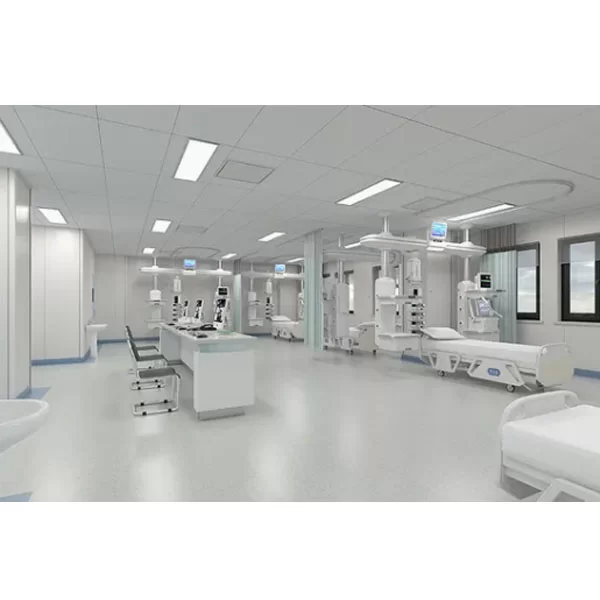
In modern healthcare, these systems ensure oxygen purity and steady flow under controlled pressure—critical factors for patient safety. Beyond hospitals, they’re found in ambulances, clinics, and even portable units for home care. In humanitarian terms, they become lifesavers in emergencies like pandemics, natural disasters, or remote area surgeries. They’re, quite literally, behind the scenes of every breath saved.
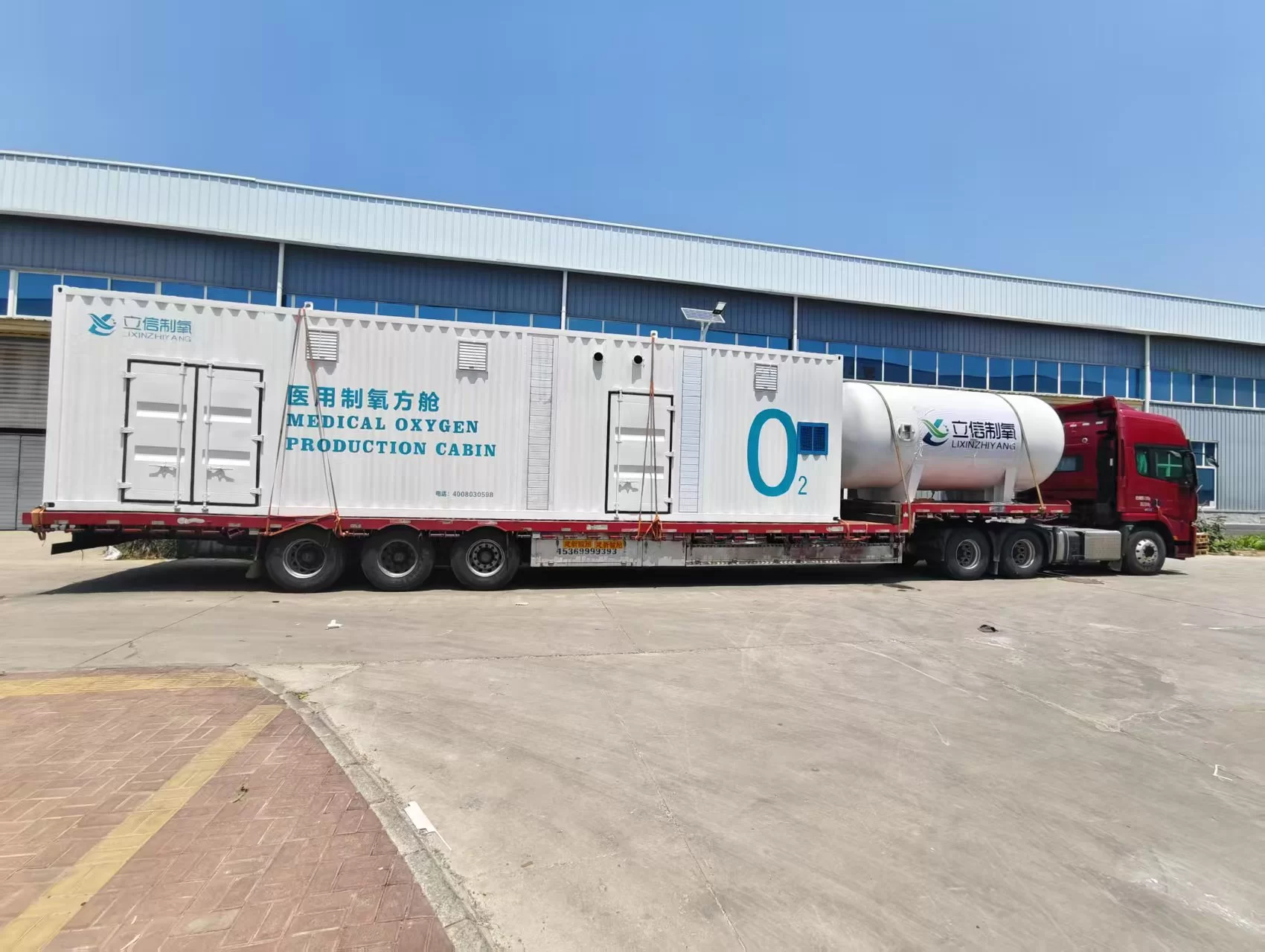
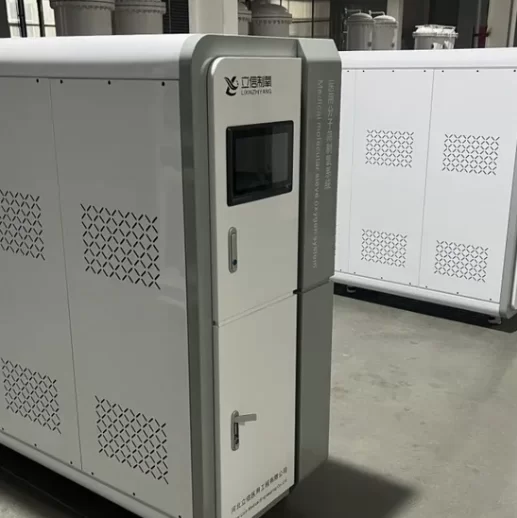
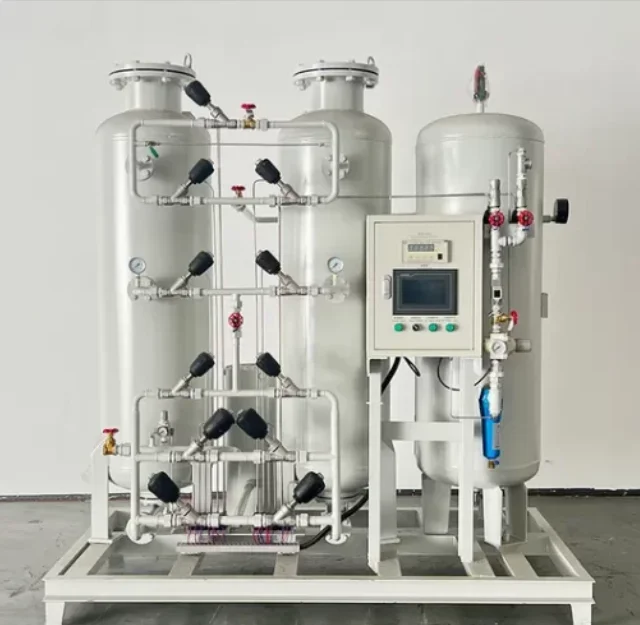
The backbone component: generating oxygen either through pressure swing adsorption (PSA) plants, concentrating ambient air, or through liquid oxygen production. PSA systems are popular for on-site oxygen, offering scalability and moderate costs.
Once generated or delivered, oxygen is stored either as compressed gas in cylinders or as cryogenic liquid. Then, it flows through a network of pipes or is loaded into portable tanks for mobility. Proper design ensures steady pressure and contamination-free delivery.
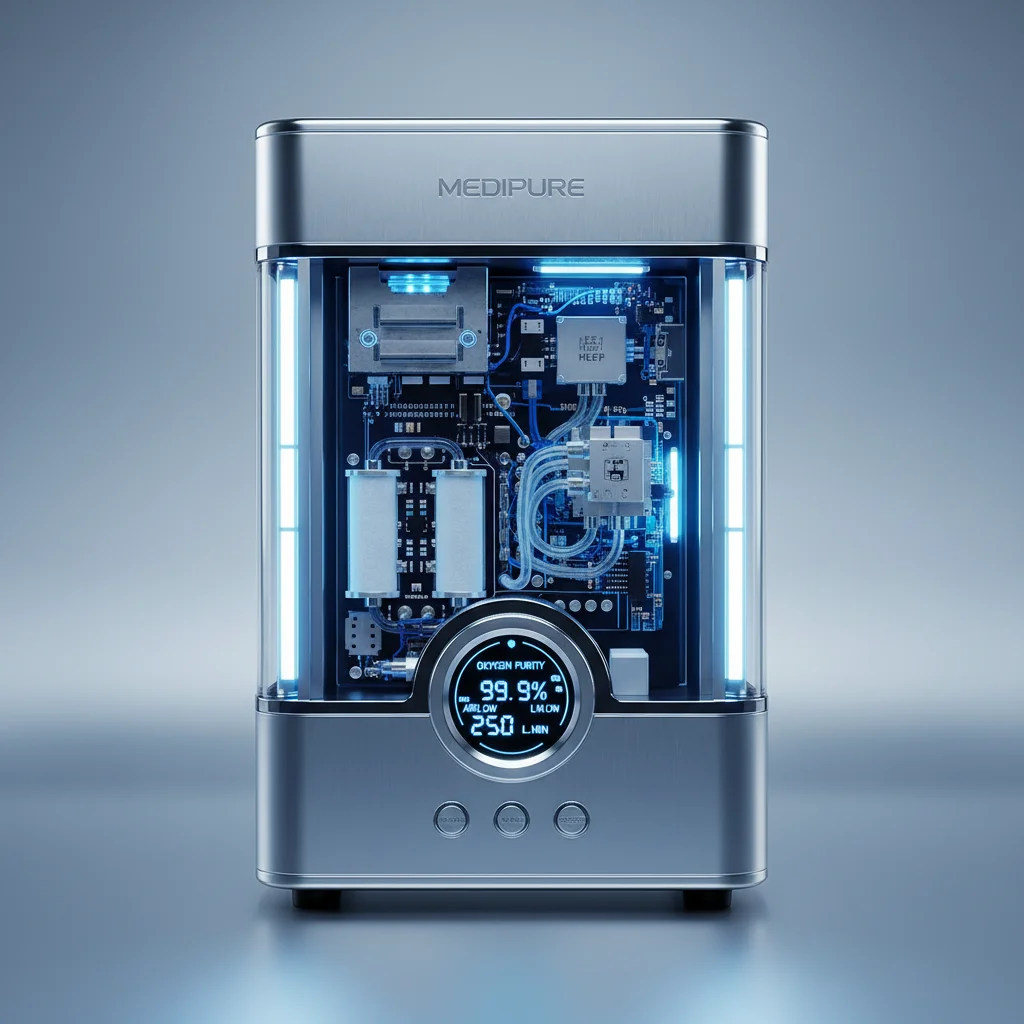
Safety is a big deal here — systems include alarms, flow meters, pressure gauges, and automatic shut-offs. These prevent leaks and guarantee precise oxygen delivery rates tailored to patient needs.
Robust engineering extends the lifespan of supply systems. Medical facilities need easy-to-service equipment, especially in regions where technical support is scarce. Durability directly impacts reliability and trust.
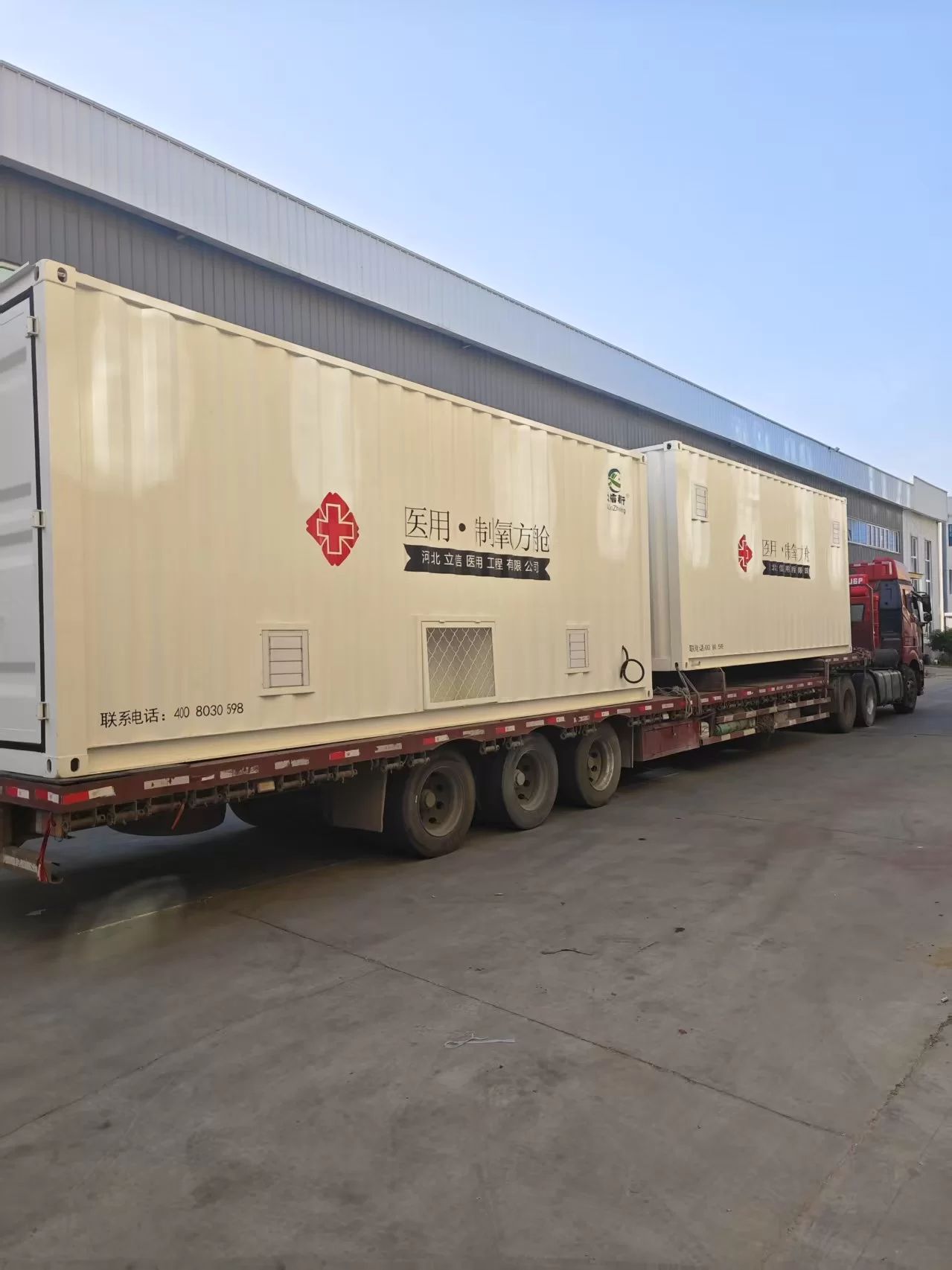
From city hospitals in Europe to makeshift post-disaster field clinics in Southeast Asia, oxygen supply systems take many forms. For instance, after the devastating 2015 Nepal earthquake, emergency responders scrambled to supply oxygen tanks to damaged hospitals—highlighting that supply chains matter just as much as the equipment.
Industrially, mining camps and offshore platforms rely on mobile oxygen systems to address respiratory hazards or emergencies. Conservation efforts for wildlife sedation or veterinary care also use smaller scale systems. Even space travel? Oxygen supply is mission-critical.
| Specification | Details |
|---|---|
| Oxygen Purity | ≥ 93% (for PSA systems) |
| Flow Rate | 1 to 100+ liters/min (scalable) |
| Pressure Levels | Up to 3000 psi (cylinders) |
| Storage Options | Compressed gas, cryogenic liquid, concentrators |
| Safety Features | Alarms, flow regulators, purification filters |
Why invest so much attention and resource into these supply systems? For starters, the reliability means lives on the line are saved consistently. But it’s more than that—cost efficiency in oxygen delivery cuts down waste and budgets, making quality care more affordable globally.
Socially, accessible medical oxygen supports dignity—no patient should suffer simply because oxygen can’t reach them fast enough. Environmentally, newer systems using green energy or on-site generation reduce transportation emissions tied to gas cylinders. And technologically, innovation continues to improve user interfaces and remote monitoring, building trust in healthcare infrastructure.
Here’s where it gets exciting. Many manufacturers are now integrating these systems with digital sensors and IoT monitoring, meaning oxygen delivery can be tracked and optimized in real-time. Use of renewable energy sources like solar-powered oxygen concentrators is increasing, especially in remote areas.
Materials science also steps in—lighter, corrosion-resistant piping and fittings reduce maintenance. Some companies are pushing modular, rapidly deployable solutions that can be airlifted post-disaster. Frankly, the future looks more connected and sustainable, which healthcare desperately needs.
Spots where things get tricky? Supply chain disruption, technical skill shortages, and inadequate maintenance culture tend to top the list. Also, initial costs can deter smaller health providers.
Solutions? Training local technicians is a big step. Public/private partnerships help fund infrastructure upgrades. On the tech side, plug-and-play designs simplify installation. And remote diagnostics allow engineers to troubleshoot without hopping planes. It does feel like a juggling act, but progress is definitely ongoing.
| Vendor | Product Range | Price Range | Best For |
|---|---|---|---|
| OxyHealth Inc. | Portable concentrators, PSA plants | $$$ | Emergency response, mobile clinics |
| MedGas Solutions | Cryogenic storage tanks, pipelines | $$$$ | Large hospitals, permanent installations |
| AirMed Technologies | Hybrid systems, IoT-enabled monitoring | $$$$ | Smart hospitals, sustainability focused |
The medical oxygen supply system is one of those behind-the-scenes heroes in healthcare and emergency relief. Without reliable oxygen delivery, modern medicine loses one of its most essential components. Whether it’s a rural clinic struggling through power outages or a high-tech urban ICU, the value of these systems resonates deeply.
Innovation continues to make these systems smarter, greener, and more accessible. That’s a hopeful note for health providers and patients alike. I suppose it’s worth reminding ourselves: reliable oxygen is as fundamental as clean water or electricity in our collective health security.
If you’d like to explore medical oxygen solutions tailored to your needs, I warmly encourage you to visit medical oxygen supply system experts and partners.