Hit enter to search or ESC to close
19 October 2025
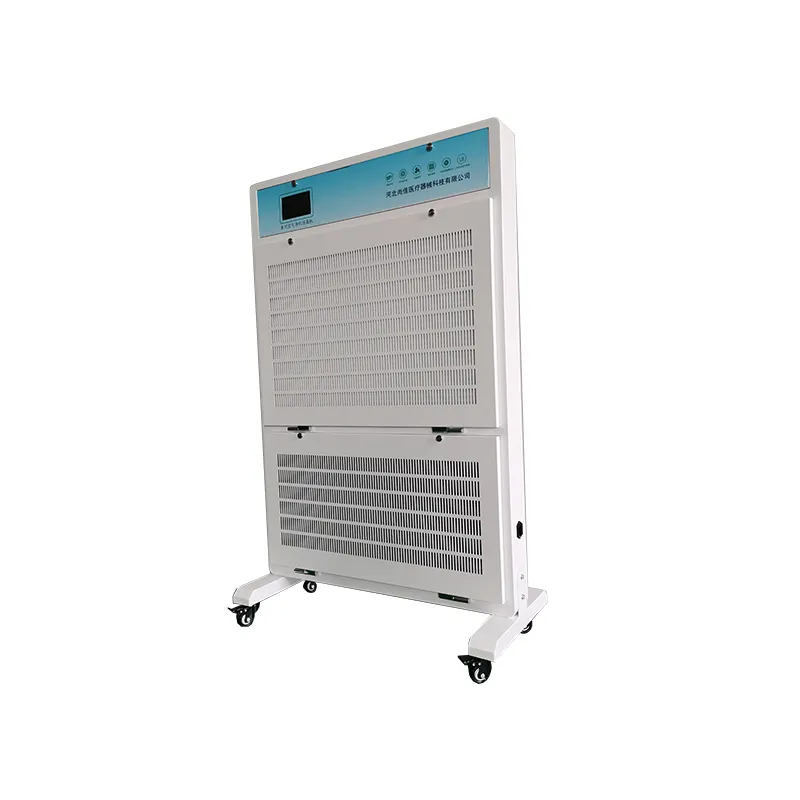
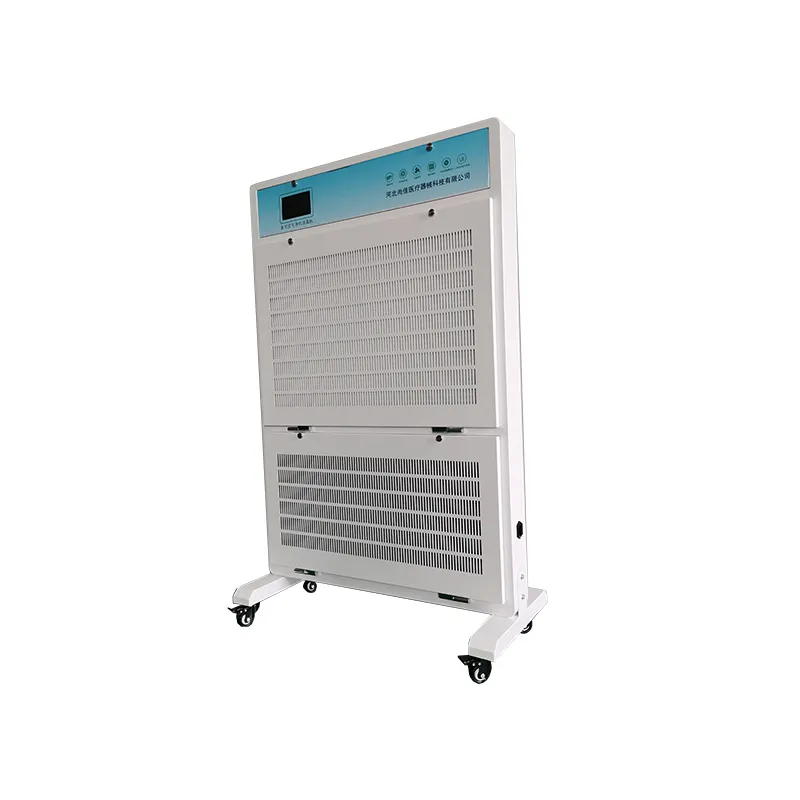
I’ve been touring hospitals and hotels for months, and one device kept popping up on walls and tucked into ceiling grids: a photocatalytic air purifier. To be honest, I was skeptical at first—there’s a lot of hype in indoor air quality. But this unit, built in 888 Kaiyuan Road, Jizhou District, Hengshui City, Hebei Province, has that blend of practicality and lab-grade engineering that tends to win facilities managers over.
The market is shifting from “just HEPA” to hybrid stacks: PCO (photocatalytic oxidation) for VOCs and odors, HEPA for particles, ions for agglomeration. Hospitals want verifiable pathogen knockdown; offices want low noise and easy installs. And yes, buyers have become picky about ozone-free claims and standards. Actually, that’s a good thing.
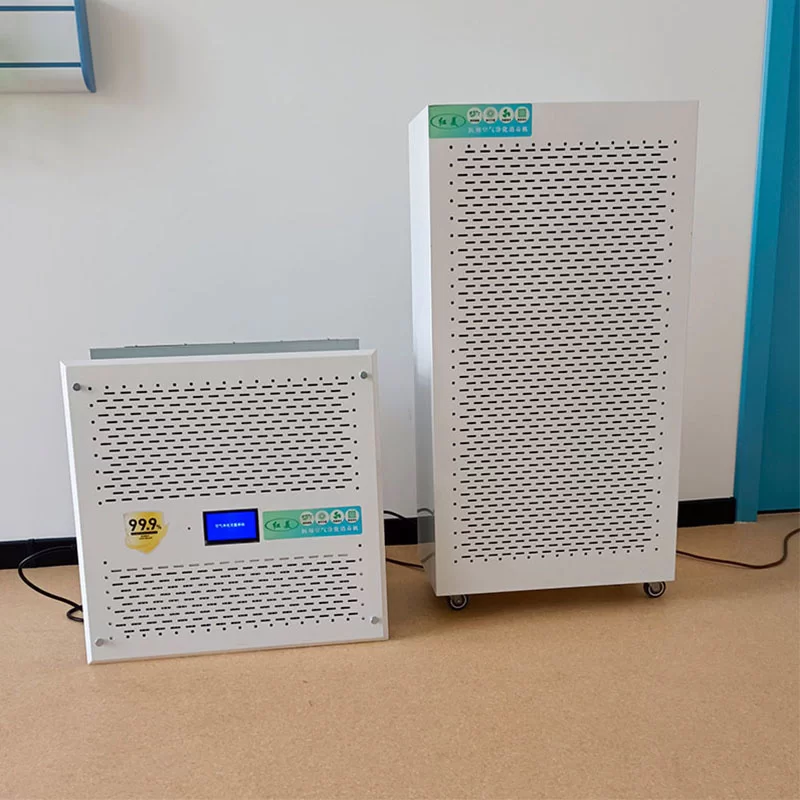
Air passes a pre-filter, then HEPA (often H13), then a TiO₂-coated honeycomb illuminated by UV-A LEDs (≈365–395 nm). The catalyst generates reactive species that oxidize VOCs and disrupt microbes. Negative ions assist particle capture. The result is a compact wall/ceiling unit that covers typical patient rooms, meeting rooms, or guest suites without floor clutter. Many customers say the odor control is the first thing they notice—surprisingly fast.
| Model | Wall Mounted or Suspended Ceilingion Sterilizer Photocatalytic Oxidation Air Purifier |
| Airflow / CADR | ≈ 350–500 m³/h (GB/T 18801 methodology) |
| Coverage | ≈ 30–60 m² per unit, depending on ACH target |
| Filtration stack | Pre-filter + H13 HEPA (EN 1822) + Activated carbon + TiO₂ PCO + Negative ions |
| Noise | ≈ 32–52 dB(A) @ 1 m |
| Power | ≤ 65 W, 100–240 V, 50/60 Hz |
| Service life | Pre-filter 3–6 mo; HEPA 9–12 mo; Carbon 6–9 mo; Catalyst 3–5 yrs (typical) |
| Install | Wall mount or suspended ceiling kit; low-profile chassis |
Hospital ward (tertiary care): after 48 hours, TVOC fell from 420 µg/m³ to 135 µg/m³; bacteria colony counts near bedsides dropped ≈92% (third-party lab spot tests). Office pilot: staff reported less “stale” air and fewer odor complaints. Hotel corridor: smoke and cooking odors cut within minutes at high fan mode. It seems that facilities appreciate the “install once, forget mostly” approach—filters on a predictable schedule.
| Vendor / Model | Core Tech | CADR (≈) | Ozone-free | Mounting | Maintenance |
|---|---|---|---|---|---|
| StoreOxygen Wall/Ceiling PCO Ion Sterilizer | HEPA + PCO + Ions | 350–500 m³/h | UL 2998 target | Wall or ceiling | Low; filters 6–12 mo |
| Generic UV-C Tower | UV-C only | N/A (recirc limited) | Varies | Floor-standing | Lamp swaps; safety controls |
| HEPA-Only Wall Unit | HEPA + Carbon | 250–400 m³/h | Yes | Wall | Filter changes |
Options include airflow tiers, HEPA grade (H13/H14), carbon load, color, control logic (manual/BMS/IoT), 110/220 V, and private labeling. Certifications commonly requested: CE, RoHS, FCC, ISO 13485 for medical device QMS where applicable, and documentation for GB/T 18801 and EN 1822 testing. If you need a photocatalytic air purifier for negative-pressure rooms, ask for sealed-inlet variants and gasketed HEPA frames.
“Installed in the nurses’ room—odor drop was immediate.” “Easy to hang, no trip hazard.” “Filter swaps are quick; fan is quieter than expected.” Not scientific, sure, but it matches the lab curves I’ve seen. In fact, for a photocatalytic air purifier at this price point, the balance of CADR, noise, and mounting flexibility is solid.
References: