Hit enter to search or ESC to close
3 December 2025
In our increasingly mobile and interconnected world, the health of vehicle tires might not seem like a headline issue—but it really ought to be. Nitrogen compressors for tires have quietly become essential tools across industries and geographies, ensuring tires stay optimally inflated and therefore safer, more efficient, and longer-lasting. Oddly enough, something as seemingly mundane as the choice of inflation gas can ripple out to impact fuel consumption, carbon emissions, and even global supply chains.
At its core, a nitrogen compressor for tires is a machine designed to generate and supply nitrogen gas to inflate tires instead of regular compressed air. Why switch to nitrogen? Because nitrogen molecules are larger and less reactive than oxygen, meaning they escape from tires more slowly, reduce oxidation, and stabilize inflation pressure over time. This simple pivot can reduce maintenance frequency and improve safety, which matters on busy roads and in critical industrial applications alike.
Globally, vehicle fleets are expanding rapidly, with the World Bank estimating vehicle ownership to surpass 2 billion by 2040. As this surge continues, the strain on infrastructure and the environment only grows. The ISO standards emphasize tire maintenance as part of broader vehicle safety protocols. Increasingly, commercial trucking fleets, public transport systems, and even private motorists in Europe, North America, and parts of Asia are switching to nitrogen inflation for tires to reduce downtime and fuel costs.
But it’s not just convenience. Rising pressures to reduce carbon emissions—prompted in part by the UN Climate Change guidelines—mean improved tire performance is a small yet significant way to cut roadside emissions. Low tire pressure contributes to roughly 4% of global fuel consumption, so efficient nitrogen compressors have quietly jumped into the limelight as a tool for environmental progress.
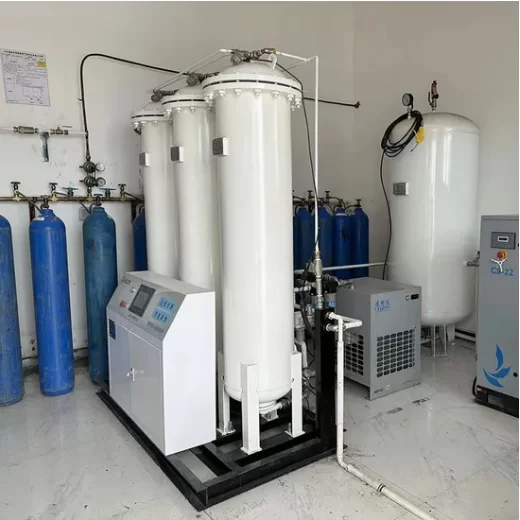
Put simply, it’s a specialized compressor unit that filters and compresses atmospheric air to extract nitrogen—which it then pumps into tires for inflation. Unlike ordinary air compressors that simply push ambient air into tires, nitrogen compressors separate out oxygen, moisture, and other gases, delivering nearly pure nitrogen. This process typically involves filtration, drying, and membrane or pressure swing adsorption technologies.
This subtle tech shift connects to modern demands for precision and reliability. Whether it’s an 18-wheeler on a coastal highway or a remote mining operation’s heavy equipment, nitrogen compressors help ensure tires don’t lose pressure prematurely, thus avoiding accidents or costly delays.
Mini takeaway: The efficiency and user-friendliness of a nitrogen compressor come down to how well it filters nitrogen, controls pressure, and meets the practical demands of where it's used.
| Specification | Value |
|---|---|
| Nitrogen Purity | 95%-99.9% |
| Operating Pressure | Up to 150 psi (10 bar) |
| Flow Rate | 5-15 CFM (Cubic Feet per Minute) |
| Power Supply | Electric or Diesel Engine Options |
| Weight | 50–120 kg (varies by model) |
| Portability | Portable and mounted options available |
From fleet operators in the US to public bus systems in India, nitrogen compressors are proving their worth in varied environments. In remote mining sites in Australia, maintaining steady tire pressure reduces operational delays and costly tire damages. Humanitarian organizations, during disaster relief efforts after hurricanes or earthquakes in the Caribbean, use nitrogen compressors as part of mobile service trucks to ensure emergency and logistics vehicles remain roadworthy.
Even regions with extreme climates, like northern Europe’s cold winters or the desert heat of the Middle East, see benefits from nitrogen inflation, as temperature swings impact tire pressure less dramatically when filled with nitrogen.
Mini takeaway: Nitrogen compressors support safer and more efficient transport in contexts from urban transport hubs to remote industrial and relief operations — a neat testament to their wide relevance.
| Feature | Brand A | Brand B | Brand C |
|---|---|---|---|
| Nitrogen Purity | 99.5% | 98% | 99% |
| Portability | Portable cart | Stationary unit | Trailer mounted |
| Operating Pressure | 150 psi | 120 psi | 140 psi |
| Price Range | $$$ | $$ | $$$ |
| Warranty | 2 years | 1 year | 3 years |
So what’s the real appeal? For one, nitrogen-filled tires see less pressure fluctuation due to temperature changes, which means safer driving and longer intervals between refills. This stability helps extend tire life, reducing costs and waste. Plus, nitrogen doesn’t support moisture or oxidation inside tire walls, which means less corrosion of rims, an often overlooked but costly problem.
From an environmental perspective, better tire maintenance using nitrogen is tied to improved fuel economy. It’s an emotionally reassuring factor for fleet managers and drivers alike — the road feels safer, travel smoother, and expenses more predictable. It’s innovation meeting trust, not just technology.
Looking ahead, the industry is shifting towards smarter nitrogen generation systems with IoT integration that provide real-time data on tire pressure and compressor performance. There’s also growing interest in hybrid power solutions using solar to reduce diesel reliance in remote areas.
On the materials front, filters and membranes are becoming more compact and efficient, enabling smaller, portable designs that can be deployed in tough conditions without much fuss. Sustainability policies from organizations like the United Nations are making nitrogen inflation a component in broader vehicle lifecycle management initiatives as well.
Of course, no system is perfect. Initial setup costs and operator training can present hurdles, especially in smaller shops or less developed regions. Some compressors struggle with extremely humid environments that degrade filter efficiency faster than expected.
Experts suggest routine maintenance schedules, operator education, and choosing models designed specifically for local conditions mitigate many issues. An increasing number of vendors now offer remote diagnostics, so troubleshooting and upkeep are more seamless than ever before.
In real terms, nitrogen compressors might seem like niche tools, but their impact is broad. They help fleets save on costs, extend tire life, improve safety, and contribute to environmental goals—a rare win-win-win scenario. As traffic and vehicle volumes keep rising globally, nitrogen inflation technologies will become even more integral to smart tire maintenance strategies.
If you’re in the market for dependable nitrogen compressors or want to learn more, consider visiting our site at https://www.storeoxygen.com to explore a curated selection designed to meet varied industrial and commercial needs.
Takeaway: Nitrogen compressors for tires represent a subtle but powerful advancement in vehicular safety and sustainability—practical, sensible, and increasingly essential.
References: