Hit enter to search or ESC to close
2 December 2025
At first glance, the phrase inflatable hyperbaric chamber might sound like something from science fiction, but it’s actually a very practical and increasingly vital technology. These portable medical devices allow for hyperbaric oxygen therapy (HBOT) — a treatment where patients breathe pure oxygen in a pressurized environment to accelerate healing and improve health outcomes. Globally, the inflatable variety stands out because it combines portability, speed of deployment, and cost-effectiveness. This matters not just in hospitals, but in remote zones, disaster relief efforts, and humanitarian missions where fixed hyperbaric chambers are either unavailable or impractical.
Understanding this topic unlocks insights into a promising solution to pressing healthcare challenges worldwide — from improving trauma recovery to aiding in stroke rehabilitation, wound healing, and treating decompression sickness.
To appreciate the growing significance of inflatable hyperbaric chambers, consider these staggering facts: According to the World Bank, over 60% of the global population lives in areas vulnerable to natural disasters, and medical infrastructure often falls short in these zones. Meanwhile, the World Health Organization highlights chronic wounds and ischemic injuries as growing global health burdens. Fixed hyperbaric chambers are expensive and immobile, limiting accessibility for millions.
Here, inflatable hyperbaric chambers address a significant gap. By allowing rapid deployment in low-resource settings, they help mitigate the immediate and long-term impacts of injuries and illnesses that benefit from HBOT. Oddly enough, this intersection of portability and medical technology could redefine emergency and routine care worldwide.
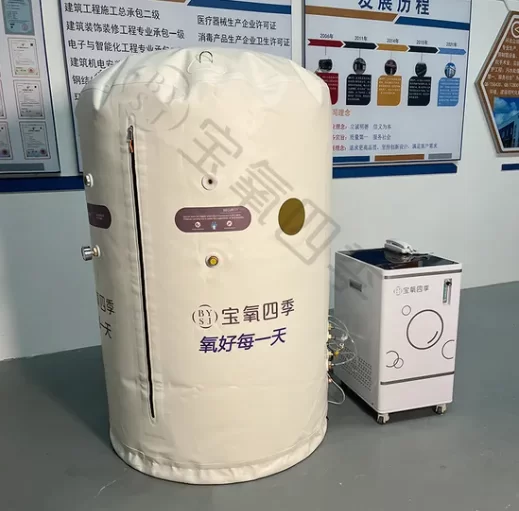
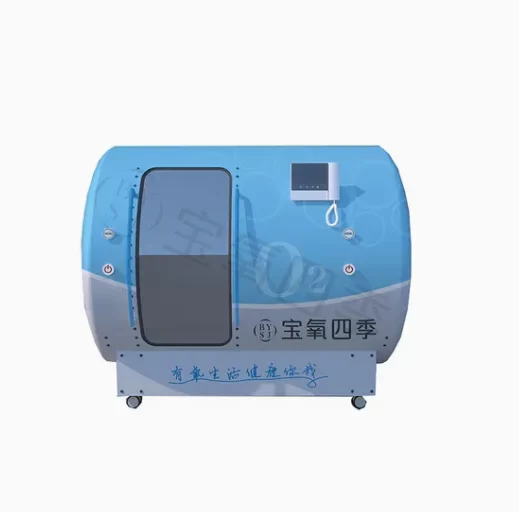
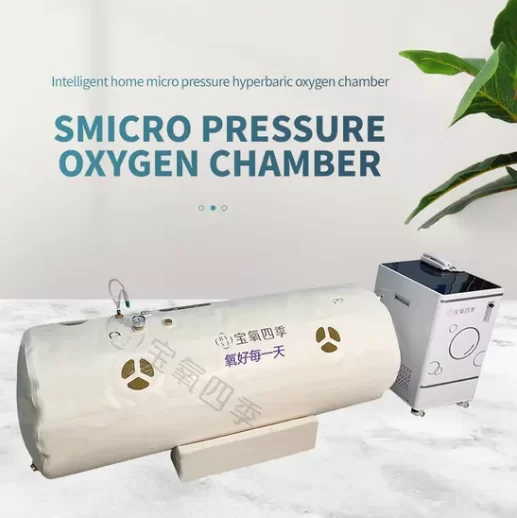
An inflatable hyperbaric chamber is essentially a flexible, airtight enclosure designed to create a pressurized environment where oxygen concentration is elevated above atmospheric levels. Unlike traditional rigid chambers made from steel or aluminum, inflatable versions use durable airtight fabrics and can quickly be set up or taken down as needed.
This flexibility makes them especially relevant to modern healthcare demands, where mobility, cost, and speed often determine therapeutic success. They serve as critical tools for industries ranging from maritime diving and aerospace to field hospitals, humanitarian aid, and sports medicine clinics.
Most inflatable hyperbaric chambers use high-strength PVC-coated fabrics or specialized TPU materials that are airtight, flame-retardant, and resistant to tears. This ensures they withstand harsh environmental conditions — from dusty deserts to humid tropical disaster zones.
They pack down compactly into transportable bags and can be inflated with portable air compressors. Sizes typically range from single-patient chambers to multi-person units, accommodating diverse operational needs.
To ensure user safety, chambers feature precise pressure regulation valves, emergency pressure relief, and oxygen monitoring systems. Many meet or exceed ISO safety standards — crucial for medical credibility.
Compared to fixed chambers that cost upwards of $100,000, inflatable versions range between $10,000 to $30,000. This cost efficiency democratizes access significantly.
The chambers emphasize user-friendly set-up with minimal training, plus easy sanitation — vital for field deployment where resources are scarce.
| Specification | Typical Values | Notes |
|---|---|---|
| Material | PVC-coated Nylon / TPU | Tear-resistant, airtight |
| Max Operating Pressure | 1.5 ATA (atmospheres absolute) | Sufficient for most HBOT needs |
| Set-Up Time | 15-30 minutes | Dependent on personnel experience |
| Capacity | 1-4 persons | Varies by model |
| Weight (packed) | 25-40 kg | Portable with 2 people |
Inflatable hyperbaric chambers find use across a variety of challenging environments:
For example, after the 2010 Haiti earthquake, inflatable chambers brought HBOT to displaced populations far from established hospitals, literally saving lives under difficult conditions.
The advantages of inflatable hyperbaric chambers are quite tangible:
Emotionally, when you hear first responders describe how these chambers helped stabilize patients in the field, there’s a sense of trust and innovation that drives adoption further. They’re more than medical apparatus — they’re lifelines in fragile circumstances.
| Vendor | Price Range | Set-Up Time | Max Capacity | ISO Certification |
|---|---|---|---|---|
| OxyTech | $18,000 - $25,000 | 20-25 mins | Up to 3 persons | Certified ISO 13485 |
| HyperBreathe | $15,000 - $22,000 | 15-20 mins | 1-2 persons | Pending ISO |
| FieldHeal | $25,000 - $30,000 | 30 mins | Up to 4 persons | Certified ISO 13485 & FDA Registered |
Developers and researchers are pushing inflatable hyperbaric chambers toward greener, smarter solutions. For instance, newer films and fabrics focus on bio-based, recyclable materials to reduce environmental impact. Digital integration is another trend: sensors and cloud connectivity enable remote monitoring of therapy sessions and chamber status in real time.
Automation could soon allow one caregiver to manage multiple units remotely. Energy-wise, solar-powered compressors powered by on-site renewables promise to cut carbon footprints drastically, especially in off-grid areas. It’s an exciting evolution that fuses ancient healing principles with cutting-edge technology.
Despite all the advantages, inflatable chambers face obstacles. They typically offer lower maximum pressures than rigid models, limiting treatment to moderate HBOT indications. Also, durability concerns under extreme field conditions can arise if maintenance lapses.
Solutions? Many manufacturers are innovating with reinforced double-layer fabrics and fast-repair kits. Training programs addressing correct setup and use are expanding globally — you know, practical knowledge over fancy theory. Certification and international regulatory alignment remain complex but steadily progress.
To wrap it up, inflatable hyperbaric chambers are revolutionizing how oxygen therapy is delivered across the globe. Their portability, affordability, and safety open care doors in environments that once felt medically inaccessible. In real terms, they symbolize a powerful blend of technology and human compassion — bringing healing where it’s needed most.
If you’re intrigued and want to explore solutions or purchase options, visit https://www.storeoxygen.com for detailed product information and expert advice. Your patients, your mission, and your peace of mind depend on informed choices — inflatable hyperbaric chambers offer a path forward.
Ultimately, this technology reminds us how innovation can break barriers, even in medicine's most challenging landscapes.