Hit enter to search or ESC to close
27 October 2025
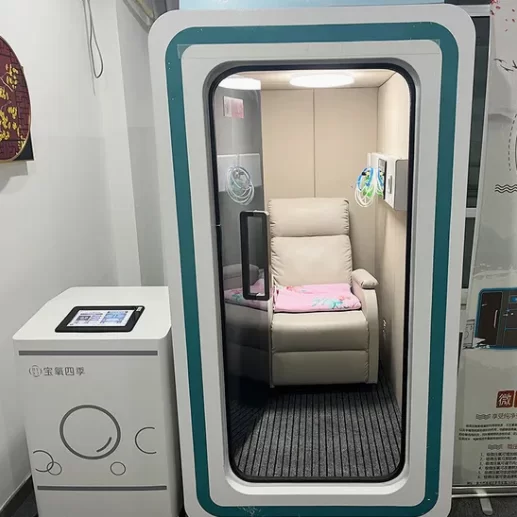
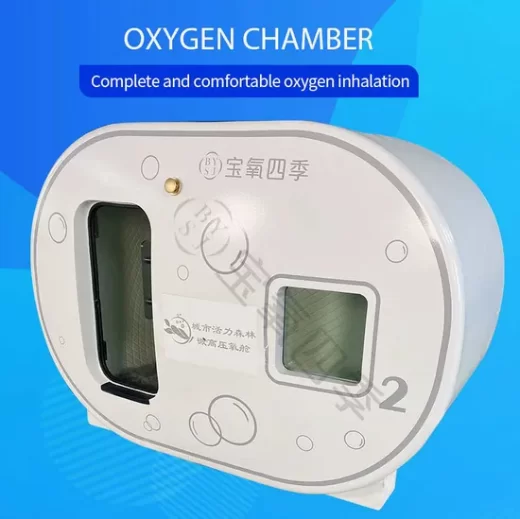
Short answer: it depends. Long answer: the price tag is a blend of pressure rating, build method, certifications, bundled oxygen hardware, and after-sales support. Home wellness has nudged prices down, clinics still demand hospital-grade builds, and seated designs are quietly becoming the “practical middle” for users who don’t want to crawl into a tube. To be honest, that’s why I’ve been watching the seated units coming direct from source factories in Hebei—especially the “Newest Best Quality Seated Hyperbaric Oxygen Chamber for Single Person Source Factory,” made at 888 Kaiyuan Road, Jizhou District, Hengshui City.

This seated model is designed for professional oxygen sessions and wellness use. Many customers say the upright posture feels less claustrophobic and simpler for older users.
| Model | Newest Best Quality Seated Hyperbaric Oxygen Chamber for Single Person |
| Operating pressure | ≈1.3–1.5 ATA (real-world use may vary by configuration) |
| Materials | Aluminum alloy frame; medical‑grade TPU/nylon bladder; acrylic viewport |
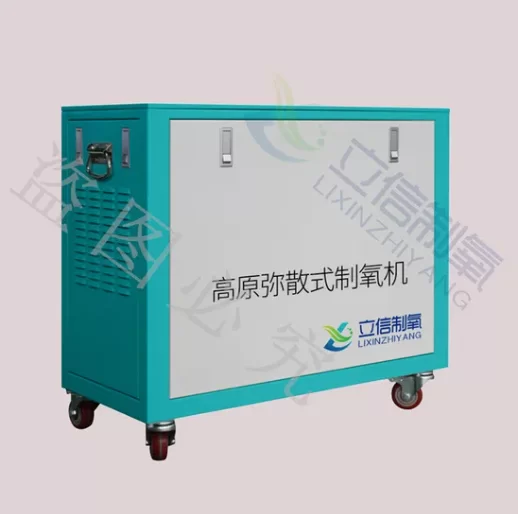
| Oxygen supply | External concentrator (≈90–96% O₂), flow 5–10 L/min |
| Noise | ≈45–55 dB at 1 m |
| Safety | Mechanical relief valves, pressure gauge, interlock, low‑VOC interior |
| Certifications | ISO 13485 QMS; CE documentation where applicable (verify per market) |
| Service life | ≈5–8 years; bladder/valves consumable over time |
| Vendor | Pressure | Estimated price | Warranty | Notes |
|---|---|---|---|---|
| Source factory (Hebei) | ≈1.3–1.5 ATA | $5,500–$9,500 | 12–24 months | Direct build, customization, fast spares |
| Vendor B (imported soft) | ≈1.3 ATA | $7,000–$12,000 | 12 months | Retail network; higher logistics cost |
| Vendor C (clinic hard-shell) | 2.0–3.0 ATA | $120,000–$220,000 | 24–36 months | ASME PVHO‑1, NFPA 99 integration |
Frames are typically CNC‑machined aluminum alloys; bladders use 0.6–1.0 mm TPU with RF‑welded seams; viewports are acrylic with optical‑grade finishing. Factory acceptance tests include pressure hold, leak-rate verification, valve calibration, and electrical safety (IEC 60601‑1). Oxygen parts are cleaned for O₂ service; flame-retardant interiors align with NFPA 99 practices. Expected service life is 5–8 years with annual inspection; consumables (filters, O‑rings) replaced at 6–12 month intervals.

Common tweaks include pressure set‑points, seat type (recline/upright), viewport size, dual O₂ ports, interior lighting, antibacterial liners, and brand printing. Lead times for custom builds: around 20–35 days.
Wellness studio, 2 rooms: CAPEX ≈$16,000 for two seated units + $2,000 for concentrators. Electricity ≈0.8 kW per session; 120 sessions/month ≈96 kWh → ~$15–$20/month at $0.16/kWh. Filters and seals ~$250/year/unit.
Home user, 20 sessions/month: Power cost ~$2–$4/month; annual maintenance ~$150–$300. Users liked the seated entry; one comment was simply “less fuss.”
If you don’t need hospital pressures, seated mild chambers hit a sweet spot: manageable budgets, simpler installs, and decent comfort. Verify certifications for your market, ask for leak-rate test data, and get a clear spare‑parts list—those three steps tend to separate the solid builds from lookalikes.