Hit enter to search or ESC to close
21 November 2025
Oxygen — it’s something we typically take for granted, but its availability is absolutely crucial across many global industries and humanitarian missions. An oxygen gas production plant is a facility dedicated to extracting and producing oxygen gas at scale, supplying hospitals, manufacturers, and emergency response teams worldwide.
Why does understanding oxygen production matter? Well, with increasing industrialization, medical needs, and disaster relief operations, reliable oxygen sources have become a lifeline. The ability to produce oxygen on-site or locally reduces dependency on transported cylinders, cuts costs, and can truly mean the difference between life and death in remote or crisis-hit areas.
So let’s dive into what makes these plants tick, how they work, and why many experts believe their role will only expand in the years ahead.
The World Health Organization estimates that nearly 20 million people require medical oxygen annually. This demand isn’t static — it’s climbing, partly thanks to aging populations, respiratory illnesses, and like we saw recently during global pandemics, the need for quick oxygen availability under surge conditions.
Aside from healthcare, industries including steel manufacturing, chemical processing, and wastewater treatment rely heavily on oxygen for oxidation and other chemical reactions. The UN Industrial Development Organization highlights that developing regions are frequently underserved by oxygen logistics and infrastructure — a problem an oxygen gas production plant can solve by enabling localized production.
Still, challenges abound. Traditional oxygen supply chains are vulnerable to transport delays, regulatory bottlenecks, and storage limitations. These factors have pushed governments, NGOs, and private companies to invest more in production technology closer to the point of use.
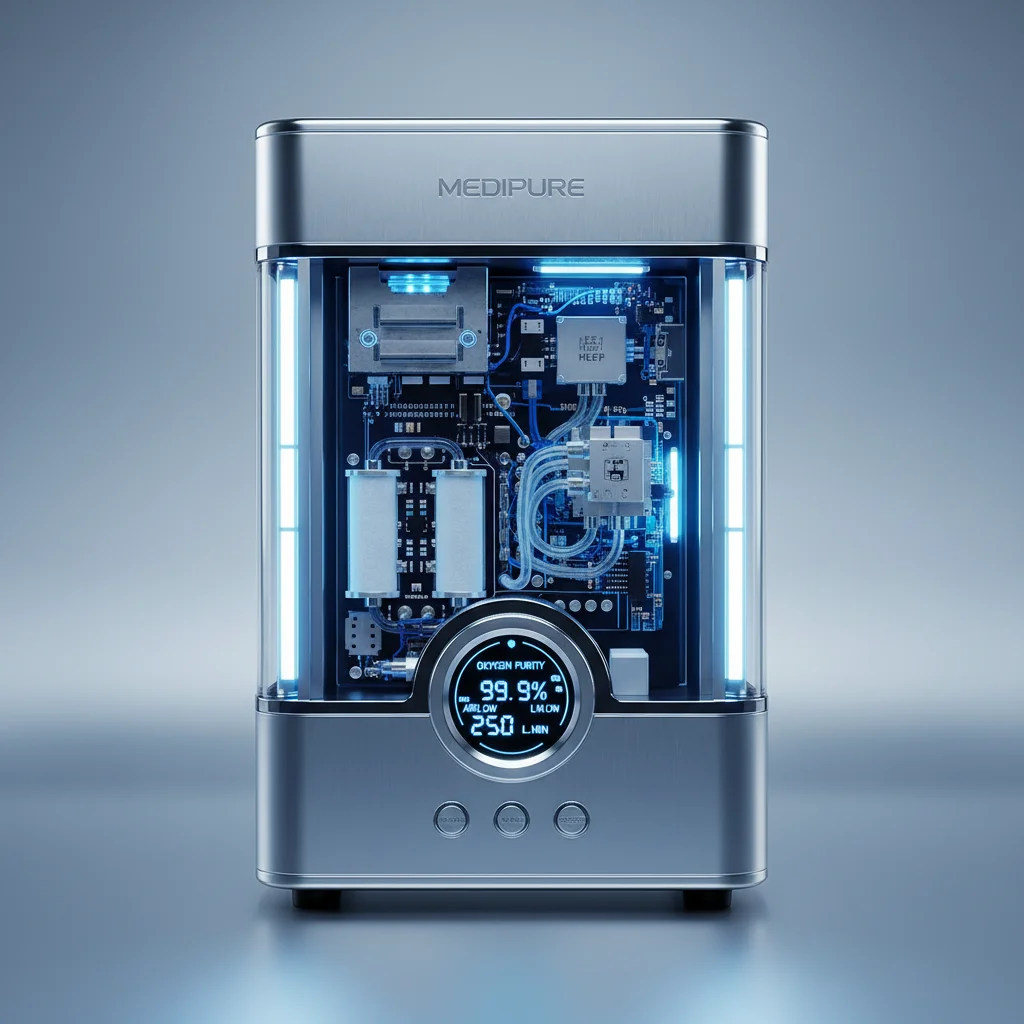
At its core, an oxygen gas production plant is a technical facility that extracts oxygen from ambient air and purifies it to meet specific purity standards — often 90% to 99.5% oxygen content — for commercial or medical use. Methods include cryogenic distillation, pressure swing adsorption (PSA), and membrane separation.
Think of it as a giant air filter and separation system that takes in atmospheric air (roughly 21% oxygen, 78% nitrogen, plus traces of other gases), then efficiently isolates and compresses the oxygen. The output is then stored or piped directly to end users.
Its relevance today extends beyond industry — many humanitarian operations now depend on oxygen production plants to respond to sudden health crises or provide sustained oxygen in remote facilities where cylinder re-supply is unreliable.
Plant output ranges widely — from small portable units producing under 5 Nm³/h (normal cubic meters per hour) to large cryogenic plants delivering thousands of Nm³/h. For medical use, oxygen purity must often exceed 90%, sometimes approaching 99.5%. The higher the reliability at scale, the better suited the plant for hospitals or industrial complexes.
Oxygen production equipment faces stresses like moisture build-up and pressure fluctuations. Components such as compressors, filters, and adsorption beds must be designed with durable materials. Maintenance plans are crucial — many operators report that predictable upkeep schedules dramatically reduce downtime and unexpected costs.
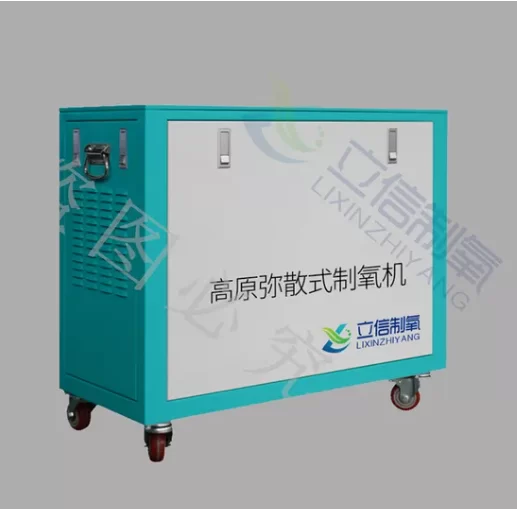
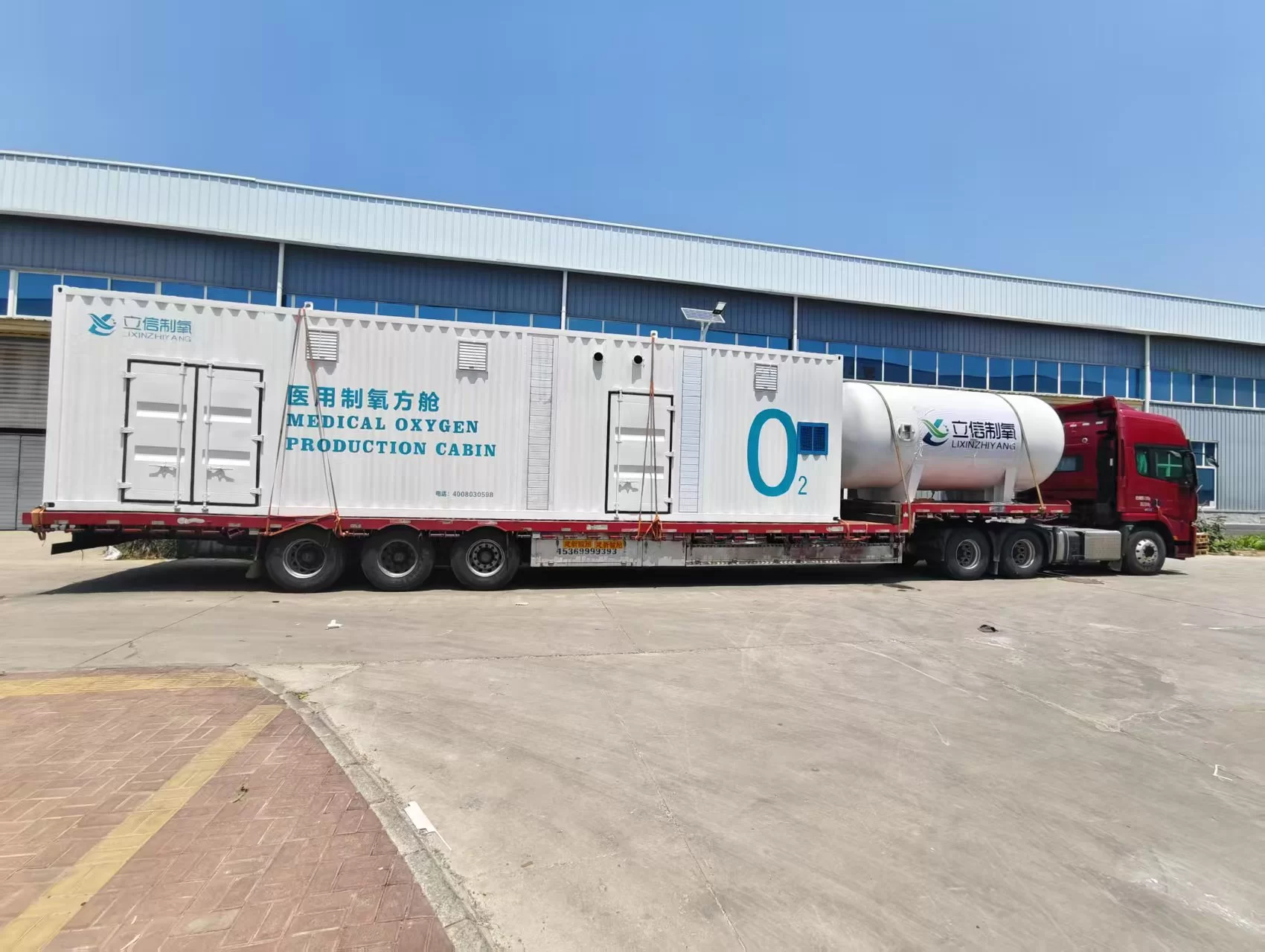
Not every facility needs massive output. Modular designs, often in containerized formats, allow plants to be scaled up or down quickly depending on regional demand changes or emergency surges. This flexibility is essential in volatile settings.
Energy use is a big factor, especially in remote or developing regions where power supply might be limited or expensive. More plants are incorporating energy recovery technologies or connecting to renewable sources to minimize carbon footprints.
Modern plants increasingly use digital control systems and remote monitoring for operational transparency and fast troubleshooting, helping operators ensure continuous oxygen supply without constant physical presence.
Globally, oxygen gas production plants are found in diverse contexts:
In practice, one noteworthy case comes from Nepal, where a network of new micro oxygen plants helped remote clinics handle the Covid-19 surge without waiting days for oxygen cylinder deliveries.
| Specification | Characteristic |
|---|---|
| Oxygen Output Capacity | 100 Nm³/h |
| Oxygen Purity | 95% ± 2% |
| Power Consumption | 45 kW |
| Operating Pressure | 5 bar |
| Weight | 1,800 kg |
| Dimensions (LxWxH) | 4.5m x 2.1m x 2.5m |
| Vendor | Capacity Range | Technology | Energy Efficiency | Price Range (USD) | Ideal Application |
|---|---|---|---|---|---|
| PureAir Solutions | 50–200 Nm³/h | PSA | High | 50,000 – 120,000 | Healthcare, small industry |
| CryoOxy Technologies | 500–5,000 Nm³/h | Cryogenic Distillation | Medium | 250,000 – 1,000,000 | Large industry, hospitals |
| GreenMembrane Corp. | 10–100 Nm³/h | Membrane Separation | High | 30,000 – 80,000 | Remote & small-scale |
In practical terms, having an oxygen production plant onsite means significant cost savings. Cylinder transport is expensive and often unpredictable — interruptions can jeopardize patient care or production lines. Producing oxygen in-house offers supply security and greater control.
Emotionally, it’s comforting to many healthcare workers and patients alike that oxygen won’t run out in critical moments. This tangibly elevates trust and quality of care.
From a sustainability standpoint, modern plants tend to consume less power, some integrating renewable energy. Their modularity also enables quicker deployment with lower infrastructure impact — appealing to both businesses and governments aiming for greener operations.
Advances are rapidly changing the landscape. Digitalization with AI-driven monitoring brings predictive maintenance to the forefront, reducing downtime. Materials science breakthroughs offer more resilient adsorbents and membranes that improve efficiency and lifespan.
Also, companies are exploring carbon-neutral operations by coupling oxygen plants with solar or wind energy systems. The aim is to deliver clean oxygen with minimal environmental footprint, an increasingly popular goal worldwide.
Of course, things aren’t perfect. Power instability in rural regions, high upfront costs, and knowledge gaps about maintenance can hinder oxygen plant adoption. Containerized, plug-and-play solutions and training programs for local operators are proven fixes. Plus, leveraging telemetrics allows remote specialists to assist in troubleshooting — a bit like having a doctor on call for your equipment.
Oxygen gas production plants have quietly become a backbone for health systems and industries around the world. Their ability to provide reliable, scalable oxygen on-site is critical for societies confronting rapid population shifts, health crises, and evolving industrial demands.
They bring safety, sustainability, and economic benefits closer to home, often literally saving lives in remote or underserved areas. If you’re considering investing in or learning more about oxygen solutions, a closer look at advanced production plants could be the next step.
For a detailed selection of oxygen gas production technologies and consulting, consider visiting our partner site at Store Oxygen, where you'll find tailored equipment options and expert advice.