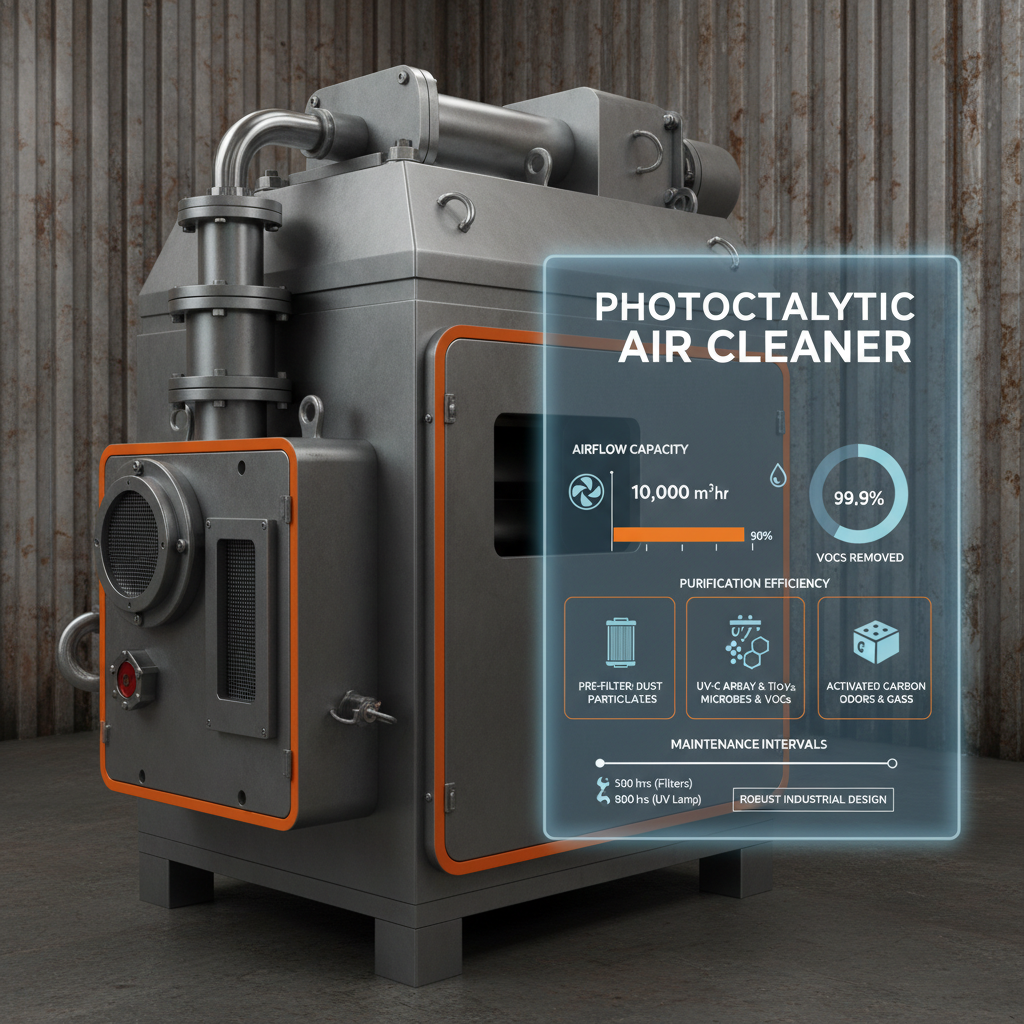
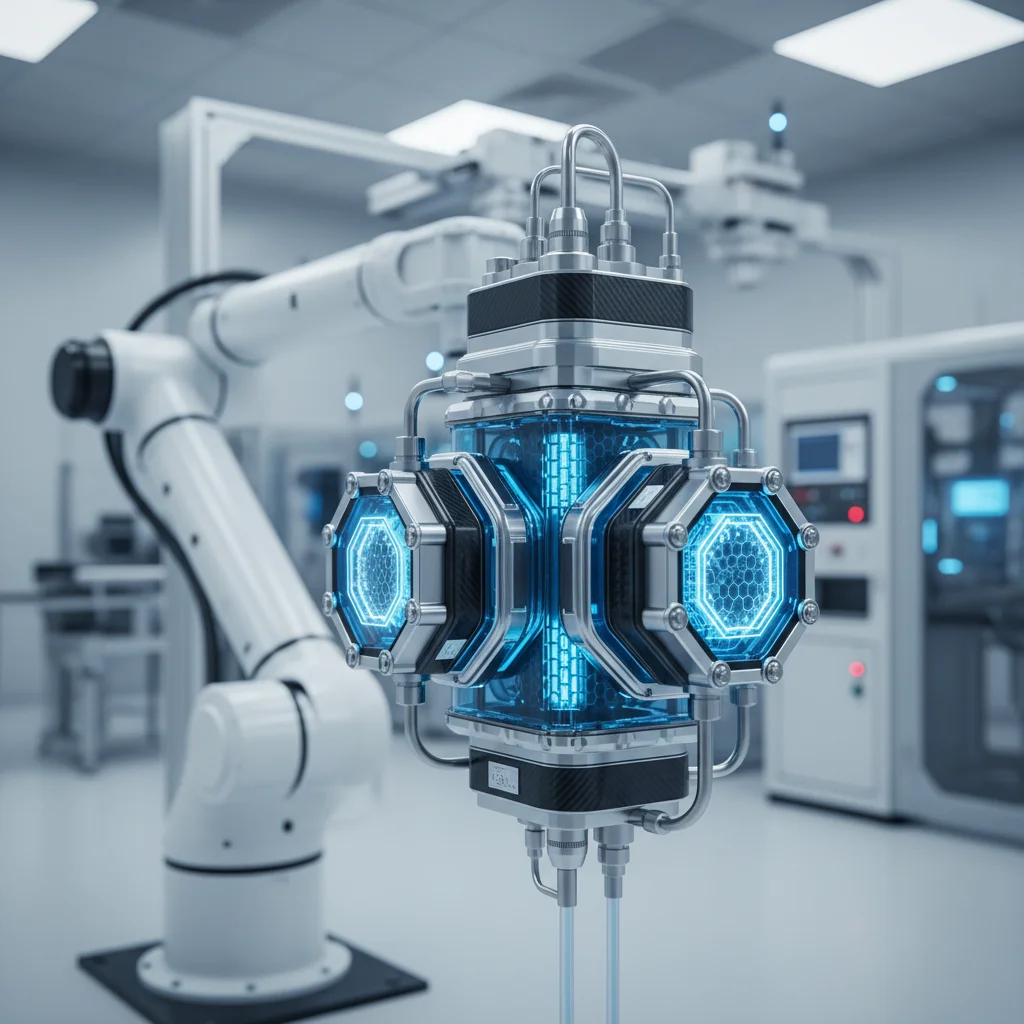
In an era where indoor air quality has become a critical component of public health, the emergence of the photocatalytic air cleaner represents a paradigm shift in how we combat airborne pollutants. Unlike traditional filtration systems that merely trap particles, these advanced systems utilize a chemical reaction to actively decompose harmful organic compounds, ensuring a sterile and safe environment.
The global demand for high-efficiency purification is surging, particularly in medical facilities and high-density urban settings where volatile organic compounds (VOCs) and pathogens pose a constant threat. By integrating semiconductor catalysts with UV light, a photocatalytic air cleaner provides a sustainable, long-term solution that reduces the reliance on disposable filters and chemical sprays.
Understanding the mechanics and applications of this technology is essential for healthcare administrators, industrial engineers, and homeowners alike. From reducing healthcare-associated infections to enhancing productivity in corporate offices, the implementation of photocatalytic oxidation ensures that the air we breathe is not just filtered, but fundamentally purified.
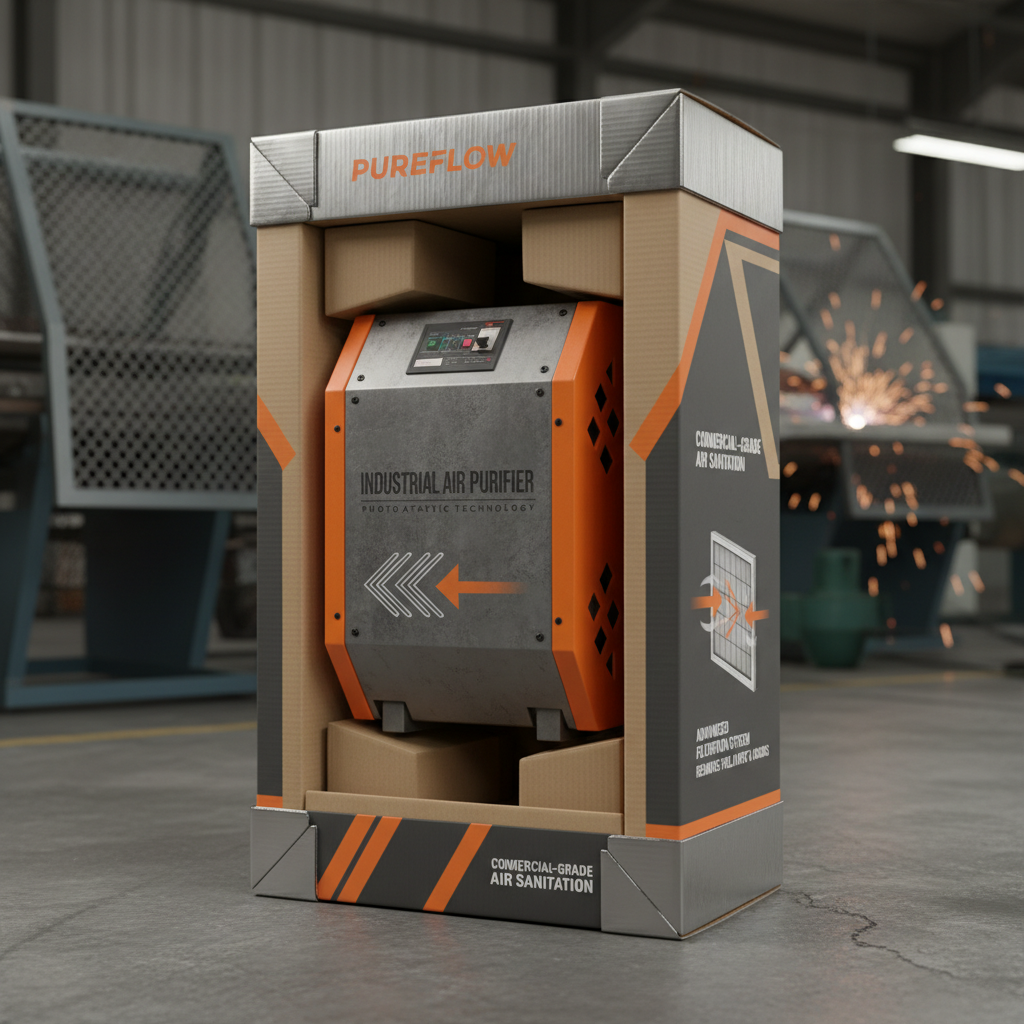
Global Relevance of Photocatalytic Air Cleaner
On a global scale, the rise of respiratory illnesses and the increased concentration of atmospheric pollutants have forced a re-evaluation of air purification standards. According to data aligned with WHO guidelines, indoor air pollution remains a significant risk factor for millions, necessitating the deployment of a photocatalytic air cleaner in critical zones like hospitals and laboratories.
The challenge lies in the inadequacy of passive HEPA filters to neutralize gaseous pollutants and odors. By implementing photocatalytic oxidation (PCO), industries can now achieve a level of sterilization that is critical for maintaining sterile environments in medical oxygen generation plants and high-pressure oxygen chamber facilities, ensuring patient safety and operational integrity.
Defining the Photocatalytic Process
At its core, a photocatalytic air cleaner is a device that utilizes a catalyst—typically titanium dioxide (TiO2)—and a light source (usually UV-C) to trigger a chemical reaction. When UV light hits the catalyst, it creates electron-hole pairs that react with moisture and oxygen in the air to produce hydroxyl radicals (·OH) and superoxide ions.
These radicals are incredibly powerful oxidizing agents. Unlike a standard filter that simply holds onto dust, this process attacks the molecular structure of pollutants, breaking down bacteria, viruses, and organic chemicals into harmless substances like water vapor and carbon dioxide. This "cold combustion" allows for deep cleaning without the need for high-temperature incinerators.
This technology is particularly vital for humanitarian needs in disaster-stricken areas or remote medical clinics. In these environments, where electricity may be intermittent and filter replacements difficult to procure, the long-lasting nature of the photocatalytic catalyst provides a reliable shield against airborne contagion.
Core Components of High-Efficiency Systems
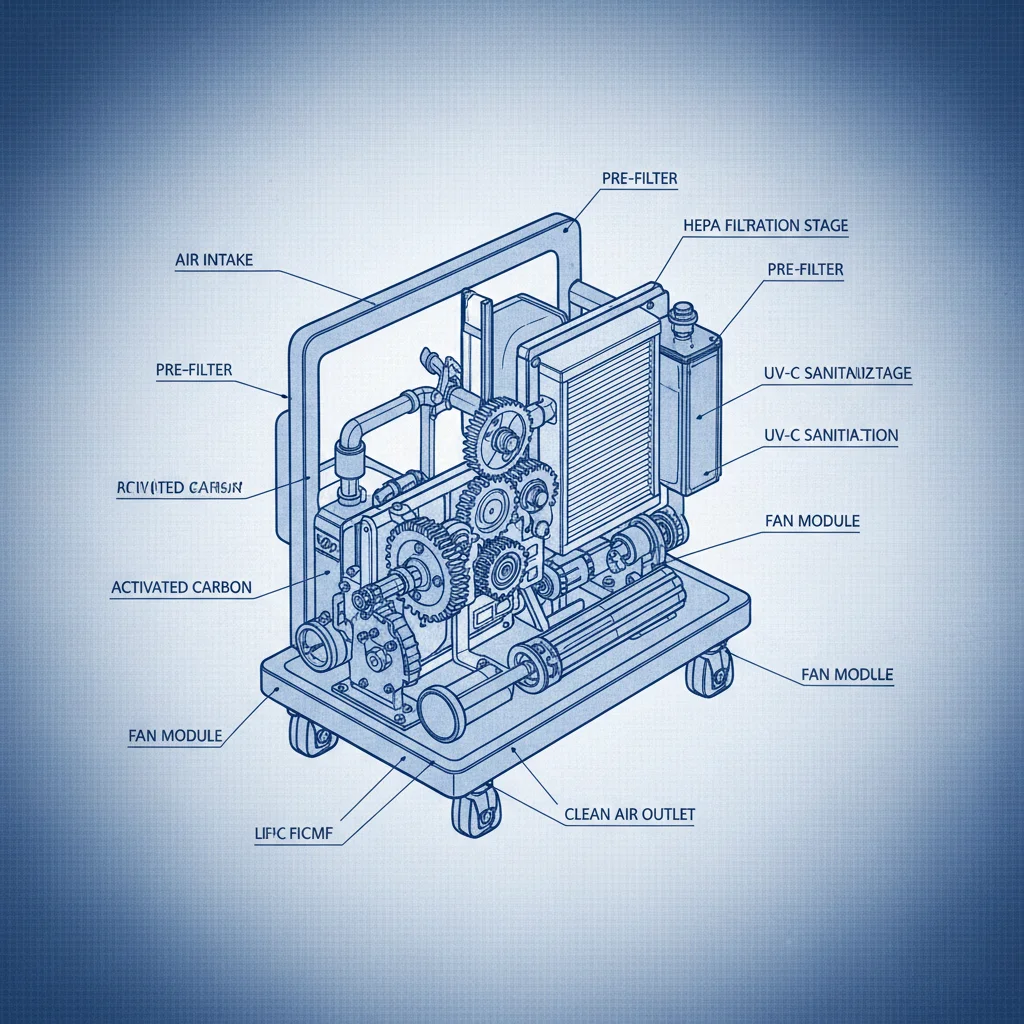
The efficacy of a photocatalytic air cleaner depends heavily on the quality of its catalyst substrate. High-surface-area honeycombs or ceramic foams are typically used to maximize the contact between the polluted air and the active TiO2 layer, ensuring that no pollutant bypasses the reaction zone.
Furthermore, the UV light source must be precisely calibrated. Whether using mercury-vapor lamps or emerging UV-LED technology, the wavelength must match the band-gap energy of the catalyst. This synergy is what allows the photocatalytic air cleaner to maintain consistent performance even in varying humidity levels.
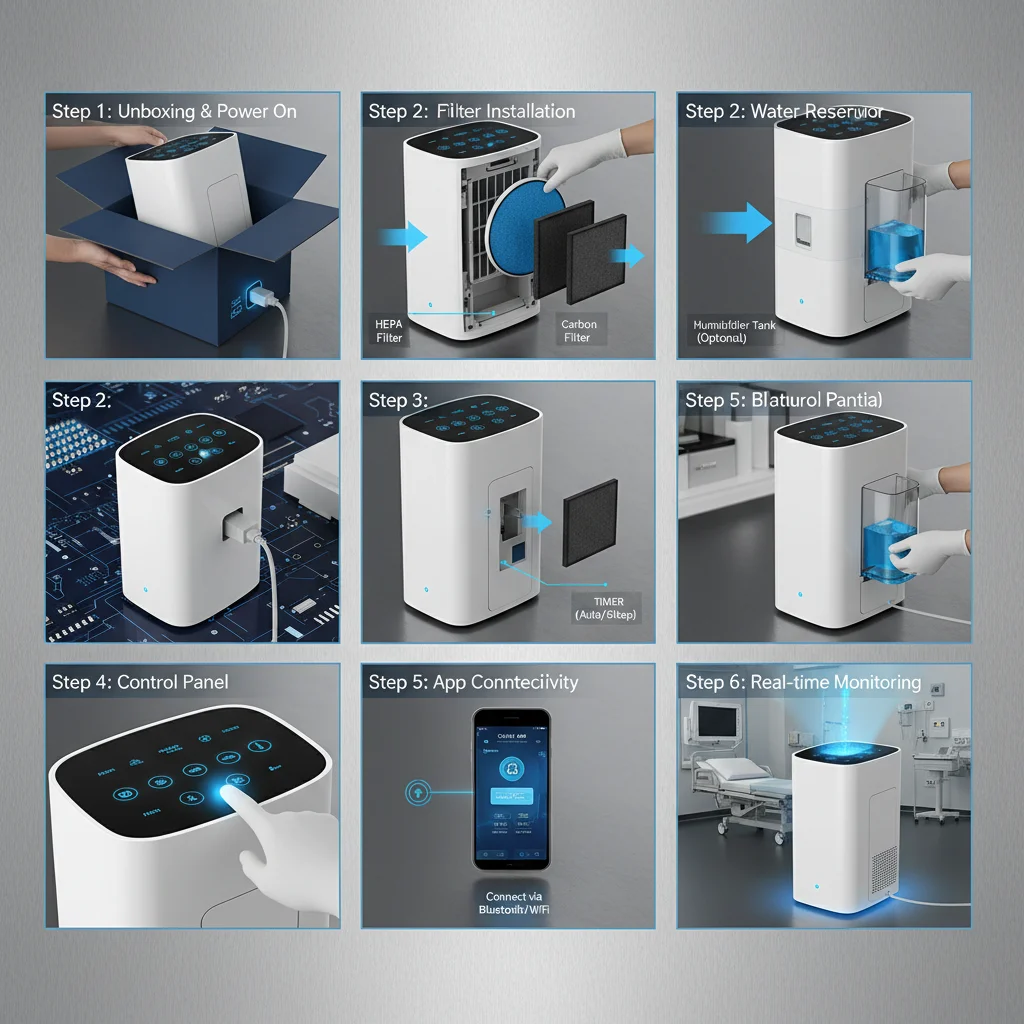
Lastly, scalability is a key factor. From small, portable units used in home care to massive industrial purification engineering projects, the modular design of modern photocatalytic systems allows them to be integrated into existing HVAC ducts or used as standalone medical-grade air purifiers.
Performance Metrics and Efficiency Analysis
When evaluating a photocatalytic air cleaner, the primary metrics are the Clean Air Delivery Rate (CADR) and the degradation rate of specific VOCs. Unlike traditional filters, photocatalytic systems are measured by their ability to eliminate chemical markers over time, rather than just the size of particles captured.
To optimize performance, engineers focus on the residence time—the duration air spends in contact with the catalyst. By balancing airflow speed with catalyst density, manufacturers can ensure a near-100% kill rate for airborne pathogens while maintaining a low energy footprint.
Comparison of Air Purification Method Efficiency
Diverse Applications Across Global Industries
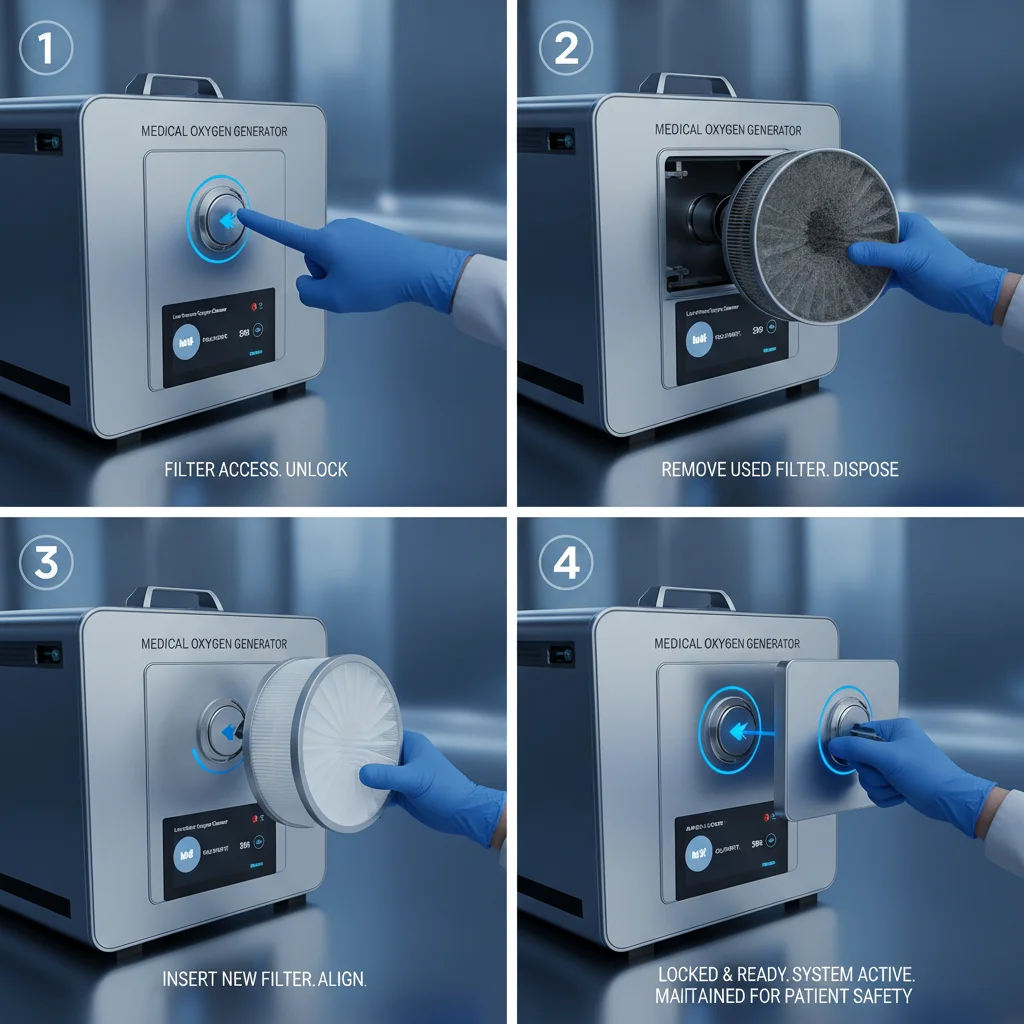
The application of a photocatalytic air cleaner extends far beyond the residential market. In the medical field, these devices are indispensable in operating rooms and isolation wards to prevent cross-contamination. They are frequently paired with medical oxygen generators to ensure that the air surrounding the patient is free from bio-aerosols.
In industrial zones, such as chemical processing plants or pharmaceutical labs, these systems are used to scrub hazardous fumes from the air before they are released into the atmosphere. This not only protects the workforce but also ensures compliance with strict international environmental regulations regarding air emissions.
Long-term Value and Sustainability Benefits
Investing in a photocatalytic air cleaner offers significant long-term financial and environmental advantages. Unlike HEPA filters that require frequent, costly replacements and create substantial landfill waste, photocatalytic catalysts are semi-permanent and only require occasional cleaning or UV lamp replacement.
From a psychological perspective, the use of this technology in public spaces fosters a sense of safety and trust. In a post-pandemic world, the visible presence of advanced purification technology signals a commitment to health and dignity, making it a preferred choice for luxury hotels, airports, and high-end medical centers.
Furthermore, the energy efficiency of modern UV-LED based photocatalytic systems reduces the overall carbon footprint of building maintenance. By optimizing the air quality through chemical decomposition rather than high-pressure mechanical filtration, operational costs are lowered while air purity is increased.
Future Trends in Air Purification Technology
The future of the photocatalytic air cleaner lies in the development of visible-light-active catalysts. Currently, most systems rely on UV light, but new research into doped titanium dioxide allows these reactions to occur under natural sunlight, potentially leading to "self-cleaning" building facades and interior walls.
Digital transformation is also playing a role, with the integration of IoT sensors that monitor real-time pollutant levels and adjust the UV intensity of the cleaner automatically. This automation ensures maximum efficiency and extends the lifespan of the hardware by avoiding unnecessary operation.
As green energy becomes the standard, we expect to see these systems powered entirely by integrated solar panels, making them ideal for remote medical stations in developing nations. This fusion of sustainable energy and advanced chemistry will democratize access to clean air worldwide.
Technological Comparison of Photocatalytic Air Cleaner Generations
| Generation |
Catalyst Material |
Light Source |
Maintenance Cycle |
| Gen 1 (Basic) |
Pure TiO2 Powder |
UV-C Mercury Lamp |
6 Months |
| Gen 2 (Standard) |
Ceramic TiO2 Coating |
UV-A/C Hybrid |
12 Months |
| Gen 3 (Advanced) |
Nano-composite TiO2 |
UV-LED Array |
24 Months |
| Gen 4 (Smart) |
Doped Semiconductor |
Visible Light/LED |
36 Months |
| Industrial Grade |
Honeycomb TiO2 |
High-Power UV-C |
18 Months |
| Eco-Series |
Biopolymer Hybrid |
Solar-Powered LED |
48 Months |
FAQS
While a HEPA filter acts as a physical sieve that traps particles, a photocatalytic air cleaner uses a chemical reaction to decompose pollutants. HEPA filters are excellent for dust and pollen but cannot destroy VOCs or viruses; a photocatalytic system actively breaks these down into harmless water and CO2, preventing the filter from becoming a breeding ground for bacteria.
Yes, professional-grade photocatalytic cleaners are designed with enclosed reaction chambers. The UV light is contained within the device and never comes into direct contact with the user. The air that exits the device is purified and contains no harmful radiation, making it safe for use in occupied rooms and medical settings.
One of the primary advantages of this technology is the longevity of the catalyst. Unlike carbon filters, the TiO2 catalyst is not "consumed" by the reaction. Depending on the environment, the catalyst itself can last for many years, though the UV lamps typically require replacement every 8,000 to 12,000 hours of operation to maintain peak efficiency.
Absolutely. Odors and smoke are caused by organic volatile compounds. The hydroxyl radicals produced by a photocatalytic air cleaner attack these molecules and break them apart. This makes them significantly more effective than standard air fresheners, which merely mask smells, by actually removing the odor-causing agents from the air.
Modern systems, especially those utilizing UV-LEDs, are highly energy-efficient. Because they don't require the extreme air pressure that high-grade HEPA filters do, the fans can run at lower speeds, reducing electricity consumption. The long lifespan of the components further reduces the energy costs associated with manufacturing and shipping replacement filters.
Yes, they are highly recommended for use in conjunction with hyperbaric chambers and medical oxygen systems. Ensuring that the air being pumped into a chamber is sterile is critical. Integrating a photocatalytic stage prevents the circulation of pathogens, ensuring a sterile environment for the patient and reducing the risk of secondary infections.
Conclusion
The integration of the photocatalytic air cleaner into modern air quality management marks a significant leap forward in environmental health. By moving beyond simple filtration to active molecular decomposition, this technology addresses the root cause of airborne pollutants, providing a sterile, sustainable, and cost-effective solution for both industrial and medical applications.
As we look toward a future defined by smarter cities and more resilient healthcare systems, the adoption of photocatalytic oxidation will be pivotal. We encourage facility managers and health professionals to transition toward these advanced systems to ensure the highest standards of safety and air purity. For more information on integrating these solutions, visit our website: www.storeoxygen.com