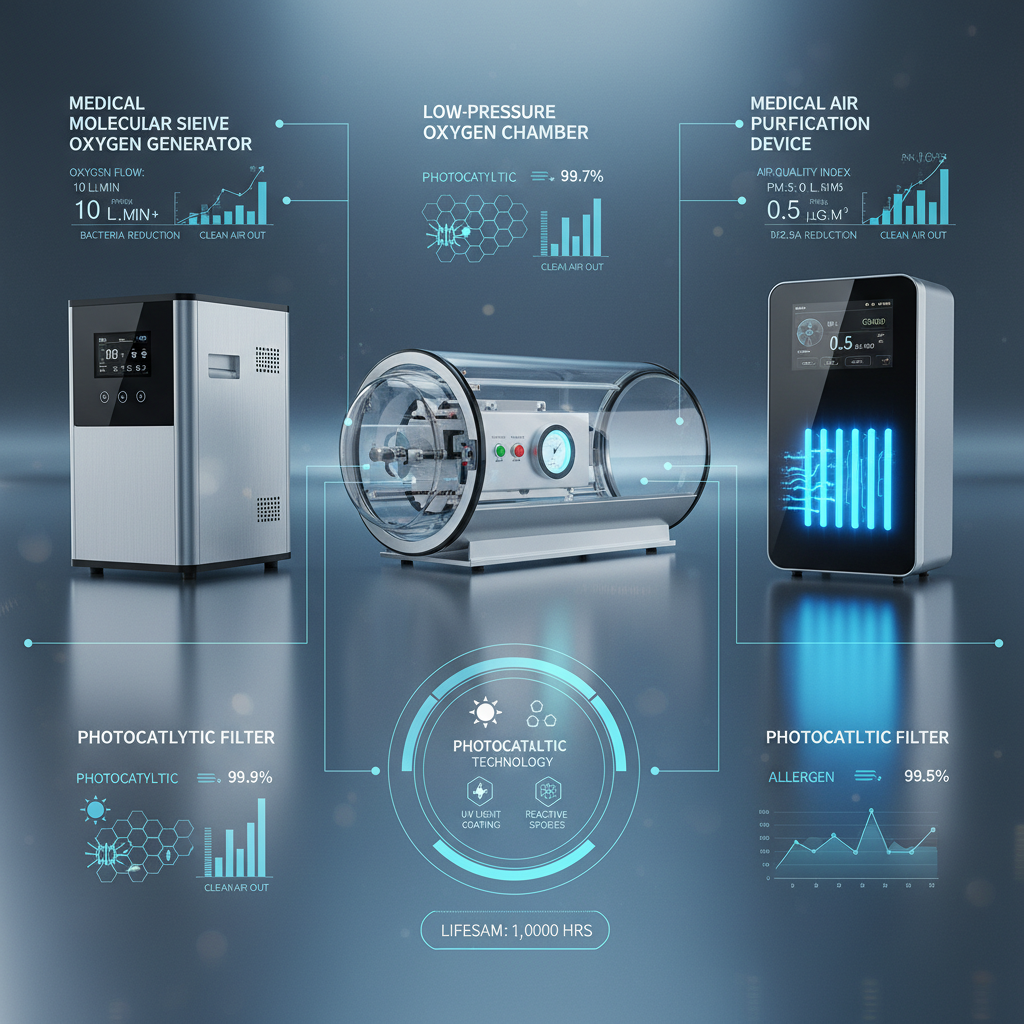
In the critical landscape of medical air purification and oxygen generation, the integration of a photocatalytic filter represents a paradigm shift in how we handle airborne contaminants. Unlike traditional mechanical filtration, which merely traps particles, these advanced systems utilize a chemical reaction to actively decompose organic pollutants and pathogens, ensuring that the air delivered to patients in hyperbaric chambers or oxygen concentrators is of the highest purity.
Globally, the demand for sterilized environments has surged, driving the adoption of photocatalytic technology across clinical settings. From the prevention of healthcare-associated infections (HAIs) to the maintenance of sterile air in high-pressure oxygen environments, the photocatalytic filter serves as a silent guardian, neutralizing volatile organic compounds (VOCs) and biological aerosols that conventional HEPA filters might struggle to eliminate entirely.
Understanding the mechanism and application of the photocatalytic filter is essential for healthcare facility managers and medical equipment engineers. By transitioning from passive filtration to active molecular destruction, medical institutions can significantly enhance patient safety, reduce the frequency of filter replacements, and align their operations with the strictest international air quality standards.
Global Relevance and Industry Context of Photocatalytic Filters
The global healthcare industry is currently facing an unprecedented challenge in air quality management. According to data aligned with ISO 14644 standards for cleanrooms, the presence of microscopic VOCs and airborne pathogens in medical environments can lead to severe complications during oxygen therapy. The photocatalytic filter has emerged as a critical solution to address these vulnerabilities, moving beyond simple particle capture to full molecular degradation.
In regions with high urban pollution or in hospitals managing infectious diseases, the reliance on standard filtration is no longer sufficient. By implementing photocatalytic oxidation (PCO), medical equipment manufacturers can guarantee that air entering a Multi-Person Hyperbaric Chamber or a Medical Oxygen Generator is free from hazardous chemical residues, thereby protecting the most vulnerable patients from secondary contamination.
Defining the Mechanism of Photocatalytic Filtration
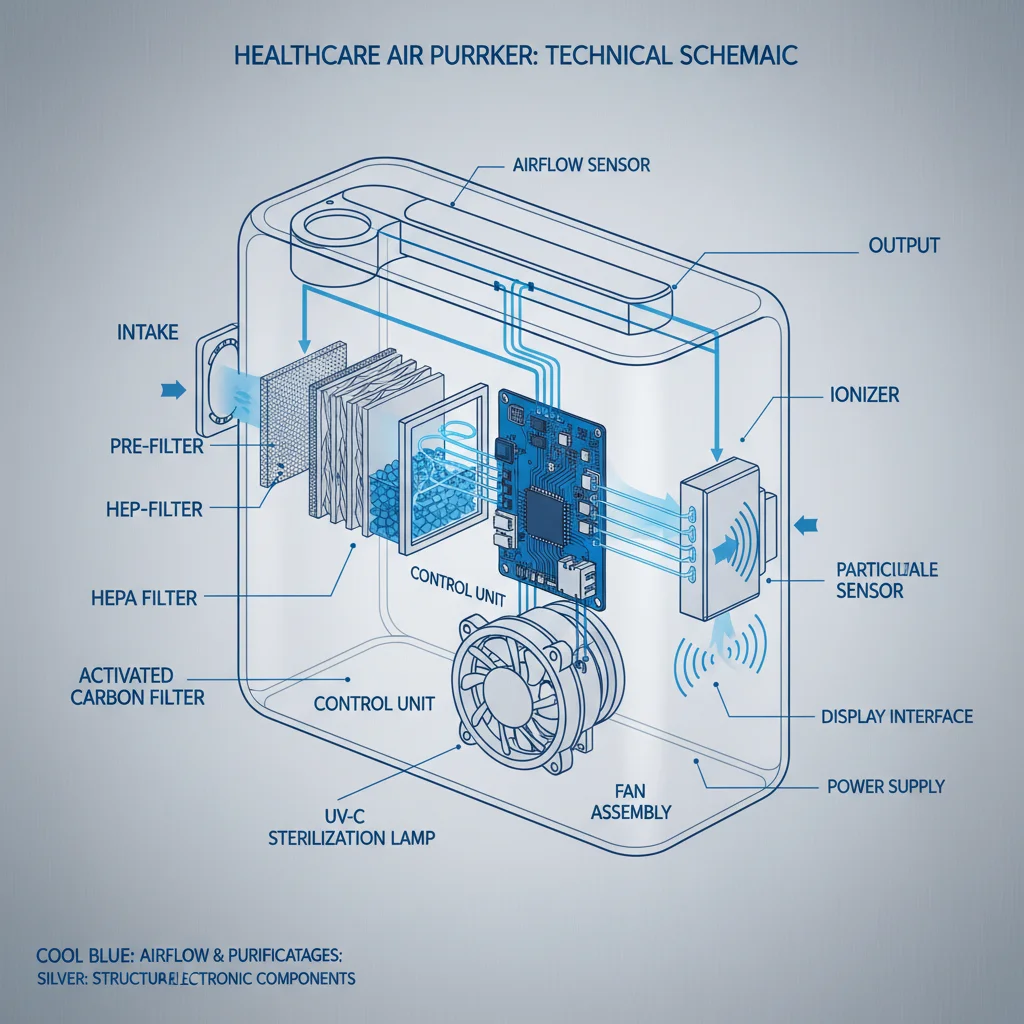
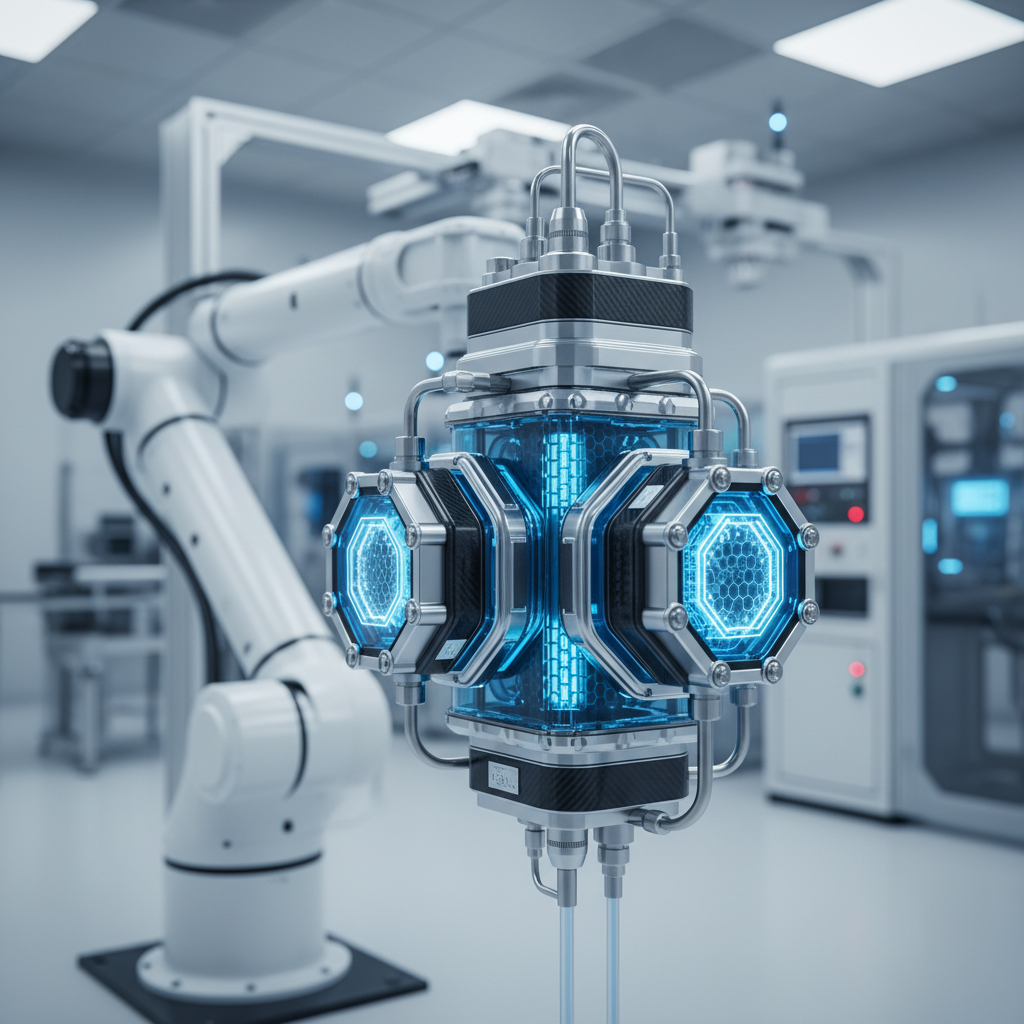
At its core, a photocatalytic filter is a sophisticated air purification device that utilizes a semiconductor catalyst—typically titanium dioxide (TiO2)—activated by ultraviolet (UV) light. When UV rays hit the catalyst surface, they create electron-hole pairs that react with moisture and oxygen in the air to produce hydroxyl radicals (•OH). These radicals are incredibly powerful oxidizing agents capable of breaking down complex organic molecules into harmless substances like water and carbon dioxide.
This process differs fundamentally from HEPA filtration. While HEPA acts as a physical sieve, the photocatalytic filter acts as a chemical incinerator at the molecular level. This makes it exceptionally effective against odors, viruses, and bacteria that are too small to be trapped by physical fibers, ensuring a sterile air stream for critical medical devices.
In the context of modern medical manufacturing, this technology is indispensable for maintaining the integrity of high-pressure environments. By incorporating these filters into air disinfection machines, hospitals can maintain a constant state of biological decontamination without the need for excessive chemical sprays, which could otherwise contaminate the breathable oxygen supply.
Core Components for Maximum Air Purity
The efficacy of a photocatalytic filter depends heavily on the quality of its catalyst coating. The surface area of the TiO2 must be maximized to allow for a higher number of active sites where the photocatalytic reaction can occur, ensuring that even at high airflow rates, contaminants are effectively neutralized.
Another critical component is the UV light source. Whether utilizing UVC lamps or specialized UV-LEDs, the wavelength must precisely match the energy gap of the catalyst to trigger the reaction. A high-performance photocatalytic filter integrates these light sources to provide uniform coverage across the catalyst substrate, preventing "dead zones" where pollutants could pass through untreated.
Finally, the substrate material—often a ceramic honeycombed structure or a specialized polymer mesh—plays a vital role in balancing pressure drop and filtration efficiency. A well-designed photocatalytic filter ensures that air flows smoothly into the oxygen generator without taxing the system's compressor, maintaining operational efficiency while delivering clinical-grade purity.
Practical Applications in Medical Oxygen Systems
The application of the photocatalytic filter extends across various medical modalities. In high-pressure environments, such as the Space Aluminum Capsule or the Polymer Cloud Station, these filters prevent the accumulation of stale air and hazardous VOCs, which is crucial because pressure increases the potency of any inhaled pollutants. By neutralizing these toxins, the filter ensures the therapeutic benefits of hyperbaric oxygen therapy (HBOT) are not compromised.
Furthermore, in Medical Psa Oxygen Generators, the integration of photocatalytic stages helps in removing trace organic impurities that can poison the molecular sieve. This not only protects the patient but also extends the lifespan of the zeolite material, reducing long-term maintenance costs for the hospital.
Performance Comparison of Air Purification Methods
Long-Term Value and Sustainability Benefits
Investing in a photocatalytic filter provides significant long-term economic and environmental value. Unlike carbon filters that saturate and require frequent replacement, the photocatalytic catalyst is not consumed by the reaction; it is a facilitator. This means the primary cost is shifted from recurring material replacement to a minimal electricity cost for the UV source, drastically reducing the waste stream of used filters in medical facilities.
From a safety perspective, the value is immeasurable. The ability to eliminate odors and pathogens in real-time provides patients in Single Person Horizontal Oxygen Chambers a sense of dignity and security. Knowing that the air is being actively purified creates a trust-based environment, which is a critical component of the psychological healing process in long-term medical care.
Emerging Trends in Photocatalytic Innovation
The future of the photocatalytic filter is leaning toward "Visible Light Photocatalysis." Current systems rely on UV light, but new dopants—such as nitrogen or noble metals—are being added to TiO2 to allow the filter to be activated by standard LED or even natural light. This would further reduce energy consumption and allow for the integration of purification systems into the very walls of medical centers.
Another significant trend is the development of nano-structured catalysts. By creating "nanoflowers" or "nanotubes" of catalyst material, engineers are increasing the active surface area by orders of magnitude. This allows for smaller, more compact photocatalytic filter units that can be integrated into portable 3L or 5L Oxygen Concentrators without sacrificing power.
Furthermore, the integration of IoT sensors is enabling "smart filtration." Future systems will monitor the air quality in real-time and adjust the intensity of the UV light based on the pollutant load, optimizing the lifespan of the lamp and ensuring that the air in a Vertical Cylindrical Oxygen Chamber remains pristine regardless of the external environment.
Overcoming Technical Challenges in Implementation
Despite its advantages, implementing a photocatalytic filter is not without challenges. One primary concern is the potential for "incomplete oxidation," where large organic molecules are only partially broken down, potentially creating intermediate by-products. To solve this, engineers employ a multi-stage approach, combining the photocatalytic stage with a final polishing carbon layer to capture any residual fragments.
Another challenge is catalyst "poisoning," where certain inorganic salts or heavy metals coat the surface of the TiO2, blocking the active sites. The solution lies in the implementation of a pre-filtration stage—using a coarse mesh and a HEPA filter—to remove large particulates and aerosols before they reach the photocatalytic filter, thus preserving the catalyst's activity over years of service.
Lastly, the management of UV leakage is a critical safety requirement in medical devices. By using shielded aluminum housings and specialized quartz glass, manufacturers ensure that UV radiation is contained within the filter assembly, preventing any exposure to the patient or the operator while maintaining maximum irradiation of the catalyst surface.
Comparative Analysis of Photocatalytic Filter Implementation Strategies
| Strategy Model |
Initial Cost |
Maintenance Level |
Purification Efficiency |
| Standard UV-TiO2 |
Moderate |
Low (Lamp only) |
High |
| Nano-Doped Catalyst |
High |
Very Low |
Ultra-High |
| Hybrid HEPA-PCO |
Moderate |
Medium (HEPA replace) |
Maximum |
| LED-Based PCO |
Moderate |
Very Low |
Medium-High |
| Multi-Stage Cascade |
Very High |
Medium |
Ultra-High |
| Passive Solar PCO |
Low |
Very Low |
Low-Medium |
FAQS
A HEPA filter works through mechanical trapping, catching particles in a dense web of fibers. In contrast, a photocatalytic filter uses a UV-activated catalyst to chemically decompose pollutants into water and CO2. While HEPA filters stop particles, photocatalytic filters destroy them, making them more effective against VOCs and odors.
Yes, when properly engineered. The filter is designed to operate as a pre-treatment stage for the air entering the chamber. By neutralizing organic contaminants before they are compressed, it ensures the air is pure. High-quality units use shielded housings to ensure no UV light leaks into the patient area.
One of the primary advantages of this technology is that the catalyst itself is not consumed. Unlike carbon filters, the TiO2 coating lasts for years. The only components requiring periodic replacement are the UV lamps (typically every 8,000 to 12,000 hours) and any accompanying pre-filters used to protect the catalyst.
Absolutely. The hydroxyl radicals produced by the photocatalytic process attack the protein shells and lipid membranes of viruses and bacteria, effectively neutralizing them. This makes the technology ideal for medical air purifiers and air disinfection machines in clinical settings.
Energy consumption is very low, as it is limited to the power required to run the UV lamps or LEDs. Modern UV-LED implementations have further reduced this footprint, making it cost-effective for 24/7 operation in medical centers and oxygen supply systems.
Most industrial-grade systems include UV intensity sensors and hour-meters. Since the catalyst doesn't "wear out" in a traditional sense, monitoring the UV light output is the best way to ensure the filter is performing at peak efficiency. A drop in UV intensity usually signals it is time for a lamp change.
Conclusion
The implementation of the photocatalytic filter marks a significant evolution in medical air purification. By combining the power of UV light with advanced semiconductor catalysts, these systems provide a comprehensive solution to the challenges of VOCs, pathogens, and biological contaminants. Whether integrated into a high-tech Hyperbaric Chamber or a standard Medical Oxygen Generator, the technology ensures a level of air purity that physical filtration alone cannot achieve, safeguarding both patient health and equipment longevity.
Looking forward, the transition toward visible-light activation and nano-structured catalysts promises even greater efficiency and sustainability. For medical providers and equipment manufacturers, adopting this technology is not merely an upgrade but a commitment to the highest standards of clinical safety and innovation. To learn more about integrating these advanced filtration solutions into your medical infrastructure, visit our website: www.storeoxygen.com.