In an era where air quality has become a critical determinant of public health, the emergence of the battery air purifier represents a significant leap in environmental control technology. These devices bridge the gap between stationary purification systems and the need for mobile, high-efficiency air filtration in diverse settings, ensuring that breathable air remains clean regardless of the proximity to a power grid.
The global demand for portable air solutions has surged as urban pollution and respiratory sensitivities increase. A battery air purifier provides a failsafe mechanism for those in medical transit, remote industrial sites, or disaster-stricken areas where electricity is unreliable, offering a lifeline of filtered air that mitigates the risk of airborne pathogens and particulate matter.
Understanding the technical synergy between high-capacity energy storage and advanced filtration media is essential for optimizing these devices. By integrating medical-grade HEPA filters with long-lasting battery cells, the battery air purifier transforms from a simple gadget into a critical piece of health infrastructure, promoting safety, mobility, and peace of mind for users worldwide.
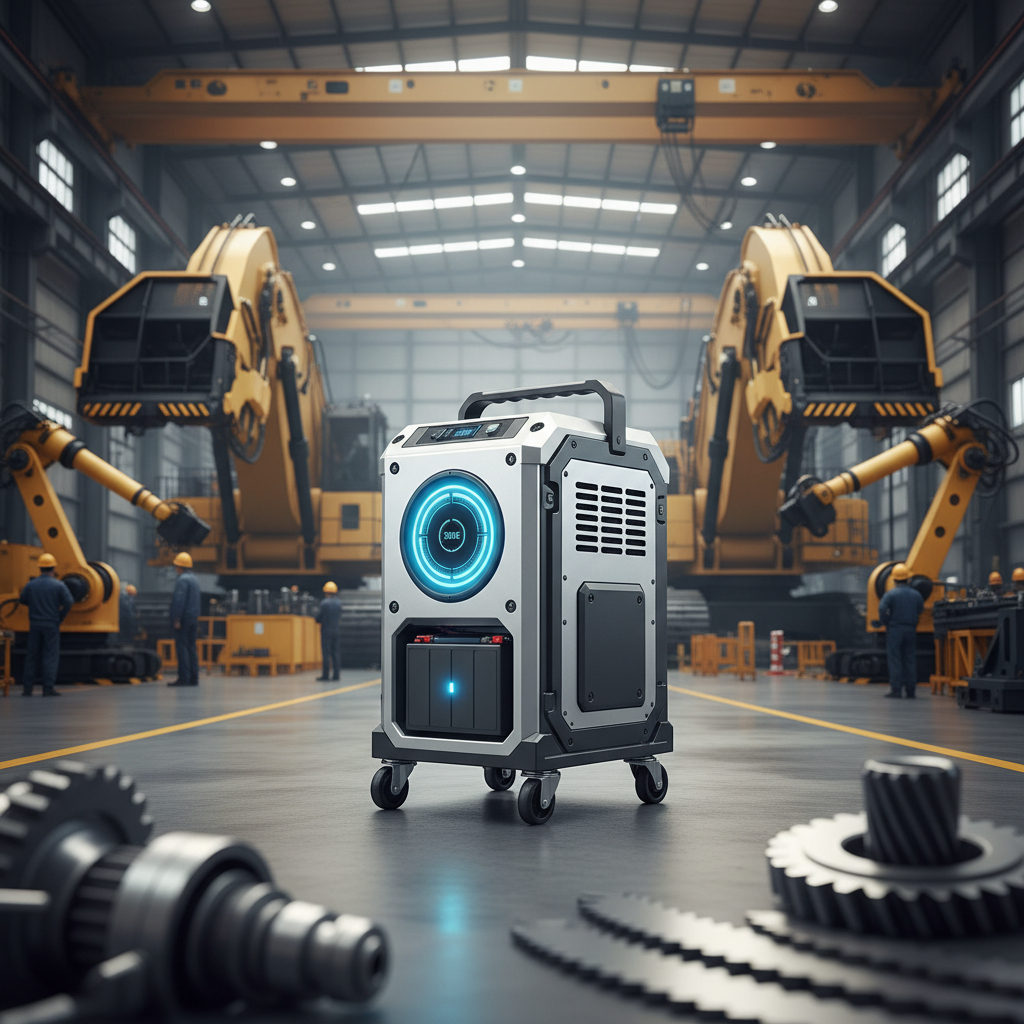
Global Relevance of Battery Air Purifiers
On a global scale, the prevalence of respiratory ailments has forced a rethink of how we manage air quality in non-traditional environments. According to World Health Organization (WHO) data, a vast majority of the global population breathes air that exceeds safe pollutant limits, making the mobility of a battery air purifier a necessity rather than a luxury for those with chronic obstructive pulmonary disease (COPD) or severe asthma.
The challenge lies in the "last mile" of air purification—providing clean air in ambulances, temporary field hospitals, and remote research stations. The implementation of battery-powered solutions ensures that the chain of care is not broken when patients are moved from a central oxygen supply system to a portable transport unit, effectively eliminating the risk of environmental contamination during critical transitions.
Defining the Battery Air Purifier in Modern Healthcare
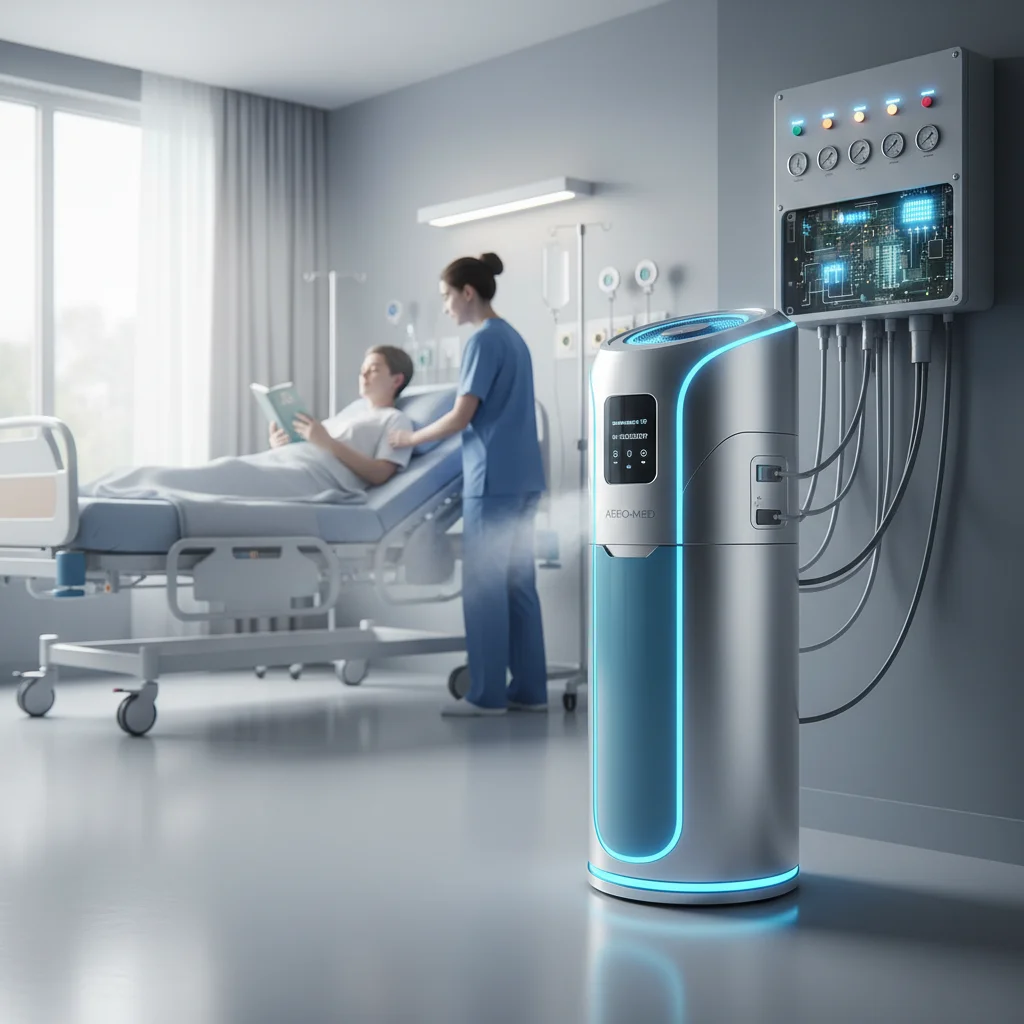
In simple terms, a battery air purifier is an autonomous air filtration system that utilizes an internal energy source to power a fan and a series of filters, removing particulates, allergens, and pathogens from the immediate environment. Unlike traditional plug-in units, these devices provide a "clean air bubble" that follows the user, making them indispensable for patient transport and mobile clinics.
From an industrial perspective, these devices are a convergence of electrochemical energy storage and fluid dynamics. They are engineered to maintain high Clean Air Delivery Rates (CADR) while managing the energy constraints of lithium-ion or lithium-polymer batteries, ensuring that the air remains medical-grade even in the absence of AC power.
This technology directly addresses the humanitarian need for air quality control in regions with unstable electrical grids. By decoupling air purification from the wall socket, the battery air purifier enables the deployment of high-standard medical environments in the most challenging geographical locations, from mountainous plateau regions to flood-affected plains.
Core Components of High-Efficiency Portable Purification
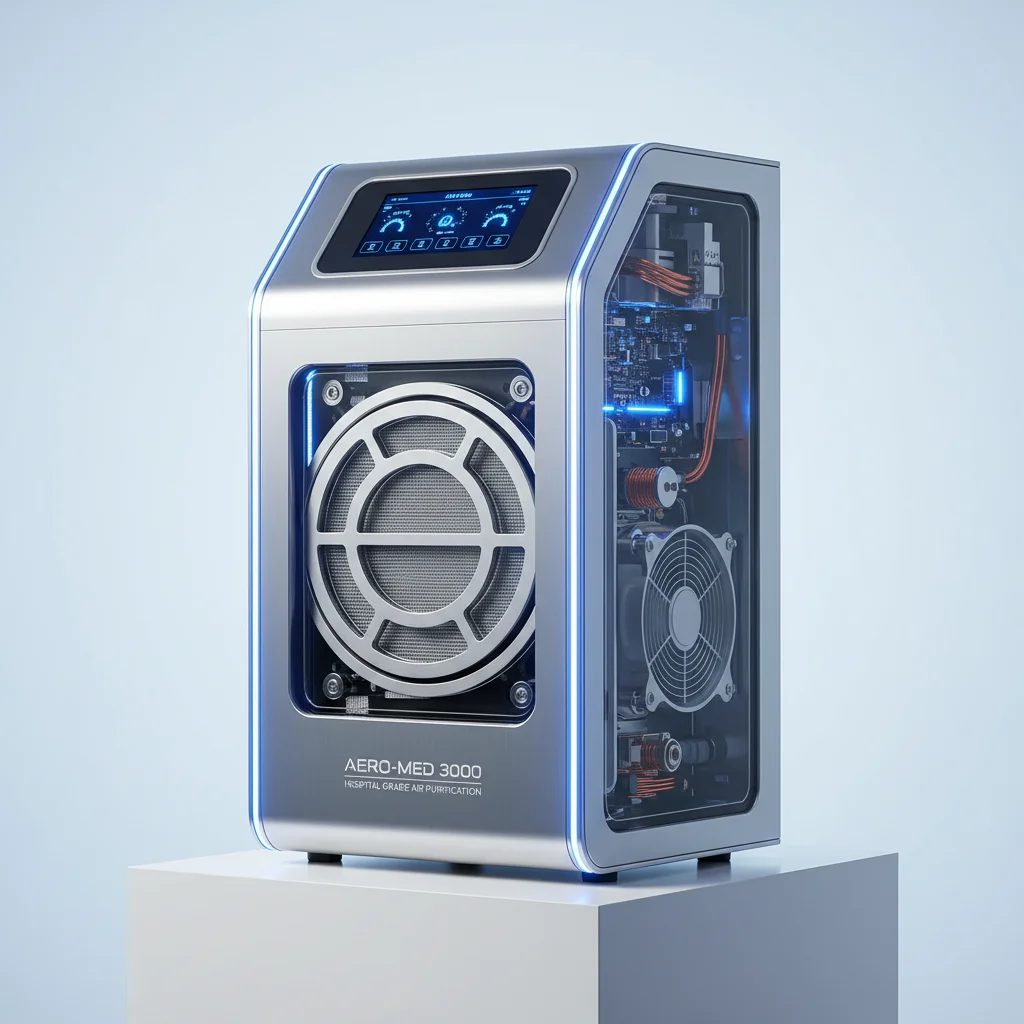
The foundation of any professional-grade battery air purifier is its filtration stack. Typically, this involves a pre-filter for large particles, a HEPA (High-Efficiency Particulate Air) filter for microscopic pollutants, and often an activated carbon layer to neutralize volatile organic compounds (VOCs), ensuring a comprehensive cleaning process.
Power management is the second critical pillar. A high-performance battery air purifier must balance the energy draw of the brushless DC motor with battery longevity. Intelligent BMS (Battery Management Systems) are employed to prevent overheating and ensure a steady flow of power, which is vital for devices used in medical settings where downtime is not an option.
Lastly, the chassis and airflow design determine the device's effectiveness. A well-engineered battery air purifier utilizes aerodynamic housing to maximize air intake while minimizing noise pollution, which is particularly important in patient recovery areas or "silent chambers" where auditory stress must be kept to a minimum.
Performance Metrics and Efficiency Standards
Evaluating a battery air purifier requires looking beyond simple "on/off" functionality. Key performance indicators include the CADR (Clean Air Delivery Rate), the noise-to-filtration ratio, and the discharge rate of the battery under maximum load. These metrics allow healthcare providers to calculate exactly how many hours of clean air are available per charge.
Moreover, the scalability of the filtration system allows for different configurations depending on the room volume. While a small portable unit may suffice for a single patient, modular battery systems can be linked to create a more powerful purification zone, ensuring that the air quality remains consistent across various operational scales.
Comparative Efficiency of Battery Air Purifier Configurations
Global Applications and Real-World Use Cases
In post-disaster relief operations, the battery air purifier becomes a cornerstone of temporary medical tents. When traditional HVAC systems are destroyed, these portable units prevent the spread of opportunistic infections among vulnerable populations, ensuring that the triage area remains a sterile environment.
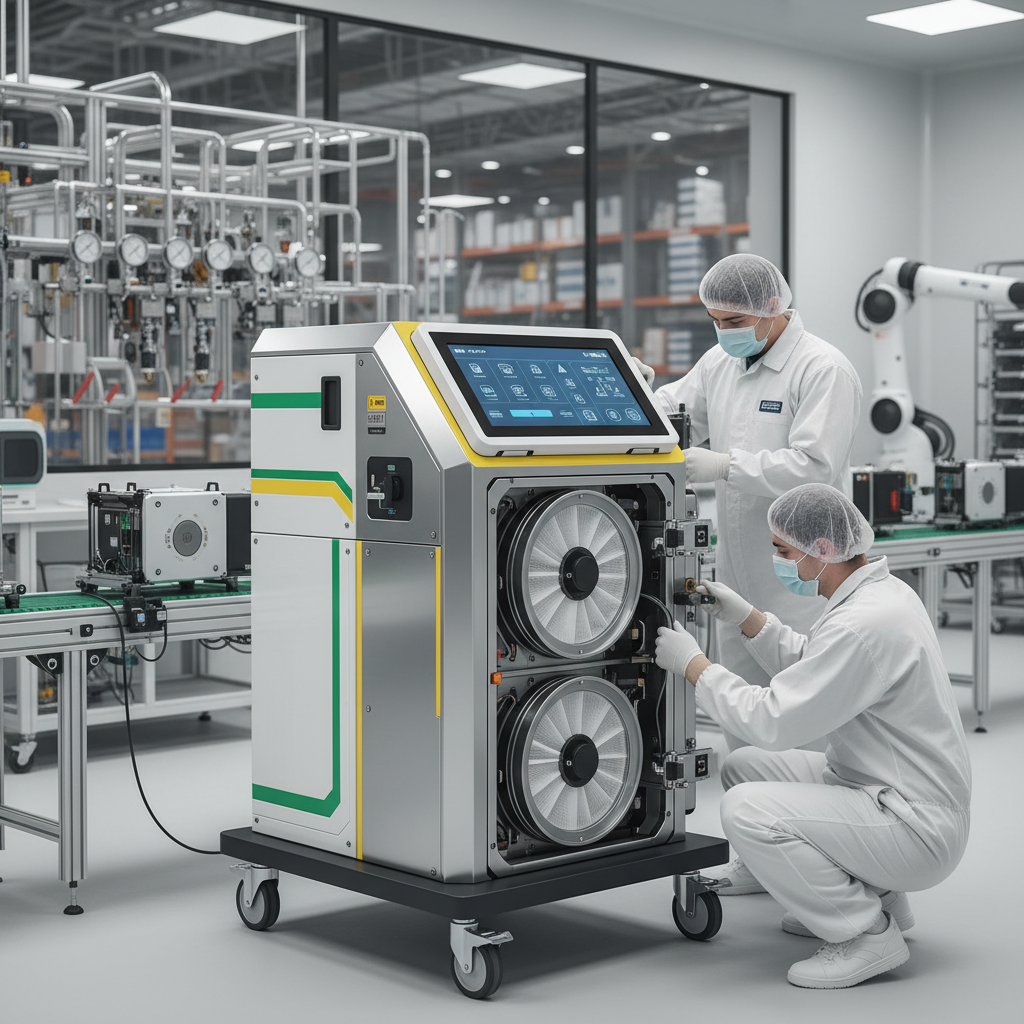
Beyond emergency response, these devices are widely used in high-tech manufacturing and pharmaceutical labs. In "clean room" transitions or during the transport of sensitive biological samples, a battery air purifier maintains the required particulate count, preventing costly contamination that could ruin entire batches of medical products.
Long-Term Value and Sustainability Impact
The investment in a high-quality battery air purifier yields tangible long-term benefits by reducing the incidence of hospital-acquired infections (HAIs). By creating localized zones of pure air, healthcare facilities can lower the overall viral load in corridors and waiting rooms, leading to better patient outcomes and reduced recovery times.
From a sustainability perspective, the shift toward energy-efficient brushless motors and recyclable filter media is reducing the environmental footprint of air purification. Modern devices are designed for longevity, with user-replaceable filters and modular battery packs that prevent the entire unit from becoming e-waste when a single component fails.
Ultimately, the value of this technology is measured in human dignity and safety. For a patient relying on oxygen therapy, the assurance that the air they breathe is free from pollutants—even during a power outage—provides a level of psychological security that is as important as the physical filtration itself.
Future Trends in Battery Air Purification Technology
The next generation of the battery air purifier is moving toward "Smart Purification." This involves the integration of IoT sensors that detect real-time PM2.5 levels and automatically adjust the fan speed to conserve battery life while maintaining air quality, effectively creating an autonomous environmental response system.
We are also seeing a transition toward solid-state batteries, which offer higher energy density and improved safety over traditional liquid electrolytes. This will allow battery air purifiers to operate for significantly longer durations on a single charge, making them viable for multi-day remote expeditions or extended emergency deployments.
Furthermore, the integration of UVC-LED sterilization within the filtration path is becoming standard. This not only filters the air but actively destroys the DNA of captured pathogens, preventing the filter from becoming a reservoir of bacteria and extending the overall lifespan of the purification media.
Technical Analysis of Battery Air Purifier Evolution
| Technology Generation |
Power Source |
Filtration Method |
Operational Life |
| Early Portable |
Lead-Acid |
Simple Mesh |
2-4 Hours |
| Standard Medical |
Li-ion |
HEPA H13 |
8-12 Hours |
| Smart Portable |
Li-Polymer |
HEPA + Carbon |
15-20 Hours |
| Sterile-Flow |
High-Density Li |
HEPA + UVC-LED |
24+ Hours |
| Next-Gen Solid |
Solid-State |
Nano-Fiber + UVC |
48+ Hours |
| Industrial Modular |
Swappable Packs |
Multi-Stage HEPA |
Continuous |
FAQS
Depending on the model and the fan speed setting, most professional battery air purifiers last between 8 to 24 hours. High-efficiency models utilizing brushless motors and optimized battery management systems can extend this duration, while those running at maximum CADR for medical sterilization will consume power more quickly. Always check the mAh rating of the battery against the wattage of the motor for an accurate estimate.
Yes, provided they are equipped with H13 or H14 grade HEPA filters. These filters are designed to trap 99.97% of particles as small as 0.3 microns, which includes most viral droplets and bacterial spores. For enhanced protection, look for models that integrate UVC-LED technology, which actively neutralizes pathogens trapped in the filter, preventing any possibility of re-release into the air.
Safety is paramount. A battery air purifier intended for medical use must be certified for the specific environment it is placed in. In high-oxygen environments, devices must be spark-proof and have sealed electrical components to prevent ignition risks. Always verify that the device meets the necessary medical certifications and is compatible with the specific atmospheric conditions of your oxygen equipment.
Filter lifespan varies based on the air quality of the environment. In a standard clinical setting, HEPA filters typically last 6 to 12 months. However, in high-pollution areas or disaster zones, they may need replacement every 2 to 3 months. Many modern battery air purifiers include filter-life indicators that notify the user when the airflow is restricted and a change is required for optimal performance.
Most high-end portable purifiers are designed with "Silent Mode" or "Night Mode," operating below 30-40 decibels, which is comparable to a quiet library. By using precision-balanced fans and sound-dampening housing, manufacturers ensure that the device can provide essential air cleaning without adding to the sensory stress of a patient in a recovery or sleep chamber.
Many modern battery air purifiers support DC input, making them compatible with portable solar generators or vehicle power outlets. For long-term remote deployments, using a solar-charging array ensures that the air purification remains continuous, which is critical for maintaining sterile environments in areas without any access to a traditional electrical grid.
Conclusion
The integration of the battery air purifier into the broader ecosystem of medical and industrial equipment marks a pivotal shift toward mobile health security. By combining high-grade HEPA filtration with advanced energy storage, these devices ensure that the fundamental right to clean air is maintained regardless of location or power availability. From enhancing patient transport safety to providing critical air quality in disaster zones, the technical evolution of these units reflects a deeper commitment to resilience and public health.
Looking forward, the synergy between AI-driven air sensing and solid-state battery technology will likely render traditional stationary purifiers secondary in many critical applications. We recommend that healthcare facilities and industrial operators prioritize the adoption of modular, energy-efficient purification systems to future-proof their operations. To explore the highest standards in air purification and oxygen solutions, visit our website: www.storeoxygen.com.