Hit enter to search or ESC to close
21 April 2026
Nitrogen is a crucial industrial gas with widespread applications across diverse sectors, from food processing and pharmaceuticals to electronics and chemical manufacturing. Understanding the industrial production of nitrogen is vital for businesses relying on a consistent and cost-effective supply. This article delves into the common methods of nitrogen production, their advantages, disadvantages, and key considerations for businesses. We’ll explore the intricacies of cryogenic distillation and pressure swing adsorption (PSA), offering a detailed look at how this essential gas is made available for countless industrial processes.
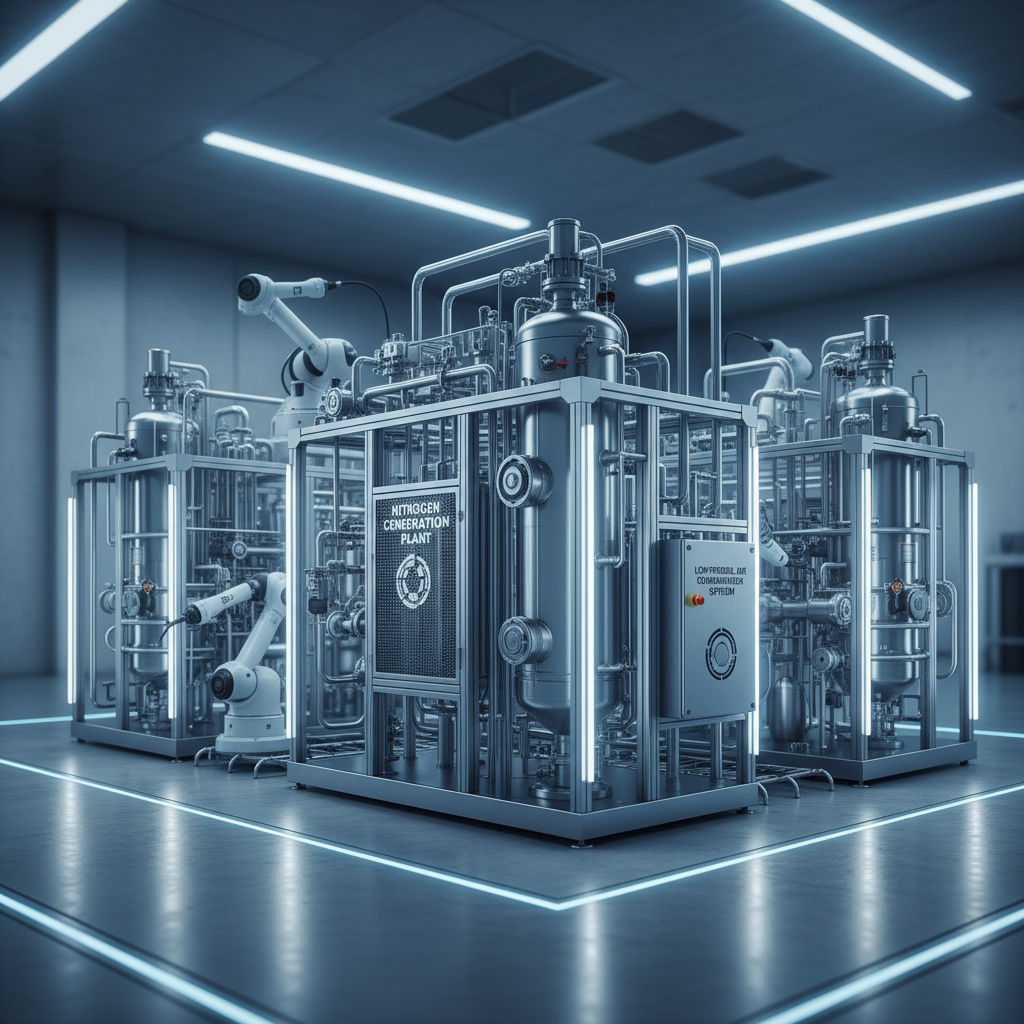
The majority of industrial nitrogen is produced as a byproduct of air separation. However, dedicated production methods also exist. The primary techniques include cryogenic distillation and pressure swing adsorption (PSA). Cryogenic distillation is a well-established process that leverages the different boiling points of air’s components. PSA, on the other hand, utilizes adsorbent materials to selectively separate nitrogen from air under pressure. Both methods offer distinct advantages depending on the scale of production and purity requirements. Selecting the right process is critical for cost-effectiveness and efficiency.
Key Consideration: The choice between cryogenic distillation and PSA hinges on factors like required nitrogen purity, daily volume, and capital investment considerations. For large-scale, high-purity nitrogen needs, cryogenic distillation typically prevails.
Cryogenic distillation is the most common method for producing high-purity nitrogen on a large scale. The process begins with filtering and compressing atmospheric air. This compressed air is then cooled to extremely low temperatures (below -196°C) until it liquefies. As the liquid air warms, its components – primarily nitrogen, oxygen, and argon – begin to boil off at different temperatures. Nitrogen, having the lowest boiling point, is separated first, collected, and further purified. This method achieves very high nitrogen purity levels, typically exceeding 99.999%.
Advantages of Cryogenic Distillation:
• High Purity: Achieves nitrogen purity levels up to 99.999%.
• Large Scale Production: Suitable for large volume nitrogen requirements.
• Co-Production: Allows for simultaneous production of oxygen and argon.
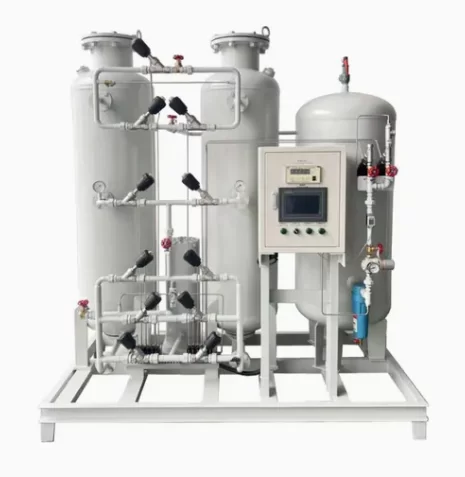
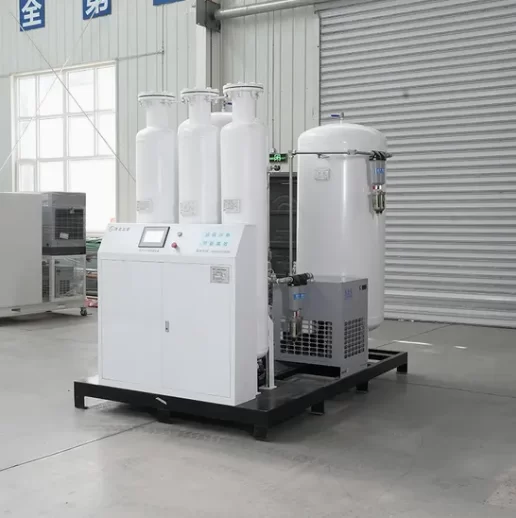
Pressure Swing Adsorption (PSA) offers a more decentralized and often more cost-effective alternative for producing nitrogen. PSA utilizes specialized adsorbent materials, such as carbon molecular sieves, that selectively adsorb oxygen from the air under high pressure. This leaves behind a nitrogen-rich gas stream. When the pressure is reduced, the adsorbed oxygen is released, regenerating the adsorbent material for another cycle. PSA systems are generally smaller and more flexible than cryogenic plants, making them suitable for on-site nitrogen generation.
The applications of industrial nitrogen are incredibly diverse. It’s widely used as a purging gas to prevent oxidation in chemical processes, as a cooling agent in food freezing, and as a blanketing gas to preserve product quality. The electronics industry uses nitrogen extensively in the manufacturing of semiconductors. In healthcare, liquid nitrogen is used for cryopreservation of biological samples. Furthermore, it plays a crucial role in metal processing, oil and gas recovery, and wastewater treatment. Store Oxygen provides reliable nitrogen solutions for a variety of industrial needs.
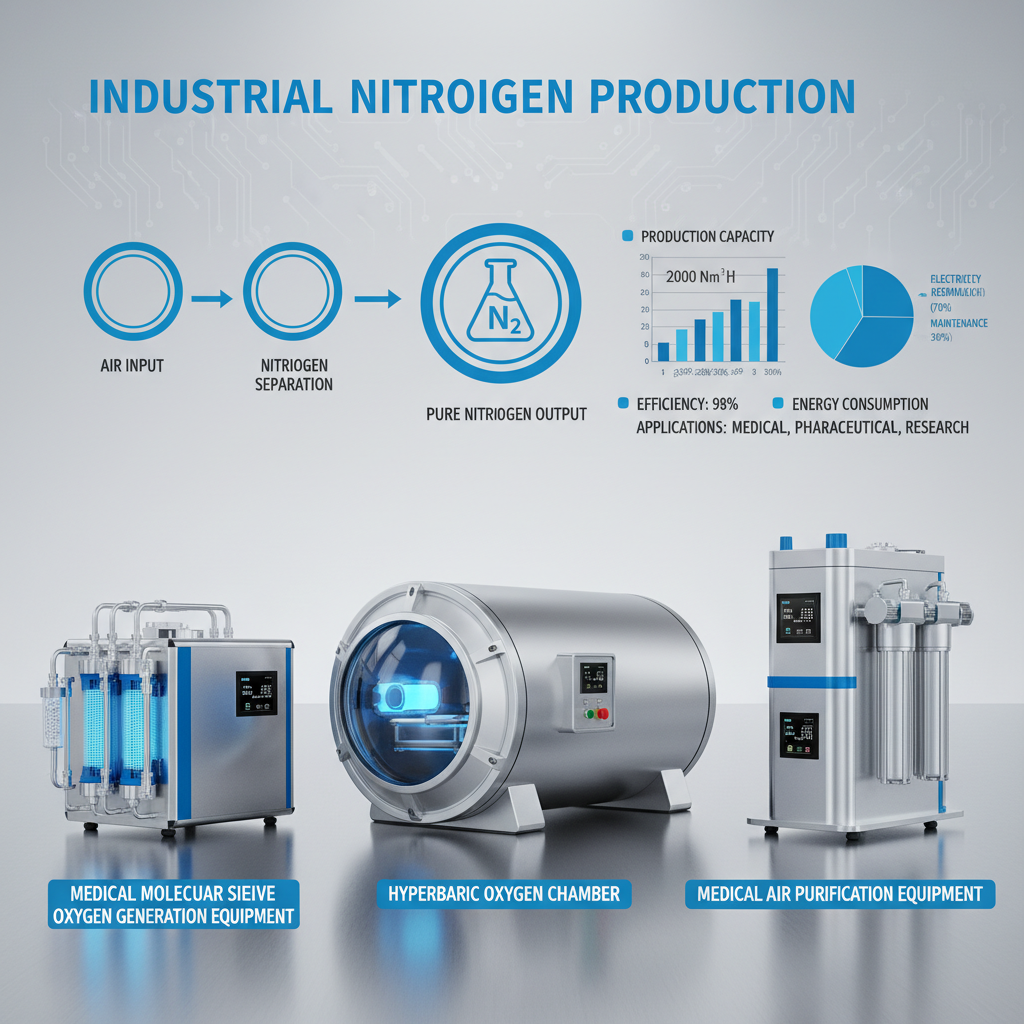
Choosing the optimal nitrogen supply solution requires careful assessment of several factors. These include required purity levels, daily nitrogen consumption volume, available space for equipment, budget constraints, and logistical considerations. On-site generation using PSA systems can be more economical for consistent, moderate-volume users. For businesses with limited space or fluctuating demands, purchasing nitrogen in liquid form from a supplier like Store Oxygen might be a more practical option.
Understanding the industrial production of nitrogen and the available supply options is crucial for businesses aiming to optimize costs and ensure a reliable supply. By carefully evaluating their specific needs and partnering with a reputable supplier, organizations can leverage the versatility of nitrogen to enhance their operations and achieve their goals.
Nitrogen is an asphyxiant, meaning it displaces oxygen in the air. In enclosed spaces, even a small leak can reduce oxygen levels to dangerous levels, leading to unconsciousness and death. Therefore, proper ventilation is absolutely critical when handling nitrogen. Confined space entry procedures must be strictly followed, and oxygen monitoring should be implemented. Additionally, because liquid nitrogen is extremely cold (-196°C), contact with skin can cause severe frostbite. Always wear appropriate personal protective equipment (PPE) such as gloves and eye protection.
The required purity level varies significantly depending on the application. Food packaging typically requires nitrogen purity levels of 99.5% or higher to prevent spoilage. Semiconductor manufacturing demands extremely high purity levels (99.999% or greater) to avoid contamination. Metal processing may tolerate slightly lower purity levels (98-99%). It’s crucial to consult with your process engineers and nitrogen supplier to determine the appropriate purity level for your specific application.
The cost of nitrogen depends on the supply method, volume purchased, and location. Generally, on-site PSA systems have higher upfront capital costs but lower operating costs for large, consistent users. Purchasing liquid nitrogen is typically more cost-effective for smaller volumes or intermittent use, but prices can fluctuate based on transportation costs and market demand. Comparing quotes from multiple suppliers, including Store Oxygen, is essential to determine the most economical solution.
While nitrogen is a naturally abundant gas, its industrial production does have some environmental impact. Cryogenic distillation is energy intensive, primarily due to the cooling process. PSA systems generally have a lower energy footprint. Furthermore, the transportation of liquid nitrogen contributes to carbon emissions. Efforts to improve energy efficiency in production and utilize sustainable transportation methods are ongoing to minimize the environmental impact.