Hit enter to search or ESC to close
3 December 2025
When we hear “liquid nitrogen compressor,” it might sound like a niche piece of industrial equipment reserved for labs or manufacturing plants. But in reality, this technology plays a critical role in many sectors worldwide—from healthcare to manufacturing, even food preservation. With liquid nitrogen’s ultra-cold properties, compressing it efficiently and safely unlocks countless applications. So, why does this matter globally? For starters, the ability to store and transport liquefied gases like nitrogen affects everything from vaccine cold chains to semiconductor fabrication. If we get this process wrong, it impacts cost, safety, and availability of essential products—especially in regions where climate or infrastructure pose serious challenges.
Today’s world relies heavily on cryogenic technologies. The global cryogenics market is expanding, with the demand for liquefied gases growing annually by about 7% (source: Statista). The United Nations and industrial standards bodies like ISO emphasize the importance of safe, reliable gas compression technologies to meet stringent safety and environmental targets.
Yet, despite these advances, many remote or developing areas lack robust infrastructure for handling cryogenic liquids. This is where efficient liquid nitrogen compressors come in—they help bridge the gap between supply centers and end-users, enabling everything from artificial insemination in agriculture to cryo-preservation of biological samples in medical centers during humanitarian missions.
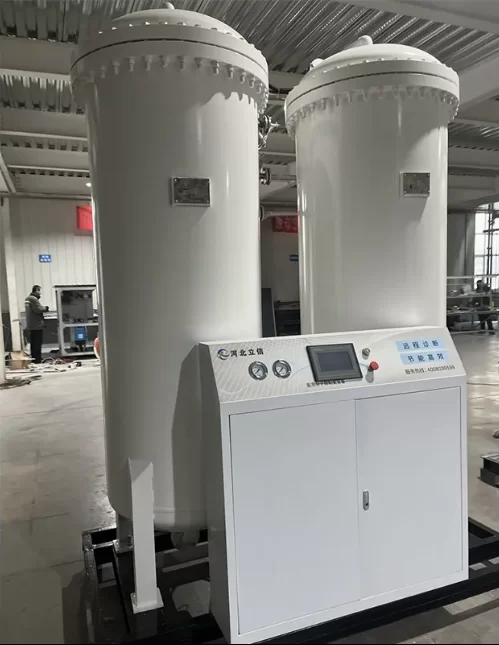
Simply put, a liquid nitrogen compressor is specialized equipment designed to compress and sometimes transfer nitrogen gas—often in its liquid form—under cryogenic conditions below –196°C (–320°F). Unlike typical gas compressors, it needs to maintain nitrogen’s ultra-cold state or carefully control phase changes to avoid hazards like embrittlement or explosions.
This device is a backbone for industries that depend on ultra-cold storage or gas delivery: hospitals, food processors, electronics manufacturers, and even space agencies count on it.
Materials for compressors must withstand extreme cold without cracking, warping, or losing integrity. Stainless steel alloys and specialized polymers are common. Many engineers I spoke with stress that longevity under such harsh conditions is non-negotiable—one crack can cause catastrophic failure.
From small-scale lab units to massive plants producing thousands of liters per hour, compressors have to scale. Flexibility here means a manufacturer can cater to different client needs, and end-users avoid overpaying for oversized equipment.
Compressing a liquid at cryogenic temperatures is energy-intensive. Novel designs focus on reducing power consumption, often via multi-stage compressors and heat exchangers that reuse waste energy.
Given nitrogen’s inertness and the very low temperatures, liquid nitrogen compressors need fail-safes: pressure relief valves, that automatically shut off under unsafe parameters, and sensors to monitor temperature and flow.
Capital and operational costs matter—especially in emerging markets. Users sometimes balance upfront investment against long-term savings on maintenance and energy.
A reliable liquid nitrogen compressor balances durability, scalability, safety, and cost while adapting to ultra-cold working conditions.
| Specification | Value |
|---|---|
| Cooling Capacity | Up to 3000 L/hr |
| Operating Temperature | -196 °C to -180 °C |
| Power Consumption | 12 kW |
| Safety Features | Pressure relief valves, temperature sensors |
| Material | Stainless Steel 316L |
Industries and organizations across the globe depend on liquid nitrogen compressors:
For instance, during a recent field mission in sub-Saharan Africa, a mobile liquid nitrogen compressor helped maintain vaccine potency under sweltering conditions—no small feat.
| Vendor | Capacity Range | Energy Efficiency | Safety Certifications | Approx. Price (USD) |
|---|---|---|---|---|
| CryoTech Solutions | 500-3000 L/hr | High (EER 3.5) | ISO 9001, ASME | $85,000 - $150,000 |
| FreezeFlow Industries | 300-2000 L/hr | Medium (EER 2.8) | CE, UL | $65,000 - $110,000 |
| NitroMax Technologies | 1000-3500 L/hr | Very High (EER 4.1) | ISO 14001, ASME | $100,000 - $175,000 |
Let’s face it: investing in this tech isn’t trivial, but the benefits often far outweigh initial costs. Here’s what many operators highlight:
Exciting things are on the horizon. We’re seeing integration with AI-driven monitoring systems that predict maintenance before failures occur, and new alloys designed for even better cryogenic toughness. Some manufacturers are also working on compressors optimized for green energy sources—think solar or wind-powered plants—to reduce carbon footprints. Oddly enough, digital twins are becoming a thing, allowing real-time simulation of compressor performance to tweak operations remotely. The future definitely looks smarter and cleaner.
Of course, there are hurdles. Handling temperatures below –196°C introduces issues like material brittleness and cryo-pumping inefficiencies. Plus, safety remains paramount: any leak or overpressure event could be disastrous. Manufacturers are investing in better materials research and tighter quality control. Also, modular designs allow onsite adaptability which simplifies deployment to hard-to-reach locations. Frankly, meeting scaling demands while ensuring affordability is a fine balance companies are still perfecting.
A1: Regular checks of seals, pressure relief valves, and temperature sensors are vital. Annual inspections combined with predictive maintenance based on sensor data help prevent downtime.
A2: Yes, many models are designed for rugged conditions and low power consumption, making them suitable for remote clinics or industrial sites.
A3: It is energy-demanding due to cryogenic conditions, but innovations like multi-stage compressor designs have improved efficiency over the years.
A4: If improperly handled, yes—risks include pressure buildup and cold burns. However, safety features such as automatic shutdown and sensors mitigate these dangers.
A5: Established vendors with certifications (ISO, ASME) and proven track records are advisable. You may explore options at Store Oxygen for trusted products.
Understanding and investing in liquid nitrogen compressors is more than just acquiring advanced machinery. It’s a gateway to improved healthcare, safer food supply, and cutting-edge industrial progress worldwide. While technology continues to evolve, the foundational benefits remain: safety, efficiency, and versatility. If you’re curious about exploring these solutions, I recommend visiting Store Oxygen for more info and professional guidance.
Oddly enough, the subtle hum of a liquid nitrogen compressor might just be one of the quietest, yet most essential, sounds underpinning modern life.