Hit enter to search or ESC to close
2 December 2025
The oxyhelp hyperbaric chamber may not be a household name, yet it plays a vital role in improving health outcomes worldwide. With increasing awareness of hyperbaric oxygen therapy’s benefits—for everything from wound healing to neurological recovery—understanding these chambers is more relevant than ever. The technology helps patients breathe pure oxygen at pressures higher than normal atmospheric pressure. This means enhanced oxygen delivery to damaged tissues, a game changer across medical, industrial, and humanitarian sectors.
Globally, millions could benefit from this technology, especially in areas where advanced treatment options are scarce. But first, what exactly is involved? And why are oxyhelp hyperbaric chambers gaining traction?
Health challenges are growing: chronic wounds, radiation injuries, carbon monoxide poisoning, and more. According to the World Health Organization, chronic wounds affect about 1-2% of the population in developed nations, increasing with age and diabetes prevalence. Moreover, environmental and industrial accidents can cause severe hypoxia issues requiring urgent intervention.
In real terms, hyperbaric oxygen therapy (HBOT) offers a solution by stimulating healing and tissue regeneration. Organizations across continents—from remote clinics in Asia to first responders in North America—need reliable HBOT devices. That’s where oxyhelp hyperbaric chambers demonstrate their value, designed for adaptability, safety, and efficacy.
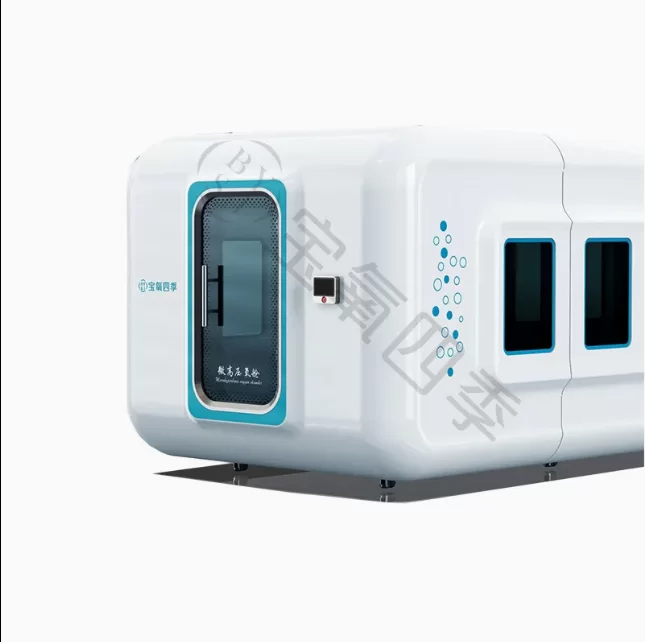
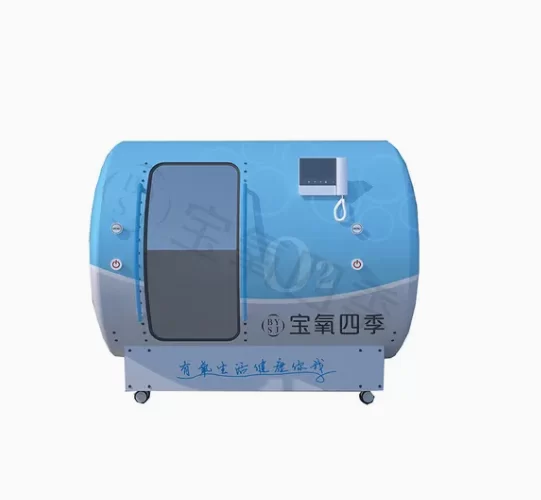
Simply put, an oxyhelp hyperbaric chamber is a pressurized unit where individuals breathe 100% oxygen at pressures above sea level atmospheric pressure (usually 1.5 to 3 atmospheres). This increases oxygen concentration in the blood plasma and tissues, accelerating healing processes.
Unlike traditional bulky or stationary models, oxyhelp’s design focuses on portability, ease of use, and integration into diverse settings—from hospitals to emergency sites. It’s closely tied to growing humanitarian and medical industry needs for equipment that can be rapidly deployed and reliably operated under different conditions.
The chamber is engineered with high-grade aluminum and medical-grade polymers, offering both lightweight and rugged qualities. It features multi-layer safety valves and pressure monitors, aligning with ISO 13485 medical device standards.
Transport-friendly size and modular assembly mean it can be flown or trucked to remote places. The chamber can be configured from single to multi-person units depending on treatment scale.
Compared to conventional fixed chambers, oxyhelp models reduce installation and maintenance expenses. Modular designs minimize downtime and allow tailored investment according to organizational budgets.
Touch-screen control panels and remote monitoring improve usability, even for providers with limited technical training, ensuring safer patient management.
These chambers comply with FDA regulations and CE marking, essential for global distribution and trustworthiness.
| Feature | Specification |
|---|---|
| Operating Pressure | Up to 3 ATA (atmospheres absolute) |
| Chamber Material | Aluminum Alloy + Medical-grade Polymer |
| Dimensions | 2.5 m length x 1.2 m diameter (single-person) |
| Weight | ~180 kg (single-person unit) |
| Power Supply | 110/220V AC, optional battery backup |
| Control System | Touchscreen with remote monitoring |
Such chambers find life-saving use practically everywhere:
Oddly enough, even space travel agencies have shown interest, seeing HBOT as a means to bolster astronaut health during prolonged missions.
| Feature | Oxyhelp | Competitor A | Competitor B |
|---|---|---|---|
| Portability | High (modular, lightweight) | Medium (fixed frame) | Low (stationary units) |
| Pressure rating | Up to 3 ATA | 2.5 ATA | 4 ATA (heavy-duty) |
| FDA/CE Certified | Yes | Yes | No |
| Price Range | $$$ | $$ | $$$$ |
| Warranty | 2 years | 1 year | 3 years |
Why choose oxyhelp hyperbaric chambers? Frankly, it’s a mix of cost effectiveness, sustainability, and dependability. They provide:
It’s not just transactions; it’s about dignity and hope for patients who might otherwise have limited options.
Looking ahead, the integration of green energy sources and digital automation appears promising. Smart chambers with IoT sensors allow remote clinicians to monitor patients in real time. There’s also a push for sustainable materials reducing nano-particle pollution from plastic components. Manufacturers are exploring solar-powered compressors for off-grid use, aligning with the UN’s sustainability goals.
In addition, research into combined therapies—for example, HBOT paired with stem cell treatments—could unlock new healing potentials. So the oxyhelp hyperbaric chamber ecosystem will likely expand beyond current medical boundaries.
No technology is perfect. Some challenges include:
Solutions lie in modular leasing models, virtual reality training tools, and reinforced packaging designs. Collaborative partnerships and NGOs often facilitate deployment in less-resourced regions, boosting access worldwide.
To summarize, oxyhelp hyperbaric chambers represent a smart, innovative answer to a pressing global health need. They combine portability, safety, cost efficiency, and forward-thinking technology to provide accessible hyperbaric oxygen therapy around the world.
If you want to explore the full range of benefits and see how they might fit your organization’s goals, I recommend visiting our partner site oxyhelp hyperbaric chamber. The future of patient-centered care might just start with a breath—and the right chamber.
Reflecting on this technology, it feels like an unexpectedly hopeful bridge between medical science and global accessibility—one chamber at a time.