Hit enter to search or ESC to close
2 December 2025
Globally, health technologies often reflect a balance between innovation and accessibility, and the portable hyperbaric oxygen chamber is no exception. These devices enable oxygen therapy beyond the walls of traditional hospitals, opening doors to life-saving treatments in remote, disaster-stricken, or resource-limited areas. Frankly, understanding their function and benefits feels increasingly important as medical emergencies test global preparedness.
Why does it matter? As chronic illnesses rise and emergency response needs grow, access to hyperbaric oxygen therapy—which enhances the body’s natural healing via pure oxygen under pressure—is no longer a niche benefit but a public health consideration worldwide.
According to the World Health Organization, more than 70% of healthcare infrastructure globally struggles to reach rural or underserved communities effectively. Enter the portable hyperbaric oxygen chamber, designed to bridge this gap. Oddly enough, there's a strong link between mobility and survival rates in hyperbaric treatment applications. ISO standards on medical device portability reflect this growing emphasis, ensuring devices are safe and effective across diverse settings.
Considering the rise in trauma cases and the increasing frequency of natural disasters, portable chambers allow frontline teams to administer decompression therapy or treat carbon monoxide poisoning swiftly, making a tangible difference when minutes count.
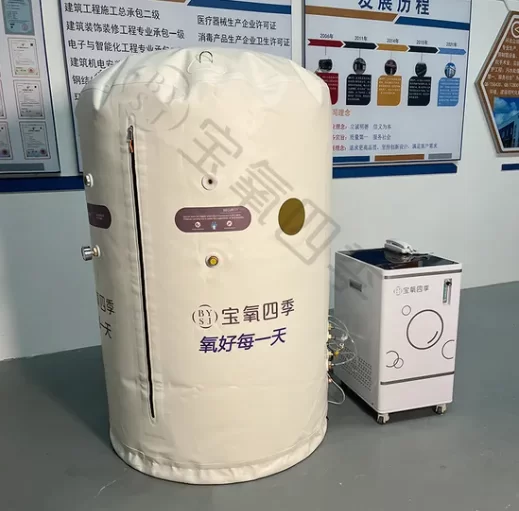
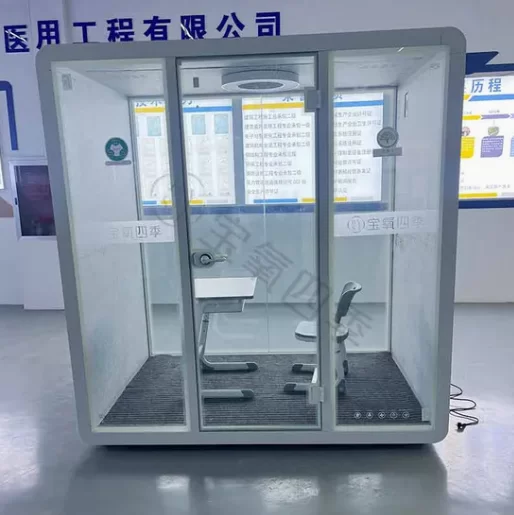
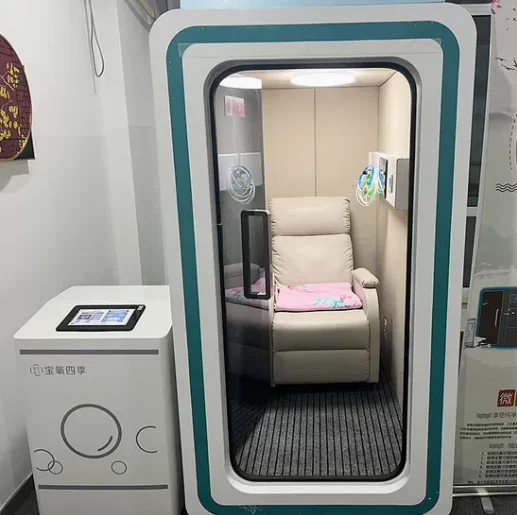
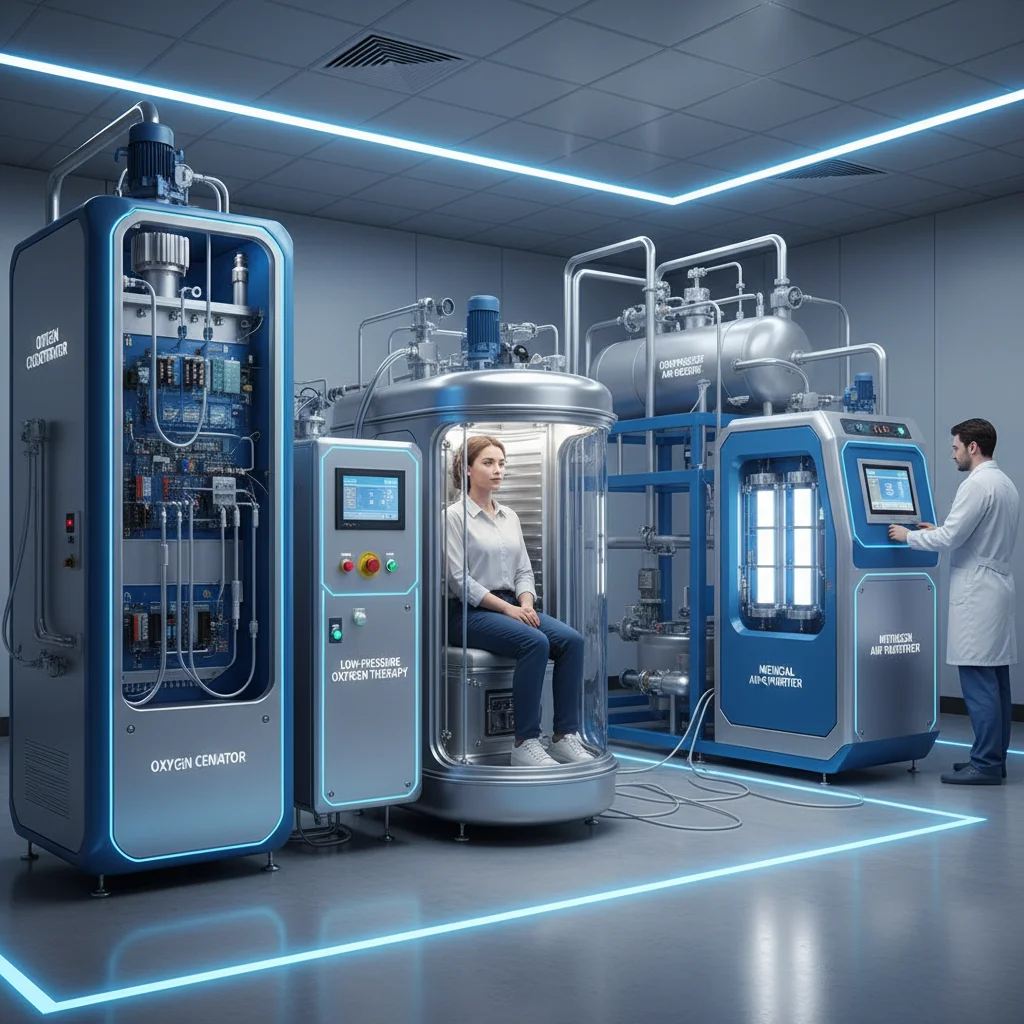
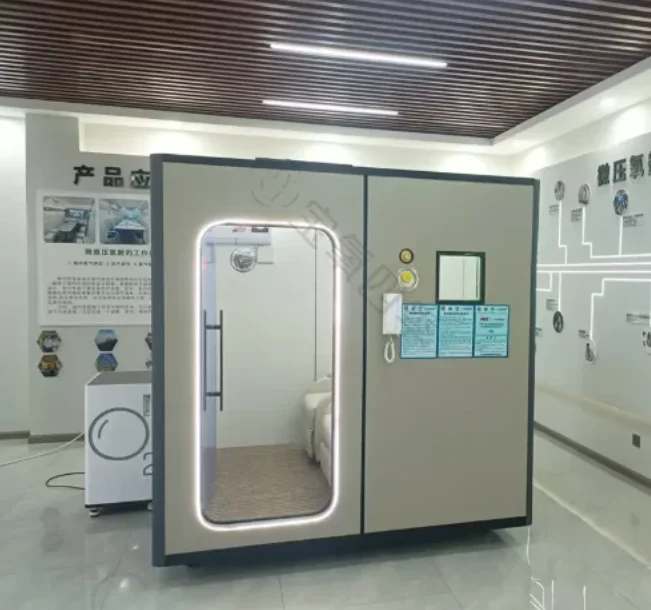
Simply put, a portable hyperbaric oxygen chamber is a pressurized, transportable enclosure that delivers oxygen at higher than atmospheric pressure to patients. It’s kind of like a miniaturized hospital-grade chamber you can carry into the field. Unlike fixed installations, its compact design allows rapid deployment and use almost anywhere—from emergency sites to remote clinics.
The growing humanitarian need for such devices—whether in war zones, expedition medicine, or isolated mining sites—illustrates their vital intersection with modern healthcare and logistics.
These chambers must endure tough environments—extreme weather, rough transport, and repeated setup. High-grade, puncture-resistant materials like TPU-coated nylon provide both strength and flexibility.
From single-patient units to multi-place designs, scalability allows tailoring treatment capacity to the scenario. This flexibility is critical for disaster response teams who may deal with varied patient volumes.
Compared to permanent hyperbaric facilities, portable chambers are significantly more affordable—both upfront and in maintenance—making them attainable for NGOs and smaller hospitals alike.
User-friendly interfaces and rapid inflation systems mean teams can operate the chambers safely with minimal specialized training.
Accurate pressure and oxygen concentration controls ensure therapeutic effectiveness without risking patient safety.
| Specification | Typical Range | Purpose |
|---|---|---|
| Max Pressure | 1.3 to 2.0 ATA (atmospheres absolute) | Ensures optimal oxygen therapy |
| Oxygen Concentration | 95% - 99.5% | Enhances healing and recovery |
| Weight | 10-40 kg | Portability ease |
| Setup Time | Under 15 minutes | Rapid response capability |
The scope of portable hyperbaric chambers is surprisingly broad. In post-disaster relief, say after earthquakes or wildfires in the Pacific Northwest or Southeast Asia, responders use these chambers to treat carbon monoxide poisoning and decompression sickness caused by rescue dives or debris inhalation.
Remote industrial zones, including oil rigs and mining operations in Africa or South America, rely on portable chambers to provide immediate care for diving and altitude sickness on-site, rather than airlifting patients hours away—a logistical feat both costly and risky.
Military field hospitals deploy these chambers for trauma and wound healing in conflict zones, while sports medicine increasingly adopts portable hyperbaric therapy to accelerate recovery for athletes in remote training camps.
Many aid organizations and emergency medical services integrate them into their toolkits, noting a measurable improvement in outcomes with timely oxygen therapy delivered in the field.
Emotionally, using portable hyperbaric chambers feels like offering a safety net in uncertain conditions. They give caregivers confidence and patients hope, merging innovation with compassion—two things we desperately need in medicine.
Emerging innovations include lighter composite materials that make chambers even easier to transport, smart sensors for real-time monitoring of patient vitals, and digital connectivity enabling remote specialists to guide treatment. The drive towards green energy integration—solar-powered oxygen concentrators, for instance—matches broader sustainability goals.
Automation in pressure regulation is another promising field, reducing user error and enhancing safety, especially in chaotic environments. Finally, adapting chambers for mass casualty scenarios shows promise, where modular designs expand or contract based on demand.
Not all is rosy, though. Common hurdles include limited oxygen supply logistics in remote areas, training needs for operators unfamiliar with hyperbaric tech, and initial capital outlays that can deter smaller organizations.
Suggested solutions? Hybrid models combining portable chambers with local oxygen generation systems ease supply constraints; partnerships with training institutions expand expertise access; and leasing or rental frameworks can democratize availability.
| Vendor | Price Range | Key Features | Warranty & Support |
|---|---|---|---|
| OxyPort Solutions | $8,000 - $15,000 | Lightweight, quick setup, digital controls | 2-year warranty, 24/7 remote support |
| HyperHeal Inc. | $10,000 - $18,000 | Modular, multi-patient capacity, solar ready | 3-year warranty, onsite training included |
| FieldOxy Tech | $6,000 - $12,000 | Compact design, budget-friendly, oxygen recycling | 1-year warranty, user manuals in multiple languages |
In real terms, portable hyperbaric oxygen chambers represent a profound leap in accessible healthcare technology. By merging clinical efficacy with mobility, they bring hope and healing to places that need it most—remote clinics, disaster response sites, and beyond.
If you want to explore options or learn more about acquiring top-quality portable hyperbaric oxygen chambers, check out portable hyperbaric oxygen chamber suppliers and resources available at Store Oxygen.
Mini takeaway: Portable hyperbaric oxygen chambers are transforming urgent care by delivering trusted therapy exactly where it’s needed, underpinning future-ready health systems worldwide.
References: