Hit enter to search or ESC to close
23 November 2025
At first glance, “hi tech oxygen plant” might sound like a niche piece of industrial jargon—something that only engineers or hospital staff talk about in hushed tones. But here’s the twist: oxygen is a life-sustaining gas. Understanding advanced oxygen plants—how they work, why they’re needed, and their growing role globally—is increasingly vital for healthcare, industry, and emergency relief efforts worldwide.
Whether it’s hospitals struggling to keep up with demand during health crises or factories ensuring safety through reliable oxygen supplies, these plants power whole systems behind the scenes. Diving into this topic unlocks appreciation for cutting-edge tech that literally keeps millions breathing easier.
Globally, demand for oxygen has never been higher. According to the World Health Organization (WHO), oxygen therapy is essential for treating respiratory diseases, including pneumonia and COVID-19. In fact, during the 2020 pandemic, demand for medical oxygen surged by over 50% in many countries.[1]
Moreover, industrial oxygen isn’t just for hospitals—it fuels chemical manufacturing, welding, and wastewater treatment. The International Energy Agency (IEA) reports oxygen plants contribute significantly to sustainable industrial processes. Yet, many regions still face shortages, especially remote or disaster-prone areas.
The challenge? Traditional oxygen generation methods can be bulky, energy-hungry, and slow to deploy. Enter hi tech oxygen plants: streamlined, efficient, and often modular systems designed to overcome logistics and supply hurdles.
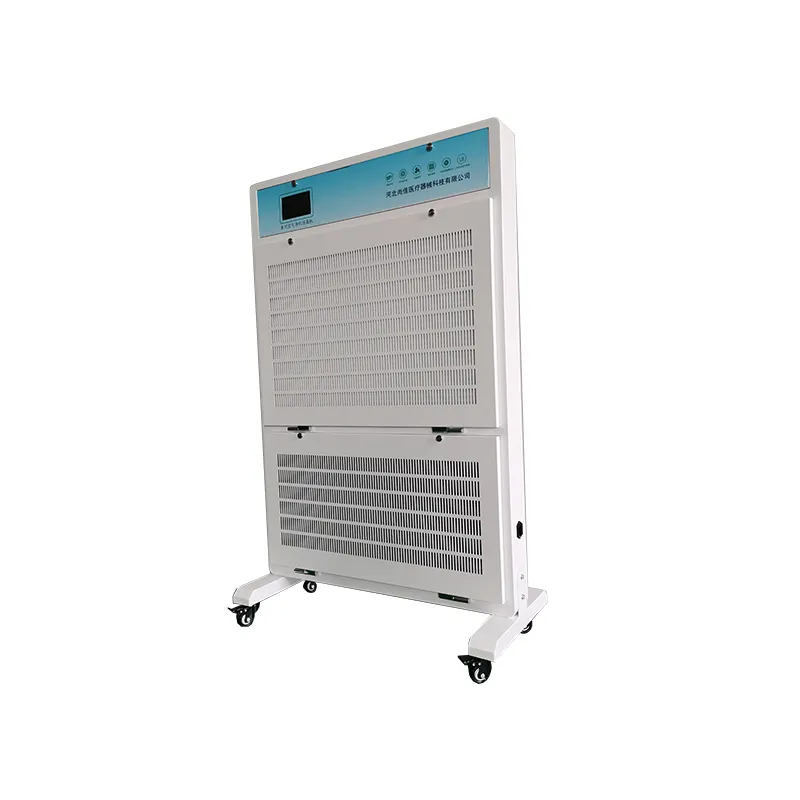
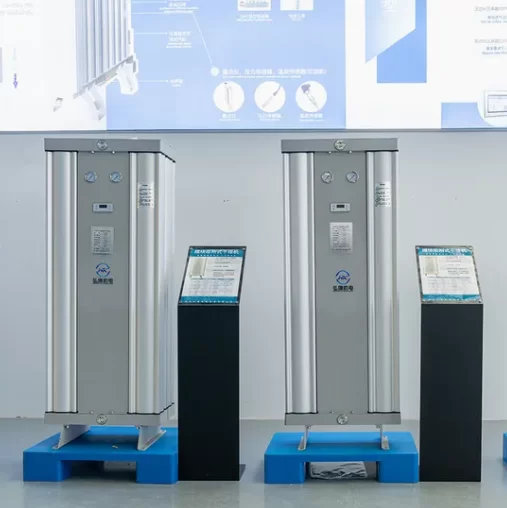
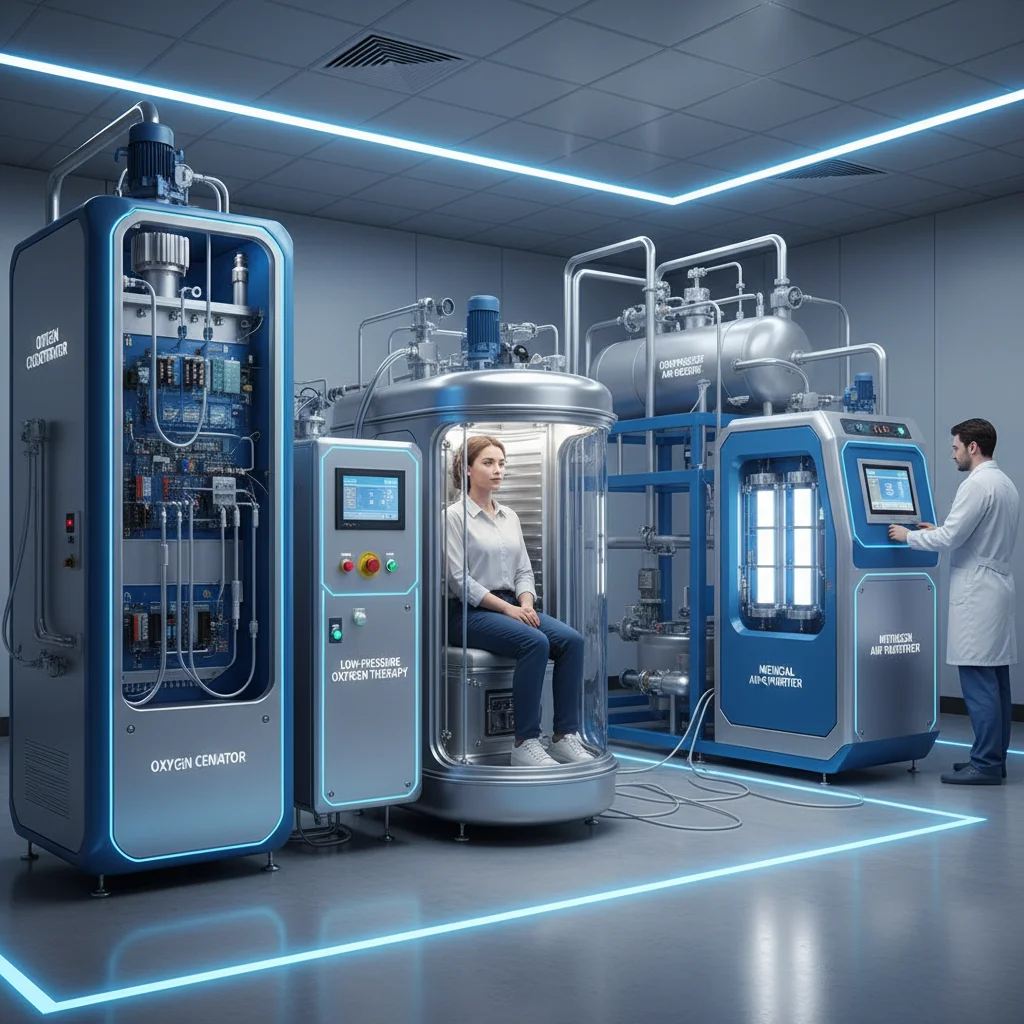
At its core, a hi tech oxygen plant is a facility that produces oxygen at high purity levels using advanced separation technologies like Pressure Swing Adsorption (PSA) or Vacuum Pressure Swing Adsorption (VPSA). Instead of relying on liquid oxygen transportation—which is costly and complex—these plants generate oxygen on-site or nearby.
They bridge crucial gaps between demand and supply, enabling hospitals to operate uninterrupted, industries to stay productive, and emergency responders to deliver care rapidly. In short: these plants are oxygen factories tuned for a modern, connected world.
The heart of any hi tech oxygen plant is the method it uses to separate oxygen from ambient air. PSA and VPSA are the favorites—relying on specialized adsorbent materials that trap nitrogen while letting oxygen through. This leads to oxygen purity levels upwards of 93-95%, which is medical-grade quality.
Many newer oxygen plants are designed to be compact and modular. This means they can be shipped/disassembled and set up quickly, which is a godsend when you’re dealing with disaster zones or quick hospital expansions. I've seen plants the size of a shipping container that can pop up within days.
Energy consumption has historically been a bottleneck. Modern hi tech oxygen plants employ innovations like variable speed compressors and smart control systems to reduce electricity use by 10-30%, which means lower operating costs and a lighter carbon footprint.
These systems are built to last, with automated monitoring and remote diagnostics now standard. For operators, this means fewer surprises, streamlined maintenance, and the ability to troubleshoot from afar—quite a leap from the old guard oxygen plants.
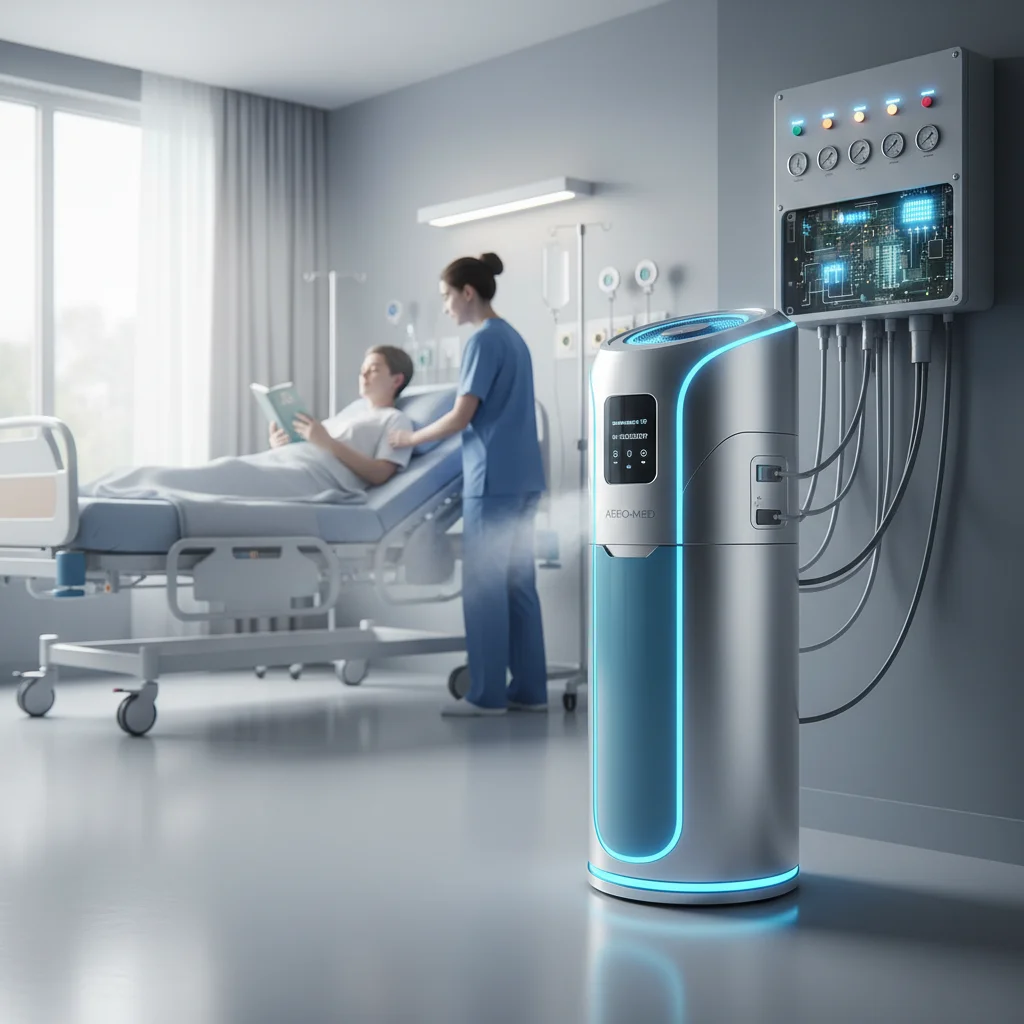
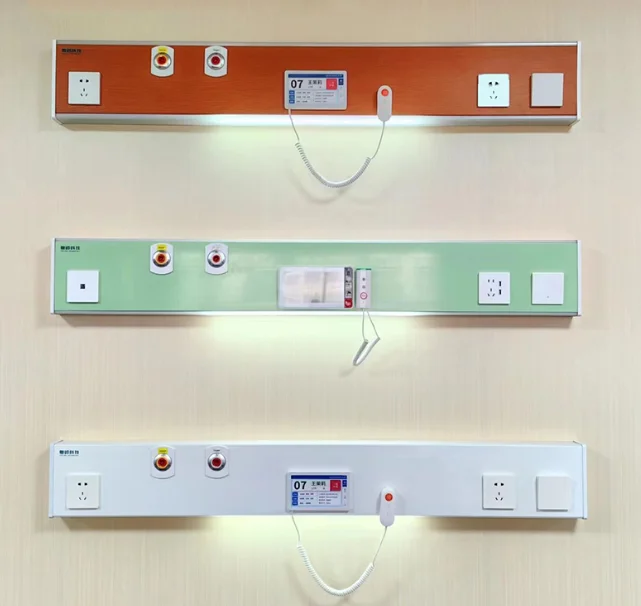
Medical oxygen plants especially must meet strict quality and safety standards like ISO 7396 or WHO guidelines to ensure the oxygen supplied is safe for patients. This adds layers of monitoring and assurance uncommon in purely industrial setups.
Hi tech oxygen plants combine smart engineering with streamlined designs, driving purity, portability, and efficiency—key factors in meeting escalating global demand.
Certainly, the reach of such plants touches multiple sectors, underscoring their versatility and societal importance.
Let’s be frank—these plants aren’t just about pumping out oxygen. They represent long-term resilience. Some key advantages:
The future looks exciting. Hybrid plants that integrate renewable energy sources like solar-powered compressors are emerging. Digitally enhanced plants use IoT sensors and AI-driven analytics for predictive maintenance, helping avoid costly downtime.
Material science continues to improve adsorbents, pushing oxygen purity and efficiency even further. Some manufacturers are experimenting with vacuum swing adsorption combined with membrane technology to shrink plant footprints.
Overall, the trajectory points to oxygen plants that are leaner, greener, and smarter—perfect for an era that prizes sustainability and rapid responses.
Even with hi tech advances, challenges persist. Supply chains for specialized adsorbents can be tight, making some components costly or hard to source in less-developed regions. Power reliability remains a concern, especially where grids are unstable.
To tackle this, companies are developing hybrid power configurations—solar plus battery backups—and building local supplier networks to reduce delays. In parallel, training programs for local operators address the human element, ensuring these plants don’t become “islands” of tech that lack necessary skills closer to the ground.
A: Modular designs enable deployment within days to weeks depending on size and logistics. Quick setup is a major advantage over traditional oxygen supply methods.
A: Yes, over time onsite plants reduce transportation and storage costs, especially in high-use scenarios like hospitals or industrial sites.
A: Most hi tech oxygen plants using PSA or VPSA produce oxygen at 93-95% purity, meeting medical grade standards per WHO guidelines.
A: Innovations in renewable power integration make this increasingly feasible, particularly with solar and battery backups.
A: Automation is crucial for monitoring, ensuring safety, and simplifying maintenance, particularly in remote or understaffed facilities.
| Specification | Typical Value | Notes |
|---|---|---|
| Oxygen Purity | 93-95% | Medical Grade |
| Production Capacity | 5 - 50 Nm³/hr | Scalable modular units |
| Power Consumption | 1.2 - 1.6 kW/Nm³ | Variable speed compressors |
| Operating Pressure | 4 - 6 bar | Optimized for delivery & storage |
| Automation Level | Full PLC controlled | Remote monitoring capable |
| Vendor | Production Capacity | Energy Efficiency | Automation Features | Typical Use Case |
|---|---|---|---|---|
| OxyPro Solutions | 5-25 Nm³/hr | High (1.2 kW/Nm³) | Full PLC + IoT monitoring | Hospitals, emergency kits |
| AirPure Tech | 10-50 Nm³/hr | Moderate (1.4 kW/Nm³) | Semi-automated | Industrial & healthcare combo plants |
| GreenO2 Systems | 3-20 Nm³/hr | Very High (1.1 kW/Nm³) | Fully automated with AI | Eco-friendly, off-grid capable |
All things considered, hi tech oxygen plants do more than meet oxygen demand — they represent a leap in how we think about life-critical infrastructure. From remote clinics to sprawling industrial complexes, these modular, efficient systems empower health outcomes, improve operational reliability, and push the sustainability envelope.
If you’re interested in deploying or learning more about hi tech oxygen plants, I’d recommend checking out hi tech oxygen plant specialists who blend innovation with real-world durability. There’s never been a better time to invest in oxygen solutions that save lives and enhance industries.