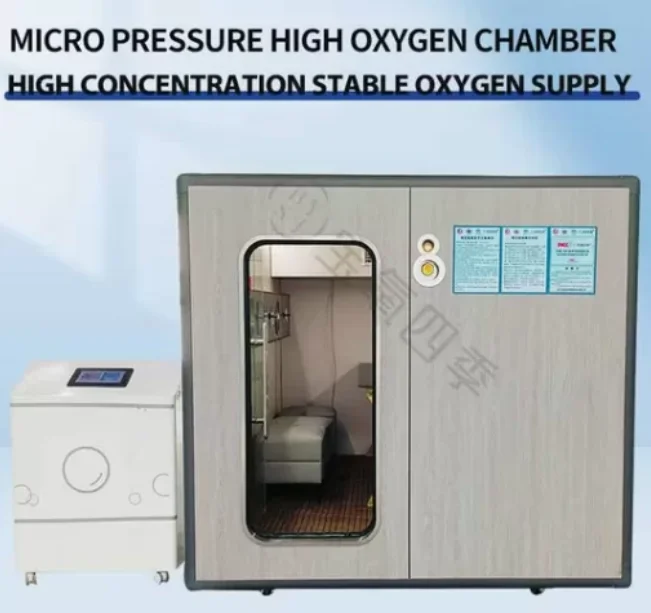
Understanding the Types of Hyperbaric Oxygen Chambers: Why It Matters Globally
If you’ve ever wondered how certain medical treatments speed healing or why some hospitals seem equipped with almost futuristic gear, there’s a good chance hyperbaric oxygen chambers played a part. These devices vary not only in design but in application, and understanding the
types of hyperbaric oxygen chamber is essential for healthcare providers, emergency responders, and even humanitarian agencies. Globally, their importance is growing as more regions adopt advanced therapies for wound care, diving injuries, and infectious disease treatment. They don’t just save lives — they enhance recovery and improve outcomes in often high-stress or resource-constrained environments.
Knowing the differences between chamber types can influence treatment efficacy, cost, and accessibility. This isn’t just a medical curiosity; it’s a global nexus where technology meets human need. So, what exactly are these chambers, and how do their types shape their use on the world stage?
A Global Context: The Rising Importance of Hyperbaric Oxygen Chambers
Globally, the demand for hyperbaric oxygen therapy (HBOT) is projected to grow significantly — the World Health Organization highlights chronic wounds and radiation injuries as increasing health burdens, both of which respond well to HBOT. Access to hyperbaric treatment varies wildly, from large urban hospitals in the US and Europe to emerging uses in Asia and parts of Africa. According to ISO standards (ISO 11137 for sterilization by radiation and ISO 13485 for medical devices), safety and efficacy are paramount, and chamber types evolve to comply.
A key challenge is that many regions lack infrastructure to support large monoplace chambers, which can be expensive and difficult to maintain. Thus, variations in chamber types - from monoplace to multiplace to portable units - address these gaps, providing scalable solutions in disaster zones or rural clinics. When time is critical, the right chamber type can literally be the difference between life and prolonged suffering.
What Are the Different Types of Hyperbaric Oxygen Chambers?
At its core, a hyperbaric oxygen chamber is a sealed space where patients breathe pure oxygen at higher-than-atmospheric pressures, intensifying oxygen delivery to tissues. But the brains behind their design vary:
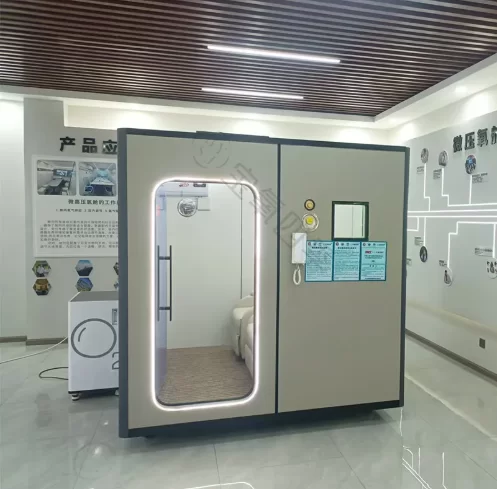
- Monoplace Chambers: Designed for a single patient lying down, these chambers are often cylindrical and made from clear acrylic. They're popular for precision treatments where individualized therapy is crucial.
- Multiplace Chambers: These larger chambers accommodate multiple patients and medical staff simultaneously. Mostly steel-built, they offer more versatility, including the ability to administer other treatments during HBOT.
- Portable or Soft Chambers: Think of these as inflatable versions, useful for urgent deployment and remote care. While they don’t reach as high pressures, they bring HBOT where traditional chambers can’t.
- Recompression Chambers: Specialists use these primarily for treating decompression sickness in divers but sometimes integrate hyperbaric oxygen therapy.
Understanding these types helps clinicians and administrators pick the right tool, balancing factors like space, budget, and clinical complexity.
Core Components Influencing Chamber Performance
Let's unpack a few high-level factors you see in these chamber variations:
Durability and Material Quality
Steel or acrylic? Multiplace chambers often rely on high-grade steel for safety under pressure, whereas monoplace chambers use acrylic for visibility and patient comfort. Portable chambers lean on lightweight composites or durable fabrics. The choice impacts longevity and maintenance costs.
Pressure and Oxygen Delivery
The therapy’s efficacy hinges on specific pressure ranges — typically between 1.5 to 3 atmospheres absolute (ATA). Monoplace and multiplace chambers can sustain higher pressures, while portable versions usually operate at lower pressures due to design constraints.
Size and Scalability
From single-person setups to large rooms fitting several people plus medical staff, scalability is key. Hospitals with more resources lean toward multiplace chambers, while field operations often prefer transportable units for fast deployment.
Cost Efficiency
Obviously, the price varies widely — multiplace steel chambers can cost several hundred thousand dollars, while portable chambers may cost a fraction but come with limitations on treatment scope.
Safety Features
Fire prevention, emergency decompression, and redundant monitoring systems are standard in advanced models. These features underpin patient trust and regulatory compliance.
Mini Takeaway: The choice among different "types of hyperbaric oxygen chamber" isn't arbitrary— it's a careful balancing act of clinical needs, logistics, and budgets.
Real-World Applications and Who Benefits Most
From busy hospitals in Chicago to remote clinics in Southeast Asia, HBOT chambers have versatile use cases:
- Medical Centers frequently treat diabetic foot ulcers, chronic infections, or tissue necrosis with monoplace or multiplace chambers.
- Diving Operations utilize recompression chambers to manage decompression sickness in divers quickly, reducing the risk of permanent injury.
- Disaster Relief and Military Medicine increasingly rely on portable chambers for treating carbon monoxide poisoning or crush injuries post-earthquake.
- Sports and Wellness Clinics have embraced chambers for recovery and performance enhancement, though scientific consensus remains mixed here.
For example, after the 2010 Haiti earthquake, several NGOs deployed inflatable chambers alongside traditional treatment tents, bringing advanced care to patients otherwise unreachable for days.
Advantages & Long-Term Value of Different HBOT Chambers
The benefits go beyond straightforward therapy:
- Cost Savings: Early wound healing can reduce hospital stays and amputation risks, lowering systemic healthcare costs.
- Sustainability: Advances in chamber design emphasize energy efficiency, and multipurpose chambers optimize resources.
- Patient Experience: Modern chambers are quieter, more spacious, and consider psychological comfort — a big plus for anxious patients.
- Trust & Reliability: Hospitals investing in certified chambers enhance institution credibility, attracting more referrals.
The technology’s emotional impact is just as vital; patients feel hope and dignity returning with visibly improved health and comfort.
Looking Ahead: Innovations in Hyperbaric Oxygen Chamber Technology
As environmental concerns rise, expect companies to lean into greener materials and energy sources — solar-powered compressors, lightweight recycled polymers, and IoT-enabled monitoring systems are on the horizon.
Digital transformation means chambers can soon offer remote operation, real-time patient data, and AI-driven therapy adjustments. Automation may optimize sessions for maximum effect without constant expert oversight.
Integration with other therapies — like stem cell treatments or personalized medicine — might redefine how these chambers fit into multi-modal care plans. The field is quietly vibrant.
Challenges and Solutions in Today's Hyperbaric Therapy Landscape
Despite progress, challenges persist:
- High Installation Costs: Multiplace chambers are pricey and need skilled maintenance.
- Limited Accessibility: Rural or low-income regions often lack access.
- Technical Skill Gaps: Staff training remains a bottleneck.
Innovative solutions include modular chamber designs with easier assembly, low-cost portable units, and international training programs supported by WHO and other bodies.
Product Specification Table: Popular Hyperbaric Oxygen Chambers
| Model |
Type |
Max Pressure (ATA) |
Capacity |
Material |
Price Range |
| OxyMax Mono 2000 |
Monoplace |
3.0 ATA |
1 patient |
Acrylic |
$120,000 - $150,000 |
| SteelPlus MPX |
Multiplace |
3.0 ATA |
Up to 6 patients |
Steel |
$400,000 - $700,000 |
| AirLite Portable HBOT |
Portable |
1.3 ATA |
1 patient |
Composite Fabric |
$30,000 - $50,000 |
Vendor Comparison: Leading Providers of Hyperbaric Oxygen Chambers
| Vendor |
Chamber Types |
Customization |
Global Reach |
After-Sales Support |
Approximate Lead Time |
| OxyHealth Inc. |
Monoplace, Portable |
Medium |
North America, Asia |
24/7 Online Support |
6-8 weeks |
| Hyperbaric Solutions Ltd. |
Multiplace, Monoplace |
High |
Europe, Middle East |
On-site Training & Support |
8-12 weeks |
| Portable Medical Tech |
Portable Only |
Low |
Global (Focus on Remote Areas) |
Remote Assistance |
4-6 weeks |
Frequently Asked Questions About Types of Hyperbaric Oxygen Chamber
- What are the differences between monoplace and multiplace hyperbaric oxygen chambers?
- Monoplace chambers are built for single patients, typically made with clear acrylic, focusing on individualized therapy. Multiplace chambers can treat multiple patients simultaneously, constructed with steel for higher durability and more complex operations. The choice depends on clinical needs, space, and budget.
- Are portable hyperbaric oxygen chambers effective for serious wound treatment?
- Portable chambers generally operate at lower pressures than stationary units, so while they support some wound care, they may not replace traditional chambers for severe cases. They’re invaluable for remote or emergency situations but usually supplement rather than substitute full-scale treatment.
- How do hyperbaric oxygen chambers contribute to disaster relief efforts?
- In post-disaster scenarios, portable or inflatable chambers can be rapidly deployed to treat carbon monoxide poisoning, crush injuries, or infection risk, especially where infrastructure is damaged. Their mobility and faster set-up provide timely critical care when hospitals are overwhelmed.
- What are the maintenance considerations for different chamber types?
- Steel multiplace chambers require regular pressure vessel inspections and component checks. Monoplace chambers need acrylic surface inspections and oxygen sensor calibration. Portable chambers often need fabric and seal integrity monitoring. Proper upkeep ensures safety and extends service life.
In Conclusion: The Long-Term Impact of Choosing the Right Chamber
Whether you’re outfitting a major urban hospital or equipping a mobile clinic halfway across the world, the types of hyperbaric oxygen chamber available represent both an opportunity and a challenge. Their diverse designs meet diverse needs — and understanding these nuances can improve patient outcomes, save resources, and broaden access to vital care.
Interested in learning more or sourcing your own HBOT equipment? Visit our website at
https://www.storeoxygen.com to explore detailed specs and cutting-edge products tailored to your needs.
References:
1. Wikipedia: Hyperbaric Oxygen Therapy
2. ISO Standards for Medical Devices
3. WHO Guidelines on Emergency Medical Care