Hit enter to search or ESC to close
1 December 2025
If you've ever been curious about how medicine is pushing the boundaries of oxygen therapy, learning about the types of hyperbaric chambers is a great place to start. These pressurized environments have revolutionized treatments—from healing stubborn wounds to aiding in disaster relief and even diving medicine.
Globally, millions benefit from hyperbaric oxygen therapy (HBOT) every year, and understanding the different chamber types helps hospitals, clinics, and emergency organizations pick what truly fits their needs. In short, it’s not just science-fiction-grade gear but practical lifesavers, often literally. So, why does it matter? Because the right chamber type can mean faster healing, better outcomes, and a more efficient use of resources—no small thing in healthcare.
In the past decade, hyperbaric oxygen therapy has been gaining renewed interest worldwide, especially with chronic wounds and certain infections on the rise. According to the World Health Organization, non-communicable diseases—including diabetic ulcers and radiation injuries—pose increasing challenges for healthcare systems (1). Hyperbaric chambers, through varied designs and pressure protocols, provide oxygen-enriched environments that stimulate tissue repair.
But access remains uneven—rural hospitals, disaster zones, or underdeveloped regions don’t always have the luxury of sophisticated or large installations. This is where knowing the types of hyperbaric chambers plays a crucial role because each type brings a unique set of features to the table that can bridge these gaps. Plus, ISO standards have pushed for more consistent safety and efficiency worldwide, making adoption easier in emerging markets.
Simply put, hyperbaric chambers are airtight enclosures where patients breathe pure oxygen at pressures higher than atmospheric pressure. This enhances oxygen absorption dramatically. However, not all hyperbaric chambers are created equal. Variants exist based on size, pressure capacity, and mobility.
From clinical hospitals to adventurous rescue teams, these varieties answer different demands, showing the industrial and humanitarian scope of hyperbaric technology.
Knowing the types of hyperbaric chambers helps healthcare providers and emergency workers choose solutions tailored to their operational environment and patient needs.
Many engineers say material choice makes or breaks chambers. Acrylic and steel dominate the scene, with multiplace chambers often crafted from steel for structural integrity under higher pressures and longevities.
Realistically, pressures vary from 1.3 to 3.0 atmospheres absolute (ATA), influencing treatment types. Chambers must include redundant safety valves, continuous monitoring, and alarms to prevent accidents—hyperbaric oxygen is great, but a fire hazard too.
Field operators might prioritize speed and ease of set-up, opting for portable units that can be inflated or assembled quickly. Conversely, hospital-based multiplace systems are more permanent fixtures.
Operating a chamber involves not only upfront costs but ongoing expenses—maintenance, oxygen supply, power consumption. Some soft or portable models cost less but have limitations on treatment efficacy.
Clinics treating diverse patient loads may prefer multiplace chambers that handle several patients simultaneously, optimizing throughput and cost per session.
ISO 13485 and other medical device certifications ensure chambers meet rigorous standards affecting insurance and legal usability worldwide.
Balancing building materials, pressure range, portability, and cost is key to selecting the right hyperbaric chamber for any healthcare setting.
Hyperbaric chambers find their way into a surprising variety of scenarios across continents:
From urban centers to remote mountaintops, hyperbaric chambers adapt to meet various patient care needs worldwide employing their unique designs.
| Chamber Type | Max Pressure (ATA) | Patient Capacity | Material | Portability | Typical Use |
|---|---|---|---|---|---|
| Monoplace | 2.0 – 3.0 | 1 | Acrylic Tube | Low (stationary) | Clinical/Hospital |
| Multiplace | 2.0 – 3.0+ | 2 – 14+ | Steel | Low (permanent) | Hospitals, Military |
| Portable | 1.3 – 2.0 | 1 | Inflatable Fabric/Composite | High (easy setup) | Disaster/Field Use |
| Soft (mild HBOT) | 1.3 – 1.5 | 1 | Flexible Fabric | High | Home, Wellness |
| Vendor | Specialty | Price Range (USD) | Warranty | Global Reach | ISO Certification |
|---|---|---|---|---|---|
| OxyHealth | Soft/Portable | $15,000 – $40,000 | 1 Year | Countries in Americas/Europe | ISO 13485 |
| Perry Baromedical | Multiplace & Monoplace | $300,000 – $1M+ | 3–5 Years | Worldwide | ISO 13485, FDA |
| OxyLife | Monoplace & Portable | $50,000 – $150,000 | 2 Years | North America, Asia | ISO 9001 |
When hospitals or rescue organizations choose the type of hyperbaric chamber that suits their context, it’s about more than upfront cost. It's about reliability, speed of healing, patient comfort, and safety—elements that collectively influence how well patients recover.
And not to be overlooked, there’s an emotional factor. Knowing the technology saving lives is state-of-the-art gives care providers a certain peace of mind.
Tech is catching up fast. Hydrogen-enriched oxygen mixtures, 3D-printed lightweight parts, and AI-based parameter control are no longer just concepts but active research points. Green energy powers are being integrated to shrink the carbon footprint of these typically energy-intensive machines. Plus, modular, rapidly deployable chambers with plug-and-play features are on the rise to serve disaster-hit or conflict zones.
Digital twins and IoT-enabled chambers could allow physicians to remotely adjust pressures and track patient vitals in real-time. Oddly enough, while the tech moves forward, there's also a surprising renaissance in medicinal practices combined with HBOT — think tailored supplements, and even cryotherapy complements.
No system is perfect. Common limitations include:
Innovative solutions focus on cost-effective, lightweight chambers with automatic safety systems and telemedicine supervision. Manufacturers also offer scalable lease or financing options to reduce barriers. Interestingly, international collaborations (ISO, WHO) emphasize shared training modules addressing knowledge gaps.
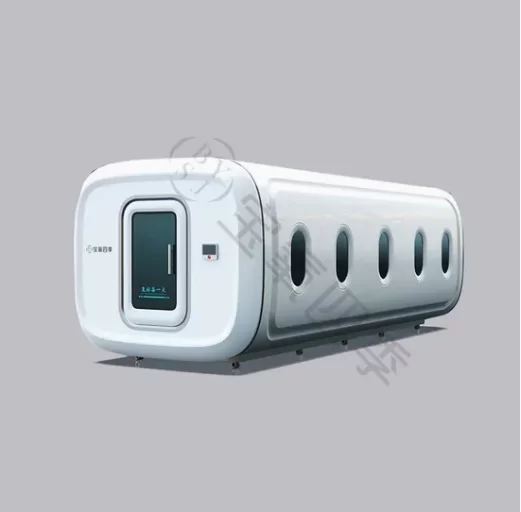
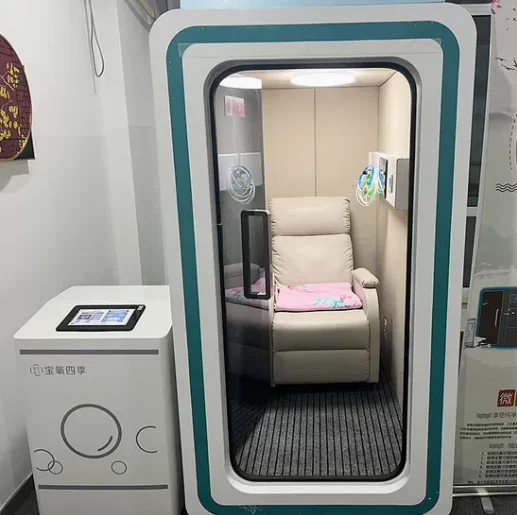
A monoplace chamber is designed for one individual, pressurized with pure oxygen inside a clear acrylic tube. Multiplace chambers can treat multiple patients with compressed air pressurizing the room while patients breathe oxygen separately. The choice depends on patient volume and clinical needs.
Portable chambers are invaluable for immediate care in field conditions but generally operate at lower pressures, offering mild hyperbaric oxygen therapy. For critical conditions, permanent multiplace chambers with higher pressure ranges are preferred.
Depending on build quality and usage frequency, stationary monoplace and multiplace chambers can last 10-20 years, while portable and soft chambers typically have shorter lifespans, roughly 5-7 years.
While generally safe, HBOT requires medical evaluation beforehand. Contraindications include untreated pneumothorax and some respiratory conditions. Proper chamber type and supervision reduce risks like oxygen toxicity or barotrauma.
Most vendors ship worldwide, often assisting with import paperwork and certifications. ISO and FDA approvals smooth regulatory hurdles. NGO and government programs collaborate with manufacturers for disaster deployments.
Understanding the types of hyperbaric chambers isn’t just an academic exercise. It’s about making informed choices that affect patient outcomes, operational efficiency, and global health equity. Whether you’re a clinic administrator, disaster response planner, or a curious healthcare professional, the right chamber type—be it monoplace’s clinical precision or portable’s rapid deployment—matters.
Take the next step now: visit our website to explore a wide selection of hyperbaric chambers tailored to your exact needs and join the wave of innovation transforming oxygen therapy worldwide.