Hit enter to search or ESC to close
28 October 2025
If you’re sizing up a Multi Person Hyperbaric Chamber for a wellness center, clinic, or a high-performance gym, you’re not alone. Demand has quietly shifted from single-occupancy “capsules” to roomy, supervised multi-seat systems that are safer to operate, easier to monetize, and—surprisingly—more comfortable for anxious first-timers.
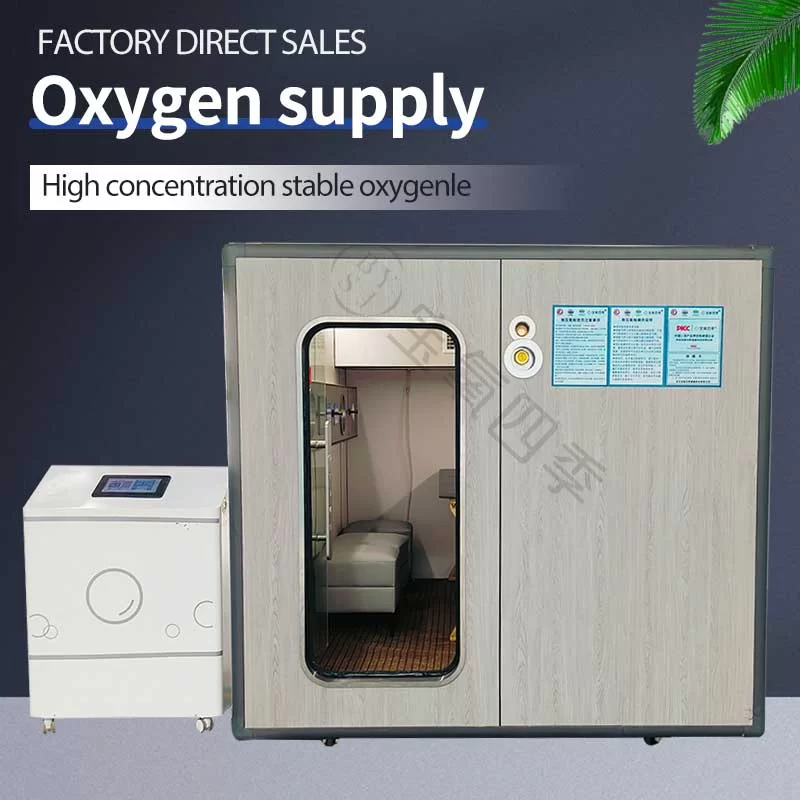
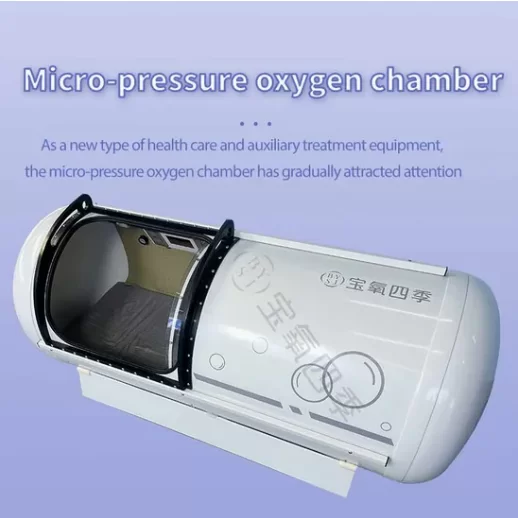
The model I’ve seen gaining traction lately is the Multiple People Micro Large Space Hyperbaric Oxygen Therapy Chamber, assembled in Hebei (888 Kaiyuan Road, Jizhou District, Hengshui City). It’s a mild-pressure, oxygen-enriched room that balances clinical discipline with spa-like touches. To be honest, that mix matters more than brochures admit.
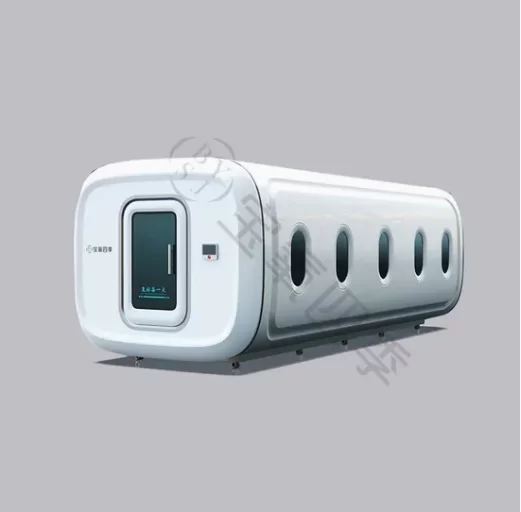
Trends point to shared sessions in wellness chains, sports recovery labs, neuro-rehab clinics, and even corporate vitality programs. Operators like that a supervisor can manage several guests at once, while customers—many say this—feel calmer in a brighter, larger space. The Multi Person Hyperbaric Chamber format also simplifies throughput and scheduling.
| Capacity | 4–8 seats (wheelchair option) |
| Operating pressure | ≈1.3–1.5 ATA (mild HBOT range) |
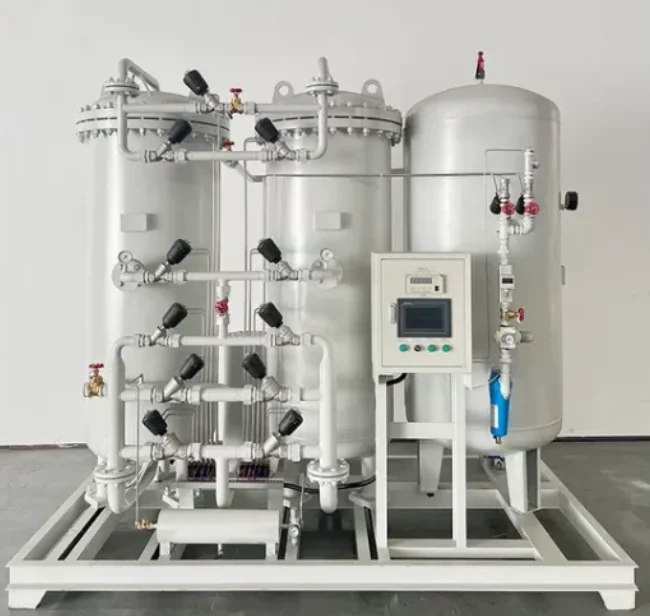
| Oxygen delivery | 93% ±3% via medical O2 concentrators; mask or hood |
| Shell / interior | Powder-coated steel shell; SUS304 liner; panoramic windows |
| Safety | Dual over-pressure valves, O2 monitoring, intercom, UPS backup |
| Noise | ≈58–62 dB(A) in chamber at 1.5 ATA |
| Controls | PLC touch panel + manual overrides |
| Power | AC 220–240 V, 50/60 Hz, ≈2.5–4.0 kW (build-dependent) |
| Standards (target) | ASME PVHO-1, ISO 13485 QMS, IEC 60601-1/-1-2, NFPA 99 oxygen safety |

Materials: pressure-rated steel plate with internal stainless trim; fire-retardant seating; oxygen-cleaned tubing (CGA G-4.1). Methods: ASME Section IX–qualified welding; powder-coat cure; oxygen cleaning and verification. Testing: NDT (UT/RT per ASTM), hydrostatic to ≈1.5× MAWP, functional pressurization cycles, oxygen leak checks
Factory sample log (last run I reviewed): 1.45 ATA hold 60 min; pressure drift ≈0.1%; intercom clarity 4/5 at full compressor load.
| Vendor | Pressure | Seats | Certs (typ.) | Lead time | Notes |
|---|---|---|---|---|---|
| StoreOxygen (Hebei) | 1.3–1.5 ATA | 4–8 | ISO 13485, IEC 60601, PVHO-1 (target) | ≈6–10 weeks | Good customization; value pricing |
| Vendor S (domestic) | 1.5 ATA | 6 | CE MDR | 8–12 weeks | Higher price; strong documentation |
| Vendor T (acrylic dome) | 1.3 ATA | 2–4 | IEC 60601-1-2 | 4–6 weeks | Great visibility; fewer seats |
Layout (bench vs. recliners), wheelchair ramp, medical pass‑throughs, antimicrobial upholstery, branding, infotainment, and, yes, extra windows. Many customers say the intercom and lighting presets are the small features that win them.

A Midwest physiotherapy chain replaced three single units with one Multi Person Hyperbaric Chamber; throughput rose ≈40% with a single attendant. An eSports training house in Seoul customized for quieter compressors; subjective fatigue scores (their internal metric) improved after two weeks. Feedback repeats: “spacious,” “less claustrophobic,” “sessions feel shorter.”
Ask for oxygen-cleaning certificates, pressure test records, and operator training aligned to NFPA 99 and UHMS guidance. It seems obvious, but verify maintenance intervals and have a written emergency depressurization protocol. For clinics, document device integration under your ISO 13485 QMS (or equivalent).
References