Hit enter to search or ESC to close
29 November 2025
Oxygen — it’s everywhere we breathe, but how it reaches hospitals, industries, and emergency zones is a story not everyone knows. Centralized oxygen supply systems have quietly become essential worldwide, especially after recent global health crises. Understanding what centralized oxygen supply means and why so many hospitals and facilities invest in it unlocks improvements in care, logistics, and even cost efficiency. So whether you’re a healthcare operator, an NGO planner, or an industry engineer, grasping this topic benefits anyone who cares about infrastructure resilience.
Globally, the demand for medical-grade oxygen has surged dramatically in the past decade. According to the World Health Organization, respiratory illnesses affect hundreds of millions annually, and oxygen therapy is a cornerstone treatment. Meanwhile, industrial sectors like welding, chemical manufacturing, and wastewater treatment rely heavily on stable oxygen supply lines. The centralized oxygen supply systems help address persistent challenges like distribution inefficiencies, emergency scalability, and safety.
A 2022 UN report highlighted inequalities in oxygen availability, with low-income regions sometimes facing critical shortages during pandemics or natural disasters. That’s where centralized systems shine: by producing or storing oxygen in large quantities at one site and distributing it reliably through pipelines, they reduce waste and enhance access. It makes you think — in real terms, these networks quietly underpin public health security worldwide.
Mini takeaway: Centralized oxygen supply is a critical backbone for health and industry, addressing pressing global needs around safety, efficiency, and crisis response.
At its core, centralized oxygen supply means generating, storing, and distributing oxygen from a single or consolidated hub instead of relying on multiple decentralized tanks or cylinders scattered around. Imagine a hospital where instead of swapping out heavy cylinders every few hours, oxygen flows nonstop from a central station through pipes directly to patient rooms.
This setup isn’t just for hospitals. Remote industrial sites may install centralized generators onsite to avoid the logistical hassle of constant cylinder delivery. And in humanitarian efforts, erecting temporary centralized oxygen hubs during emergencies can be lifesaving.
Simply put, centralized oxygen supply knits together modern technology and infrastructure to reliably meet demand — no matter how high or unpredictable.
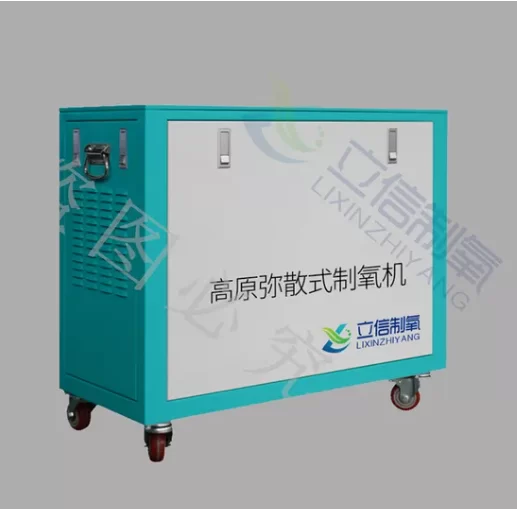
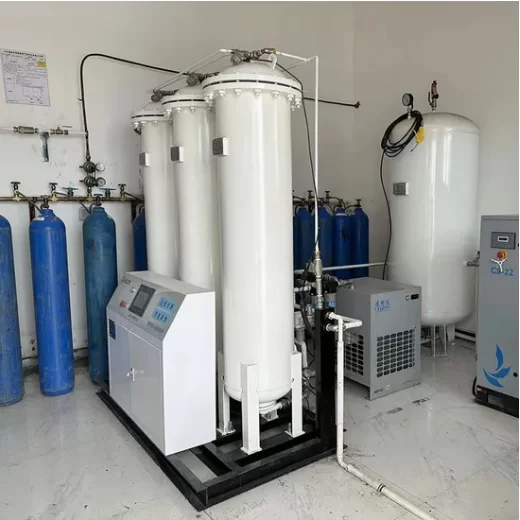
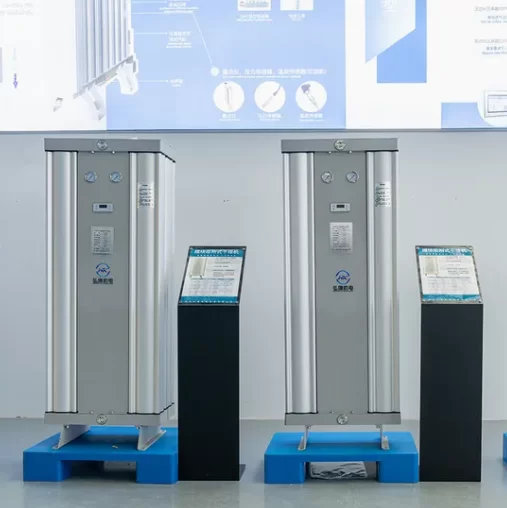
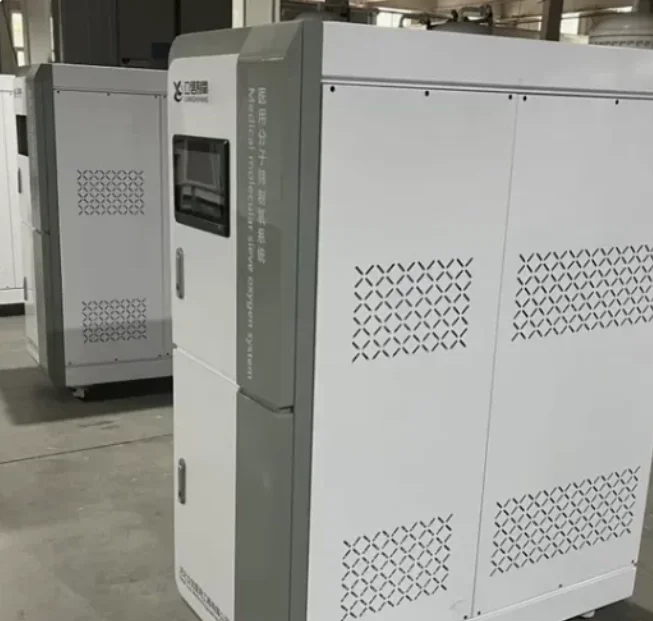
Most centralized systems use Pressure Swing Adsorption (PSA) plants or cryogenic tanks. PSA units create oxygen onsite by filtering air, while cryogenic tanks store liquefied oxygen at ultra-low temperatures for bulk supply. Both methods focus on purity and volume.
A robust, corrosion-resistant piping grid delivers oxygen efficiently across facilities. Materials like stainless steel or specially coated alloys are standard to prevent leaks and contamination.
Automated valves, pressure sensors, and centralized monitoring ensure safe, uninterrupted flow. These systems often integrate alarms for pressure drops or leaks—a must-have in critical environments.
From a small clinic to a sprawling industrial plant, systems can be scaled or modularized to fit demand profiles. Modular units enable quick expansion or deployment in emergencies.
Scheduled checks, redundancy in key components, and trained technicians minimize downtime. Reliability is non-negotiable when people’s lungs depend on it.
| Component | Description | Typical Specs |
|---|---|---|
| Oxygen Generator (PSA) | Air separation to produce medical-grade oxygen onsite | Purity ≥93%; Output: 5-50 Nm³/hr |
| Cryogenic Storage Tanks | Bulk liquid oxygen storage for hospitals & industry | Storage capacity: 3,000–30,000 liters |
| Pipeline Network | Corrosion-resistant piping to deliver oxygen safely | Material: Stainless Steel/Alloy; Length: Custom |
| Control & Safety Systems | Automated flow control, alarms, and monitoring | Pressure sensors, Backup valves |
Mini takeaway: It’s all about integrating generation, storage, and delivery with safety and adaptability to meet diverse real-world demands.
This isn’t a niche solution — it’s everywhere. In high-income countries, sprawling hospital campuses integrate centralized oxygen for seamless care delivery. For example, during COVID-19 surges, countries like Italy and the UK expanded these systems rapidly to meet demand.
In industrial sectors, centralized oxygen enables efficient welding operations in shipyards and manufacturing plants — often where continuous supply is critical to maintain schedules and safety.
On the humanitarian front, organizations like Médecins Sans Frontières have implemented mobile centralized oxygen units to support treatment centers in remote or disaster-hit areas. It’s remarkable how a single well-designed oxygen hub can support dozens of patients on a temporary basis.
In sub-Saharan Africa and parts of Asia, efforts toward stable centralized oxygen systems continue to grow, addressing shortages that impact many hospitals and care centers there.
| Vendor | Specialty | Typical Capacity | Key Markets | Price Range |
|---|---|---|---|---|
| OxyGenPro | Modular PSA Plants | 5-30 Nm³/hr | Healthcare, SMEs | $50K–$150K |
| CryoServe | Cryogenic Tanks & Bulk Storage | 3,000–25,000 liters | Large Hospitals, Industry | $150K–$500K |
| SafeOxy Tech | Integrated Pipeline & Control Systems | Custom Scalable | Hospitals, Industrial Parks | Varies widely |
Cost-wise, centralized systems usually outsmart managing cylinders or small tanks. You cut down labor hours for refills, not to mention the risk of running out mid-treatment. Safety improves with fewer pressure cylinders lying around and more monitored flow control. Isn’t that peace of mind worth a lot?
From a sustainability angle, onsite generation reduces transportation emissions and reliance on fragile supply chains — a huge plus that often gets overlooked. Socially, the reliability boosts trust. Families and frontline workers feel reassured, which is priceless.
Mini takeaway: There’s more to centralized oxygen than just tech — it’s about safety, sustainability, and social confidence long-term.
These innovations reflect a global push toward not just more oxygen, but smarter and cleaner oxygen supply chains. It’s an exciting, if under-remarked, corner of industrial and health tech.
As straightforward as these systems seem, challenges remain: high upfront costs, technical maintenance requirements, and vulnerable infrastructure in low-resource settings. Plus, safety training is often insufficient, which can lead to rare but serious accidents.
The good news? Many organizations are partnering for knowledge transfer and financing models tailored to emerging markets. Advances in modular systems are lowering entry barriers. Continuous training programs and remote support apps also help reduce human errors.
The story of centralized oxygen supply isn’t just about pipes and tanks — it’s about saving lives, boosting industrial efficiency, and building resilient infrastructure worldwide. As demand grows and technology advances, these centralized networks are evolving into smarter, greener, and more reliable lifelines. If you’re curious about exploring or upgrading such systems, it’s worth checking out trusted experts and solutions — have a look at centralized oxygen supply resources for a head start.
In the end, oxygen connects us all — and centralized supply makes sure it flows where it’s needed most, with dignity and precision.