Hit enter to search or ESC to close
7 April 2026
The demand for oxygen is steadily increasing across various industries, from healthcare and aquaculture to welding and metal fabrication. While traditionally sourced through cryogenic distillation or pressurized gas cylinders, on-site oxygen generation is gaining traction. Many companies are now exploring converting existing nitrogen generators to produce oxygen. This article explores the feasibility, process, benefits, and considerations when transitioning from nitrogen to oxygen generation. We'll delve into the technical aspects and economic viability of this conversion, helping you make informed decisions for your business.
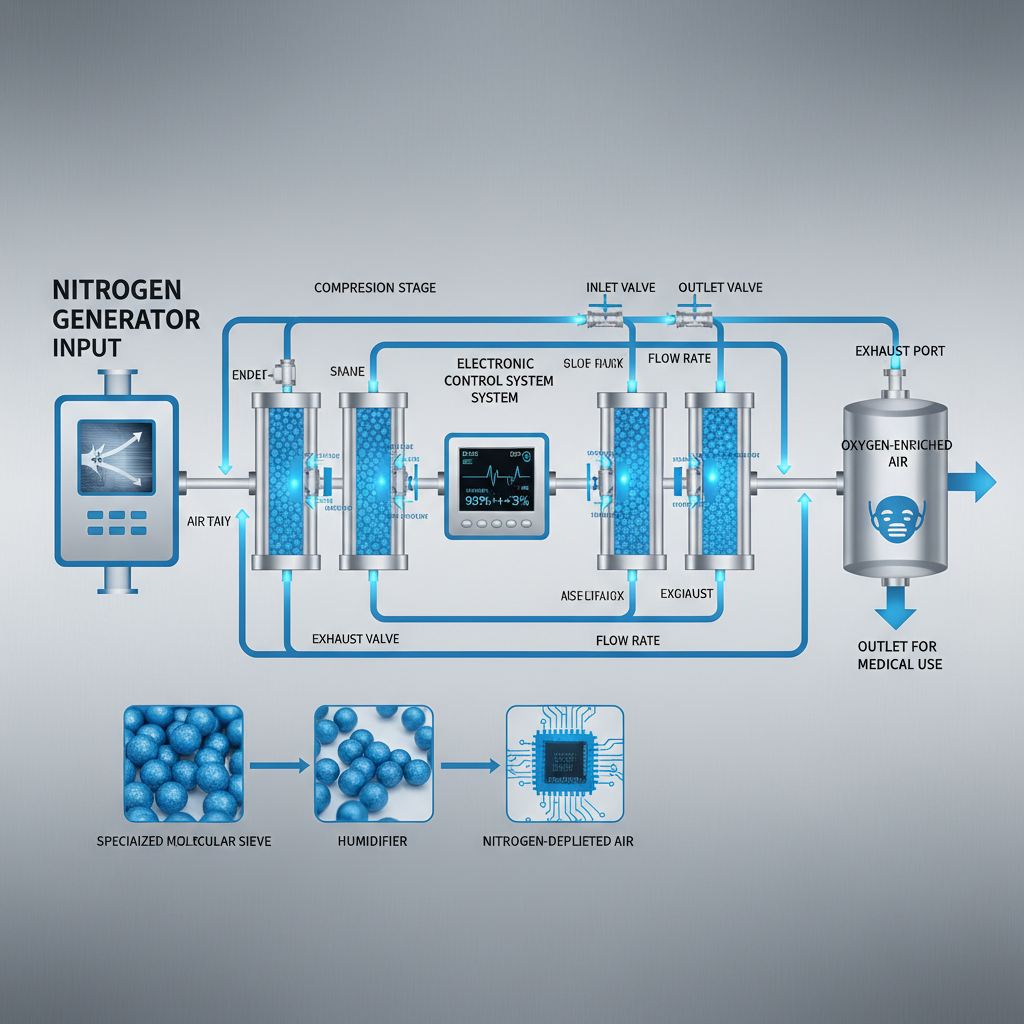
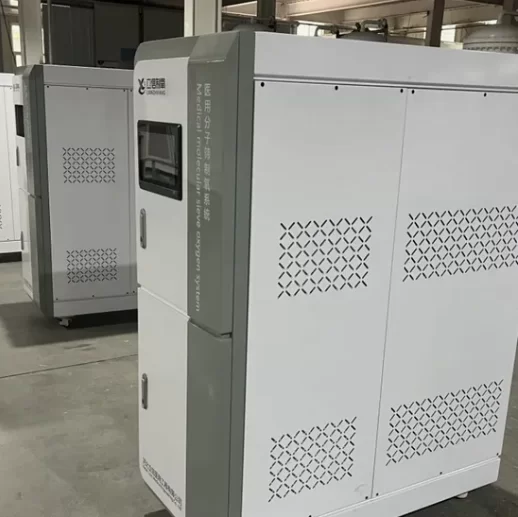
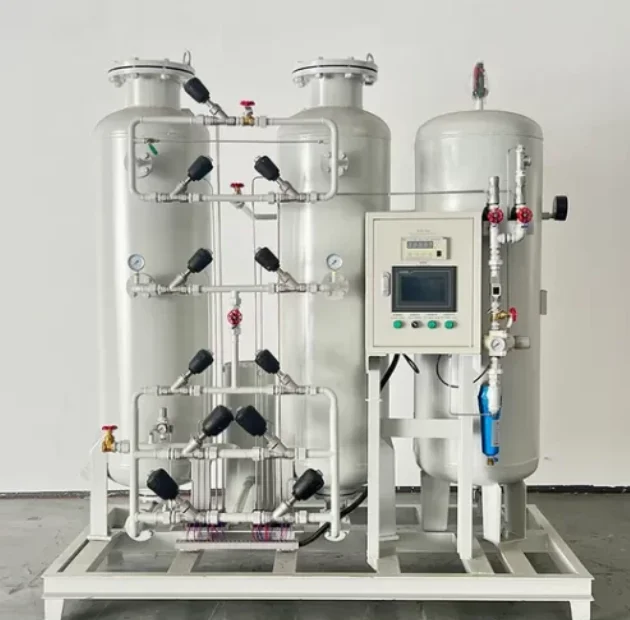
Both nitrogen and oxygen generators commonly utilize Pressure Swing Adsorption (PSA) or Vacuum Swing Adsorption (VSA) technologies. These processes rely on the selective adsorption of gases onto a molecular sieve material. In a nitrogen generator, the sieve adsorbs oxygen, leaving behind high-purity nitrogen. To produce oxygen, the process is reversed – the sieve adsorbs nitrogen, releasing oxygen. The key lies in the type of molecular sieve used and the precise control of pressure and vacuum cycles. Essentially, you’re leveraging the same core infrastructure but modifying the operational parameters and potentially the sieve material. This means that converting a nitrogen generator to an oxygen generator isn’t a complete overhaul but a targeted adaptation.
Key Takeaway: PSA/VSA technology forms the foundation for both nitrogen and oxygen generation, making conversion a viable option.
Converting a nitrogen generator to an oxygen generator typically involves several key steps. First, the existing oxygen-selective molecular sieve must be replaced with a nitrogen-selective sieve. This is the most crucial step as the sieve determines the purity of the final oxygen product. Second, the control system needs to be reprogrammed to manage the reversed adsorption cycles. This includes adjusting pressure settings, timing, and valve sequences. Third, a thorough system cleaning is required to remove any residual oil, dust, or contaminants that could compromise oxygen purity. Finally, the system should undergo rigorous testing and calibration to ensure it meets the required oxygen purity standards. Store Oxygen provides complete conversion kits and professional services to streamline this process.
Conversion Steps:
• Replace oxygen-selective sieve with nitrogen-selective sieve
• Reprogram the control system for reversed adsorption cycles
• Conduct thorough system cleaning
• Perform rigorous testing and calibration
Understanding the differences in operational parameters between nitrogen and oxygen generation is essential. Oxygen generation typically requires slightly lower compression ratios and different airflow rates compared to nitrogen. The choice between PSA and VSA also depends on the required oxygen purity and flow rate. VSA systems generally offer higher purity but lower flow rates, making them suitable for applications like medical oxygen. PSA systems provide a balance between purity and flow, making them ideal for industrial applications. The following table summarizes key differences:
Converting a nitrogen generator to oxygen generation can offer significant cost savings compared to purchasing a new oxygen generator or relying on liquid oxygen deliveries. The initial investment for conversion is typically lower, and you leverage your existing infrastructure. Reduced operational costs come from lower energy consumption and elimination of delivery charges. Furthermore, on-site oxygen generation provides a secure and reliable oxygen supply, mitigating the risks associated with supply chain disruptions. The ROI depends on your oxygen demand and local oxygen prices, but the potential for long-term savings is substantial.
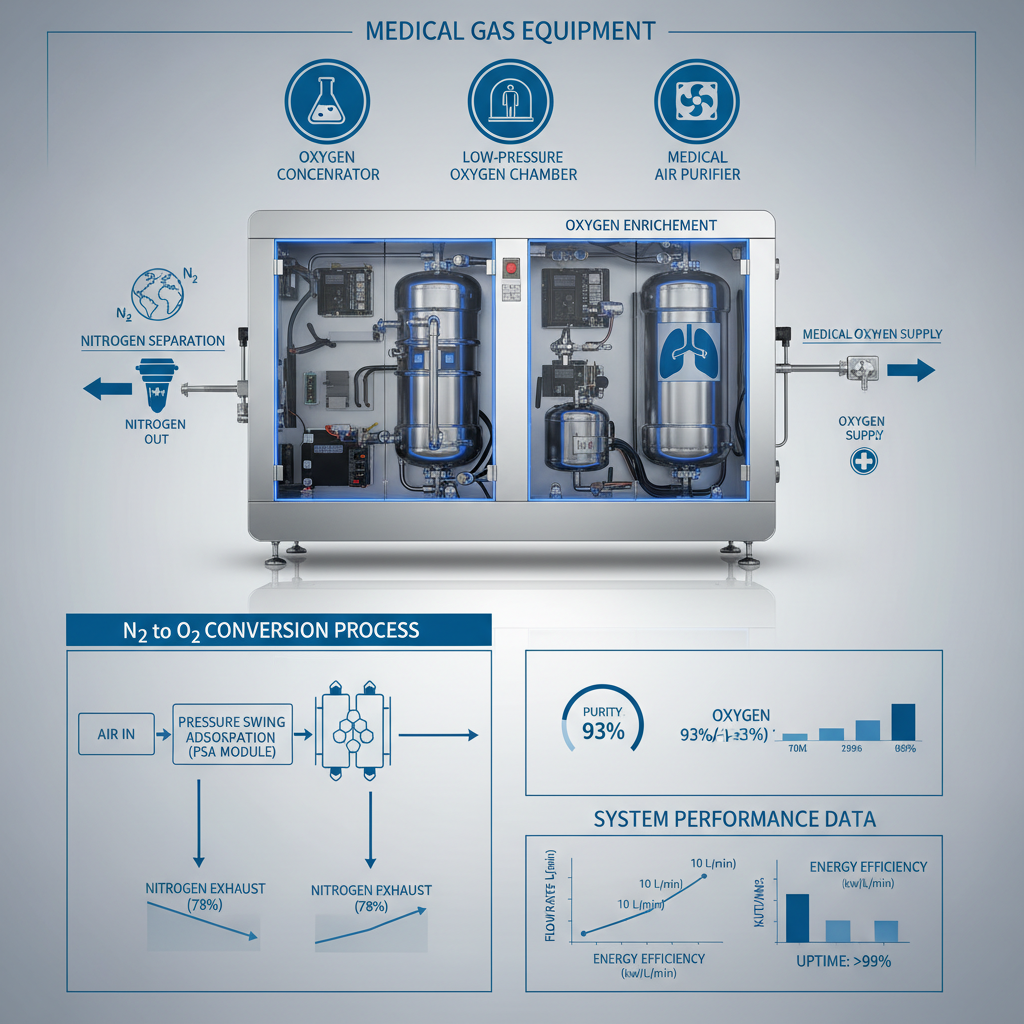
Oxygen-enriched environments pose specific safety hazards, including increased fire risk. It’s crucial to implement strict safety protocols and adhere to relevant regulatory standards. Regular maintenance, leak detection, and proper ventilation are essential. Staff training on safe oxygen handling procedures is paramount. Furthermore, ensure that the converted oxygen generator meets applicable industry standards and certifications for oxygen purity and safety. Store Oxygen provides comprehensive support to ensure your oxygen generation system complies with all relevant safety and regulatory requirements.
Converting a nitrogen generator to produce oxygen presents a viable, sustainable, and cost-effective alternative to traditional oxygen sourcing methods. By understanding the technical considerations, economic benefits, and safety requirements, businesses can unlock a reliable and independent oxygen supply. Store Oxygen is your trusted partner for seamless conversion and ongoing support.
The oxygen purity achievable through conversion depends on the type of molecular sieve used and the efficiency of the system. Typically, PSA systems can deliver oxygen purity between 90-95%, while VSA systems can achieve higher purities of 95-99.5%. For applications requiring medical-grade oxygen (99.5% purity or higher), a VSA system and stringent filtration are essential. It's critical to verify the purity levels with regular testing to ensure they meet your specific requirements. Store Oxygen offers advanced oxygen analyzers to ensure your oxygen meets the needed purity standards.
The conversion process usually takes between 1-2 weeks, depending on the complexity of the nitrogen generator and the availability of parts. This includes sieve replacement, control system reprogramming, system cleaning, testing, and calibration. A professional installation team from Store Oxygen can expedite the process and ensure a seamless transition. Downtime will be minimized with careful planning and efficient execution.
Similar to nitrogen generators, converted oxygen generators require regular maintenance to ensure optimal performance and longevity. This includes periodic sieve replacement (typically every 5-7 years), filter changes, and inspection of system components for wear and tear. Regular leak detection is crucial in oxygen systems due to the increased fire risk. Store Oxygen offers comprehensive maintenance packages and spare parts to keep your system running smoothly.
While many nitrogen generators can be successfully converted, it's essential to assess the system's condition and compatibility. Factors like the age of the generator, the type of compressor, and the overall system design play a role. Older or heavily used generators may require additional repairs or upgrades before conversion. Store Oxygen provides a free assessment to determine the feasibility of conversion for your specific nitrogen generator.