Hit enter to search or ESC to close
26 February 2026
The demand for high-purity nitrogen is continually increasing across diverse industries, including food packaging, electronics manufacturing, chemical processing, and pharmaceuticals. Traditionally, nitrogen is produced through cryogenic distillation of air, a process that is energy-intensive and often costly. However, membrane separation offers a compelling alternative, providing a more efficient and economical solution for generating nitrogen. This article explores the principles, benefits, applications, and technological advancements of membrane separation for nitrogen production from air. Understanding this technology is key to optimizing nitrogen supply chains and minimizing operational costs.
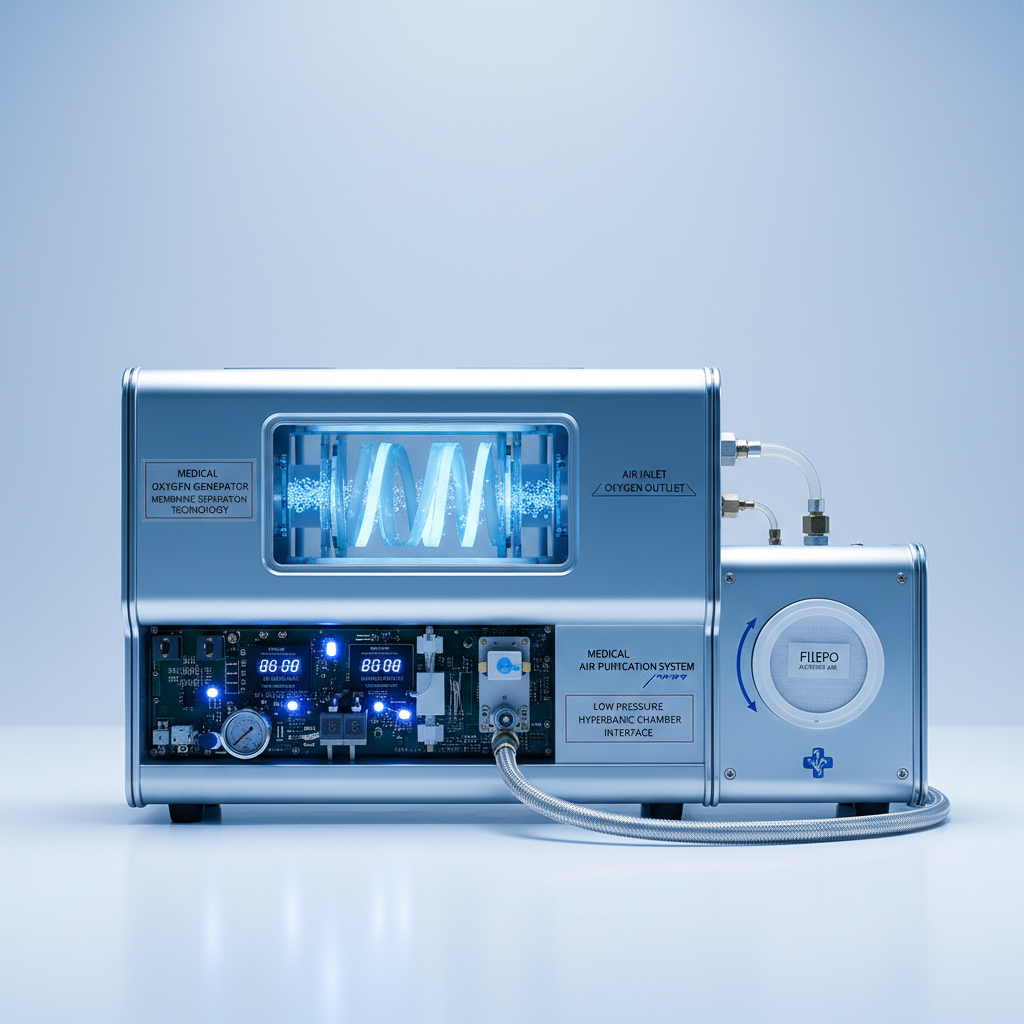
Membrane separation relies on the selective permeation of gases through a semi-permeable membrane. In nitrogen generation, these membranes are specifically designed to allow faster permeation of oxygen, carbon dioxide, and water vapor while restricting the passage of nitrogen. This difference in permeability is based on the kinetic diameter of the gas molecules and the membrane's pore size. The driving force for separation is a pressure difference across the membrane; compressed air is fed to the high-pressure side, and nitrogen-enriched air is collected from the low-pressure side. The choice of membrane material – typically polymeric, such as polysulfone or polyimide – is crucial, influencing selectivity, permeability, and overall system performance.
Key Highlights: Membranes selectively allow permeation of oxygen, carbon dioxide, and water vapor, while restricting nitrogen passage. The process is driven by a pressure difference.
While both methods produce high-purity nitrogen, they differ significantly in terms of cost, energy consumption, and complexity. Cryogenic distillation requires substantial upfront investment, high energy input for cooling, and skilled operators. Membrane separation, on the other hand, offers a modular, scalable, and relatively simple operation. It has significantly lower energy consumption and requires minimal maintenance. The initial investment for a membrane system is also typically lower, making it an attractive option for smaller-scale nitrogen requirements. However, cryogenic distillation can achieve ultra-high purity levels (99.999%+) that are sometimes difficult to reach with membrane technology.
Key Differences:
• Energy Consumption: Membrane separation is significantly more energy-efficient.
• Investment Cost: Lower initial investment for membrane systems.
• Complexity: Membrane systems are simpler to operate and maintain.
• Purity Levels: Cryogenic distillation can achieve higher purity.
The applications of nitrogen generated via membrane separation are widespread. In the food and beverage industry, nitrogen is used for Modified Atmosphere Packaging (MAP) to extend shelf life. In the electronics sector, it’s used for soldering, cleaning, and preventing oxidation. Chemical industries utilize nitrogen for purging, blanketing, and reaction control. Pharmaceuticals rely on nitrogen to maintain inert atmospheres during drug manufacturing. And increasingly, on-site nitrogen generation using membrane technology is favored over delivered nitrogen, reducing logistical complexities and costs. Store Oxygen offers custom membrane separation systems tailored to specific industrial needs.
Several factors influence the performance of a nitrogen membrane separation system. Feed air quality is paramount; pre-treatment to remove oil, moisture, and particulate matter is essential to prevent membrane fouling and maintain efficiency. Operating pressure significantly impacts both permeability and selectivity – higher pressures generally lead to increased production rates but can also accelerate membrane aging. Temperature also plays a role, with optimal performance typically achieved within a specific temperature range. Regular monitoring and maintenance, including filter replacements and membrane integrity checks, are critical for sustained operation.
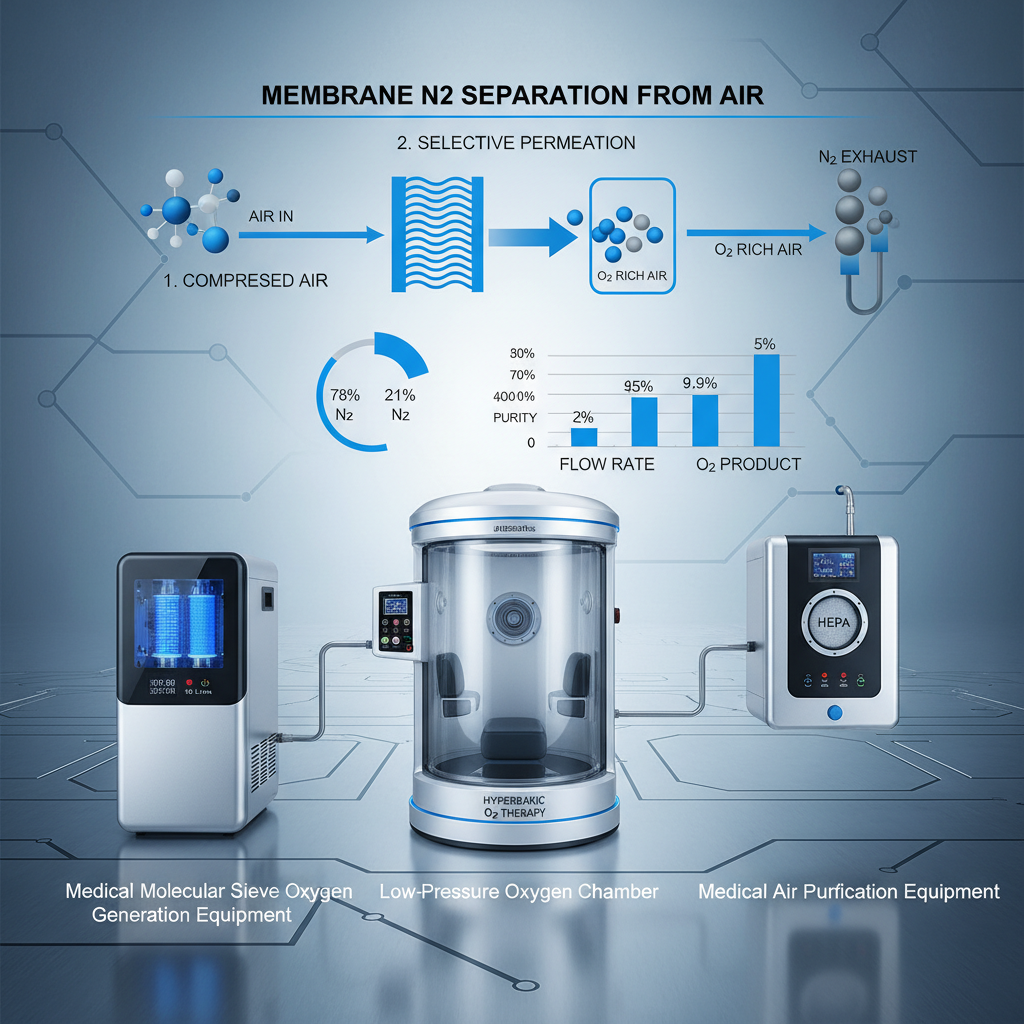
The specifications of nitrogen membrane systems vary widely depending on the desired purity, flow rate, and feed air conditions. Below is a sample table outlining typical performance characteristics.
Membrane separation provides a compelling alternative to traditional nitrogen generation methods. Its energy efficiency, lower costs, and ease of operation make it an increasingly attractive option across diverse industries. Store Oxygen is dedicated to providing innovative membrane separation solutions designed to meet your specific nitrogen requirements. Contact us today to explore how we can optimize your nitrogen supply and improve your bottom line.
Effective air pre-treatment is vital for maintaining membrane performance and longevity. This typically involves a multi-stage process, including particulate filtration to remove dust and debris, oil removal to prevent membrane fouling, and desiccant drying to eliminate moisture. Moisture can significantly reduce membrane selectivity and lead to performance degradation. The specific pre-treatment requirements will depend on the quality of the ambient air and the desired nitrogen purity.
The lifespan of nitrogen separation membranes typically ranges from 5 to 10 years, depending on operating conditions and the quality of air pre-treatment. Factors like continuous exposure to high temperatures, excessive pressure fluctuations, and contaminants can shorten the lifespan. Regular monitoring of membrane performance and adherence to recommended maintenance schedules are crucial for maximizing longevity.
Yes, membrane separation systems are inherently modular and scalable. Increased nitrogen demand can be met by adding more membrane modules to the existing system. This allows for a phased approach to capacity expansion, minimizing upfront investment and providing flexibility to adapt to changing needs. The modular design also simplifies maintenance and repair.
Routine maintenance typically involves periodic replacement of pre-filters and desiccant dryers. It is also essential to monitor system pressure, nitrogen purity, and membrane performance regularly. Visual inspections for leaks or damage should be conducted periodically. More in-depth maintenance, such as membrane cleaning or replacement, may be required every few years, depending on operating conditions.