Hit enter to search or ESC to close
2 December 2025
In the world of health technology, the mild hyperbaric chamber quietly holds a promising place. Offering therapeutic benefits ranging from enhanced healing to improved oxygen circulation, it’s gaining traction globally for wellness clinics, rehabilitation centers, and alternative medical settings alike. But why does it matter, especially now? Well, as medical science leans more into regenerative therapies and patients seek less invasive treatments, understanding mild hyperbaric chambers becomes essential. Their ability to aid wound recovery, reduce inflammation, and even assist neurological conditions provides a glimpse into next-gen healthcare modalities.
According to the World Health Organization, chronic wounds and hypoxia-related conditions affect millions worldwide, with rising healthcare costs making alternative therapies attractive. Meanwhile, the global wellness industry is booming — expected to surpass $7 trillion by 2025 (source). Mild hyperbaric chambers fit into this economic and societal shift by offering cost-effective, non-pharmaceutical interventions, especially in regions where traditional treatments might be inaccessible or too expensive.
Yet challenges remain: many clinics hesitate to adopt these technologies because of upfront costs and lack of awareness about their practical applications. This gap, frankly, is where educational awareness can make a huge difference.
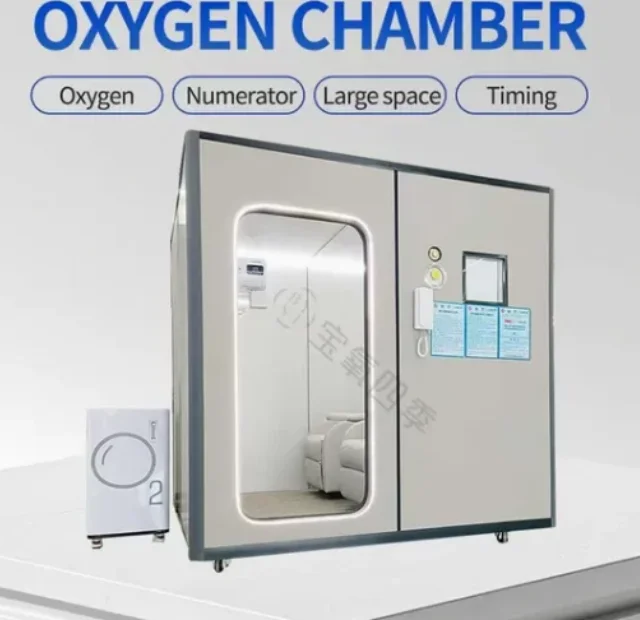
Simply put, a mild hyperbaric chamber is a pressurized environment where the air pressure is gently increased to about 1.3 atmospheres (130 kPa), a bit more than normal sea-level pressure. Unlike traditional hyperbaric oxygen therapy (HBOT) which uses 100% oxygen at much higher pressures, these mild chambers typically use normal air, making the sessions safer and more accessible for everyday wellness use. It’s kind of like giving your body a little “oxygen boost” without the intensity that requires strict medical supervision.
With roots in diving medicine, the mild hyperbaric chamber now finds applications in diverse settings — from sports recovery centers to humanitarian aid efforts where fast, mobile treatments can be a game-changer.
This is the core feature. The chambers maintain mild pressure, typically between 1.2 to 1.4 ATA, that increases oxygen partial pressure in the body gently. Precision valves and compressors manage this consistently to avoid discomfort or risk.
Unlike clinical HBOT, mild chambers generally don’t need concentrated oxygen. They rely on increased air pressure to enhance oxygen absorption through normal breathing. This reduces complexity and cost significantly.
Built-in pressure sensors, emergency release valves, and communication panels ensure user safety. Many models integrate digital controls and alarms, reassuring operators and patients alike.
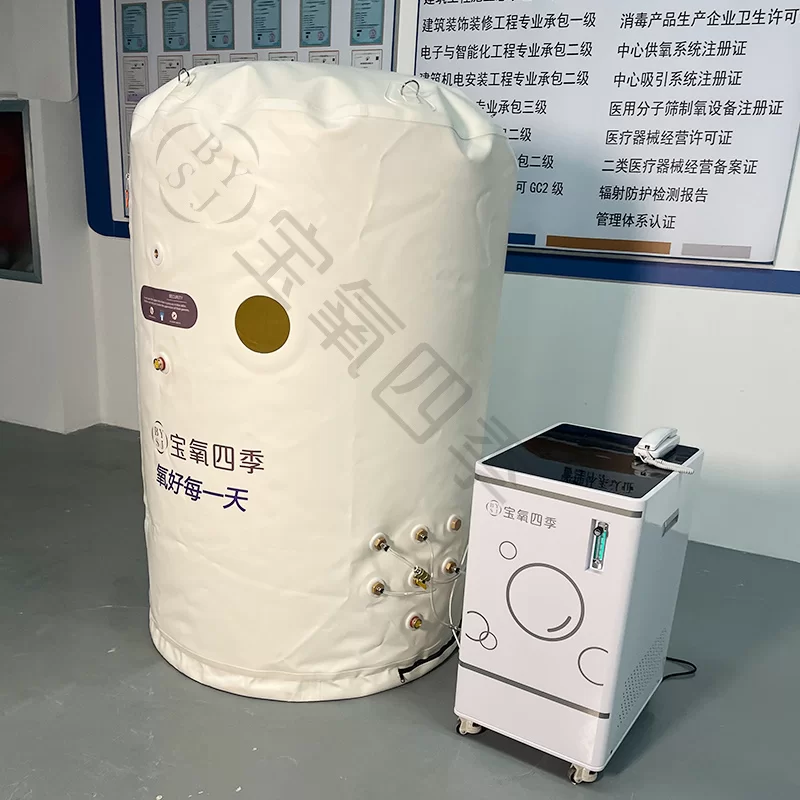
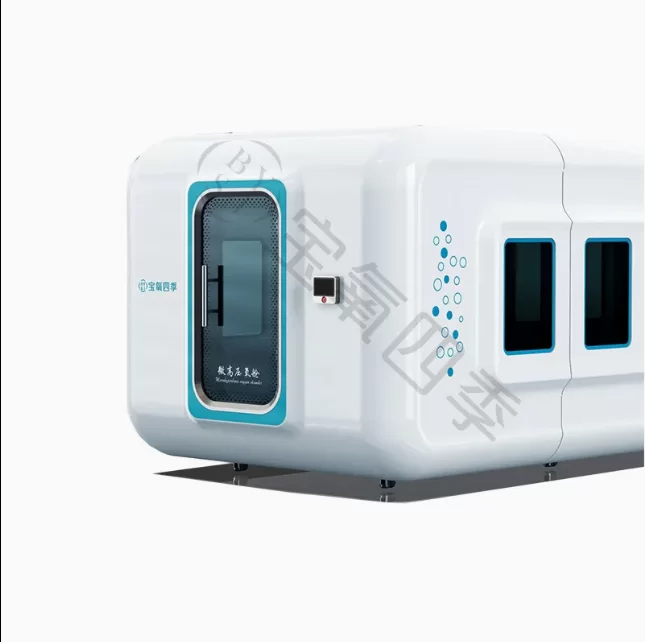
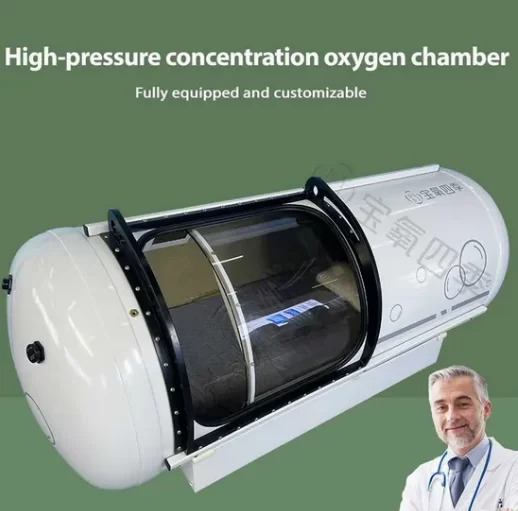
Size and design vary — from portable, single-person chambers to larger units for clinics. Comfort features like padded interiors, adjustable benches, and noise reduction enhance user experience, which is important because compliance can hinge on how “welcoming” the device feels.
The chambers are usually constructed from durable, lightweight materials such as PVC tarpaulin combined with fiberglass-reinforced frames. These materials must balance portability with airtight integrity.
It’s this simplicity— mild pressurization paired with accessible design — that makes mild hyperbaric chambers such a practical yet powerful wellness tool.
| Specification | Details |
|---|---|
| Max Pressure | 1.4 ATA (140 kPa) |
| Chamber Material | Reinforced PVC with aluminum frame |
| Oxygen Source | Ambient air (not concentrated oxygen) |
| User Capacity | 1-2 persons (varies by model) |
| Session Duration | 30 to 90 minutes |
| Dimensions | Approx. 200 cm length x 80 cm diameter |
| Portability | Foldable, weighs ~30kg |
Particularly in humanitarian contexts, portable mild hyperbaric chambers offer practical rescue and rehabilitation advantages — lightweight, fast to deploy, and user-friendly even where electricity can be unreliable.
On paper, you might think, “Why not just stick with traditional medicine?” But these chambers offer tangible financial and emotional benefits. For one, they’re more affordable than high-pressure HBOT units, drastically lowering entry barriers for clinics and NGOs alike. There's also a sustainability angle— lower energy consumption and minimal maintenance reduce long-term costs and environmental impact.
Socially, patients feel more at ease with mild oxygen therapy. Many report a sense of wellbeing and dignity restored through non-invasive care. For clinics, this means higher patient compliance and referrals.
| Feature | OxyWell | HyperLife | AeroRevive |
|---|---|---|---|
| Max Pressure | 1.3 ATA | 1.4 ATA | 1.25 ATA |
| Portability | Foldable, 28kg | Fixed frame, 40kg | Inflatable, 25kg |
| Oxygen Source | Ambient Air | Ambient Air | Ambient Air |
| Session Control | Digital panel w/ timers | Manual valves | Basic timer display |
| Price Range | $5,000 - $6,000 | $6,500 - $7,500 | $4,500 - $5,500 |
Looking ahead, the mild hyperbaric chamber is not standing still. Innovations in lightweight composites and inflatable designs are making portability even easier. Digital integration for session tracking, remote monitoring, and AI-suggested treatment plans is emerging, pushing the boundaries toward personalized care.
Sustainability plays a role, too: some manufacturers experiment with solar-powered compressors and recyclable materials to lower their carbon footprint. Plus, as regulatory bodies like the International Organization for Standardization (ISO) work toward clearer standards for these devices, we can expect wider acceptance and trust.
One recurrent issue is understanding the proper protocols for treatment duration and frequency — few standardized guidelines exist, which can confuse operators and reduce efficacy. Additionally, not all patients respond equally, and some pre-existing conditions need contraindications carefully evaluated.
Experts recommend ongoing clinician training and integration with broader wellness plans. Innovations in sensor technology and personalized oxygen dosing may soon mitigate these challenges.
In the end, the mild hyperbaric chamber offers not just a treatment, but a new way to think about wellness, recovery, and accessible healthcare. Its blend of safety, convenience, and scientifically backed benefits make it a compelling asset across industries and regions. Whether you’re a healthcare provider, an athlete, or someone seeking alternative wellness, these chambers can be a beacon of innovation and healing.
If you want to explore how mild hyperbaric chambers can fit your needs or organization's plans, visit our website: mild hyperbaric chamber.
Oddly enough, while widespread medical adoption is still evolving, the trend towards integrating mild hyperbaric technology echoes a larger shift towards non-invasive, patient-centered care — something I find quite promising.