Hit enter to search or ESC to close
1 December 2025
In a world where health innovation and emergency response converge, the micro hyperbaric oxygen chamber is quietly gaining traction. Its significance might not shout from the rooftops like some tech breakthrough, but globally, it's carving out a niche that blends medical science, environmental recovery, and industrial safety.
Put simply, these chambers offer a controlled environment where oxygen levels are increased under pressure to accelerate healing or improve air quality for specific tasks. Understanding why that matters on a global scale means recognizing how oxygen therapy and pressure-controlled environments reduce risks, speed recovery, or even save lives in hotspots ranging from disaster zones to remote industrial outposts.
In fact, the World Health Organization notes that access to oxygen therapy is a critical gap in many regions, influencing outcomes in diseases and emergencies [1]. That's where micro hyperbaric oxygen chambers step in, often in compact, scalable forms, tailored to modern needs.
Globally, urbanization, industrial expansion, and natural calamities have put pressure on health infrastructure and emergency services. The UN estimates over 55 million people were affected by natural disasters just in the past decade [2]. Meanwhile, remote industrial facilities, such as mining sites in harsh geographies, face oxygen scarcity challenges impacting worker safety.
In regions where health facilities are stretched thin, or in temporary relief centers, the micro hyperbaric oxygen chamber is not just an innovative gadget; it's a lifeline. It addresses critical oxygen needs, supports wound recovery, and even helps with altitude sickness in high-elevation workplaces.
Yet the challenge remains: how to deploy this tech efficiently, on-demand, and without massive infrastructure — exactly where micro-sized, modular chambers shine.
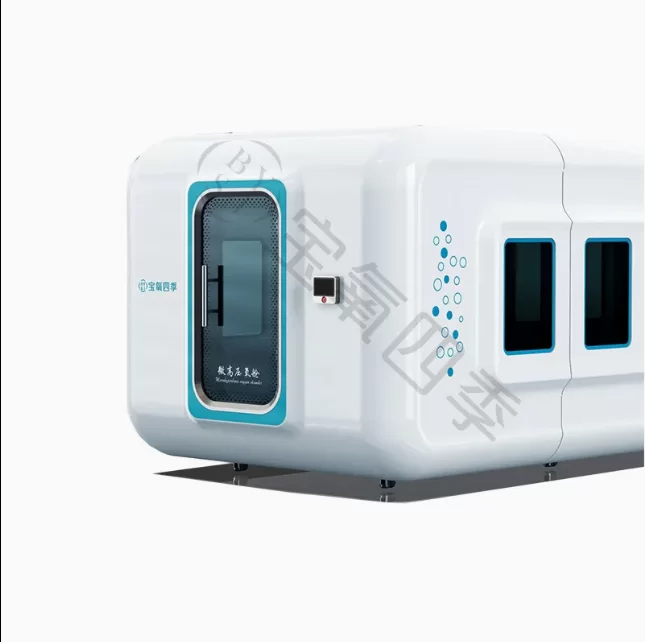
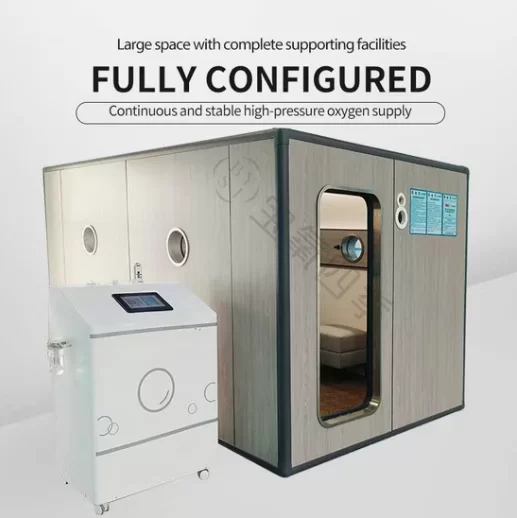
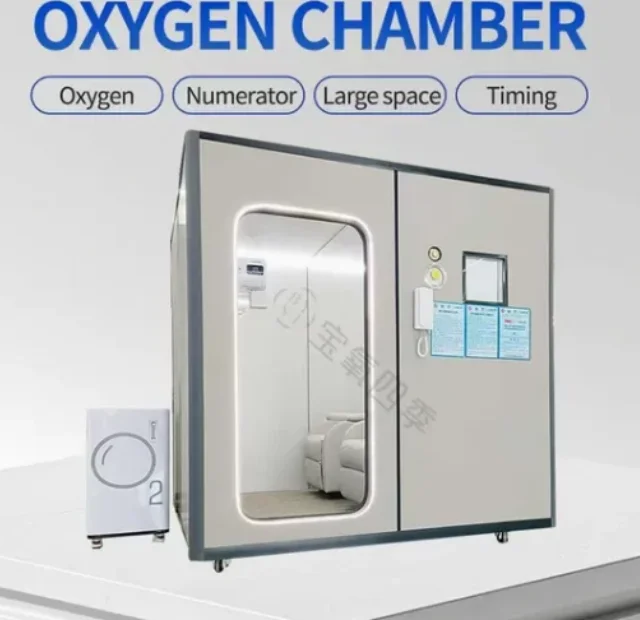
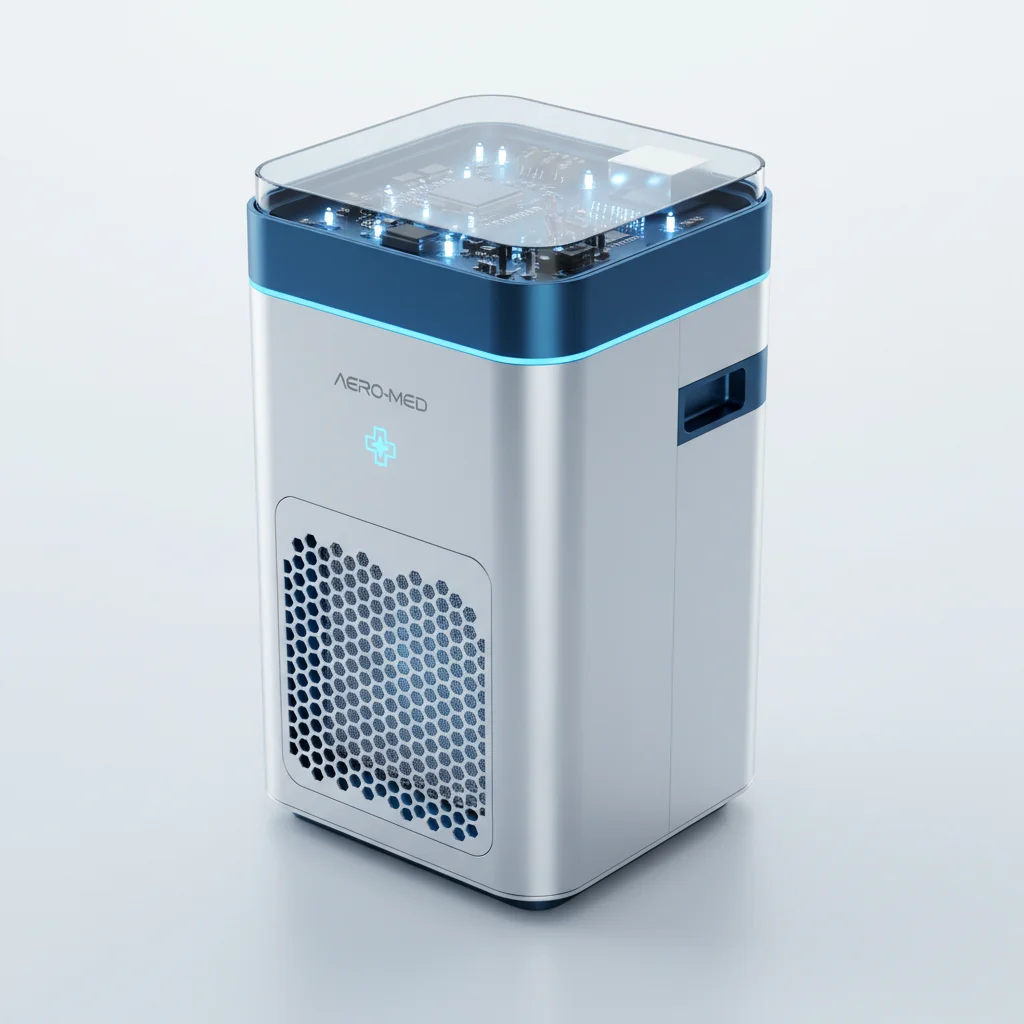
So what exactly is this device? At its core, a micro hyperbaric oxygen chamber is a small, pressurized enclosure designed to elevate oxygen concentration safely beyond the typical atmospheric levels. Unlike large hospital chambers, these micro units cater to specific, localized needs — whether for individual therapy or industrial applications.
A typical micro hyperbaric chamber uses materials like high-strength composites or specially cured polymers to maintain airtight conditions. They're equipped with precise pressure controls, oxygen supply units, and safety valves—basically, all the tech needed to create a breathable, pressurized environment.
This means they’re portable, easy to set up, and perfect for modern challenges that demand flexibility.
The micro hyperbaric oxygen chamber is surprising in its versatility, used from disaster relief to high-altitude industries, to clinical applications:
A curious note is how NGOs have started partnering with manufacturers to move these chambers into conflict zones, where oxygen availability often correlates closely with survival odds.
| Feature | Specification | Notes |
|---|---|---|
| Dimensions | 120 cm × 60 cm × 60 cm | Compact for mobility |
| Operating Pressure | 1.3 – 2.0 ATA (atmospheres) | Adjustable per therapy |
| Oxygen Concentration | Up to 95% | Medical-grade oxygen compatible |
| Material | Carbon fiber reinforced polymer | Lightweight yet durable |
| Power Source | Battery / DC adapter | Supports remote use |
| Vendor | Price Range | Key Features | Typical Use Case |
|---|---|---|---|
| OxyCompact Inc. | $8,000 – $12,000 | Ultra-light, auto-pressure control, battery life 6 hrs | Field clinics, sports therapy |
| HyperOxy Ltd. | $9,500 – $14,000 | Touchscreen UI, modular oxygen cartridges | Disaster relief operations |
| MediPress Systems | $7,500 – $10,500 | Robust build, simple controls, rapid deployment | Industrial safety, mining camps |
The benefits of these chambers blend practical and emotional elements. Logically, they reduce hospital stays by accelerating healing — wounds, infections, or altitude sickness respond faster. Providers save money, patients regain dignity.
In sustainability terms, these chambers consume less power and require fewer resources than full-sized units. Their portability means fewer heavy transports, a small but impactful carbon-saving angle.
From an emotional perspective, families with loved ones in disaster zones find comfort knowing oxygen therapy is closer, faster, more reachable. It's trust and safety wrapped into a neat box — or rather, chamber.
Looking ahead, the integration of digital health is exciting. IoT-enabled monitoring that feeds data real-time to doctors miles away. New materials, like graphene coatings, promise even lighter, stronger chambers.
Green energy solutions, solar-powered oxygen concentrators designed to mesh with micro chambers, will extend reach into off-grid areas.
Automation is a hot topic too — chambers that self-titrate oxygen based on vital signs. In short, smarter, greener, more human-focused tech is just over the horizon.
Of course, no tech is perfect. Challenges include:
Experts recommend modular designs that allow easy repairs, partnerships for oxygen logistics, and remote training platforms to build local operator skills.
The micro hyperbaric oxygen chamber is more than equipment. It's a symbol of adaptive innovation in health, safety, and emergency response. For regions facing scarce resources, for industries battling challenging environments, these chambers offer tangible relief and hope.
If you’re curious to learn more or explore product lines, don't hesitate — visit our website: micro hyperbaric oxygen chamber. Your next step toward safer, smarter oxygen therapy starts there.