Hit enter to search or ESC to close
27 November 2025
Medical oxygen plants have quietly become the backbone of modern healthcare infrastructures worldwide. The medical oxygen plant cost isn’t just a figure in a budget spreadsheet—it’s a critical piece of a puzzle that affects patient outcomes, hospital efficiency, and even national health strategies. Exactly why this matters has been painfully clear during global health crises like the COVID-19 pandemic, where oxygen shortages brought tragic consequences into sharp relief.
When hospitals can produce their own oxygen, they’re less vulnerable to supply chain breakdowns or market price spikes. This combination of security and cost-effectiveness makes understanding the expenses involved essential—not only for healthcare providers but for governments and NGOs aiming to boost resilience and accessibility in vulnerable regions.
Mini takeaway: Grasping the cost dynamics behind medical oxygen plants is key to improving healthcare delivery on a global scale.
Globally, oxygen demand has surged steadily for years. The World Health Organization estimates that around 20 million patients require medical oxygen annually, with numbers rising in aging populations and disaster-prone areas. According to UN reports, in low- and middle-income countries, oxygen supply remains a fatal bottleneck.
The challenge? Many facilities rely on costly imported cylinders or unstable supply chains. Building affordable, local oxygen plants can drastically cut these expenses and improve patient outcomes. As the International Organization for Standardization (ISO) highlights, standardized approaches to medical oxygen production improve both safety and cost management, but initial investment and operational expenses remain barriers for many healthcare settings.
So, when we talk about medical oxygen plant cost, we’re really discussing how to overcome these global inequalities by enabling sustainable local oxygen supply.
At its core, the medical oxygen plant cost refers to the total investment needed to set up and run an oxygen generation facility used in medical treatments. This includes equipment purchase, installation, commissioning, maintenance, energy consumption, and staff training.
But it’s not just a line item on a balance sheet. These plants exist at the intersection of technology and human welfare—they power ventilators, aid surgeries, and support emergency care. The cost informs feasibility and scope, whether for a hospital in New York or a clinic in rural India.
Higher-grade compressors, PSA (Pressure Swing Adsorption) units, and purification tech often mean bigger upfront costs but better oxygen purity and durability. Many engineers say opting for trusted brands reduces downtime and costly repairs.
The size of the plant directly affects cost. Smaller units might serve single-clinic needs affordably, while larger centralized plants can benefit from economies of scale but demand higher initial investment.
Costs for civil works, site preparation, and connection to hospital pipelines vary widely. Remote locations often face added expenses due to logistics or power supply upgrades.
Electricity, maintenance contracts, and trained operators add to the recurring expenses. Energy efficiency here can shave significant sums over a plant’s lifespan.
Meeting medical and environmental standards (ISO 13485, WHO norms, national health regulations) affects equipment choices and documentation, thus impacting costs.
Trusted vendors usually include service packages that might increase initial price but reduce long-term headaches.
Mini takeaway: The medical oxygen plant cost reflects a composite of technology, scale, location, and service factors — a bit like buying a car, but for lifesaving air.
Across continents, oxygen plants serve diverse purposes. In sub-Saharan Africa, NGOs install compact PSA plants to support maternal care clinics, cutting dependence on imported cylinders. In Southeast Asia, government hospitals invest in larger plants to serve entire districts. Even in disaster zones—think Nepal’s earthquake aftermath or recent floods in Bangladesh—mobile oxygen units have become lifesavers.
Industrial zones, surprisingly, also benefit. Some mining or chemical processing sites install oxygen plants to ensure their onsite medical units operate seamlessly, enhancing worker safety without logistic delays.
| Specification | Details |
|---|---|
| Production Capacity | 5–50 Nm³/hour |
| Oxygen Purity | ≥ 93% (Medical Grade) |
| Power Supply | 3-phase electricity, 220/380V |
| Pressure | 4–6 bar (adjustable) |
| Footprint | 10–20 m² (compact unit) |
| Warranty | 1–3 years depending on vendor |
| Vendor | Base Cost (USD) | Warranty (years) | Installation Included | After-Sales Support |
|---|---|---|---|---|
| OxyTech Solutions | 22,000 | 3 | Yes | 24/7 Hotline |
| MediPurify Corp. | 18,500 | 2 | Optional | Annual Maintenance |
| Global Oxygen Inc. | 25,000 | 3 | Yes | Onsite Training |
Beyond just the initial price tag, investing in medical oxygen plants pays off in multiple ways. Cost savings are obvious, especially compared to buying compressed oxygen bottles, but there’s also social impact. Local plants create jobs, reduce transport emissions, and bring dignity to communities by ensuring uninterrupted care.
Hospitals gain reliability, and patients can breathe easier knowing oxygen isn’t a scarce commodity. It’s a powerful mix of logic (cost efficiency) and emotion (life-saving trust) rolled into one. As more healthcare providers recognize this, the market is steadily growing.
Innovations like solar-powered oxygen generation and IoT-based monitoring systems are gradually changing cost structures. Automating operations reduces human error and maintenance costs. Plus, a greener approach helps meet stricter environmental regulations that many countries now enforce.
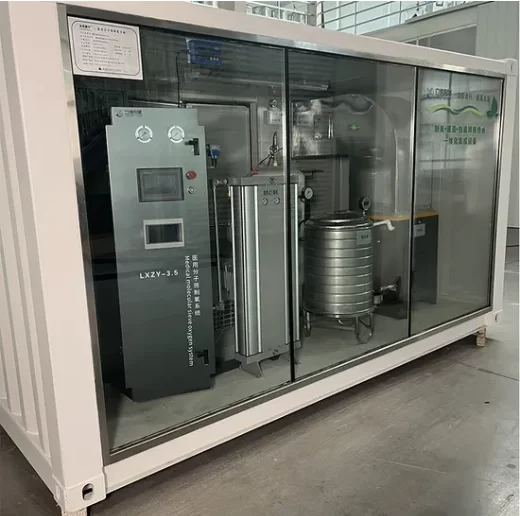
There’s very real excitement around modular, containerized oxygen plants that can be shipped quickly—for disaster response or sudden outbreak control—potentially lowering ramp-up times and associated costs.
The biggest challenges remain upfront capital and electrical power availability, especially in remote settings. But recently, partnerships between governments and international NGOs have started easing financial burdens through grants and subsidies.
Another hurdle is technical expertise for operation. Many vendors now offer remote training and digital support—bridging gaps that used to cause costly downtime.
Understanding the medical oxygen plant cost is about far more than dollars and cents. It’s about building healthcare resilience and saving lives reliably. As technology improves and global health priorities shift, investing wisely in oxygen production infrastructure can redefine patient care standards worldwide.
If you want to explore tailored solutions or deep-dive into pricing, visit our website: https://www.storeoxygen.com. Because the cost of oxygen is ultimately the cost of opportunity and life itself.
References:
1. WHO Medical Oxygen Needs and Tools – who.int
2. ISO 13485 Medical Devices Standards – iso.org
3. UN Sustainable Development Goals: Health & Wellbeing – un.org