Hit enter to search or ESC to close
26 November 2025
In an era where industrial advancement and healthcare needs continuously evolve, oxygen gas plant manufacturers stand at a pivotal intersection of technology and humanity. But what exactly drives their significance across industries and borders? Quite frankly, oxygen is not just a life-supporting gas but a cornerstone of many manufacturing processes, medical therapies, and emergency relief operations worldwide.
Understanding the ecosystem of oxygen gas plant producers reveals complex supply chains and ingenious engineering solutions focused on reliability, efficiency, and affordability. Whether it’s supporting intensive care units during pandemic surges or ensuring steel plants operate smoothly, these manufacturers’ roles are crucial — and often underappreciated.
Globally, the demand for oxygen has surged exponentially. According to the United Nations health statistics, oxygen therapy availability directly correlates with reduced mortality in respiratory diseases, underscoring its critical role in health systems. Industrially, markets like China, India, and the US collectively account for a large share of oxygen production, powered by massive plants producing tons daily.
Yet, the supply isn’t always seamless. Remote locations, fluctuating energy costs, and environmental regulations pose hurdles. That’s where innovative oxygen gas plant manufacturers come in — developing scalable, energy-efficient plants to bridge gaps, especially in underserved regions. The challenge: balance cost and sustainable operation to meet global oxygen needs.
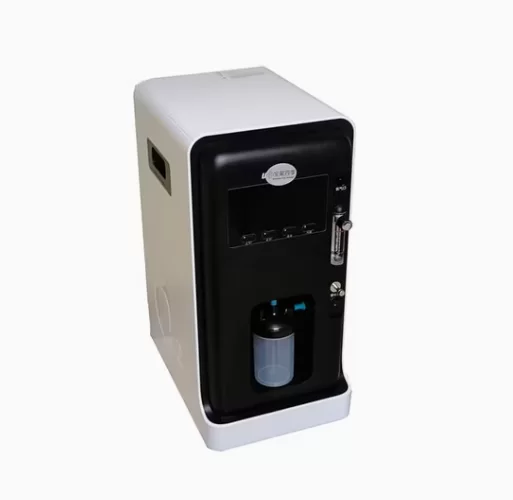
Simply put, oxygen gas plant manufacturers design, build, and often maintain large-scale systems that produce oxygen gas, primarily from atmospheric air, through processes like Pressure Swing Adsorption (PSA) or cryogenic distillation. These firms cater to hospitals, industrial factories, and emergency responders, providing onsite or centralized production capabilities.
Their work helps transform raw air into medical-grade or industrial oxygen, vital for everything from welding metals to treating COVID-19 patients. Without them, the constant reliable supply of pure oxygen — a commodity we often take for granted — would break down dramatically.
Equipment used in oxygen plants must withstand harsh operational conditions and maintain performance round-the-clock. Many manufacturers emphasize corrosion-resistant materials and modular designs to reduce downtime and maintenance headaches.
Whether you need a small-to-medium unit for a regional hospital or a giant facility for industrial complexes, flexibility in output capacity is key. Manufacturers usually offer turnkey models that can grow or scale down based on demand.
Energy consumption makes up a large chunk of operational costs. Cutting-edge oxygen gas plant manufacturers invest in optimizing compressor technology and adsorption cycles, sometimes integrating renewable energy sources, to keep bills manageable.
For medical use, 93% to 99.5% oxygen purity is mandatory. On the industrial side, standards vary but still require stringent quality testing both during and after production—often governed by ISO norms.
Modern plants incorporate IoT-enabled sensors and control systems to monitor flow rates, pressure, and purity levels remotely. This trend reduces human error and facilitates predictive maintenance.
Across the globe, oxygen gas plants are lifelines in many sectors. In healthcare, hospitals combating respiratory illnesses depend heavily on onsite oxygen plants to avoid dangerous supply shortages. For example, during the COVID-19 crisis, many countries scrambled to increase their oxygen production capabilities rapidly.
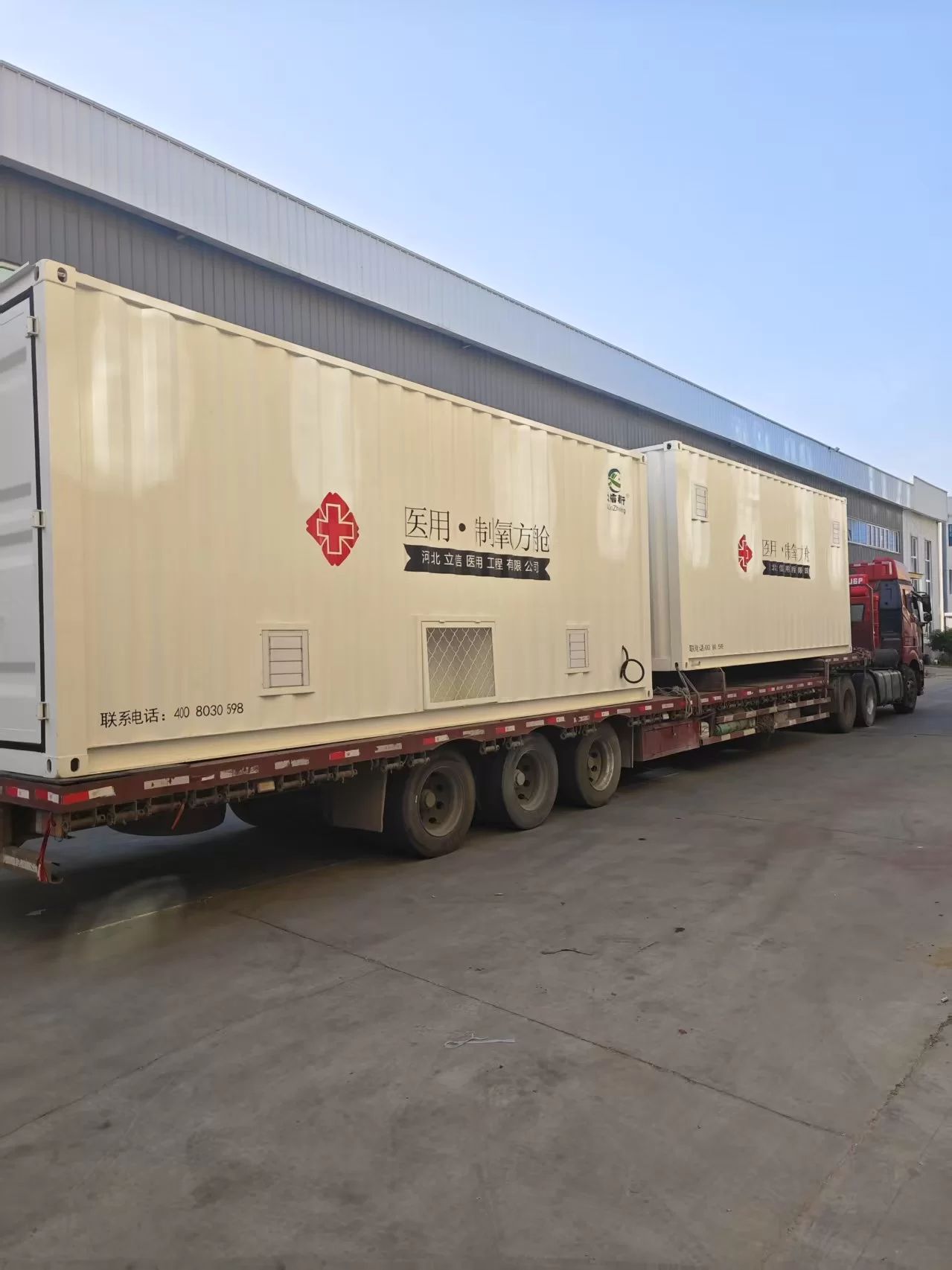
In industry, sectors such as steel manufacturing in China and Brazil consume vast amounts of oxygen to fuel blast furnaces. Meanwhile, remote mining camps rely on oxygen generation units designed by specialized manufacturers to support worker safety and equipment needs, far from urban infrastructure.
Humanitarian operations — post-tsunami in Southeast Asia or earthquake relief in Nepal — often enlist portable oxygen plants rapidly deployed to treat injured survivors. Such applications highlight how oxygen gas plant manufacturers don’t just build machines; they craft solutions that save lives and spur economic resilience.
Investing in a quality oxygen gas plant brings tangible benefits:
The future is exciting. Emerging technologies include:
Plus, evolving environmental policies will push manufacturers toward cleaner, smarter solutions, fulfilling rapid demand shifts and global equity in oxygen supplies.
Despite their promise, oxygen plants face hurdles:
Leading manufacturers now offer training programs, remote troubleshooting services, and modular upgrades to mitigate these challenges effectively.
| Feature | Specification |
|---|---|
| Capacity | 5 to 1000 Nm³/hr |
| Oxygen Purity | 93% ± 3% |
| Power Consumption | 0.5–1.2 kWh/Nm³ |
| Material | Stainless steel and carbon steel |
| Control System | PLC automated with remote monitoring |
| Manufacturer | Capacity Range (Nm³/hr) | Technology | Energy Efficiency | Global Presence |
|---|---|---|---|---|
| OxyTech Solutions | 10 – 500 | PSA & Cryogenic | High | Asia, Europe |
| PureAir Industries | 5 – 300 | PSA | Medium | North America, South America |
| BlueSky Manufacturing | 50 – 1000 | Cryogenic | High | Global |
It's quite clear by now: oxygen gas plant manufacturers are foundational to both industrial progress and humanitarian response. Partnering with a reputable manufacturer not only guarantees a stable oxygen supply but also supports sustainable innovation and societal well-being on a large scale.
For businesses and institutions exploring this field, the key is to seek out experienced, flexible manufacturers that can tailor solutions to your unique needs — whether that’s a hospital bolstering medical oxygen or a factory demanding high purity for processing.
Curious to explore options? Visit our trusted directory and resources at oxygen gas plant manufacturers for a deeper dive and personalized guidance.