Hit enter to search or ESC to close
7 November 2025
If you’re pricing an High Purity Oxygen Generator for high-elevation use, you’ve likely noticed two things: the tech is moving fast, and the real performance at altitude is where vendors either shine—or stumble. I’ve toured plants from Hebei to the Andes, and, to be honest, what matters most is consistency: purity, pressure, and uptime when the air gets thin.
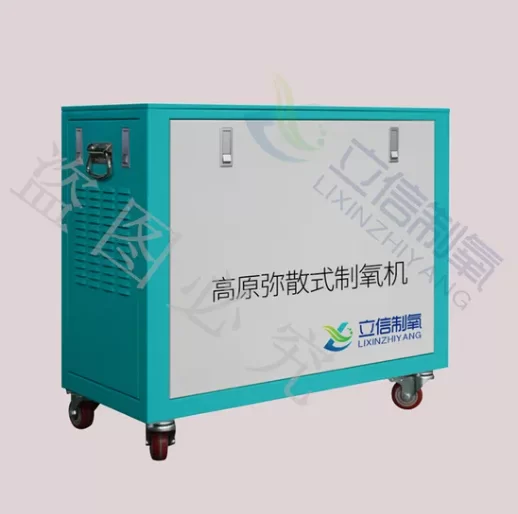
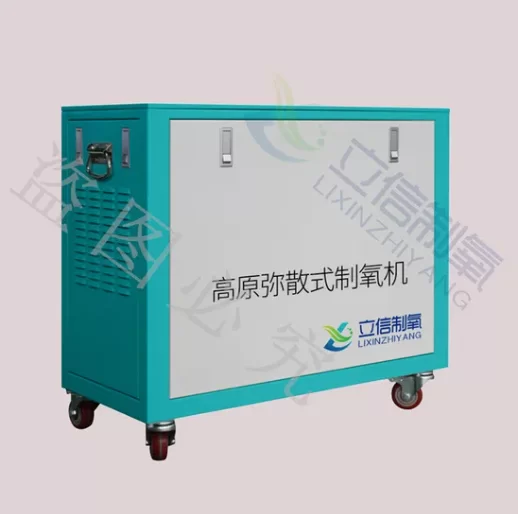
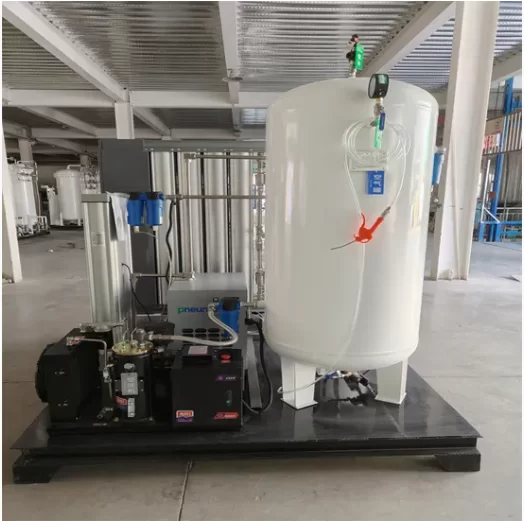
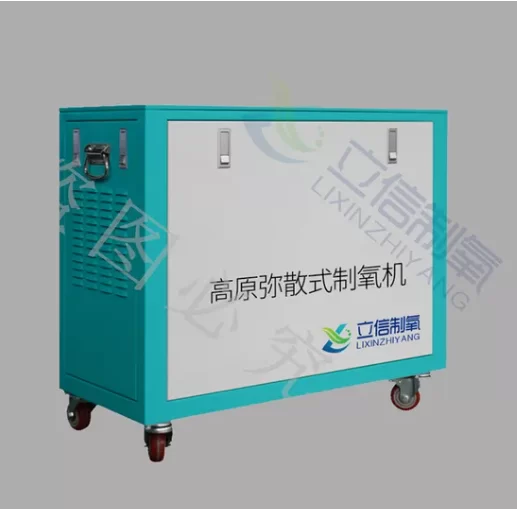
From 888 Kaiyuan Road, Jizhou District, Hengshui City, Hebei Province, the team behind the “Manufacturer of High-Purity High-Altitude Dispersion Oxygen Generator” builds PSA systems tuned for rarefied environments. Purity exceeds 93% (typical 93±3%), with configurations for medical wards, mining camps, labs, and even ice rinks at altitude. Many customers say the noise profile and power draw are lower than expected—pleasant surprise.
At 3,500 m, feed air density drops ≈ 30%. Standard PSA rigs lose yield and purity. The factory here retunes cycle timing, compressor sizing, and adsorbent mass to recover output. It sounds trivial; it isn’t.
| Oxygen purity | 93% ± 3% (per ISO 80601-2-69 analyzer) |
| Flow range | 5–60 Nm³/h (altitude-tuned; ≈ -10% per 1,000 m if untuned) |
| Outlet pressure | 0.3–0.6 MPa; optional boosters to 1.0 MPa |
| Dew point | ≤ -40 °C (ISO 8573-1 Class 2–3 air front-end) |
| Power consumption | ≈ 0.6–1.2 kWh/Nm³ O₂ (site, load, and altitude dependent) |
| Noise | ≤ 65 dB(A) at 1 m (typical skid) |
| Service life | Skid 10–15 yrs; zeolite 5–8 yrs; valves 3–5 yrs |
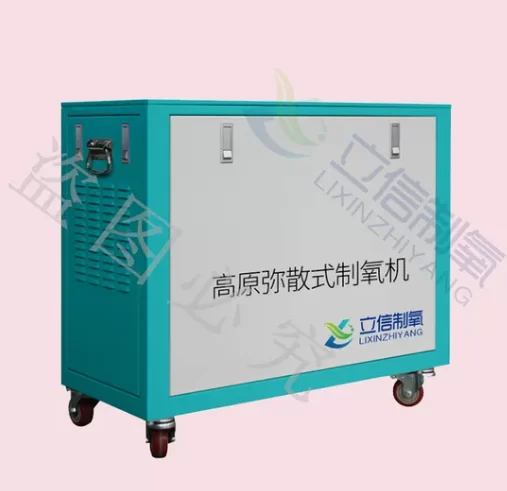
Materials: oil-free screw compressor, refrigerated + desiccant dryers, 304/316L stainless piping, twin PSA columns (LiX zeolite), PLC with altitude compensation. Methods: pre-filtration (ISO 8573), pressurization, adsorption, equalization, purge. Testing: GC/paramagnetic O₂ analysis (ISO 80601-2-69), pressure holding test, leak per ISO 7396-1, electrical safety per IEC 60601-1. Factory FAT includes 24–48 h burn-in; SAT on-site with purity and dew point logging.
Customer feedback? It seems that uptime is the headline: one Tibetan county hospital reported 98.5% availability across winter, with purity averaging 94.1% at 3,200 m.
| Vendor | Purity stability @ 3,500 m | Certifications | Lead time | After-sales |
| This manufacturer | ≈ 92–95% (logged) | ISO 13485/9001; pipeline per ISO 7396-1 | 5–8 weeks | 24/7 remote + local partners |
| Vendor A | ≈ 88–92% | ISO 9001 | 10–12 weeks | Business hours |
| Vendor B | Varies; needs booster | CE (self-declared) | 8–10 weeks | Email-only |
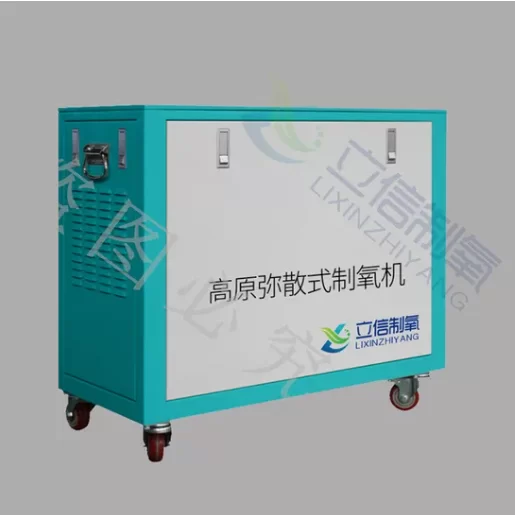
Options include N+1 redundancy, tank sizing, stainless manifolds, voltage (380/400/415 V), and medical alarms. For hospitals, ask for documented conformity to ISO 7396-1, electrical safety to IEC 60601-1, and biocompatible materials on patient-side circuits. Yes, it’s a bit paperwork-heavy—worth it.
Final tip: specify inlet air quality and altitude in the PO. This alone saves months of “why is purity drifting?” emails.