Hit enter to search or ESC to close
Large Hospitals Customized Gas Engineering/Oxygen Supply System Construction And Installation
From design to construction and installation, our expert team delivers tailor-made systems that meet international standards and the specific needs of each facility.
This turnkey service includes central oxygen supply systems, vacuum suction systems, compressed air pipelines, and other essential medical gas networks, ensuring seamless and uninterrupted operation in critical care environments such as ICUs, operating theaters, and patient wards. With a focus on safety, precision, and scalability, our solutions empower healthcare providers to deliver better patient care.
Fully Customized Solutions
Every project is designed to meet the unique requirements of the hospital, considering capacity, building layout, and medical applications.
Compliance with International Standards
Systems are built in accordance with ISO, HTM, NFPA, and other global medical gas engineering standards to ensure maximum safety and reliability.
Turnkey Project Management
From consultation and system design to construction, installation, and commissioning, we provide end-to-end project delivery for peace of mind.
High Capacity & Scalability
Designed to handle the high demand of large medical institutions while allowing future expansions or upgrades.
24/7 Technical Support
Our team offers round-the-clock assistance and maintenance to ensure system uptime and continuous operation.
Customization: | Available |
Warranty: | 1 Year |
Certification: | ISO9001, CE, ISO, CE |
Model NO. | Medical gas engineering | Noise Level | Low | |
Voltage | 220V | Purity | 93.5%-94.5% | |
Usage | Oxygen | Parts | Valve | |
Application Fields | Medical | Machine Size | Large | |
Condition | New | Purpose | Medical Center Oxygen Supply | |
Does It Support Processing | Yes | Product Type | Compressed Oxygen Production | |
Applicable Scope | Hospitals, Nursing Homes, etc | Install | Can Be Installed on Site | |
Characteristic | Stable Performance | Transport Package | Wooden Box | |
Specification | Wooden box | Trademark | Lixin Zhexing | |
Origin | Hengshui, Hebei | HS Code | 8419601900 | |
Production Capacity | 5000 Square Meters |
Product Description
The medical center gas supply system is an essential and important component of modern hospitals. Including: oxygen, vacuum suction, compressed air, laughing gas, nitrogen, carbon dioxide, etc.
The medical center gas supply system consists of a central gas supply station, pipelines, valves, pressure monitoring devices, flow meters (specifically for oxygen), alarm devices, and gas terminals. Medical gas is transported to the terminals of operating rooms, emergency rooms, treatment rooms, and various wards through pressure stabilizing devices, pipelines, valves, etc., for medical use.
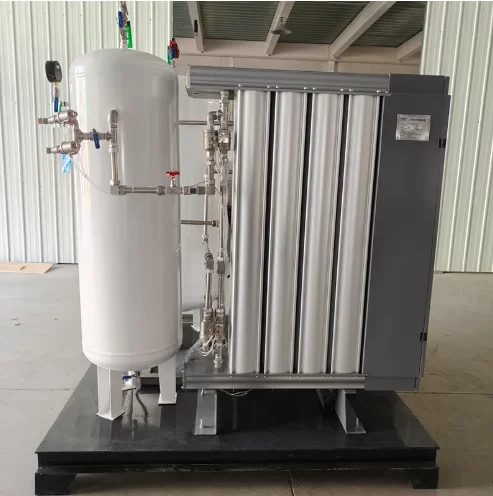
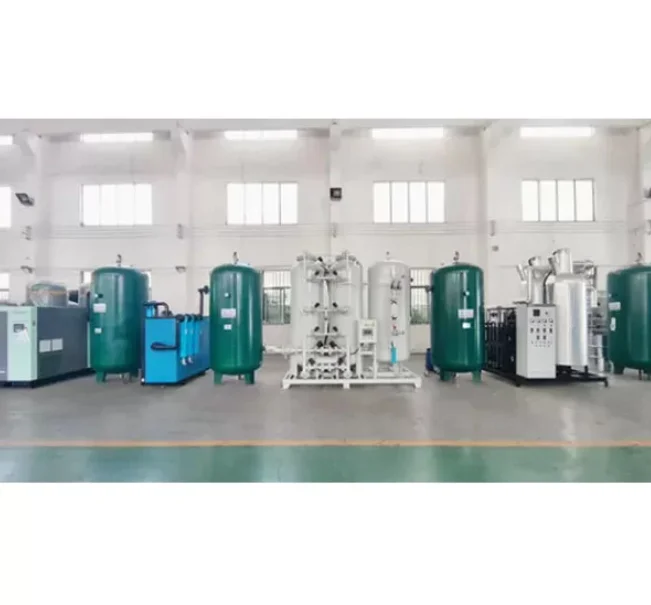
Central Oxygen Supply System: High-efficiency oxygen generators or manifold systems providing uninterrupted oxygen flow throughout the hospital.
Vacuum and Compressed Air Systems: Engineered for surgical suction and the delivery of clean medical air.
Custom Pipeline Design: Durable and leak-proof pipeline networks optimized for hospital layouts and patient safety.
Intelligent Monitoring System: Real-time monitoring and control of gas flow, pressure levels, and system performance via a centralized digital interface.
Emergency Backup Systems: Redundant designs with automatic switchover to backup supplies in case of primary system failure.
Strict Safety Measures: Incorporates alarm systems, pressure regulators, and safety valves for accident prevention.
The healthcare industry is rapidly evolving, and with it, the demand for sophisticated gas engineering and oxygen supply systems in large hospitals is higher than ever. Innovations in customized gas engineering and oxygen supply system construction and installation are revolutionizing the way hospitals manage critical medical gases, ensuring patient safety, operational efficiency, and adaptability to emerging healthcare needs.
Modern hospitals require systems that not only deliver oxygen and other medical gases reliably but also integrate advanced monitoring and control technologies. Innovations in large hospital gas engineering now include intelligent pipeline networks equipped with real-time sensors that monitor pressure, flow, and gas composition. These systems provide immediate alerts to maintenance teams, reducing the risk of interruption in gas supply, which is crucial in intensive care units, operating theaters, and emergency wards.
Customized solutions are another significant innovation. Each hospital has unique requirements depending on its size, layout, and specialties. Engineers now employ modular designs that allow flexible distribution of gases across multiple departments while minimizing waste and maximizing efficiency. 3D modeling and simulation tools enable precise planning of pipe routing and equipment placement, reducing installation errors and shortening construction timelines.
Integration with building management systems (BMS) is also a key innovation. Hospitals can now monitor gas usage remotely, analyze trends, and optimize supply according to demand. This not only improves operational efficiency but also supports energy conservation and cost savings. Smart systems can also schedule maintenance proactively, extending the lifespan of pipelines, valves, and storage tanks.
The materials used in modern installations have advanced as well. Anti-corrosion and lightweight alloys, coupled with specialized fittings and connectors, enhance durability and safety. Installation techniques now prioritize minimal disruption to hospital operations, with modular pre-fabricated components reducing downtime during retrofits or upgrades.
Additionally, training and digital tools enhance the operation of these systems. Operators can use interactive dashboards and mobile applications to monitor oxygen and gas systems in real time, improving response times during critical situations.
Overall, innovations in large hospitals customized gas engineering and oxygen supply system construction and installation focus on creating systems that are reliable, flexible, safe, and efficient. By leveraging advanced technologies, modular designs, and smart monitoring, modern hospitals can ensure continuous medical gas supply, enhance patient care, and reduce operational risks. These innovations are critical in meeting the growing demands of healthcare facilities and maintaining high standards of medical service.
Safety and efficiency are paramount when constructing and installing customized gas engineering and oxygen supply systems in large hospitals. Medical gases, particularly oxygen, are vital for patient care in intensive care units, operating rooms, neonatal wards, and emergency departments. Any disruption, contamination, or leak in the system can pose serious risks to patients, staff, and hospital infrastructure, making meticulous planning and execution essential.
Safety begins with careful system design. Engineers must comply with stringent international and national standards for medical gas systems, ensuring correct pressure levels, flow rates, and secure connections. Customized systems are designed to match the hospital’s unique layout, with redundancy built in to prevent total failure if a primary line is compromised. Multiple zones and backup cylinders ensure continuous supply, even during maintenance or emergency situations.
Proper installation procedures are equally critical. Each pipeline must be meticulously routed to prevent cross-contamination between gases and minimize the risk of leaks. All connections, valves, and regulators undergo rigorous testing to guarantee system integrity. Hospitals increasingly rely on advanced materials and anti-corrosion pipelines to extend lifespan and prevent failures, reducing the likelihood of dangerous incidents.
Efficiency is closely tied to safety. Efficient system design ensures consistent gas delivery without pressure fluctuations, which can be harmful to patients, especially those in critical care. Smart monitoring systems help maintain optimal performance, track usage patterns, and detect anomalies early. This prevents waste, lowers operational costs, and ensures that critical areas always receive the required supply without interruptions.
Training of personnel is another vital aspect. Hospital staff and maintenance teams must understand system operation, alarm protocols, and emergency response procedures. Proper training reduces human error, enhances response time, and ensures adherence to safety protocols.
Finally, maintenance and regular inspections are crucial. Scheduled maintenance, predictive monitoring, and real-time alerts allow hospitals to address potential issues before they escalate into dangerous situations. By prioritizing both safety and efficiency, hospitals can safeguard patients while optimizing resource use and operational workflow.
In conclusion, the construction and installation of customized gas engineering and oxygen supply systems in large hospitals demand a dual focus on safety and efficiency. These systems are not only critical for patient care but also for hospital operations, making careful design, advanced technology, proper training, and ongoing monitoring indispensable. Ensuring safe and efficient gas delivery protects patients, supports hospital staff, and maintains the high standards of modern healthcare facilities.
Constructing and installing customized gas engineering and oxygen supply systems in large hospitals is a complex undertaking that requires meticulous planning, technical expertise, and adherence to stringent safety standards. While these systems are essential for patient care, they present several unique challenges that must be addressed to ensure reliable performance and long-term safety.
One of the primary challenges is system complexity and customization. Large hospitals have diverse departments, each with specific oxygen and medical gas requirements. Operating rooms, intensive care units, and neonatal wards may require varying pressures, flow rates, and gas types. Designing a customized system that meets these diverse needs while maintaining a centralized control structure can be daunting. Engineers must carefully map out pipelines, storage locations, and distribution networks to ensure that every department receives a continuous and precise supply.
Installation in an operational hospital environment presents another significant challenge. Retrofitting or constructing gas pipelines often requires working around ongoing patient care and hospital operations. Minimizing disruption is critical. Solutions include using modular, pre-fabricated piping systems that can be installed in stages, scheduling work during low-traffic hours, and coordinating closely with hospital administration to ensure safety and continuity of services.
Safety and regulatory compliance is an ongoing challenge. Medical gas systems are subject to national and international standards, including strict guidelines for materials, pressure regulation, labeling, and monitoring. Non-compliance can result in system failure or safety hazards. To mitigate these risks, hospitals and contractors must implement rigorous testing protocols, select certified materials, and employ trained personnel familiar with healthcare gas regulations.
Maintenance and long-term reliability are also critical considerations. Large hospital gas systems must operate continuously with minimal downtime. Preventive maintenance, real-time monitoring, and smart alarm systems are key solutions. Modern systems often integrate digital sensors and remote monitoring platforms to detect leaks, pressure drops, or equipment malfunctions early, allowing corrective action before a critical failure occurs.
Finally, coordination among multidisciplinary teams is essential. Large hospital gas projects involve engineers, architects, hospital staff, safety officers, and contractors. Effective communication ensures that design, installation, and operational requirements align seamlessly. Using Building Information Modeling (BIM) and 3D simulation tools can improve coordination, detect potential conflicts in pipeline routing, and streamline the construction process.
In conclusion, while large hospitals face multiple challenges in customized gas engineering and oxygen supply system construction and installation—including system complexity, installation constraints, regulatory compliance, and long-term maintenance—these challenges can be effectively managed through innovative design, modular construction, advanced monitoring technology, and strong multidisciplinary collaboration. Addressing these challenges ensures that hospitals have safe, reliable, and efficient medical gas systems that support high-quality patient care and operational excellence.