Hit enter to search or ESC to close
26 January 2026
Nitrogen is an essential component across multiple industries, from automotive maintenance to electronics manufacturing, pharmaceuticals, and food packaging. Increasingly, businesses are turning to on site nitrogen generators and liquid nitrogen makers to ensure a reliable, cost-effective, and high-purity supply of nitrogen. Whether you need a portable nitrogen generator for mobile applications, a nitrogen generator for tires, or a large-scale industrial solution, understanding nitrogen production technology is essential for making informed decisions.
This article explores how nitrogen makers and generators work, their applications, advantages, and factors to consider when evaluating nitrogen generator price and performance.
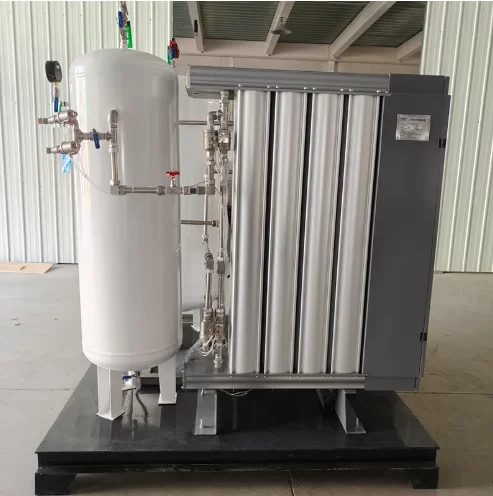
An on site nitrogen generator is a system designed to produce nitrogen from ambient air. These systems eliminate the need for bulky nitrogen cylinders or frequent deliveries of liquid nitrogen. Instead, nitrogen can be generated on-demand, ensuring a steady supply while reducing operational costs.
1. Pressure Swing Adsorption (PSA) Nitrogen Generators:
A PSA system separates nitrogen from oxygen and other gases using specialized adsorbent materials. These generators can produce nitrogen with purities ranging from 95% to 99.999%, making them ideal for industrial and laboratory applications.
2. Membrane Nitrogen Generators:
Membrane systems use semi-permeable materials to allow oxygen and other gases to pass through while retaining nitrogen. These are typically more compact and energy-efficient, suitable for applications where slightly lower purity is acceptable.
3. Cryogenic Liquid Nitrogen Makers:
A liquid nitrogen maker cools nitrogen gas to extremely low temperatures to produce liquid nitrogen. These systems are essential for industries requiring cryogenic storage, low-temperature processing, or high-volume nitrogen use.
4. Portable Nitrogen Generators:
Portable units offer mobility and convenience. They are often used in automotive applications, such as nitrogen generators for tires, allowing mechanics to fill tires with high-purity nitrogen without transporting cylinders.
An efficient nitrogen system often includes a nitrogen air compressor, filters to remove moisture and contaminants, and storage tanks to buffer supply. Together, these components ensure consistent output and safe, high-purity nitrogen for a variety of uses.
Modern nitrogen production has applications across numerous industries:
Nitrogen-filled tires provide better pressure retention, improved fuel efficiency, and reduced oxidation of tire materials. Nitrogen generators for tires ensure high-purity nitrogen is available on-site for workshops and automotive service centers.
Nitrogen prevents oxidation during soldering, PCB production, and laser cutting. On-site generation guarantees a continuous supply for precise industrial processes.
Nitrogen helps preserve packaged foods, prevent oxidation, and extend shelf life. A portable nitrogen generator can even be used for small-scale packaging or quality control testing.
Cryogenic and high-purity nitrogen are essential for laboratories, pharmaceutical production, and medical storage. Using a liquid nitrogen maker or on site nitrogen generator ensures availability and compliance with safety and purity standards.
1. Cost Savings: Reduces dependency on bottled or delivered nitrogen, lowering long-term operational costs.
2. High Purity: Advanced systems maintain consistent nitrogen purity levels.
3. Reliability: On-demand nitrogen avoids production downtime.
4. Flexibility: Available in small, portable units for mobility or large-scale industrial nitrogen production systems.
5. Environmental Benefits: Reduced transportation needs decrease carbon footprint.
·
When selecting a system, several factors should guide your decision:
1. Required Purity: Identify whether your application requires 95%, 99%, or ultra-high purity nitrogen.
2. Production Volume: Determine whether you need a small portable nitrogen generator or a high-capacity industrial unit.
3. Space Constraints: PSA and cryogenic systems require more space, while membrane and portable units are compact.
4. Operational Costs: Consider electricity, maintenance, and replacement parts when evaluating nitrogen generator price.
5. Mobility Needs: For automotive or field applications, a portable unit offers convenience and flexibility.
Reputable brands and suppliers often offer consultation services to match your requirements with the appropriate nitrogen maker or generator system, balancing nitrogen generator price with efficiency and reliability.
Investing in an on site nitrogen generator or liquid nitrogen maker provides industries with an efficient, cost-effective, and flexible nitrogen supply. From mobile applications like nitrogen generators for tires to high-volume industrial nitrogen production, these systems offer unparalleled reliability, safety, and purity. Whether using a small nitrogen generator for laboratory needs or a full-scale industrial setup, on-site nitrogen generation ensures independence from external suppliers, reduces long-term costs, and supports a wide range of critical applications.
Understanding your operational requirements, production volume, and mobility needs is essential when evaluating options. With the right equipment, businesses can optimize nitrogen production, improve workflow efficiency, and maintain consistent, high-quality output.
An on site nitrogen generator produces nitrogen from ambient air directly at your facility, eliminating the need for bottled or delivered nitrogen and providing a reliable, on-demand supply.
A liquid nitrogen maker cools nitrogen gas to extremely low temperatures, condensing it into liquid form for cryogenic storage, medical applications, or industrial processes requiring low-temperature nitrogen.
Yes. Portable nitrogen generators are ideal for filling tires with high-purity nitrogen on-site, improving tire longevity, pressure stability, and fuel efficiency.
Nitrogen generator price depends on purity level, production capacity, generator type (PSA, membrane, or cryogenic), mobility, and brand reputation. Higher-purity or high-volume systems typically cost more upfront but offer long-term savings.
Industries such as automotive, electronics, pharmaceuticals, food and beverage, and laboratory research benefit significantly from nitrogen production due to purity requirements, oxidation prevention, and process reliability.