Hit enter to search or ESC to close
8 December 2025
Having spent over a decade working in industrial equipment, I can say with some confidence that the emergence of automotive nitrogen generators is one of those quietly transformative developments. You probably don’t hear about them in everyday car talk, but for fleet managers, tire shops, and automotive service pros, these systems have become indispensable.
Frankly, it feels like just yesterday when nitrogen tire inflation was a luxury, and today it’s almost a standard in extended vehicle uptime strategies. Oddly enough, this shift has mostly come from noticing small, persistent problems: tires losing pressure too fast, increased oxidation, and unpredictable tire wear patterns. That’s where automotive nitrogen generators step in, providing nitrogen gas on-site, reliably and efficiently.
Initially, I was skeptical — “Nitrogen? Isn’t that just fancy air?” I thought. But the difference lies in oxygen content. Compressed air is roughly 21% oxygen, which contributes to faster rubber degradation and moisture inside tires, causing corrosion on rims and sensitive electronics inside modern TPMS (Tire Pressure Monitoring Systems).
Pure nitrogen, largely free of moisture and oxygen, slows down these destructive factors, keeps tire pressure more stable for longer periods, and frankly, makes scheduled maintenance less of a headache. Many engineers I've worked with say it “just makes sense,” especially when uptime is crucial.
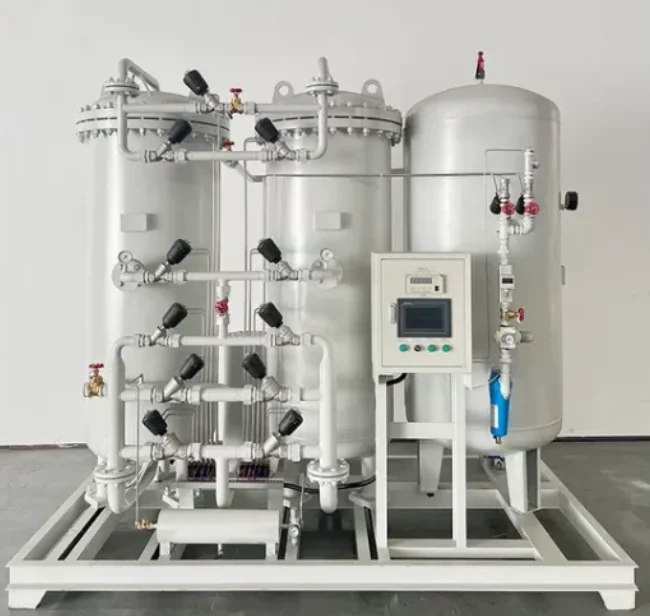
Most automotive nitrogen generators operate using PSA (Pressure Swing Adsorption) technology or membrane filtration. PSA units attract oxygen and moisture to adsorbent material, leaving clean nitrogen gas behind. Membrane units work by filtering air selectively — a bit like a sieve. Both do a solid job, though PSA systems tend to offer higher purity nitrogen at variable flow rates.
| Model | Purity (%) | Flow Rate (L/min) | Power (kW) | Dimensions (mm) |
|---|---|---|---|---|
| NG-2000 | 95–98 | 15 | 1.5 | 850×600×1200 |
| Membrane Pro 500 | 93–95 | 10 | 1.1 | 780×550×1100 |
| AutoN2 Max | 98+ | 20 | 2.0 | 900×650×1250 |
Speaking from experience, not every nitrogen generator is created equal. Service support, ease of operation, installation flexibility, and reliability matter big time. Here’s a quick comparison highlighting key vendor features:
| Vendor | Tech Type | Warranty | Customer Support | Typical Applications |
|---|---|---|---|---|
| StoreOxygen | PSA | 2 years | 24/7 phone & email | Tire shops, fleet maintenance |
| AutoNitro | Membrane | 1 year | Business hours only | Mobile service units |
| N2Pro Tech | PSA | 3 years | On-site training & support | Large automotive factories |
I remember a mid-sized tire shop I once consulted for. They’d been battling uneven tire wear despite strict maintenance schedules. After switching to nitrogen inflation using one of these generators, they not only extended tire life by months but also saw fewer flat tires and quicker service turnaround. They told me, “It’s like we found a new secret weapon.” Stories like that stick with me.
You know, even if you’re not running a high-volume shop, investing in an automotive nitrogen generator can pay off over time with reduced tire replacements and improved safety. Plus, having nitrogen on-site means no more waiting for bulky gas cylinders or worrying about inconsistent quality.
In real terms, adopting nitrogen generators for automotive applications isn’t just about keeping tires inflated; it's about smarter vehicle upkeep, sustainability in maintenance, and upping your operational game. As technology improves, I anticipate these units will become compact, more energy-efficient, and even more user-friendly.
So, whether you’re an equipment buyer, shop owner, or just a curious professional, these engines of efficiency deserve a closer look. It’s fascinating how something as simple as pure nitrogen can subtly reshape an entire industry, one tire at a time.
— Written by a longtime industrial equipment veteran, advocating for trusted, practical solutions.
© 2024 Industrial Equip Insights