Maintaining sterile and clean air environments has become a critical priority in modern healthcare and industrial settings, leading to the widespread adoption of the air purifier on wall. Unlike floor-standing units that can obstruct walkways and collect dust underneath, wall-mounted systems optimize spatial efficiency while ensuring a consistent flow of purified air throughout the room. This strategic placement allows for better air circulation and targeted filtration of airborne pathogens, making it an essential component in high-standard medical facilities.
Globally, the demand for advanced air filtration is driven by the increasing prevalence of respiratory illnesses and the stringent requirements of ISO cleanroom standards. The integration of an air purifier on wall addresses the challenge of "dead zones" in ventilation, where pollutants often settle. By elevating the intake and output points, these devices can more effectively capture floating particulates and volatile organic compounds (VOCs) before they reach the patient's breathing zone.
Understanding the nuances of wall-mounted purification is not just about hardware; it is about implementing a comprehensive hygiene strategy. From the use of HEPA filters to UV-C sterilization, the evolution of the air purifier on wall represents a shift toward proactive environmental control. This guide explores the technical foundations, global applications, and future innovations that make these systems indispensable for ensuring safety and dignity in medical and residential care.
Global Relevance of Air Purifier on Wall
The global healthcare landscape is currently facing an unprecedented challenge in controlling healthcare-associated infections (HAIs). According to World Health Organization (WHO) guidelines, air quality in clinical settings is a primary vector for the transmission of opportunistic pathogens. The implementation of an air purifier on wall provides a scalable solution to mitigate these risks, particularly in corridors and patient rooms where floor space is limited.
Beyond clinical settings, urban pollution levels in mega-cities have pushed the need for high-efficiency particulate air (HEPA) filtration into residential and commercial sectors. Wall-mounted units are increasingly preferred because they prevent the accidental tipping of devices and minimize the accumulation of dust at the base, which often happens with portable purifiers. This shift represents a broader movement toward integrated architectural health solutions.
Defining the Wall-Mounted Purification Concept
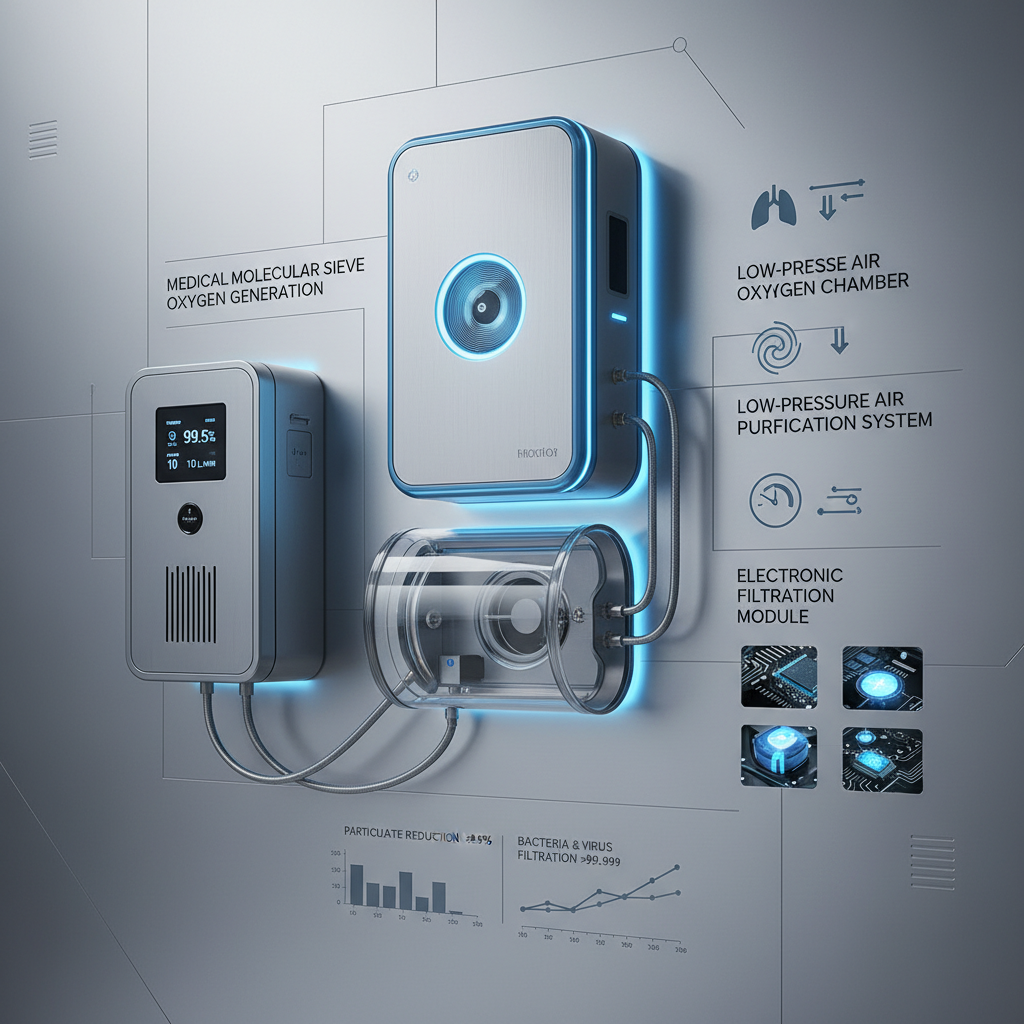
An air purifier on wall is a specialized air cleaning device engineered to be permanently or semi-permanently affixed to a vertical surface. Unlike traditional portable units, these devices are designed to manage the "air layer" of a room more effectively, pulling contaminated air from the mid-to-upper levels where many aerosolized particles linger.
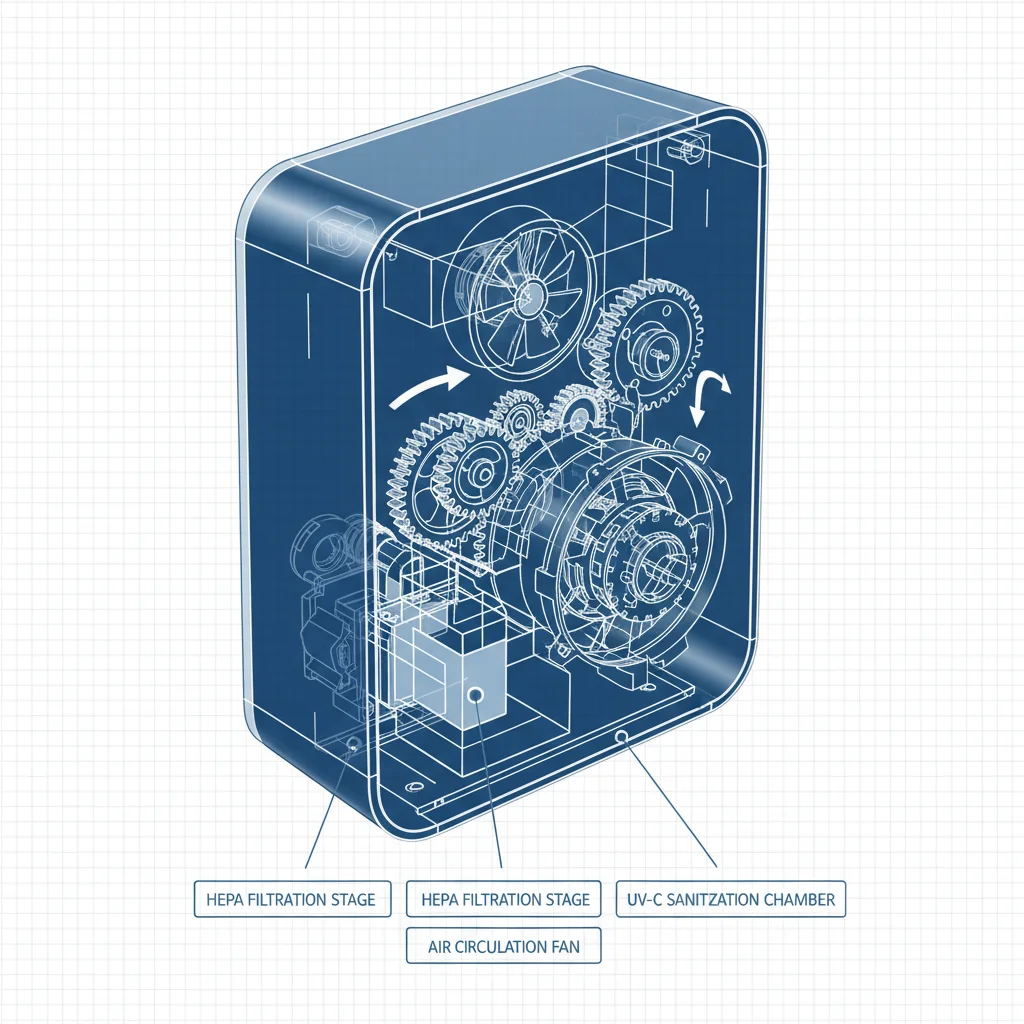
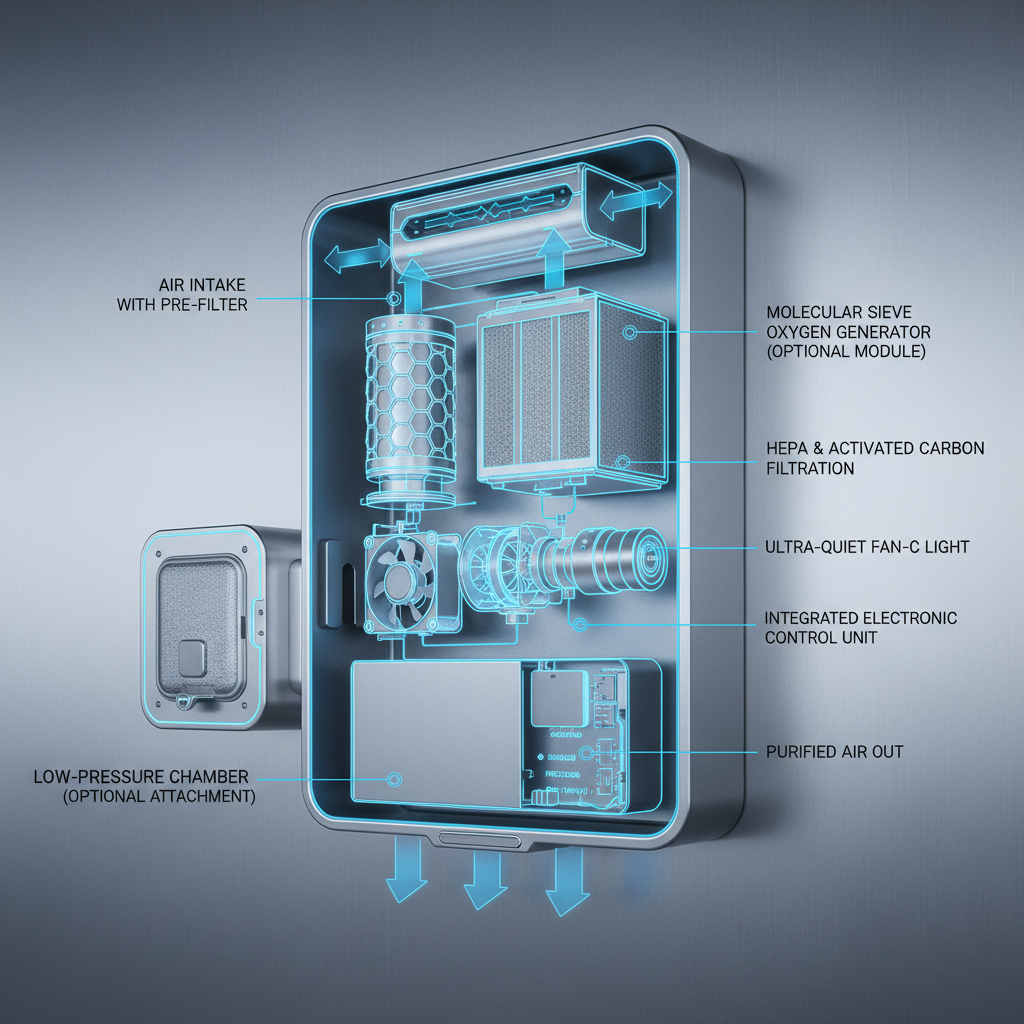
From an industrial perspective, these units are often integrated with the building's electrical system to provide 24/7 continuous operation without the hazard of trailing power cables. They typically combine mechanical filtration (HEPA) with electronic or chemical sterilization (UV-C or Ionization), ensuring that the air discharged back into the room is clinically clean.
The connection to modern humanitarian needs is evident in the deployment of temporary clinics in disaster zones. When traditional HVAC systems are unavailable, installing a series of air purifier on wall units can quickly transform a standard tent or modular cabin into a safe, sterile environment for treating respiratory patients.
Core Components for Optimal Air Quality
Durability is the first cornerstone of any air purifier on wall. Since these units operate continuously, the chassis must be constructed from medical-grade ABS or powder-coated steel to resist corrosion from harsh cleaning chemicals used in hospitals. This ensures the device remains a hygienic asset rather than a source of contamination.
The filtration core is where the real science happens. A high-performance air purifier on wall typically employs a multi-stage process: a pre-filter for large dust, a H13 or H14 HEPA filter for sub-micron particles, and an optional activated carbon layer for odors. This layered approach ensures that the most expensive filters are protected and last longer.
Scalability and noise control are equally vital. Advanced models utilize brushless DC motors to maintain a high Clean Air Delivery Rate (CADR) while keeping decibel levels low enough to avoid disturbing patient sleep. This balance of power and silence is what distinguishes a professional-grade air purifier on wall from a consumer-grade product.
Practical Performance Metrics and Efficiency
Measuring the efficacy of an air purifier on wall requires looking beyond simple airflow numbers. The critical metric is the Air Change per Hour (ACH), which determines how many times the total volume of air in a room is filtered. In high-risk areas like isolation wards, a higher ACH is required to ensure that viral loads are reduced rapidly.
Furthermore, the energy efficiency of wall-mounted systems often surpasses that of large central HVAC upgrades. By focusing purification on specific "hot spots" or high-traffic areas, facilities can achieve clinical-grade air purity without the massive energy overhead of cooling or heating the entire building's air volume.
Comparative Efficiency of Wall-Mounted Air Purification Methods
Global Applications in Specialized Medicine
In specialized medical environments, such as those utilizing hyperbaric oxygen chambers, the surrounding air quality is paramount. An air purifier on wall is often installed in the staging areas where patients prepare for treatment. This ensures that the air they breathe before entering a pressurized environment is free from contaminants, reducing the risk of respiratory irritation.
Moreover, in dental clinics and outpatient surgery centers, these units are used to capture the fine aerosols generated by high-speed drills and surgical tools. By placing the air purifier on wall directly opposite the treatment chair, the device creates a localized "clean zone," protecting both the medical staff and the patient from cross-contamination.
Long-Term Value and Sustainability
Investing in a high-quality air purifier on wall provides significant long-term financial value through the reduction of sick leave and the prevention of costly hospital-acquired infections. When compared to the cost of upgrading an entire building's ductwork, wall-mounted units offer a modular approach that can be expanded as the facility grows.
From a sustainability perspective, modern units are designed with "green" principles in mind. This includes the use of biodegradable filter frames and energy-star rated motors. By maintaining a cleaner environment, these devices also reduce the reliance on chemical disinfectants, which can often release harmful VOCs into the air, creating a virtuous cycle of health.
Beyond the numbers, there is an emotional value of "perceived safety." Patients entering a room equipped with a visible, professional air purifier on wall feel a greater sense of trust and dignity. This psychological comfort is an overlooked but vital part of the healing process in any medical setting.
Future Trends in Wall-Mounted Filtration
The future of the air purifier on wall is intrinsically linked to the Internet of Things (IoT). We are seeing the emergence of "smart" purification networks where wall units communicate with each other to adjust filtration speeds based on real-time air quality sensors. If a sensor detects a spike in particulates in one room, the networked units can automatically ramp up to clear the air before it spreads.
Material science is also evolving, with the introduction of photocatalytic oxidation (PCO) and graphene-based filters. These technologies allow an air purifier on wall to not only trap particles but actually decompose organic pollutants into harmless water and CO2, potentially extending the life of the filters by years.
Finally, the integration of AI-driven predictive maintenance will soon allow these devices to alert facility managers exactly when a filter needs replacing, based on actual particulate load rather than a simple timer. This optimizes operational costs and ensures that the air purifier on wall never operates at sub-optimal efficiency.
Analysis of Wall-Mounted Air Purification Technology Trends
| Technology Era |
Primary Filter Type |
Control Mechanism |
Efficiency Score (1-10) |
| Traditional Era |
Standard Foam/Fiber |
Manual Switch |
4 |
| HEPA Integration |
H13 HEPA |
Timer/Preset |
7 |
| Sterilization Era |
HEPA + UV-C |
Remote Control |
8 |
| Smart Era |
HEPA + Carbon + Ion |
IoT/Sensor Based |
9 |
| Next-Gen Bio |
Graphene/PCO |
AI Predictive |
10 |
| Industrial Grade |
ULPA/HEPA Hybrid |
Centralized BMS |
9 |
FAQS
Yes, in most professional settings. Because it is mounted higher, it accesses air currents that portable units miss. It also eliminates floor-level obstacles and prevents the "dust-trap" effect often found under portable machines, resulting in a more comprehensive cleaning of the room's volume.
Typically, pre-filters should be cleaned monthly, while HEPA filters in a medical-grade air purifier on wall should be replaced every 6 to 12 months depending on the pollutant load. Smart units now provide real-time notifications based on pressure drop across the filter.
While basic mounting is simple, we strongly recommend professional installation for medical-grade units. This ensures the device is securely anchored to support the weight and is correctly wired into the electrical system to avoid overloading circuits during 24/7 operation.
High-quality medical purifiers use HEPA and UV-C technologies that are ozone-free. Always check for "CARB certified" or "UL certified" labels to ensure the device does not produce harmful levels of ozone, especially in enclosed patient rooms.
The ideal height is generally 2 to 2.5 meters from the floor. This placement allows the unit to capture rising warm air containing particulates while ensuring the clean air output is distributed evenly throughout the breathing zone of the occupants.
Not entirely, but it serves as a powerful supplement. While HVAC handles temperature and bulk air movement, an air purifier on wall provides targeted, high-efficiency filtration that removes microscopic pathogens which standard HVAC filters often miss.
Conclusion
The transition toward utilizing an air purifier on wall represents a critical evolution in how we manage environmental health in both medical and industrial spaces. By combining space-saving design with high-efficiency HEPA and UV-C technologies, these systems effectively eliminate airborne threats, optimize airflow, and provide a sterile sanctuary for patients and staff alike. The integration of IoT and advanced materials ensures that this technology will only become more precise and sustainable in the years to come.
For facility managers and healthcare providers, the adoption of wall-mounted purification is no longer a luxury but a strategic necessity for risk mitigation and quality care. We recommend auditing your current air exchange rates and considering a modular upgrade to wall-mounted units to ensure maximum safety and operational efficiency. Visit our website for more professional air solutions: www.storeoxygen.com