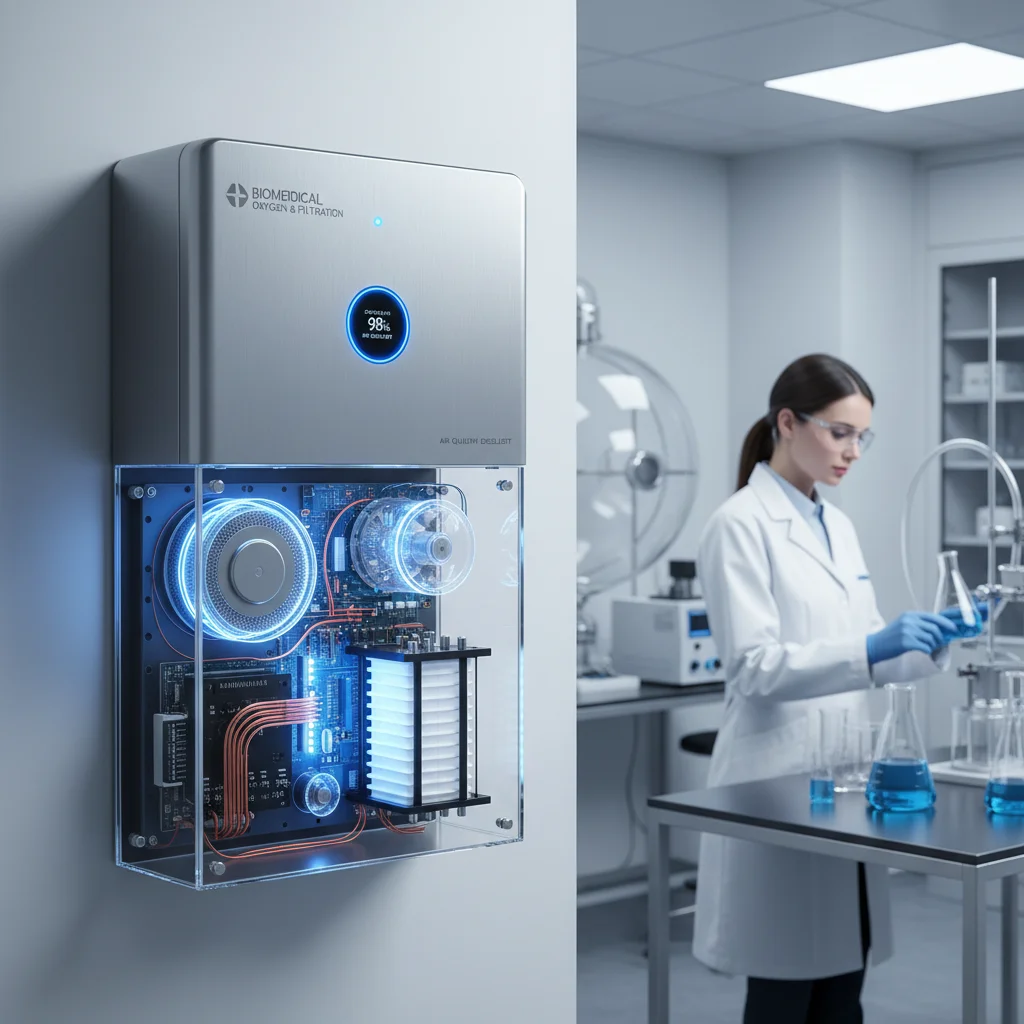
In the contemporary landscape of medical infrastructure and specialized manufacturing, the demand for portable, high-efficiency air purification has surged. A battery powered hepa filter represents a critical intersection of energy autonomy and clinical-grade filtration, ensuring that sterile environments can be maintained regardless of the availability of a fixed power grid. This technology is no longer just a luxury for high-end clinics but a necessity for mobile healthcare units and emergency response teams globally.
The global shift toward decentralized medical care and the increasing prevalence of airborne pathogens have underscored the vulnerability of traditional, plug-in air filtration systems. When power outages occur or when medical equipment must be deployed in remote disaster zones, a battery powered hepa filter provides the reliable safety net required to protect both patients and practitioners from microscopic contaminants.
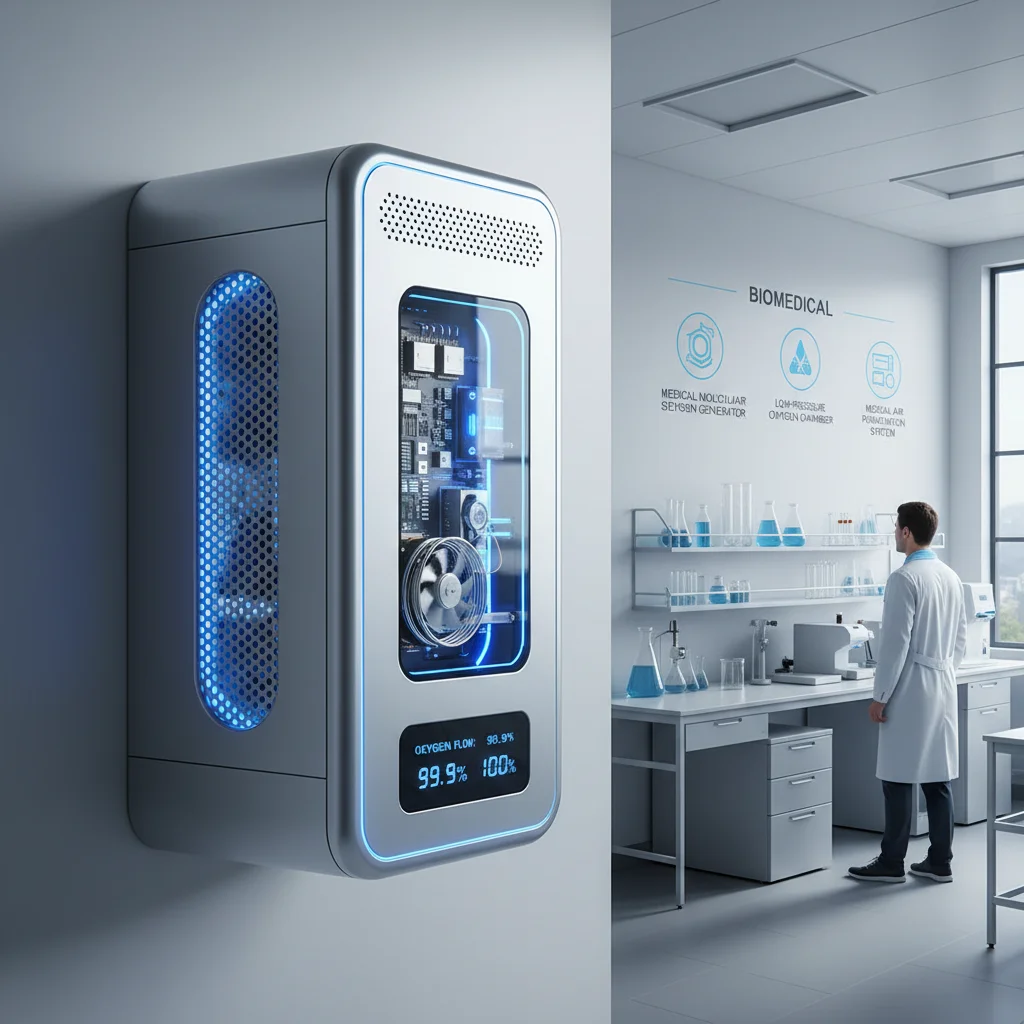
Understanding the technical nuances of these devices—from the micron-level capture rates of the High-Efficiency Particulate Air (HEPA) media to the energy density of the lithium-ion power sources—is essential for healthcare administrators and engineers. By integrating such autonomous filtration into the broader ecosystem of medical oxygen generators and hyperbaric chambers, facilities can achieve a holistic approach to patient respiratory health and environmental hygiene.
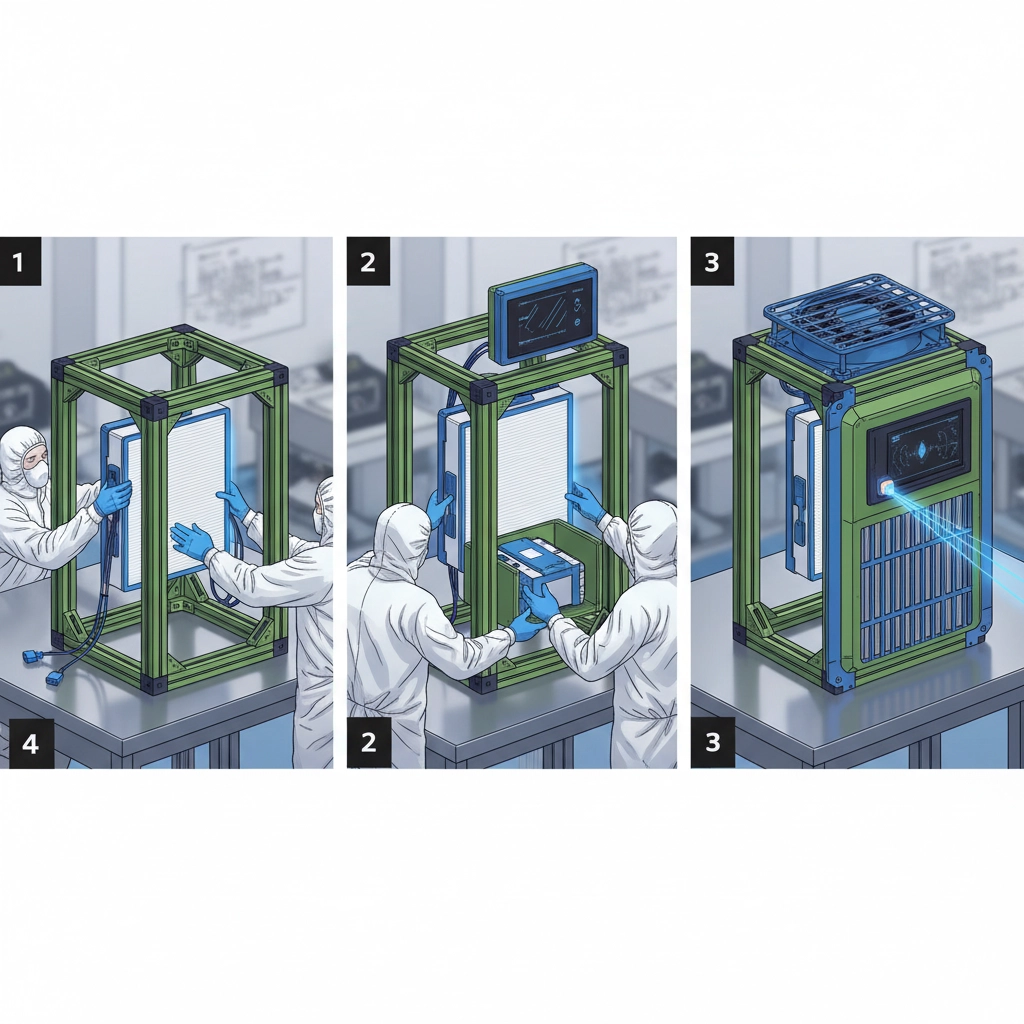
Global Relevance of Battery Powered HEPA Filters
From a global perspective, the integration of portable power into medical filtration is a response to the systemic instability of energy grids in developing regions and the inherent risks of hospital power failures. According to ISO standards for cleanroom environments, maintaining a specific particulate count is non-negotiable for surgical success; however, traditional systems fail during blackouts. The battery powered hepa filter bridges this gap, ensuring that "clean air" is a continuous service rather than a conditional one.
In the context of the World Health Organization's (WHO) goals for universal health coverage, the ability to deploy sterile environments in remote areas is paramount. Whether it is a temporary field clinic in a conflict zone or a mobile vaccination center, the mobility provided by battery-operated filtration allows for the rapid establishment of safe zones, directly reducing the risk of secondary healthcare-associated infections (HAIs) in vulnerable populations.
Defining the Battery Powered HEPA Filter Architecture
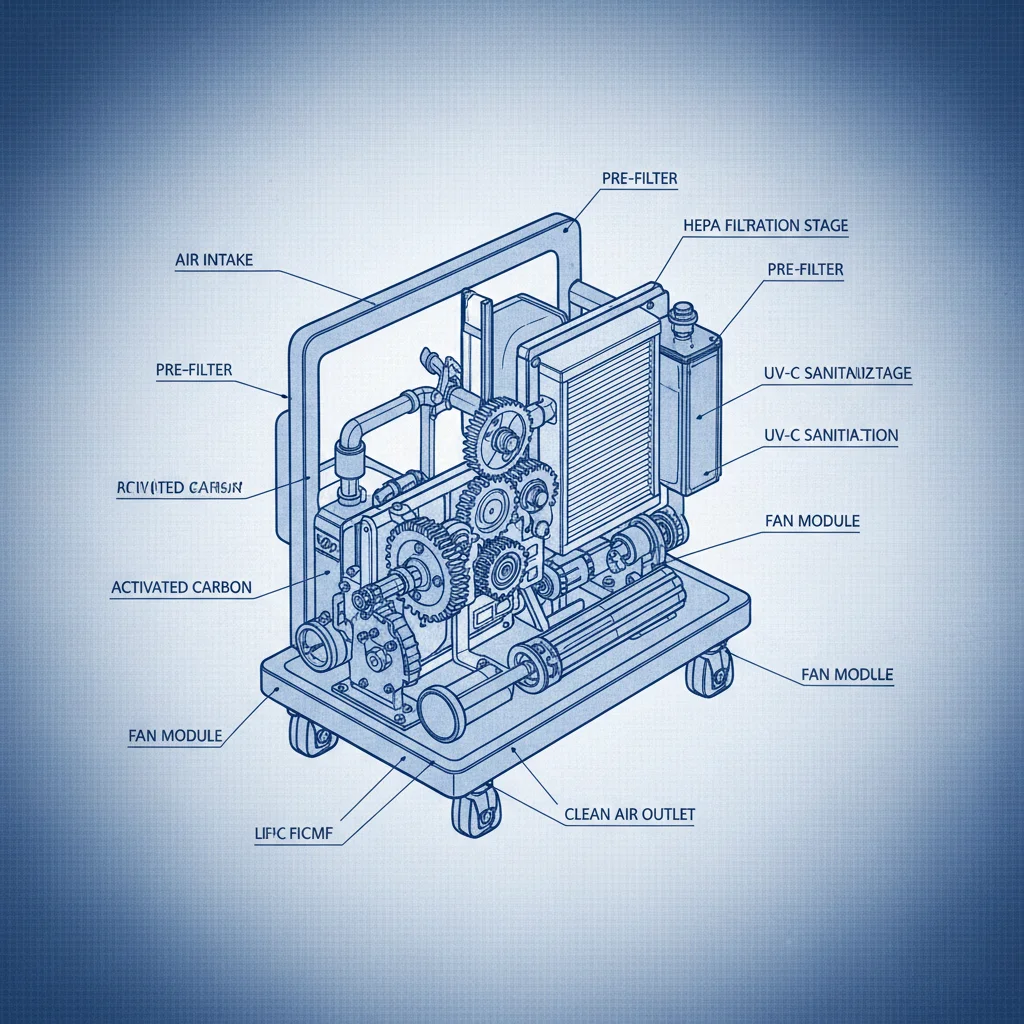
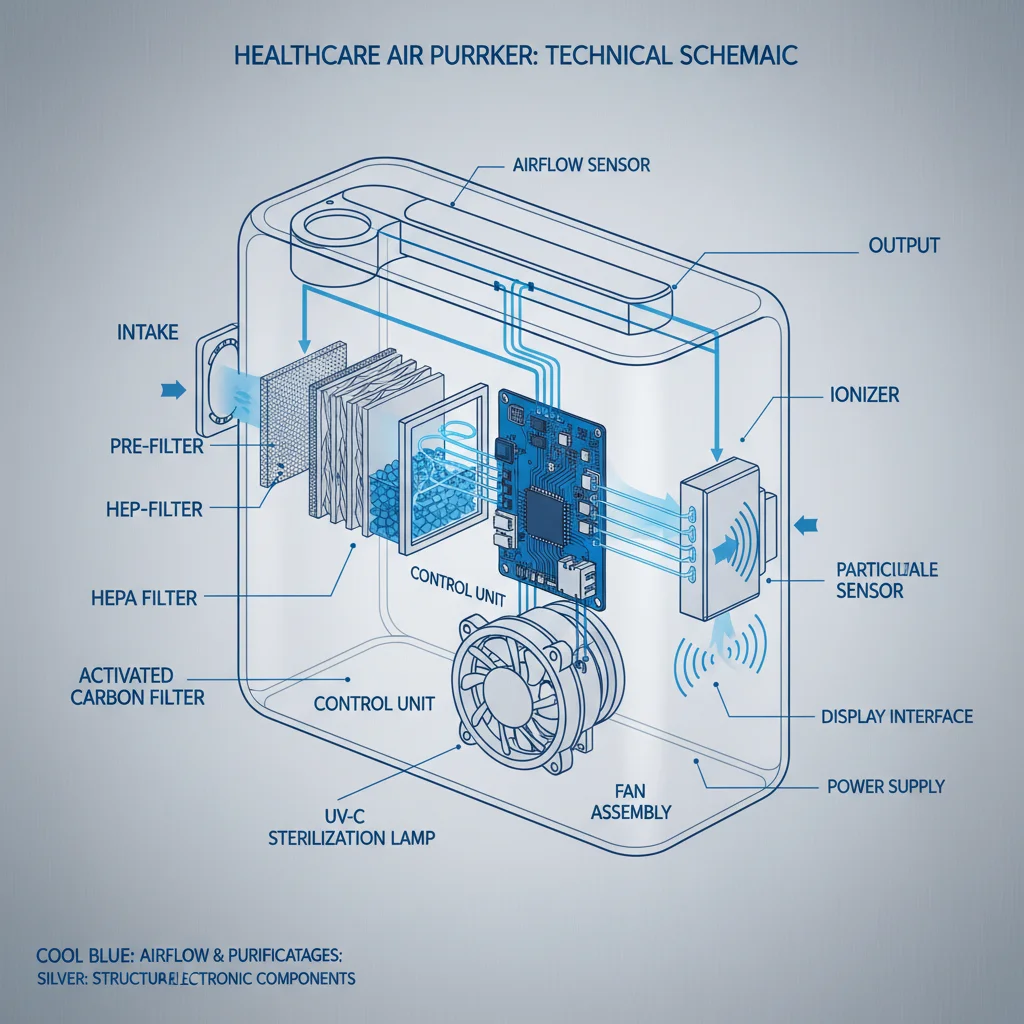
At its most basic level, a battery powered hepa filter is an autonomous air purification system that utilizes a High-Efficiency Particulate Air filter to remove at least 99.97% of particles with a size of 0.3 micrometers. Unlike standard air purifiers, these units are engineered with high-capacity energy storage—typically lithium-iron phosphate (LiFePO4) or advanced lithium-ion cells—allowing them to operate at full capacity for extended periods without an external power source.
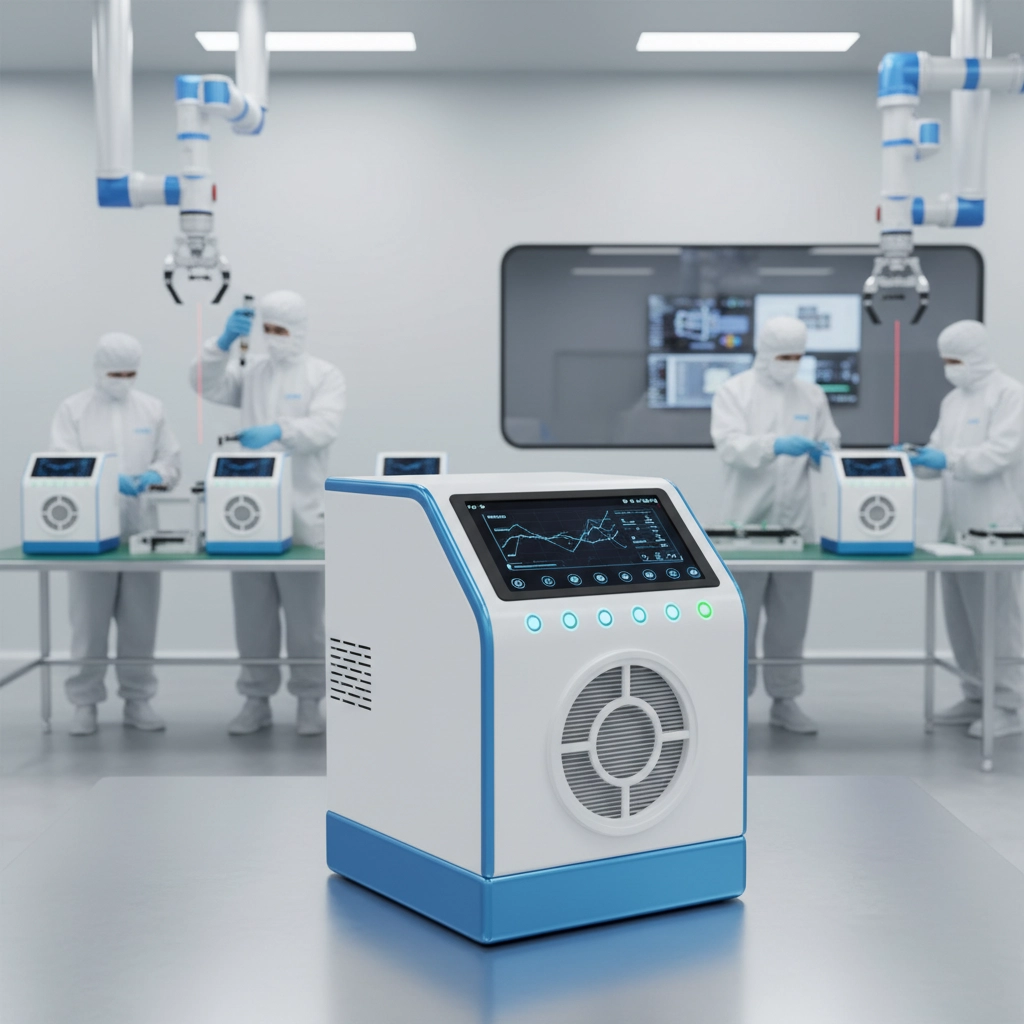
This architecture is specifically designed to meet humanitarian and high-precision industrial needs. In the medical device manufacturing sector, particularly for those producing oxygen generators and hyperbaric chambers, the ability to maintain air purity during transport or in non-traditional installation sites is vital. The synergy between the brushless DC motor (which maximizes battery life) and the dense fiberglass filter media creates a system that is both compact and clinical-grade.
Furthermore, these devices are often categorized by their "Air Changes per Hour" (ACH) capability. A truly professional-grade battery-operated system doesn't just filter air; it actively manages the volume of air in a space to ensure that contaminants are flushed out rapidly, mimicking the functionality of a permanent HVAC HEPA installation but with the freedom of total mobility.
Core Components and Technical Factors
The efficacy of a battery powered hepa filter relies on four primary pillars: filtration grade, battery energy density, airflow velocity, and noise attenuation. The filtration grade (H13 or H14) determines the percentage of microscopic pathogens captured, while the battery density dictates the operational runtime, which is critical for overnight medical monitoring or long-distance transport.
From a durability standpoint, the chassis material plays a significant role. Industrial-grade units often use antimicrobial powder-coated aluminum or high-impact polymers to ensure the device can withstand the rigors of a hospital environment or a disaster relief site. The integration of an intelligent Battery Management System (BMS) is equally crucial, as it prevents overcharging and ensures a steady voltage output to the fan motor, maintaining a constant clean-air delivery rate.
Scalability is another key factor. Many professional systems allow for modular battery packs, enabling users to extend the runtime of their battery powered hepa filter as the scale of the operation grows. This flexibility ensures that whether the device is used for a single-patient isolation pod or a larger medical transport vehicle, the air quality remains uncompromising.
Performance Metrics and Efficiency Analysis
When evaluating the performance of a battery powered hepa filter, the primary metric is the Clean Air Delivery Rate (CADR) relative to power consumption. Engineers must balance the static pressure of the HEPA filter—which resists airflow—with the power draw of the motor. A high-efficiency system optimizes this ratio to provide maximum filtration without draining the battery prematurely.
Moreover, the reliability of these systems is often measured by their "fail-safe" mechanisms. Advanced models incorporate sensors that monitor filter saturation, alerting the operator when the pressure drop becomes too high, which would otherwise force the battery to work harder and reduce the device's overall lifespan.
Comparative Efficiency of Battery Powered HEPA Filter Configurations
Global Applications in Medical and Industrial Zones
The real-world application of the battery powered hepa filter is most evident in post-disaster relief operations. In regions hit by earthquakes or floods, where permanent electrical infrastructure is decimated, these filters allow NGOs and medical teams to create "clean zones" within tents for treating open wounds or performing emergency triage, drastically reducing the incidence of opportunistic infections.
Beyond disaster relief, these units are indispensable in the pharmaceutical and precision manufacturing sectors. For instance, during the transport of sensitive medical components or the setup of temporary sterile laboratories in remote industrial zones, a battery-operated system ensures that the environment remains compliant with strict particulate standards without requiring expensive and cumbersome cabling.
Long-Term Value and Sustainability Benefits
Investing in a high-quality battery powered hepa filter offers tangible long-term value by reducing the reliance on single-use disposable filtration masks in certain controlled environments and eliminating the cost of permanent ductwork installations for temporary needs. The logical value lies in the risk mitigation; the cost of a single healthcare-acquired infection far outweighs the capital expenditure of an autonomous filtration system.
From an emotional and ethical angle, these devices provide dignity and safety to patients in under-resourced areas. Knowing that the air they breathe is filtered to clinical standards—regardless of whether the lights are on in the clinic—builds a profound level of trust between the patient and the healthcare provider.
Sustainability is also a core advantage. Modern units are moving toward recyclable filter media and biodegradable battery casings. By utilizing energy-efficient brushless motors, these devices minimize their carbon footprint while maximizing their social impact, proving that clinical excellence and environmental responsibility can coexist.
Future Trends in Autonomous Air Filtration
The future of the battery powered hepa filter is leaning heavily toward "smart" integration. We are seeing the emergence of IoT-enabled filters that can communicate with a central hospital dashboard, reporting real-time air quality data and battery levels. This digital transformation allows for predictive maintenance, where filters are replaced based on actual particulate loading rather than a fixed calendar date.
Furthermore, innovations in materials science are introducing graphene-based filters that offer lower resistance to airflow. This means that future battery-powered units will be able to move more air with less energy, effectively doubling the operational runtime without increasing the battery size.
The shift toward green energy is also evident, with some manufacturers experimenting with integrated solar-charging skins. This would allow a battery powered hepa filter to operate indefinitely in outdoor emergency settings, creating a truly autonomous loop of clean air generation.
Comparative Analysis of Battery Powered HEPA Filter Technologies
| Technology Tier |
Energy Source |
Filtration Efficiency |
Avg. Runtime |
| Entry-Level Portable |
Standard Li-ion |
99.95% (H12) |
4-6 Hours |
| Clinical Grade |
High-Density Li-ion |
99.97% (H13) |
8-12 Hours |
| Industrial Heavy-Duty |
LiFePO4 Pack |
99.99% (H14) |
18-24 Hours |
| Emergency Response |
Modular Swappable |
99.97% (H13) |
Continuous |
| Smart-Connected |
Smart BMS Li-ion |
99.97% (H13) |
10-15 Hours |
| Solar-Hybrid |
PV + Battery |
99.95% (H12) |
Indefinite (Day) |
FAQS
Depending on the battery chemistry and airflow setting, runtime typically ranges from 4 to 24 hours. Clinical-grade units using LiFePO4 batteries generally offer longer runtimes and more charge cycles. For critical applications, we recommend models with swappable battery packs to ensure 24/7 operation without downtime.
Yes, a true HEPA filter (H13 or H14 grade) is designed to capture particles as small as 0.3 microns with 99.97% efficiency. Since most bacteria and many viruses are either larger than 0.3 microns or travel in larger respiratory droplets, these filters are highly effective at scrubbing pathogens from the air.
While very large industrial HVAC systems have higher total volumes, professional battery-powered units are optimized for "micro-environments." They provide sufficient CADR (Clean Air Delivery Rate) to maintain sterile conditions in small rooms or transport pods, making them a viable alternative for localized air purification.
Replacement frequency depends on the air quality of the environment. In a clean clinical setting, a filter may last 6-12 months. In disaster zones or high-dust areas, it may need replacing every 2-4 weeks. We recommend units with pressure-drop sensors that notify you exactly when a replacement is needed.
Most modern battery powered hepa filter units utilize brushless DC motors and acoustic damping materials. This allows them to operate at a low decibel level, often comparable to a quiet whisper, ensuring that patient recovery and sleep are not disrupted.
Yes, most professional units support "pass-through charging." This means the device can operate on AC power while simultaneously recharging the internal battery, ensuring that the system is always ready for immediate deployment in the event of a power failure.
Conclusion
The battery powered hepa filter stands as a cornerstone of modern mobile medical technology, blending the rigors of clinical filtration with the flexibility of autonomous power. By addressing the critical need for sterile air in unstable or remote environments, these devices not only safeguard patient health but also empower healthcare providers to operate with confidence regardless of their location. From the integration of LiFePO4 batteries to the adoption of H14 filtration standards, the evolution of this technology reflects a broader commitment to resilience and precision in medical manufacturing.
Looking forward, the synergy between smart sensors, green energy, and advanced materials will continue to push the boundaries of what autonomous air purification can achieve. For healthcare administrators and industrial engineers, prioritizing the acquisition of these systems is a strategic move toward a more robust, fail-safe infrastructure. We invite you to explore our full range of air purification and oxygen solutions to enhance your facility's safety and efficiency. Visit our website: www.storeoxygen.com