
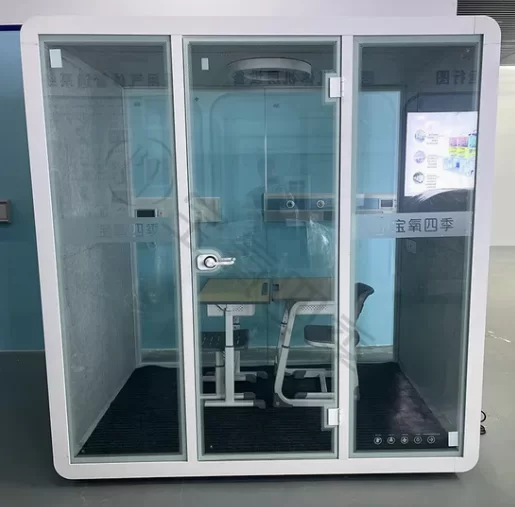
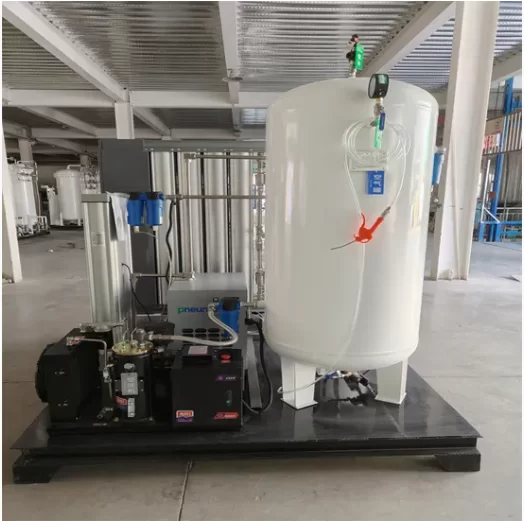
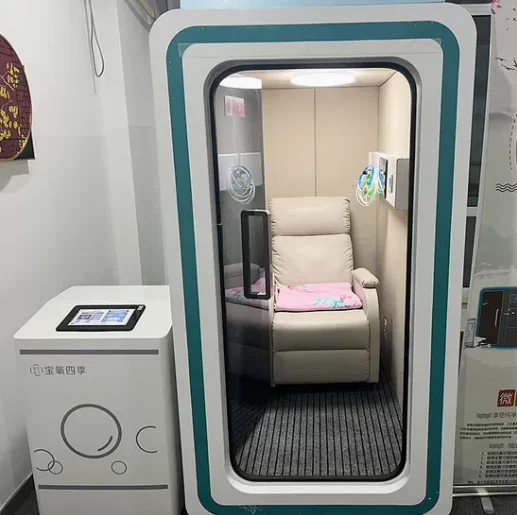
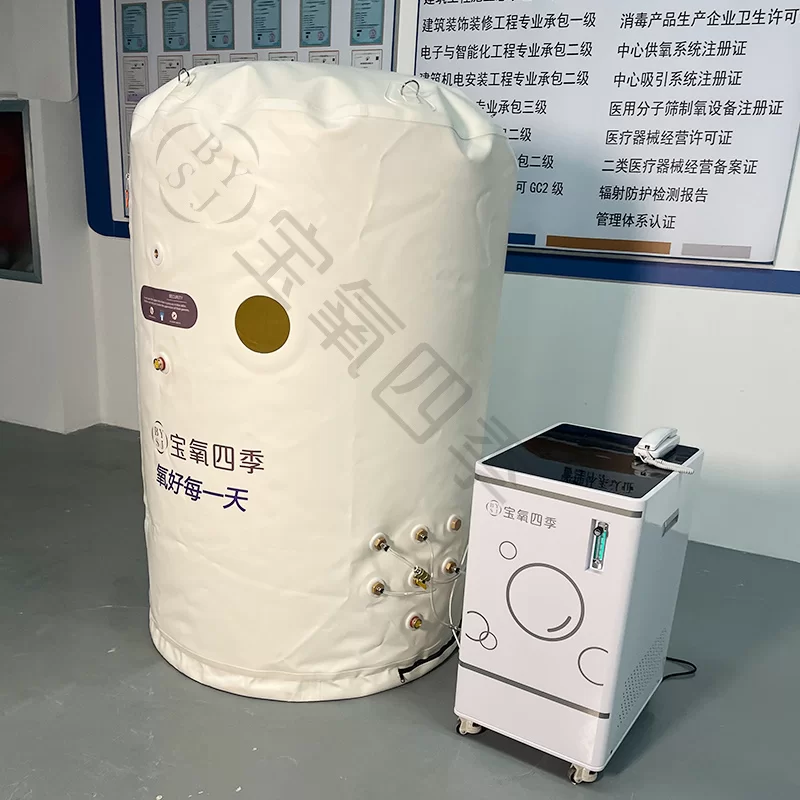
Advanced Medical Oxygen Solutions with oxygen generator for hospital in Japan

Integrating precision Japanese engineering standards with high-efficiency medical gas production and air purification for advanced healthcare facilities.

Advanced Medical Oxygen Solutions with oxygen generator for hospital in Japan

Providing state-of-the-art respiratory support systems and sterile environment controls tailored for the rigorous demands of the Japanese medical infrastructure.

The Landscape of Respiratory Care in Asia-Japan

Analyzing the intersection of an aging population and high-tech healthcare demands.

Japan's healthcare sector is currently facing a dual challenge: a rapidly aging "super-aged" society and a commitment to maintaining the highest sterile standards. This has led to a surge in demand for home medical air purifier systems to support long-term elderly care and home-based palliative treatment.

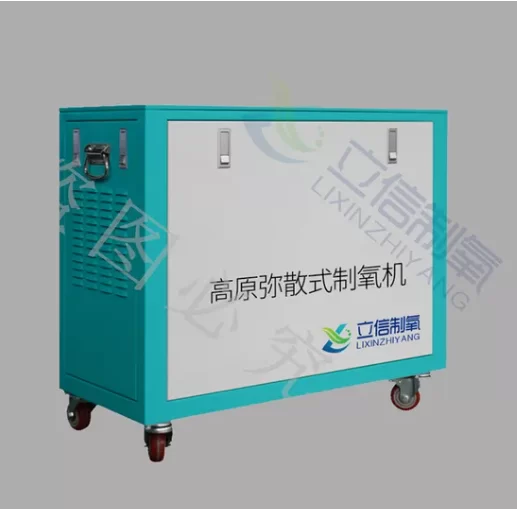
The geographical characteristics of Japan, including high urban density in cities like Tokyo and Osaka, necessitate compact yet powerful medical oxygen generator machine installations that can operate silently and efficiently within limited spatial footprints.

Furthermore, the strict Japanese Ministry of Health, Labour and Welfare (MHLW) regulations drive the market toward high-precision hospital air purifier technology to mitigate nosocomial infections in densely populated clinical wards.
Evolution of Medical Gas and Air Sterilization

From centralized cylinders to intelligent on-site generation and HEPA filtration.

Market Development History

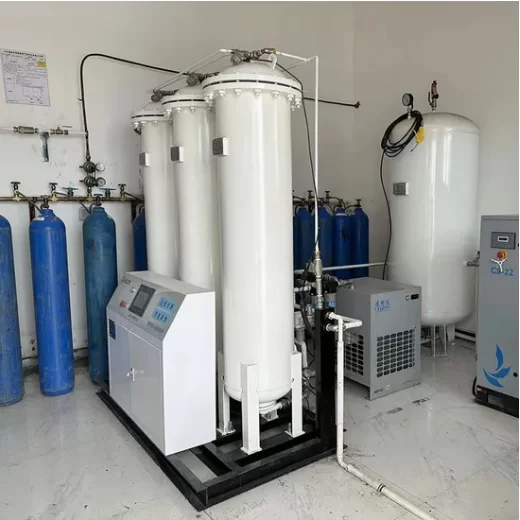
In the late 20th century, Japanese hospitals relied heavily on external liquid oxygen tanks. However, the shift toward decentralization began in the early 2000s, introducing the first generation of PSA (Pressure Swing Adsorption) medical oxygen generator machine units to ensure autonomy.

Between 2010 and 2019, the focus shifted toward air quality. The integration of H13 HEPA filters and UV-C sterilization became standard for any medical therapeutics air purifier, responding to the need for ultra-clean operating rooms.

Post-2020, the global pandemic accelerated the adoption of "Smart Oxygen" systems, where IoT-enabled monitoring allows Japanese clinicians to manage oxygen flow and air purity remotely across multiple hospital wings.

Future Development Trends

AI-Driven Flow Modulation

Integration of machine learning to predict patient oxygen demand and adjust generator output in real-time, reducing energy waste.

Nano-Catalytic Air Purification

Moving beyond mechanical filtration to nano-catalytic oxidation for the next generation of hospital air purifier units.

Compact Home-Care Integration

Developing whisper-quiet, medical-grade oxygen concentrators specifically for the minimalist Japanese residential architectural style.

Industry Trends and Future Outlook

Driving the next wave of medical device innovation in the Japanese market.

Green Oxygen Production
Reducing carbon footprints through energy-efficient PSA technology in accordance with Japan's 2050 Carbon Neutral goal.
IoT Tele-Monitoring
Real-time tracking of purity levels and filter status for hospital networks to prevent downtime.
Hyper-HEPA Filtration
Implementation of ULPA filters in therapeutics air purifiers to target viruses as small as 0.1 microns.
Modular Scalability
Quick-deploy oxygen modules for emergency disaster response, critical for Japan's earthquake-prone regions.

Industry Outlook

Based on Google search trends in the Asia-Pacific region, there is a marked increase in queries related to "integrated home healthcare" and "automated oxygen supply." This indicates a paradigm shift from hospital-centric care to decentralized, patient-centric respiratory management.

The future will see the merging of air purification and oxygen generation into single, intelligent life-support hubs, ensuring that Japanese clinics can maintain sterile, oxygen-rich environments with minimal human intervention.

Localized Applications in Japan

Real-world deployment across various medical and residential settings.

01. Tokyo Metropolitan General Hospitals

Deploying high-capacity oxygen generator for hospital systems to support ICU wings, ensuring 93%±3% purity for critical care patients.

02. Kyoto Elderly Care Residences

Installing low-noise home medical air purifier units to maintain air quality for senior residents with chronic respiratory conditions.

03. Osaka Specialized Surgical Centers

Integrating high-frequency medical therapeutics air purifier systems in operating theaters to prevent airborne contamination during surgery.

04. Hokkaido Rural Health Clinics

Utilizing robust, all-weather medical oxygen generator machine units to provide stable oxygen supply in remote, cold-climate regions.

05. Nagoya Private Rehabilitation Centers

Equipping recovery wards with hospital air purifier systems to accelerate patient healing through optimized air exchange rates.

Brand Story

Global Development Journey of Hebei Lixin Medical Engineering Co., Ltd.

Foundational Engineering

Established with a focus on precision manufacturing, solving the core pain point of unstable oxygen purity in early medical generators.

Quality Standardization

Attained international certifications to meet the rigorous safety and hygiene standards required for European and Japanese markets.

Technological Diversification

Expanded from oxygen generation into medical-grade air purification, creating a holistic respiratory health ecosystem.

Global Strategic Expansion

Developed localized partnerships in Asia, specifically optimizing equipment for Japan's unique healthcare regulations.

Vision for the Future

Committing to AI-driven medical gas solutions that reduce operational costs and improve patient outcomes worldwide.

Frequently Asked Questions in Japan

Expert answers to common technical and regulatory queries.

Does the medical oxygen generator machine comply with Japanese MHLW standards?

Yes, our generators are engineered to meet strict purity and safety protocols, ensuring consistent output that aligns with Japanese medical grade requirements.

How often should filters in a hospital air purifier be replaced in high-traffic wards?

Depending on the load, HEPA filters should be inspected quarterly and typically replaced every 6-12 months to maintain optimal sterile airflow.

Is the home medical air purifier quiet enough for residential bedrooms?

Absolutely. Our residential units feature low-decibel operation modes specifically designed for the quiet environments typical of Japanese homes.

What is the purity level of an oxygen generator for hospital use?

Our professional systems provide a stable oxygen concentration of 93% ± 3%, suitable for various clinical applications including respiratory therapy.

Can a medical therapeutics air purifier remove viral particles effectively?

Yes, by utilizing H13/H14 HEPA filtration combined with UV-C sterilization, our systems effectively capture and neutralize 99.97% of airborne pathogens.

What is the installation timeline for a large-scale medical oxygen system?

Standard installations typically take 2-4 weeks, including site assessment, delivery, and rigorous commissioning to ensure operational safety.

Request a Specialized Consultation

Contact our technical experts to optimize your respiratory infrastructure in Japan.

Contact Us Now

If you are interested in our products, you can choose to leave your information here, and we will be in touch with you shortly.