Hit enter to search or ESC to close
1 December 2025
When we hear the term bed head unit manufacturers, not everyone immediately pictures the complex world behind a rather straightforward hospital fixture. Yet, for hospitals, clinics, and even humanitarian relief efforts, these units — which combine power, medical gases, lighting, and communication lines into patient room walls — form a critical backbone for care delivery. Globally, understanding the role and impact of these manufacturers marries healthcare infrastructure quality with patient safety, modular design, and adaptability in emergencies.
Why does this matter on a global scale? Consider that, according to the World Health Organization, nearly 20% of global healthcare facilities suffer from unreliable power or limited access to medical gases. A reliable bed head unit design and trusted manufacturer can dramatically improve patient outcomes and operational efficiency even in vulnerable regions.
Globally, the healthcare equipment market has been growing steadily, driven by increasing healthcare demands and stricter regulatory standards. ISO certifications like ISO 13485 ensure that medical device manufacturers, including bed head unit manufacturers, comply with quality and safety standards. Meanwhile, rising investment in smart hospital infrastructure by governments worldwide calls for modern bed head units capable of integrating with digital health systems.
Still, hospitals face challenges such as outdated infrastructure, costly retrofits, and the need for customizable solutions to fit varied clinical needs. This is where specialized bed head unit manufacturers shine — offering precision engineering and modular approaches that aid healthcare systems adapting to new demands.
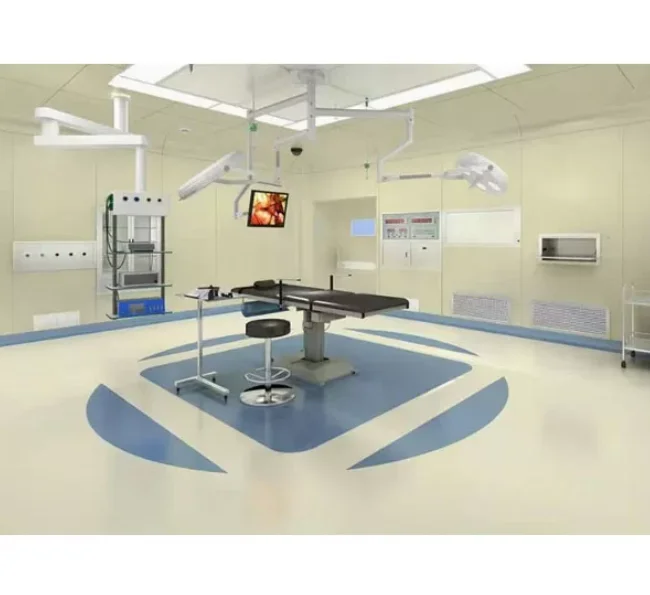
In simple terms, bed head units are wall-mounted medical utility panels fixed behind a hospital bed, often in critical care or operation rooms. The manufacturers design and produce these units, integrating electrical outlets, oxygen and suction ports, lighting, nurse call systems, and sometimes data ports — all tailored to medical environments.
These manufacturers link medical technology, architectural design, and health safety norms together. Good design goes beyond materials; it’s about anticipating clinical workflows and patient needs while offering adaptability across healthcare settings, including rapid setups in field hospitals or temporary clinics.
Typically, stainless steel or anodized aluminum frames are common due to their resistance to corrosion and ease of cleaning. Many manufacturers weigh material choices carefully to meet infection control protocols while ensuring lasting durability even under intensive cleaning.
Modular designs allow hospitals to customize units with the needed number of sockets, gas outlets, and lighting, making installations flexible. Manufacturers often design their products so facilities can scale or upgrade seamlessly without complete overhauls.
Since these units handle medical gases and electrical power, strict compliance with safety standards like NFPA 99 (in the US) or equivalent international codes is a must. Manufacturers implement fail-safes, secure fittings, and clear labelling to prevent accidents.
A new wave of smart bed head units supports integration with patient monitoring and nurse call systems, allowing real-time data flow and improved patient care responsiveness. Manufacturers expand their product range with IoT-ready solutions, which frankly, feels like the future of hospital rooms.
Quick and reliable installations save costly hospital downtime. Plug-and-play models, pre-wired components, and user-friendly servicing access are common manufacturers’ priorities.
The key to standout bed head units lies in durable materials, modularity, safety compliance, tech integration, and a design that respects on-the-ground healthcare realities.
Across continents, the implementation of robust bed head units supports a range of environments:
For example, in Southeast Asia, several hospitals have partnered with reputable bed head unit manufacturers to revamp aging infrastructures, boosting both capacity and patient comfort.
| Specification | Details |
|---|---|
| Frame Material | Stainless Steel, Powder-Coated Aluminum |
| Gas Outlets | Oxygen, Medical Air, Suction, Nitrous Oxide |
| Electrical Outlets | 6 Universal Power Sockets with Surge Protection |
| Lighting | Adjustable LED Backlit Panel |
| Nurse Call System | Integrated Wired/Wireless Compatible Modules |
| Dimensions (WxHxD) | 1200 x 400 x 150 mm |
| Manufacturer | Customization | Compliance | Lead Time | Price Range |
|---|---|---|---|---|
| MedTech Solutions | High | ISO 13485, CE | 6-8 Weeks | $$$ |
| HealthEquip Co. | Medium | FDA, UL Listed | 4-6 Weeks | $$ |
| GlobalCare Systems | Custom Engineering | ISO, CE, IEC | 8-10 Weeks | $$$$ |
Choosing a reputable, experienced bed head unit manufacturer offers more than the obvious guarantee of product quality:
The next decade promises exciting innovations. Smart bed head units will increasingly leverage IoT sensors to monitor environmental conditions or equipment status in real-time. Some manufacturers experiment with antimicrobial coatings and lightweight composites to combat infections while reducing structural weight.
Sustainability also drives new materials and energy consumption standards, aligning with global carbon reduction goals. Frankly, it feels like bed head units, even if quietly, are gearing up to be much smarter, greener, and more patient-centric than ever.
One challenge is balancing customization demands with production costs. Many hospitals want highly specific configurations, but producing these at scale without cost inflation is tough. Manufacturers often use modular designs and computer-aided design tools to shorten customization lead times.
Another sticking point is installation in existing hospitals with diverse infrastructure. Snap-fit connectors, wireless data modules, and retrofit-friendly designs help address this, allowing more flexible upgrades without full demolition.
A1: Look for compliance with safety standards (ISO, FDA, CE), proven durability, customization options, post-sales support, and adequate lead times. Reliability and integration with your facility’s current systems matter a lot.
A2: Absolutely. Most manufacturers offer modular designs that let you add or reduce gas outlets, electrical and data ports to suit department-specific clinical protocols.
A3: Warranties often cover defects in material and workmanship for 1-3 years, with extended service agreements available, depending on the manufacturer.
A4: Modern manufacturers offer units integrated with digital health systems or at least compatible with nurse call and monitoring IT infrastructure, supporting wired or wireless connectivity.
A5: Opt for manufacturers that provide pre-assembled, modular units and installation support; plug-and-play solutions reduce downtime significantly.
From the emergency field hospital to the state-of-the-art medical center, bed head units are more than just fixtures on the wall. They are lifelines for power, care, and comfort, shaped by the expertise of dedicated manufacturers. When you choose the right partner, you’re not just buying a product — you’re investing in safety, efficiency, and a future-ready healthcare environment.
Ready to explore your options? Visit our website: https://www.storeoxygen.com to see how leading bed head unit manufacturers can transform your medical spaces.