Hit enter to search or ESC to close
2 December 2025
Hyperbaric machines might not be a household name, but their impact is global, critical, and quietly transformative. These devices facilitate hyperbaric oxygen therapy (HBOT), a treatment that leverages pure oxygen under increased pressure to accelerate healing and fight certain medical conditions. Globally, with rising chronic wounds and conditions like carbon monoxide poisoning or radiation injuries, hyperbaric machines represent a frontier of hope and innovation. Understanding them helps grasp how modern science meets pressing health challenges.
The world’s health challenges — from diabetic ulcers to decompression sickness — demand reliable, specialized treatments. According to the World Health Organization and various health registries, millions suffer from chronic wounds or hypoxic conditions yearly. The hyperbaric machine answers a growing need for safe, effective therapies beyond conventional drugs. For instance, the global hyperbaric oxygen therapy market size was valued at over USD 5 billion in recent years, with projections showing steady growth driven by increasing awareness and emerging applications (source: MarketWatch, 2023).
However, accessibility remains uneven worldwide, prompting countries and health systems to adopt versatile, cost-effective hyperbaric machinery. It’s an example of medical tech rising to meet complex global health demands.
Mini takeaway: The hyperbaric machine is an increasingly indispensable tool in modern healthcare, addressing diverse global medical needs with growing adoption and investment.
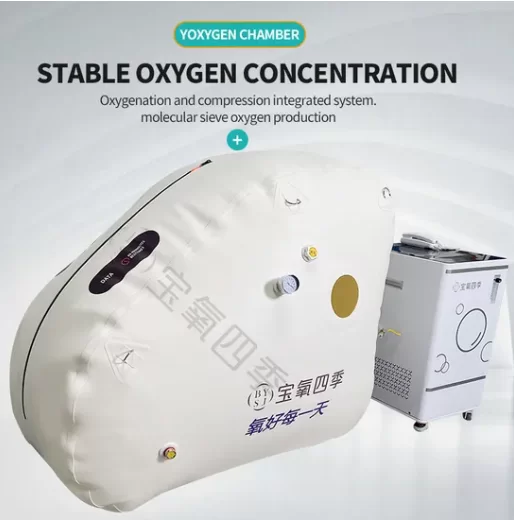
Quite simply, a hyperbaric machine is a medical device designed to deliver hyperbaric oxygen therapy. It works by enclosing a patient inside a pressurized chamber and supplying 100% oxygen at pressures greater than sea level atmospheric pressure. This elevated pressure helps oxygen dissolve more efficiently into the bloodstream, promoting cellular repair and combating infections.
Intriguingly, although its roots trace back over a century, today’s hyperbaric machines combine sophisticated engineering with rigorous safety standards (ISO 13485 for medical devices). They serve many roles: from hospital wound care to supporting divers’ safety after deep dives and even emerging experimental cancer treatments.
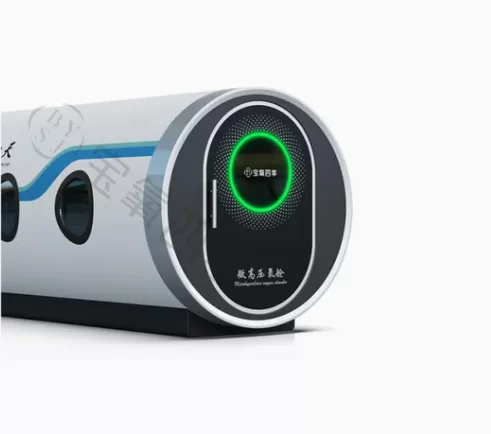
The pressure chamber is the core, built to withstand high pressures safely. They come in monoplace (single patient) or multiplace (multiple patients) variants. Materials like stainless steel or reinforced acrylic ensure durability and visibility.
Efficient oxygen delivery regulates concentration and pressure, ensuring therapeutic levels are maintained without hazards. Precision is critical — too much oxygen for too long can be harmful.
Modern hyperbaric units include digital controls for pressure, oxygen flow, and patient communication. Real-time monitoring helps clinicians tailor treatments safely.
From emergency pressure release valves to fire suppression protocols, safety is paramount given oxygen-rich environments can ignite materials prone to combustion.
Units range from bulky hospital installations to transportable models used by military or disaster responders, highlighting how design shapes accessibility and use.
| Feature | Model A - Monoplace | Model B - Multiplace |
|---|---|---|
| Max Pressure | 3 ATA (Atmospheres absolute) | 2.5 ATA |
| Oxygen Delivery | 100% Pure Oxygen | Mixed Oxygen / Air |
| Dimensions | 2m length x 0.9m diameter | 4m length x 2m width |
| Weight | 220 kg | 850 kg |
| Power Consumption | 1.2 kW | 4 kW |
Mini takeaway: A hyperbaric machine’s design carefully balances pressure, oxygen delivery, and safety, enabling wide-ranging therapeutic uses.
Oddly enough, the hyperbaric machine extends its utility far beyond just hospitals. In post-disaster relief, these machines support victims suffering from wounds or burns where conventional care isn’t sufficient. Remote industrial zones use portable hyperbaric systems to treat diving-related injuries immediately, saving precious minutes.
Regions like North America, Europe, and parts of Asia lead in adoption, mainly linked to rising chronic wound cases and awareness. Humanitarian groups have adopted compact hyperbaric units for conflict zones or areas affected by radiation contamination (think Fukushima cleanup). Indeed, research indicates that hyperbaric therapy improves quality of life and reduces hospital stays significantly in some cases (source: Mayo Clinic, 2023).
| Vendor | Product Range | Price Range (USD) | Notable Features | Warranty & Support |
|---|---|---|---|---|
| OxyHeal Medical | Monoplace & Multiplace | $40,000 - $350,000 | Digital controls, remote diagnostics | 5-year onsite warranty, 24/7 support |
| Hyperbarix Systems | Portable units | $15,000 - $80,000 | Lightweight, rapid deployment | 3-year warranty, remote updates |
| MediPress Tech | Hospital-grade multiplace | $250,000 - $550,000 | Integrated patient monitoring, fire safety systems | 7-year comprehensive warranty |
There’s more to these machines than the technical specs: they offer substantial clinical benefits that translate into economic and emotional value. Patients experience faster healing times, reduced risk of surgical complications, and sometimes avoidance of amputations. For healthcare systems, this means cost savings and better resource allocation.
On a human level, delivering effective HBOT restores dignity, safety, and hope — qualities that standardized care alone might not provide. It feels like an intersection where innovation meets compassion, reassuring patients and providers alike.
What’s next for the hyperbaric machine? Expect advances in automation and AI-driven controls to personalize therapy dynamically. There’s a push toward greener designs using more energy-efficient compressors and integrating renewable energy for sustainability.
Materials science also plays a role, with lighter, stronger composites improving portability and durability. Digital transformation is underway too: wireless patient monitoring inside hyperbaric chambers is becoming a reality, enhancing safety and convenience.
Of course, challenges remain. High upfront costs, the need for trained operators, and infrastructure limits slow broader adoption. Plus, safety concerns over oxygen toxicity require stringent protocols. I noticed that ongoing innovation in modular, scalable hyperbaric solutions promises to mitigate these obstacles. Cross-sector partnerships and government incentives could also help expand access.
In real terms, hyperbaric machines offer a compelling combination of advanced science and practical healing power. From chronic wounds in urban hospitals to emergency relief in disaster zones, their global relevance continues to grow. And as technology evolves, so does the promise of safer, more accessible oxygen therapy for those who need it most.
If you’re interested in exploring quality hyperbaric machines for your medical facility or project, don’t hesitate to visit our website to discover tailored options, user insights, and expert guidance.
A final thought: the humble hyperbaric machine quietly rewrites recovery stories—one breath at a time.