Hit enter to search or ESC to close
30 November 2025
In today’s fast-paced healthcare environment, every piece of equipment counts—literally. The head bed unit is one of those unsung heroes. If you’ve ever stayed in a hospital or seen a critical care setup, you’ve encountered its quiet efficiency. But why does this device deserve attention beyond the hospital walls? Because globally, its design and deployment impact patient safety, hospital workflows, and even emergency responses in disaster-stricken zones.
Understanding the head bed unit means unlocking efficiency and safety on a global scale, from developed urban centers to remote, resource-strapped clinics.
The World Health Organization reports that hospital infrastructure directly influences patient outcomes—particularly in critical care. Head bed units, which integrate power, lighting, gas outlets, and data ports near a patient’s head, are central to this infrastructure. Across the globe, with an aging population and rising healthcare demands, hospitals need solutions that improve efficiency without increasing overhead costs.
Yet many facilities—especially in emerging economies—grapple with outdated or makeshift setups that risk patient safety. Head bed units standardize essential functions, reduce clutter, and allow medical staff to respond faster. In fact, the global hospital market size for medical furniture and fixtures is expected to grow by roughly 6% annually through 2030 (source: Industry Australia study), largely driven by increasing demand for modular, scalable solutions like the head bed unit.
So, the problem this addresses is clear: how to improve hospital effectiveness, safety, and adaptability simultaneously.
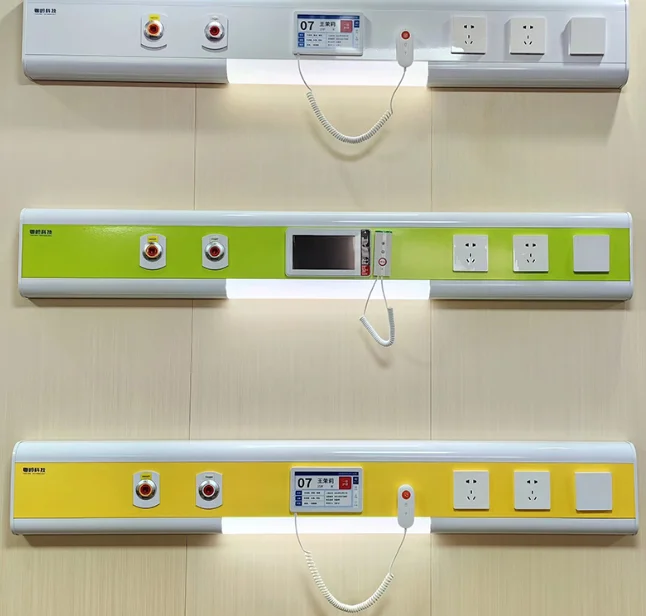
Put simply, a head bed unit is a modular system mounted above or integrated into a hospital bed headwall, providing convenient access to essential services such as oxygen, suction, electrical outlets, lighting, and communication ports. It’s like the control panel for a patient’s bedside, neatly organized and safe.
In modern healthcare design, these units not only supply power and gases but also help in infection control and improve ergonomics for healthcare workers. They’re designed to adapt—not just to adult or pediatric care, but to incorporate new technology like wireless monitoring.
More than equipment, they’re a nexus linking care, technology, and patient comfort.
Hospitals demand 24/7 reliability, so these units are constructed from high-grade materials resistant to corrosion and easy to disinfect. Safety locks and circuit breakers are built-in features. Oddly enough, even minor wear can lead to major risks around electrical or gas failures, so build quality is non-negotiable.
Facilities vary—what works in a European ICU may need tweaking for a rural clinic in Southeast Asia. Head bed units today can be customized with adjustable shelving, plug types, gas supply mixes, and integrated data ports. This flexibility reduces costly retrofits.
It isn’t just about upfront price. These systems simplify installation and maintenance, cutting labor costs and downtime. Plus, modular designs mean hospitals can expand or upgrade without a complete overhaul.
Modern units accommodate patient monitors, nurse call systems, and even IoT devices. Smart bed units can track usage stats, diagnose faults remotely, and feed data into hospital information systems—making them part of the digital hospital revolution.
The materials and design minimize touchpoints and crevices where germs can linger—a big deal in fighting hospital-acquired infections. Some units even use antimicrobial coatings or smooth surfaces for easier cleaning.
In developed nations like Germany and Canada, head bed units are standards in ICUs and emergency wards, facilitating rapid response and multitasking. In contrast, head bed unit systems have proven crucial in post-disaster zones like after the 2010 Haiti earthquake, where makeshift hospitals needed quick, reliable setups combining electricity and oxygen delivery.
Refugee camps, remote mining operations, and mobile field hospitals also benefit by deploying portable or modular units that maintain high safety standards without complex infrastructure. Organizations such as Médecins Sans Frontières have noted these units reduce setup times significantly, allowing teams to focus on patients.
| Feature | Specification |
|---|---|
| Material | Aluminum frame with antimicrobial epoxy paint |
| Gas Outlets | Oxygen, Vacuum, Medical Air – up to 6 ports |
| Electrical Outlets | 6 x AC sockets, isolated earth |
| Lighting | LED reading and ambient light, adjustable |
| Communication Ports | RJ45 Ethernet, nurse call integration |
| Size | Length: 1200mm; Depth: 300mm; Height: 200mm |
| Vendor | Material Quality | Customization | Warranty | Typical Lead Time | Price Range |
|---|---|---|---|---|---|
| MediTech Solutions | High-grade stainless steel & epoxy | Fully configurable | 5 years | 6–8 weeks | $$$ |
| HealthForm Inc. | Aluminum with antimicrobial finish | Modular kits | 3 years | 4–6 weeks | $$ |
| Global MedEquip | Composite panels with antimicrobial coating | Standard options + upgrades | 2 years | 8–10 weeks | $ |
Think about reliability during emergencies. A sturdy, well-designed head bed unit keeps lifesaving gases flowing and keeps power steady. That reliability translates to peace of mind—not just for hospital administrators, but for families and patients.
Also, these units reduce clutter, improving operational workflow, which many nurses say makes a tangible difference in high-stress situations. There’s also a dignity factor: smooth surfaces, clean lines, and good lighting help maintain a comforting patient environment, which is often overlooked.
And, eco-conscious models reduce waste through modular replacements and energy-efficient LEDs.
As healthcare pivots toward digital and green tech, head bed units are morphing too. For instance:
So, the future is not just safer but smarter and more sustainable—helping hospitals reduce both environmental impact and operating costs.
Of course, some practical hurdles remain. Installing head bed units in older buildings might require costly retrofits. Variability in gas standards internationally can complicate sourcing and certification. In lower-income regions, budget constraints often limit options.
However, many companies offer modular retrofit kits, and NGOs sometimes negotiate bulk-import certifications to ease logistics. Training maintenance staff on these systems ensures longevity, too—because even the best head bed unit won’t help if it’s out of order.
A: They centralize critical services like oxygen and suction close to the patient, minimizing delays during emergencies and reducing clutter that could cause accidents. Durable materials and built-in safety features like circuit breakers also protect patients and staff.
A: Absolutely. Modular designs allow hospitals to tailor outlets, ports, and shelving to specific needs or space constraints, ensuring compatibility with existing infrastructure while offering future expansion capability.
A: With proper maintenance, most head bed units last between 10 to 15 years. Using corrosion-resistant materials and routine servicing extends their operational life substantially.
A: Yes. Lightweight, modular variants have been developed specifically for rapid deployment in disaster relief and remote areas, balancing robustness with transportability.
A: Many vendors comply with ISO and local medical device standards. Hospitals typically coordinate through procurement teams or trusted suppliers who handle documentation, import regulations, and maintenance training.
Honestly, the head bed unit might not be flashy, but it’s critical. It’s about patients getting oxygen on time, nurses maneuvering easily, and hospitals running smoother without chaos at the bedside. For anyone involved in healthcare infrastructure—whether a hospital manager, a biomedical engineer, or even a philanthropic organization—the right head bed unit is a game-changer.
Explore how these units can make your facility safer, smarter, and more efficient. To dive deeper and explore cutting-edge models, visit our website.