Hit enter to search or ESC to close
13 November 2025
Central Oxygen Supply System In Hospital Pdf is a key solution in the medical industry, specifically within medical services and Medical Engineering Services. This article explores how Hebei Lixin Medical Engineering Co., Ltd. supports professionals with durable, high-performance products, and explains why this product is an ideal choice for businesses in these sectors.

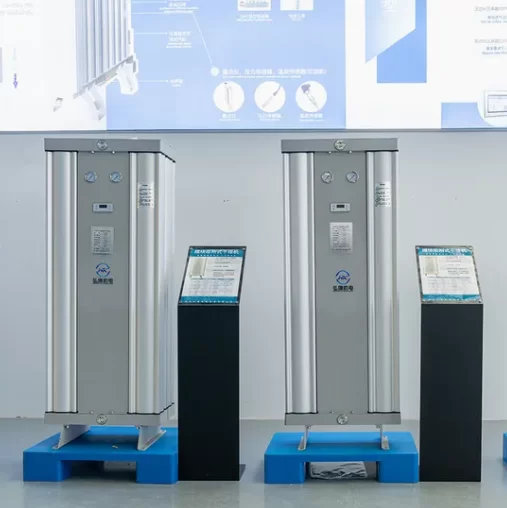
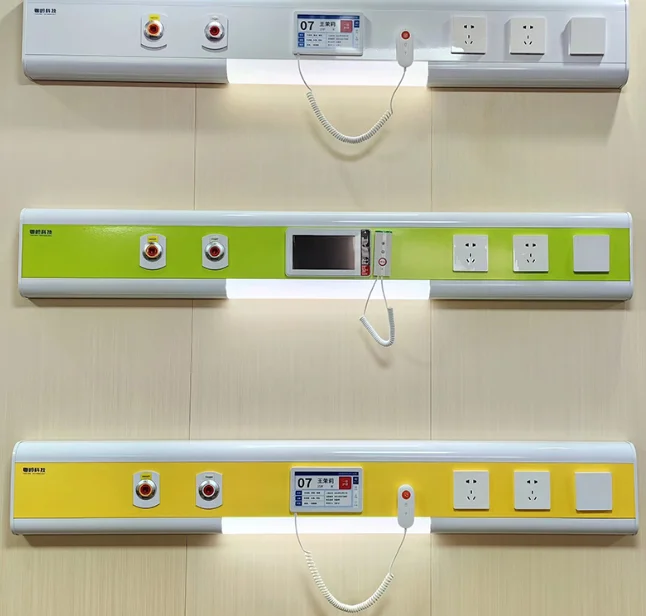
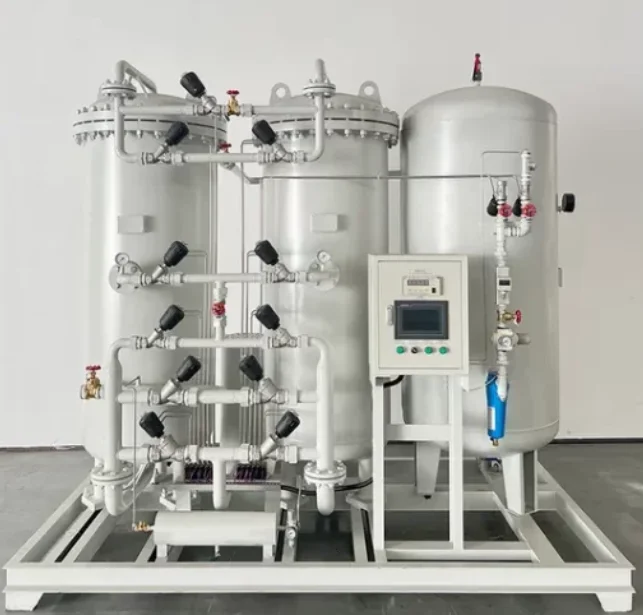
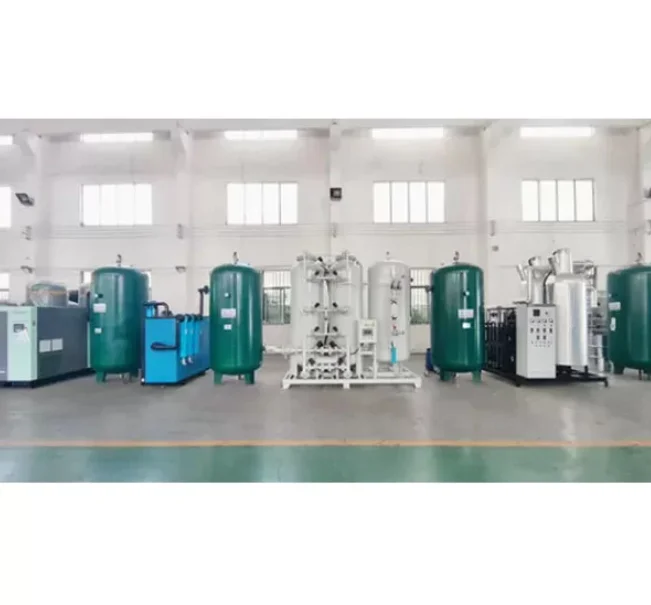
A Central Oxygen Supply System in a hospital is the backbone of the Medical Gas Pipeline System (MGPS), distributing medical-grade oxygen from a central source to operating rooms, ICUs, NICUs, emergency departments, and wards. The “Central Oxygen Supply System In Hospital Pdf” typically details engineering architecture, codes, and operating procedures, helping hospital engineering teams and consultants align design and operations. Core components include the oxygen source (liquid oxygen tank and vaporizer, PSA oxygen generator, or cylinder manifold), duplex/triplex compressors where applicable, pressure-reducing stations, alarm panels, zone valve boxes, copper pipelines (degreased to medical standard), and terminal outlets. Typical pipeline pressures operate around 0.4–0.5 MPa with N+1 redundancy and multi-level alarm/monitoring.
The oxygen supply system in hospital settings must serve diverse clinical scenarios. In the OR and ICU, it supports ventilators and anesthesia machines; in NICU and wards, it enables precise low-flow delivery; in emergency and surge capacity scenarios, it stabilizes critical patients. The Central Oxygen Supply System In Hospital Pdf clarifies layouts, valve zoning, alarm hierarchies, and testing protocols so B2B decision makers can accelerate approvals and ensure compliance across facilities and expansions.
B2B leaders evaluating the central oxygen supply system in hospital cost should consider total cost of ownership (TCO): CAPEX for source equipment, pipelines, valves, alarms, commissioning; and OPEX for energy, liquid oxygen deliveries, filters, and routine inspections. Typical cost drivers include bed count, required redundancy, outlet density, pipeline length, source type (PSA vs. bulk LOX vs. manifold), seismic/fire-code requirements, and integration with existing MGPS. For example, a mid-sized facility may prioritize PSA plus a cylinder manifold for resilience, while tertiary centers often deploy bulk LOX with PSA backup to optimize long-term OPEX and supply security.
Hospitals are pursuing decarbonization, resilience, and digitalization. In MGPS, this translates to energy-efficient PSA technologies, smarter alarm/SCADA integration, and leak detection to reduce oxygen wastage and emissions from tanker logistics. Compliance with ISO 7396-1, HTM 02-01, and NFPA 99 remains pivotal as regulators emphasize risk management, device traceability, and documented validation. Market growth is driven by rising ICU capacity, aging populations, and the need for scalable infrastructure that balances cost, safety, and environmental impact.
The Central Oxygen Supply System In Hospital Pdf is more than documentation—it’s a blueprint for safe, compliant, and scalable oxygen delivery across clinical areas. For B2B decision makers, aligning design, installation, and maintenance with a proven partner ensures reliable performance and optimized TCO. Hebei Lixin Medical Engineering Co., Ltd. brings practical engineering expertise, turnkey delivery, and a strong quality ethos to every project. Ready to upgrade your central oxygen supply system in hospital operations? Contact us: email: hebeilixin2011@hblxmed.com — Visit our website: https://www.storeoxygen.com