Hit enter to search or ESC to close
14 November 2025
In a world where respiratory health is becoming a priority, especially post-pandemic, the mini oxygen machine for home stands out as a crucial component in both medical and emergency preparedness. With millions globally affected by respiratory conditions such as COPD, asthma, or even COVID-19 complications, portable oxygen solutions help bridge critical gaps in healthcare access — particularly outside hospital walls.
Understanding these machines not only empowers patients and caregivers but also informs healthcare providers and emergency planners worldwide. These devices make quality oxygen therapy practical, mobile, and comfortable, and that’s a game-changer for independence and quality of life.
Respiratory ailments are among the leading causes of illness and death globally. According to the World Health Organization, COPD alone affects over 65 million people worldwide. Add to this the rising instances of pollution-induced lung issues and the recent COVID-19 pandemic, and you have a pressing need for accessible oxygen therapy.
Healthcare infrastructure in many developing regions struggles to provide consistent oxygen access. Mini oxygen machines for home use hope to fill this gap by offering scalable and less resource-intensive solutions.
However, there’s often a challenge: balancing portability, cost, and efficiency. This tension forces manufacturers and users alike to look for the best compact oxygen concentrator models — a niche growing rapidly but not without hurdles.
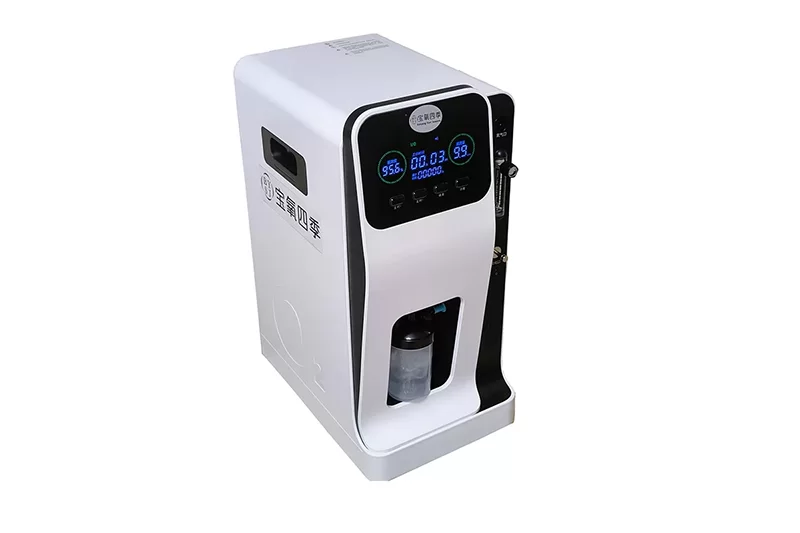
Put simply, a mini oxygen machine for home is a small, portable device engineered to concentrate oxygen from ambient air, delivering it at therapeutic levels to patients needing oxygen support. Unlike bulky hospital-grade units or tanks, these machines aim for a balance between mobility and reliable oxygen output.
They often rely on sieve beds and compressors to filter nitrogen out of the air, delivering oxygen-enriched gas—usually around 90-95% purity. Their compact design supports daily use in home settings, making oxygen therapy more accessible for people dealing with chronic lung diseases or recovery phases after acute health events.
Interestingly, these devices also serve well in humanitarian contexts — imagine disaster zones or remote clinics where ease of use and transportability are as crucial as medical effectiveness.
Flow rate typically ranges from 1 to 5 L/min in mini machines, enough for standard home care. Purity levels close to medical standards (90% or more) indicate dependable therapy quality.
Most mini oxygen concentrators weigh between 2 to 7 kg (~4.5 to 15 lbs), with ergonomic handles or shoulder straps to ensure ease of mobility. I’ve noticed some newer units are nearly as light as a laptop — a real bonus for active users.
Reliable battery life is essential, with many models boasting 4-8 hours on a full charge. Some offer AC/DC power adaptability, useful for travel or areas with unstable electricity.
Since these machines often run for hours at a time, noise levels under 40 decibels can contribute tremendously to patient comfort and home tranquility.
Filters must be user-friendly and replaceable, with machines designed to endure daily wear. I find that durability factors — especially in humid or dusty environments — can really separate reliable brands from the mediocre.
| Feature | Typical Range |
|---|---|
| Oxygen Flow Rate | 1–5 L/min |
| Oxygen Purity | 90%-95% |
| Weight | 2–7 kg |
| Battery Life | 4–8 hours |
| Noise Level | |
| Power Supply | AC/DC & Battery |
Mini takeaway: Considering these features helps you pick a machine that fits your lifestyle and medical needs.
Mini oxygen concentrators aren’t just medical gadgets; they’re lifelines across a variety of settings:
For example, in sub-Saharan Africa, NGOs have distributed mini oxygen concentrators to rural health posts, improving outcomes where heavy tanks were impractical or unavailable.
Mini takeaway: The device’s small size and reliable oxygen supply open doors for care anywhere, anytime.
The advantages go beyond the obvious:
Frankly, anyone who’s watched a loved one struggle to lug oxygen tanks will appreciate this innovation. It’s a blend of technology and empathy.
The industry is buzzing with innovation:
Few devices come without issues — battery limitations and maintenance requirements top the list. Plus, patients sometimes report noise discomfort or mismatch in oxygen flow.
Experts suggest regular servicing and selecting models suited for individual needs. Ongoing development in battery tech and sensor accuracy is gradually ironing out these problems.
| Brand & Model | Weight (kg) | Battery Life (Hours) | Oxygen Flow (L/min) | Approx. Price (USD) |
|---|---|---|---|---|
| OxyGo Next | 2.3 | 4.5 | 1-3 | $2,200 |
| Inogen One G5 | 4.7 | 6 | 1-6 | $3,000 |
| CAIRE FreeStyle Comfort | 4.3 | 3.5 | 1-5 | $2,600 |
A: Most models weigh between 2 and 7 kilograms, roughly the weight of a large laptop or small backpack. This makes them portable enough for daily use and even travel.
A: Many mini oxygen concentrators are FAA-approved for air travel, but it’s essential to check airline regulations and battery capacities before flying.
A: Filters generally need cleaning or replacement every few months depending on use and environment. Batteries also degrade and may require replacement roughly every 2-3 years.
A: Operating costs are lower than traditional oxygen tanks since there are no refills. Electricity consumption is modest. However, initial cost and battery replacements should be factored in.
A: Trusted vendors and certified sellers are your best bet. For example, check trusted online suppliers like mini oxygen machine for home providers with good reviews and medical certifications.
Whether you’re managing a chronic condition or preparing for emergencies, a mini oxygen machine for home offers accessibility, independence, and peace of mind. These devices translate complex medical technology into comfortable, user-friendly care — quite an achievement when you think about it.
Future innovations promise even more compact, eco-friendly, and smart features that make oxygen therapy less burdensome and more integrated with daily life. So if you’ve been considering the shift to a personal, portable oxygen solution, now is a great time to explore your options.
Ready to find the right machine for your needs? Visit https://www.storeoxygen.com and see the leading mini oxygen machines for home today.
References & Musings: