Hit enter to search or ESC to close
8 March 2026
In a multitude of industries, from healthcare and food processing to manufacturing and environmental control, a reliable source of high-purity nitrogen and oxygen is paramount. Nitrogen and oxygen generators offer a cost-effective, on-demand solution, eliminating the need for expensive and cumbersome gas cylinders. This article will explore the principles of operation, benefits, applications, and factors to consider when choosing a generator. We’ll delve into the technology that makes these systems so valuable for businesses across various sectors.
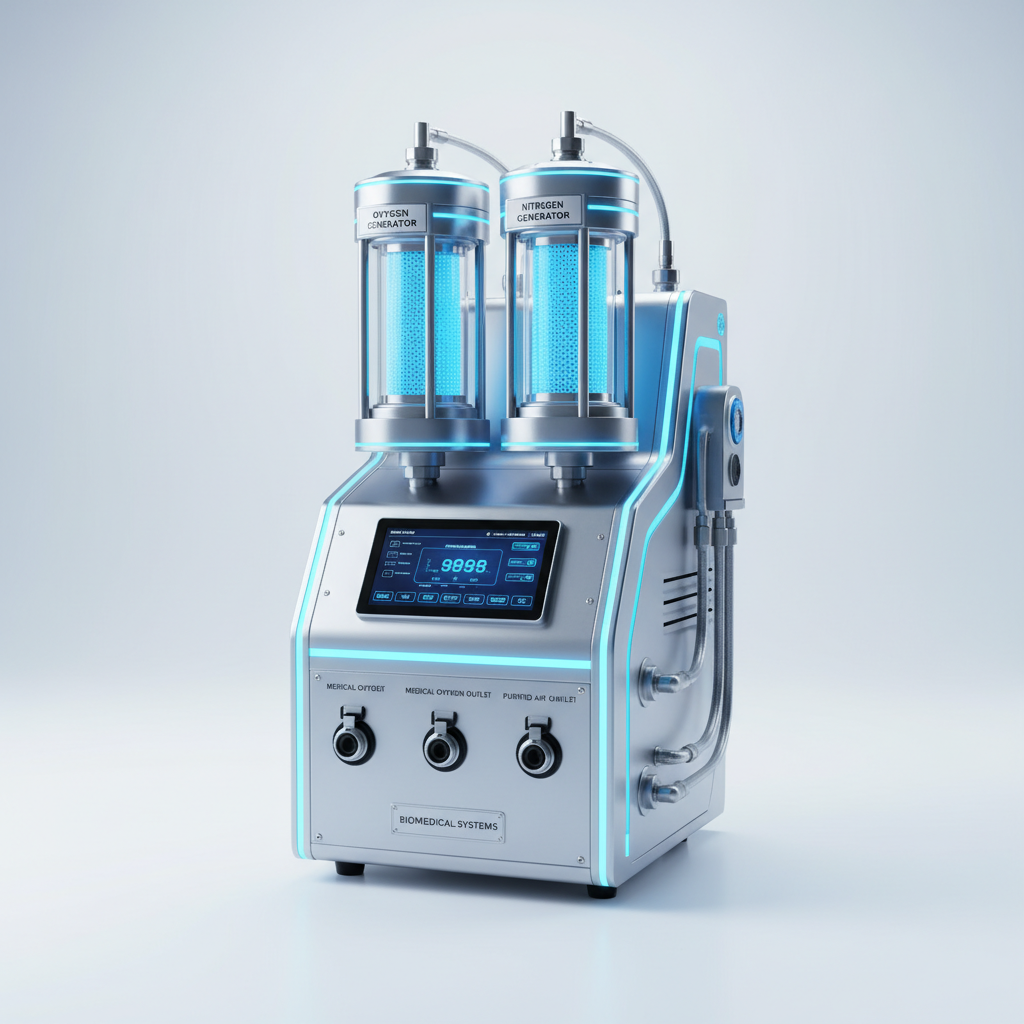
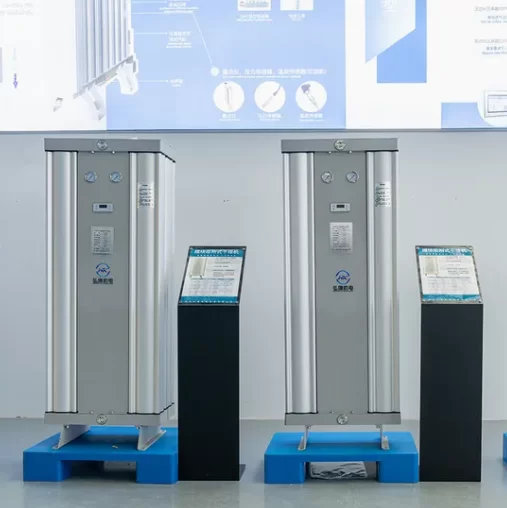
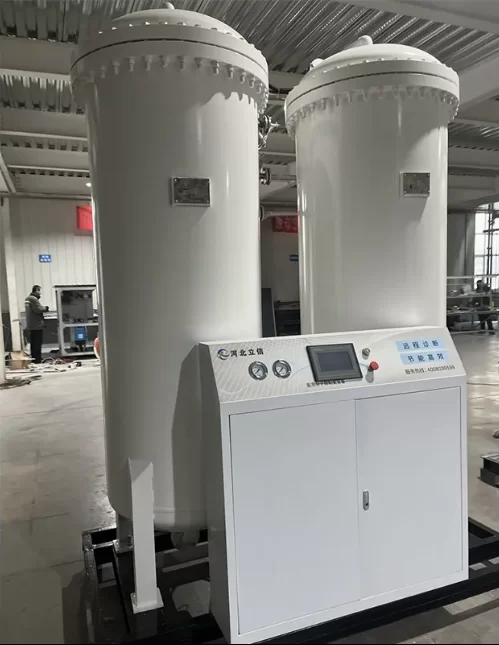
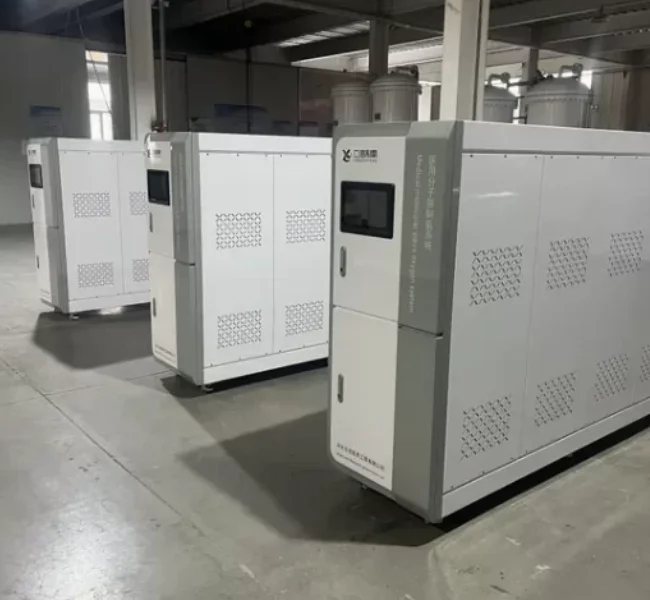
Both nitrogen and oxygen generators utilize a technology called Pressure Swing Adsorption (PSA). This process leverages specialized carbon molecular sieves to separate air into its component gases – primarily nitrogen, oxygen, and other trace elements. Compressed air is passed through these sieves; nitrogen molecules are selectively adsorbed, while oxygen passes through. For oxygen generation, a different type of sieve is employed, adsorbing nitrogen and allowing oxygen to be collected. The adsorbed nitrogen is later released by reducing the pressure, regenerating the sieve for continuous operation. This efficient process provides a consistent supply of high-purity gases, minimizing waste and maximizing resource utilization.
Key Highlights: PSA technology offers a cost-effective, on-demand solution for generating high-purity nitrogen and oxygen, eliminating the need for traditional gas cylinders.
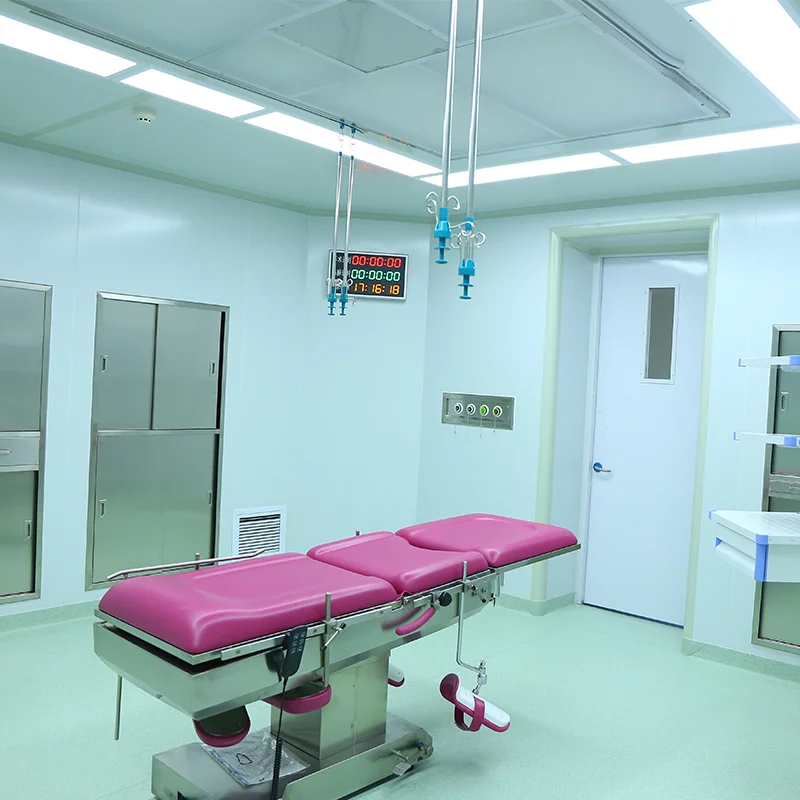
The applications for nitrogen and oxygen generators are incredibly diverse. In the food and beverage industry, nitrogen is used for modified atmosphere packaging (MAP) to extend shelf life. Healthcare utilizes oxygen for respiratory therapy and anesthesia. Manufacturing employs nitrogen for laser cutting, metal fabrication, and inerting processes. Environmental applications include wastewater treatment and biogas upgrading. Additionally, laboratories use nitrogen for instrument purging and sample preservation. The versatility of these generators makes them invaluable across a broad spectrum of industries.
Key Application Areas:
• Food & Beverage (MAP)
• Healthcare (Respiratory Therapy)
• Manufacturing (Laser Cutting)
• Environmental (Wastewater Treatment)
While both generators utilize PSA technology, they serve different purposes and have distinct operating characteristics. Nitrogen generators produce an inert gas ideal for preventing oxidation and preserving materials. Oxygen generators, on the other hand, provide a vital component for combustion, respiration, and oxidation processes. Selecting the appropriate generator depends entirely on the specific application and gas requirements. Factors to consider include purity levels, flow rates, and the overall cost-effectiveness of each system.
Selecting the right nitrogen or oxygen generator involves carefully evaluating several key factors. First, determine your required purity level – different applications demand different levels of gas purity. Next, assess your flow rate needs – this dictates the size and capacity of the generator. Consider the source of compressed air – the quality and pressure of your compressed air will impact the generator's performance. Finally, factor in maintenance requirements and the availability of technical support. Choosing a reputable supplier, like Store Oxygen, ensures you receive a reliable system backed by expert service.
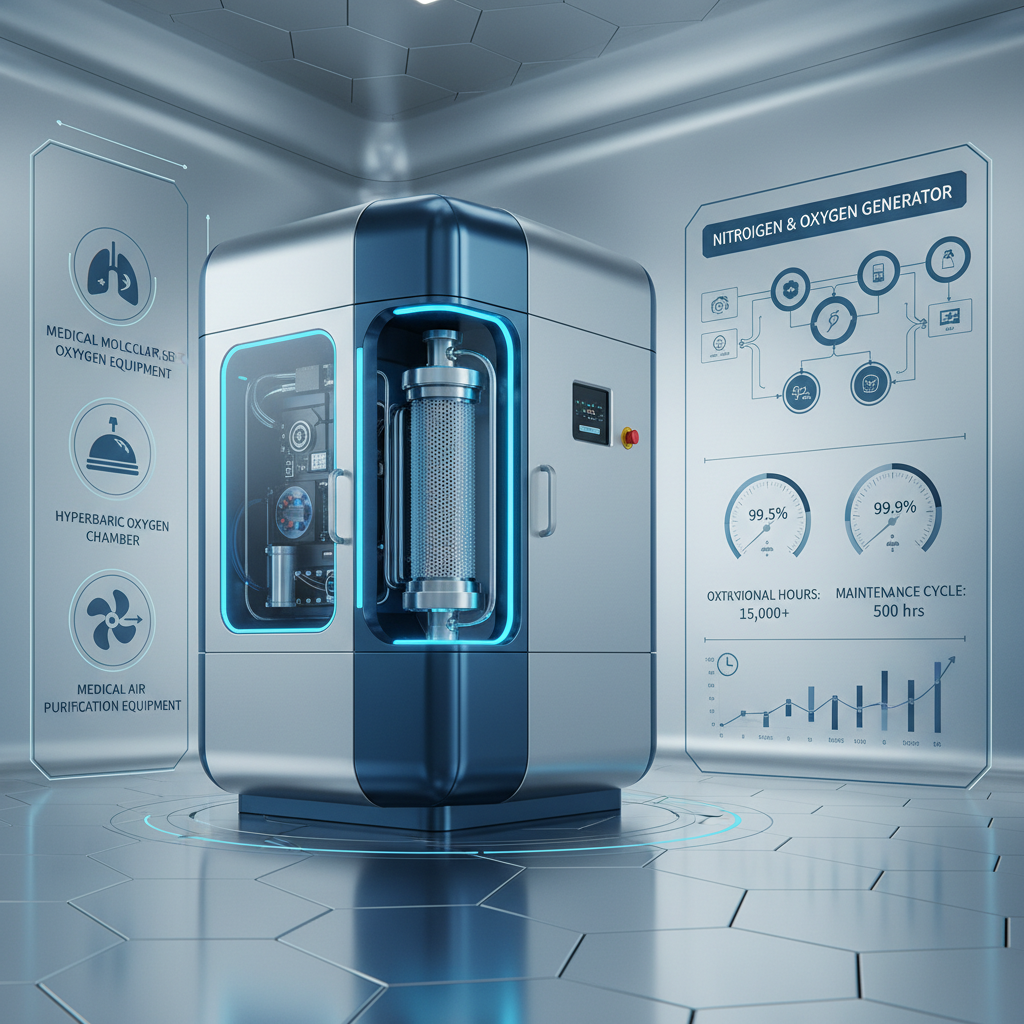
Transitioning from traditional gas cylinders to on-site generation offers significant advantages. Primarily, it reduces costs associated with gas purchases, transportation, and handling. It also enhances safety by eliminating the risks associated with storing and handling pressurized gas cylinders. Furthermore, on-site generation provides a continuous and reliable gas supply, independent of external suppliers. This ensures uninterrupted operations and minimizes downtime. The environmental benefits are also noteworthy, as it reduces carbon emissions associated with gas delivery.
Investing in a nitrogen or oxygen generator is a strategic decision that can significantly benefit your business. From cost savings and enhanced safety to reliable supply and environmental responsibility, the advantages are compelling. Explore the options available at Store Oxygen and empower your operations with a sustainable, cost-effective gas solution.
Regular maintenance is crucial for optimal performance and longevity. Key tasks include replacing pre-filters to ensure clean compressed air, periodic inspection of the carbon molecular sieves, and checking for leaks in the system. Most generators require a complete system check-up annually by a qualified technician. Detailed maintenance schedules are typically provided by the manufacturer. Failure to perform routine maintenance can lead to reduced efficiency, increased operating costs, and potential system failure. Proper maintenance ensures a consistent and reliable gas supply.
The space requirements vary depending on the generator's capacity and design. Smaller, portable units may only require a few square feet, while larger, industrial-scale generators can take up significantly more space. It’s crucial to consider not only the footprint of the generator itself but also adequate space for air intake, exhaust, and maintenance access. Consult the manufacturer's specifications for precise dimensions and installation guidelines. Proper ventilation is also essential to ensure safe and efficient operation.
The payback period depends on several factors, including your current gas consumption, gas prices, and the generator's upfront cost. However, many businesses experience a payback period of 1-3 years due to reduced gas expenses, elimination of cylinder handling fees, and increased operational efficiency. A detailed cost-benefit analysis, considering these factors, will provide a more accurate estimate for your specific situation.