Hit enter to search or ESC to close
2 February 2026
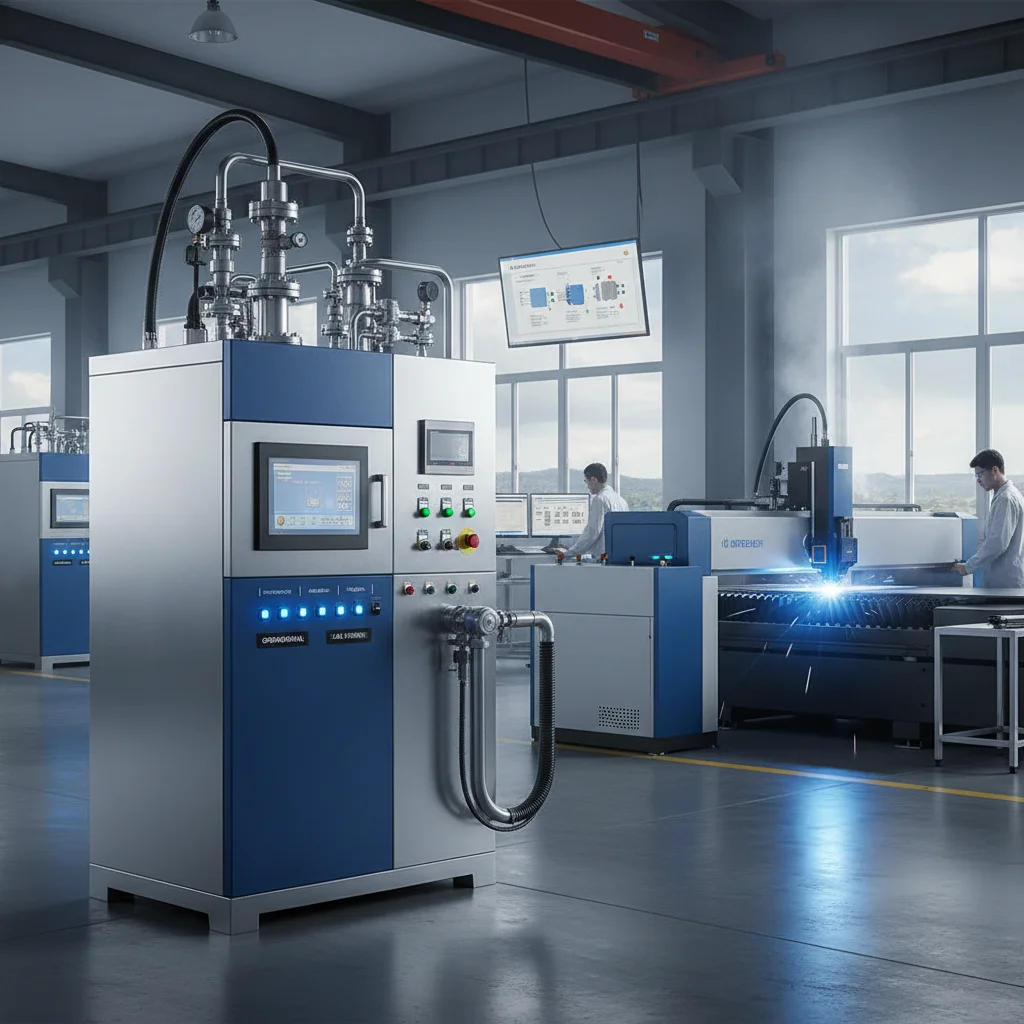
Maintaining correct tyre pressure is crucial for vehicle safety, fuel efficiency, and tyre longevity. Traditionally, inflating tyres relies on compressed air, which contains moisture and varying levels of oxygen. However, using a nitrogen generator for tyre inflation offers significant advantages. This article delves into the benefits of nitrogen inflation, how these generators work, considerations when choosing one, and why Store Oxygen is a leading provider. Nitrogen inflation provides a more stable tyre pressure, resulting in improved performance and cost savings.
Nitrogen, comprising approximately 78% of the air we breathe, offers several advantages over traditional compressed air for tyre inflation. Firstly, nitrogen is a dry gas, meaning it doesn't contain the moisture found in compressed air. This reduces tyre pressure fluctuations caused by temperature changes. Secondly, nitrogen molecules are larger than oxygen molecules, slowing the rate of diffusion through the tyre rubber, leading to longer-lasting pressure. Finally, using nitrogen minimizes oxidation within the tyre, extending its lifespan. This translates to improved fuel economy, enhanced handling, and reduced tyre replacement costs. For professional garages and fleet managers, the long-term cost savings are substantial.
Key Highlights: Reduced tyre pressure fluctuations, slower diffusion rate, minimized oxidation, and extended tyre lifespan.
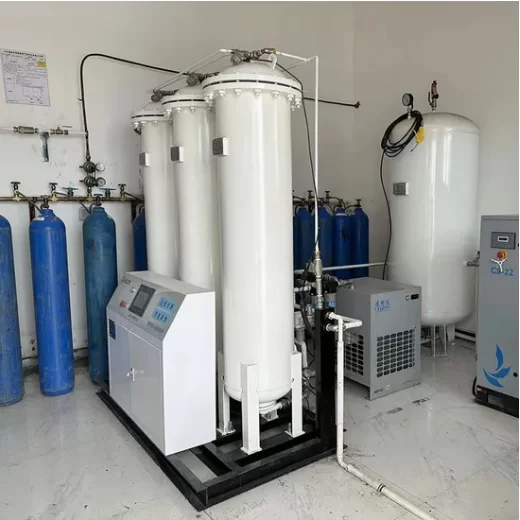
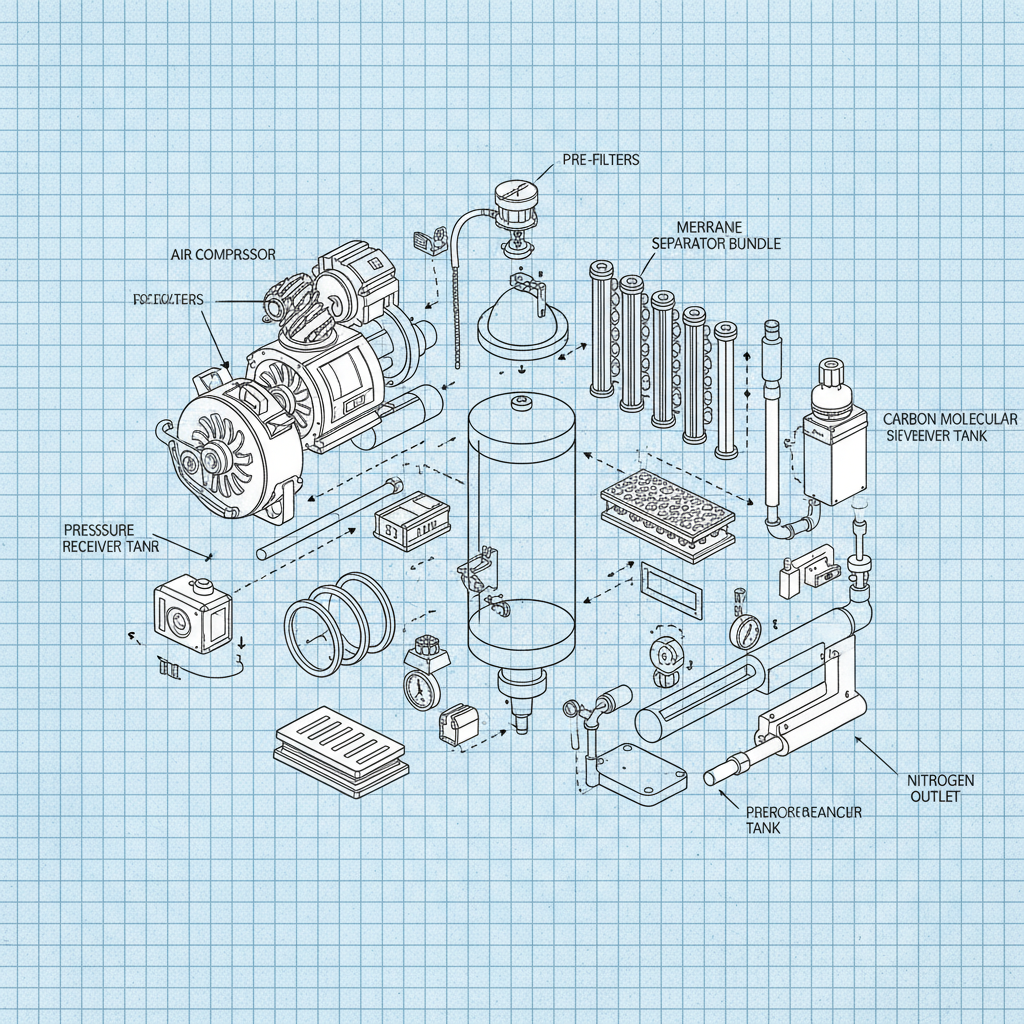
A nitrogen generator utilizes a process called Pressure Swing Adsorption (PSA) to separate nitrogen from the ambient air. Air is drawn into the generator and passed through a series of filters to remove contaminants like dust, oil, and moisture. Then, the air flows through a carbon molecular sieve (CMS) that selectively adsorbs oxygen, leaving behind a high-purity nitrogen stream. This nitrogen is then stored in a tank, ready to be dispensed for tyre inflation. The system operates automatically, providing a continuous supply of nitrogen without the need for external sources like liquid nitrogen tanks.
PSA Process Breakdown:
• Air Intake & Filtration
• Oxygen Adsorption via CMS
• High-Purity Nitrogen Output
• Automated and Continuous Operation
When selecting a nitrogen generator, several factors are essential. Nitrogen purity is a primary concern; ideally, you want a generator that produces nitrogen with a purity level of 95% or higher. Air flow rate (measured in CFM or liters per minute) determines how quickly tyres can be inflated. Consider the size of your operation – larger businesses will need generators with higher flow rates. Tank size influences how much nitrogen is readily available. Finally, look for generators with automatic operation, self-diagnostics, and low maintenance requirements. Store Oxygen offers a variety of models to suit different needs and budgets.
At Store Oxygen, we specialize in providing high-quality nitrogen generators for a wide range of applications, including tyre inflation. We offer a comprehensive selection of models, from compact units for small workshops to high-capacity generators for large fleets. Our generators are built to last, featuring durable components and advanced technology. We also provide expert installation, maintenance, and support services to ensure your system operates at peak performance. We are committed to delivering reliable, cost-effective solutions that meet your specific needs.
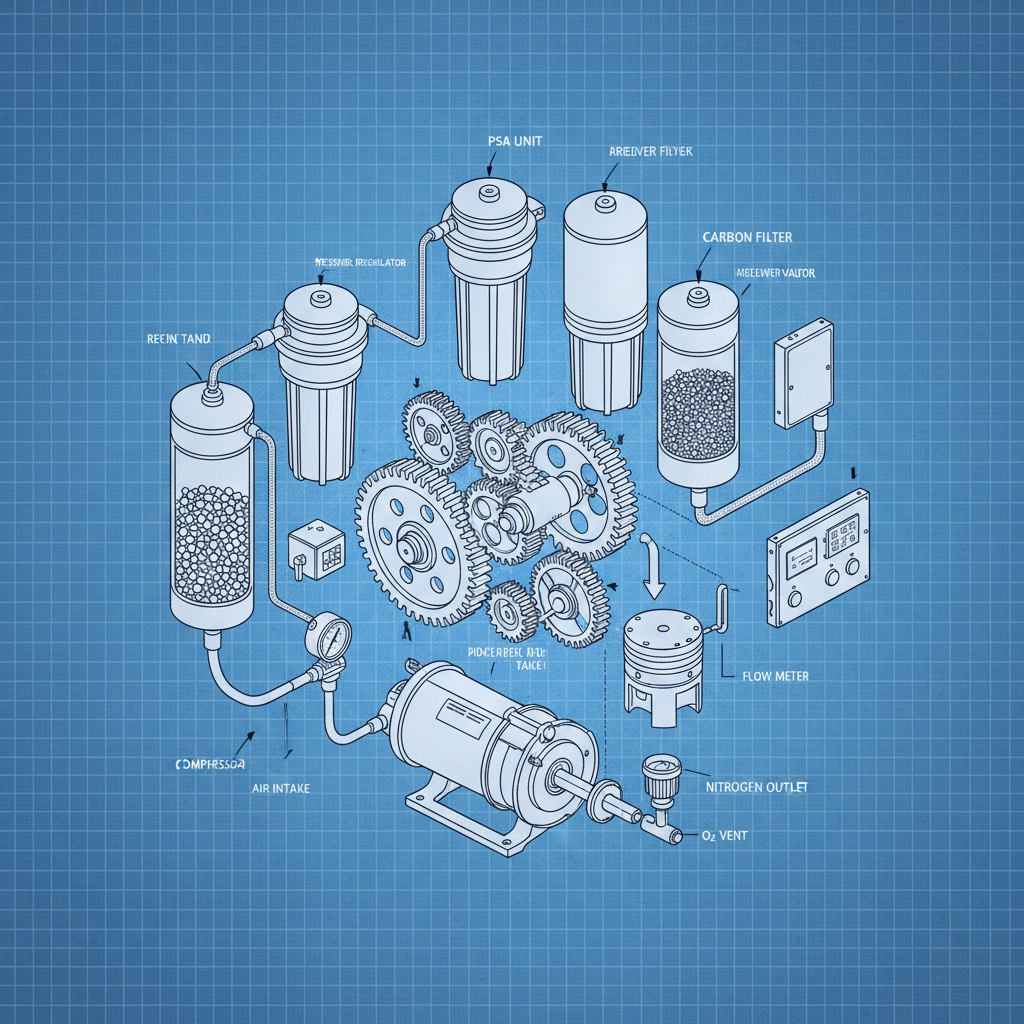
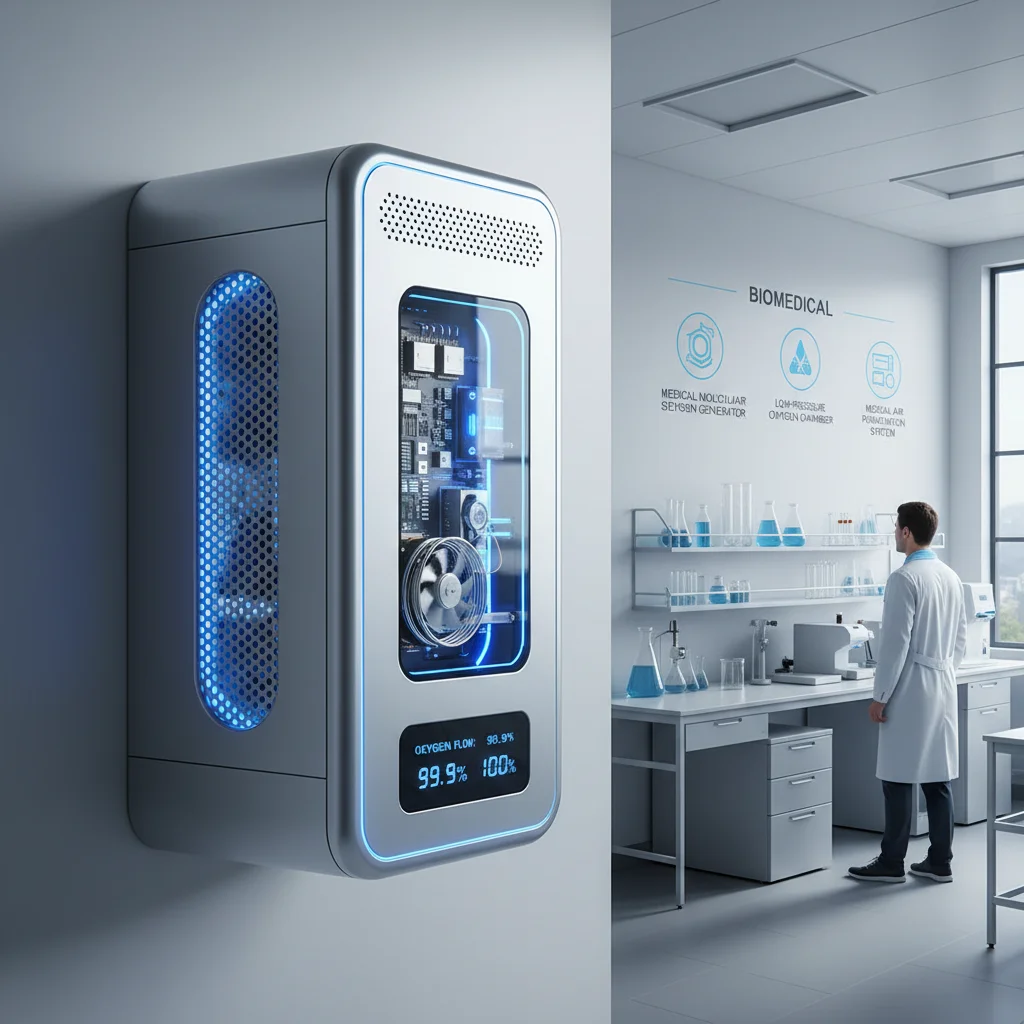
Here's a detailed look at one of our popular models, the SO-NG200:
Investing in a nitrogen generator for tyre inflation is a smart decision for anyone seeking to improve vehicle performance, extend tyre life, and reduce operating costs. Store Oxygen provides reliable, efficient, and cost-effective solutions to meet your specific needs. Contact us today to learn more and find the perfect nitrogen generator for your application.
The operating cost is relatively low. The primary energy consumption is from the air compressor, which typically uses less energy than a traditional air compressor. The cost will depend on your electricity rates and the usage frequency. The long-term savings from reduced tyre wear and improved fuel efficiency often outweigh the operational costs. Proper maintenance, such as filter replacements, will also contribute to the overall cost, but these are typically infrequent and inexpensive.
Nitrogen generators generally require minimal maintenance. The primary maintenance tasks include periodic filter replacements (air intake filter, dust filter, and oil coalescer filter) and checking for any leaks in the air lines. Most generators have automatic self-diagnostic features that alert you to any potential issues. Regularly following the manufacturer's maintenance schedule will ensure optimal performance and longevity of the system.
Yes, absolutely! Nitrogen inflation offers the same benefits for bicycle tyres as it does for car and truck tyres – maintaining consistent pressure and extending tyre life. However, bicycle tyres require lower pressures, so you may need an adapter to connect the generator’s nozzle to the tyre valve. Store Oxygen offers a range of nitrogen generators suitable for both automotive and bicycle applications.
Yes, nitrogen inflation is perfectly safe for tyres equipped with Tire Pressure Monitoring Systems (TPMS). Nitrogen is an inert gas and does not interfere with the functionality of the TPMS sensors. In fact, the consistent pressure offered by nitrogen inflation can help maintain the accuracy of the TPMS readings.