Hit enter to search or ESC to close
Nitrogen gas is crucial in numerous industrial applications, from food packaging to electronics manufacturing. A Pressure Swing Adsorption (PSA) system for nitrogen offers an efficient and cost-effective on-site generation solution, eliminating the need for costly and logistically challenging nitrogen deliveries. This article will explore the workings, benefits, applications, and considerations when choosing a nitrogen PSA system. Investing in a reliable PSA nitrogen generator is a strategic move for businesses seeking consistent, high-purity nitrogen supply.
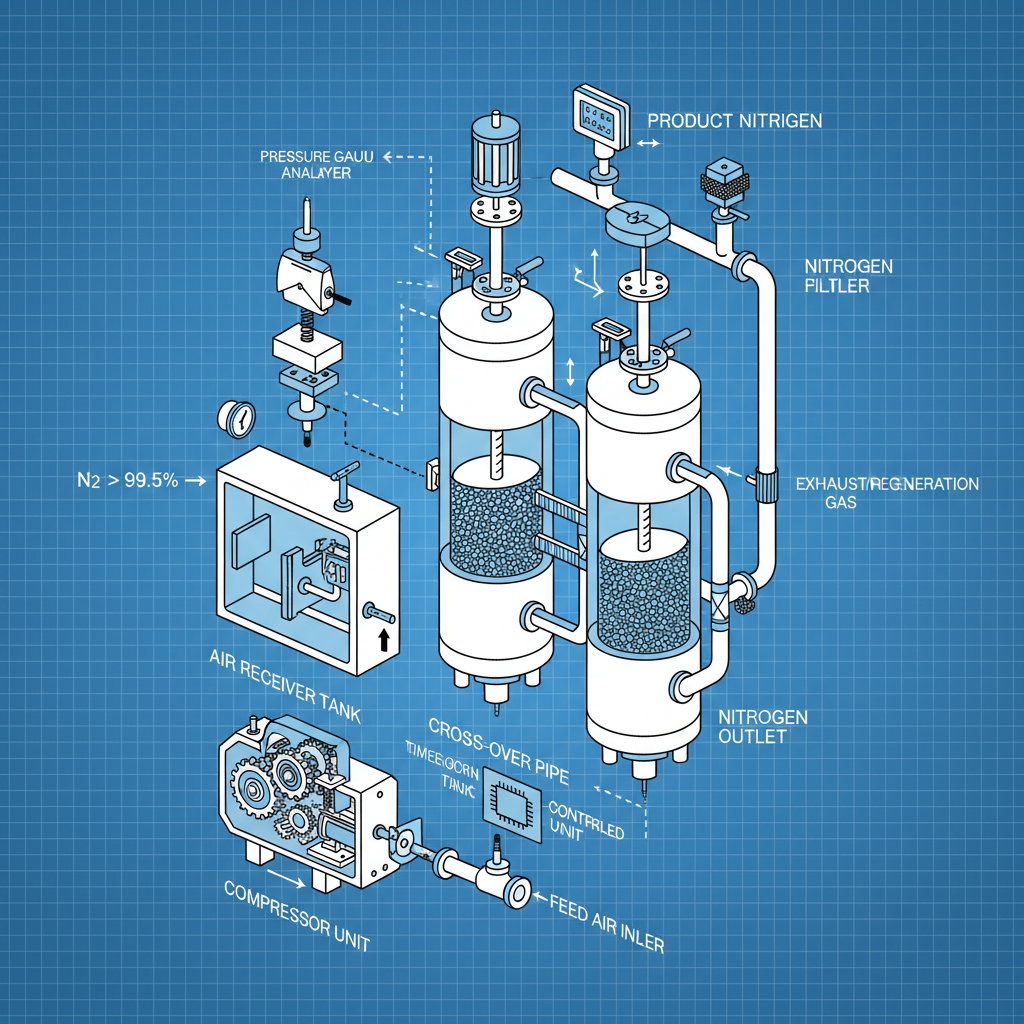
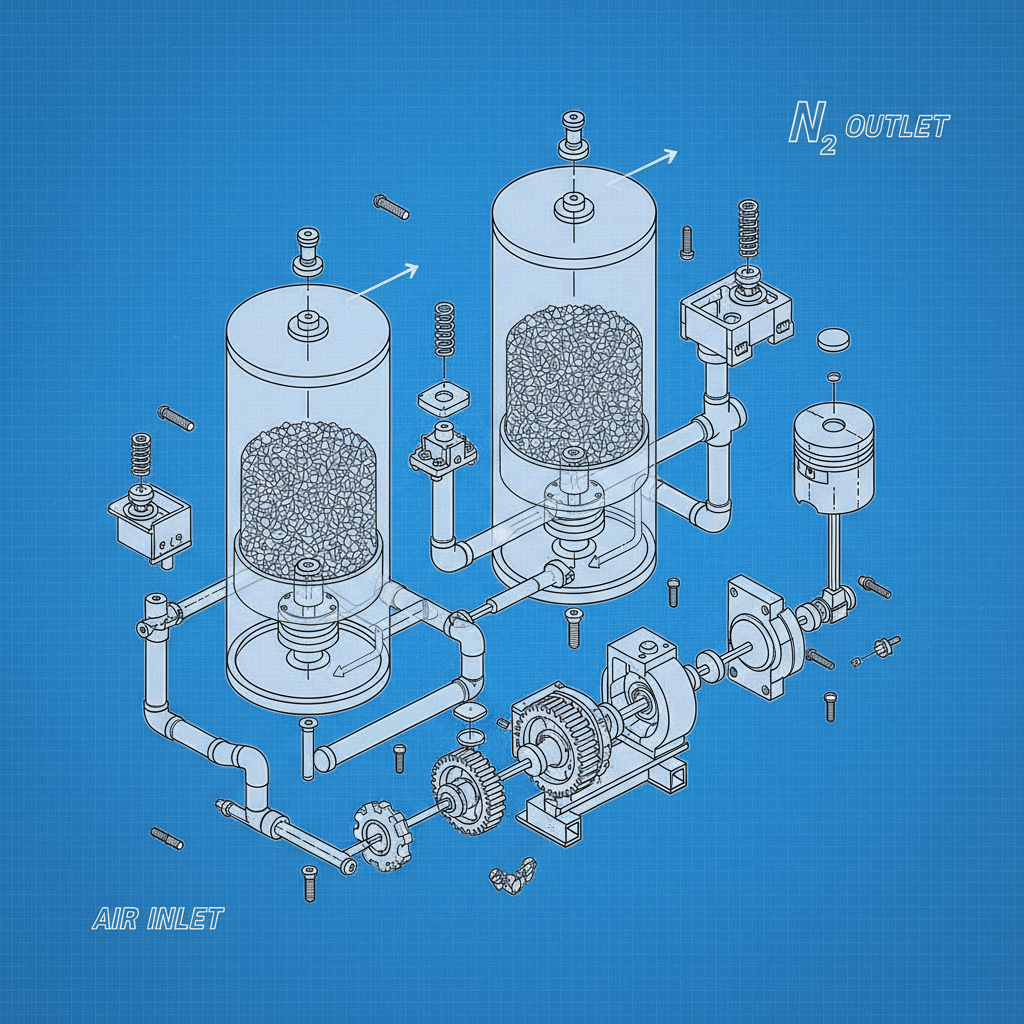
PSA technology leverages the ability of specific adsorbent materials, typically carbon molecular sieves (CMS), to selectively adsorb oxygen from air under pressure. Compressed air passes through a vessel filled with CMS. The CMS preferentially adsorbs oxygen, allowing nitrogen to pass through as a product gas. Once the CMS is saturated with oxygen, the pressure is reduced, releasing the adsorbed oxygen, and regenerating the CMS for another cycle. This cyclical process, involving multiple adsorption vessels operating out of phase, ensures a continuous supply of nitrogen. The purity of the nitrogen produced is determined by the quality of the CMS, the operating pressure, and the design of the PSA nitrogen system.
Key Highlights: PSA technology utilizes carbon molecular sieves to selectively adsorb oxygen from compressed air, resulting in a continuous supply of high-purity nitrogen.
Nitrogen generated by PSA systems finds applications across a diverse range of industries. In the food and beverage industry, nitrogen is used for modified atmosphere packaging (MAP) to extend shelf life. The electronics sector utilizes nitrogen for soldering, preventing oxidation during manufacturing processes. Chemical and pharmaceutical companies employ nitrogen as a purging gas and inert atmosphere. Metalworking industries leverage nitrogen for laser cutting and heat treatment. Furthermore, nitrogen is increasingly used in oil and gas operations for enhanced oil recovery and pipeline purging. Store Oxygen’s PSA systems are adaptable to a wide range of nitrogen requirements.
Key Application Areas:
• Food Packaging (MAP)
• Electronics Manufacturing
• Chemical & Pharmaceutical
• Metalworking
• Oil & Gas
Traditionally, nitrogen was supplied via cryogenic liquid nitrogen deliveries or high-pressure gas cylinders. However, these methods have significant drawbacks, including high costs, logistical complexities, and safety concerns. A PSA nitrogen generator offers a compelling alternative, providing a self-sufficient and reliable nitrogen source. The initial investment in a PSA system is offset by lower operating costs and eliminates the need for ongoing deliveries. Furthermore, PSA systems offer greater control over nitrogen purity and flow rate, tailoring the supply to specific application needs.
Selecting the right PSA system for nitrogen requires careful consideration of several factors. Determine your daily nitrogen consumption requirements to size the system appropriately. Specify the required nitrogen purity level based on your application. Consider the available compressed air supply – the PSA system requires a clean, dry, and oil-free compressed air source. Evaluate the installation space and environmental conditions. Finally, partner with a reputable supplier like Store Oxygen who can provide expert guidance, installation, and ongoing maintenance.
Below is a sample specification table for our popular PSA Nitrogen System:
Investing in a PSA system for nitrogen is a smart choice for businesses seeking a reliable, cost-effective, and environmentally responsible nitrogen supply solution. Eliminate the complexities and costs of traditional methods and enjoy the benefits of on-site nitrogen generation. Store Oxygen offers a wide range of PSA systems tailored to meet your specific requirements.
PSA Nitrogen systems generally require minimal maintenance. Regular tasks include replacing the inlet air filter, draining the moisture separator, and periodically inspecting the adsorbent beds. The frequency of these tasks depends on the quality of the compressed air supply and the operating environment. Store Oxygen offers comprehensive maintenance packages to ensure optimal system performance and longevity. It is recommended to schedule annual inspections and adsorbent bed changes every 5-7 years, depending on usage.
PSA systems require a clean, dry, and oil-free compressed air supply. The air should be free of particulate matter, water vapor, and oil contamination, as these can damage the adsorbent beds and reduce nitrogen purity. It is essential to install appropriate pre-treatment equipment, such as air filters, dryers, and oil separators, to ensure the compressed air meets the required specifications. Store Oxygen can advise on the appropriate pre-treatment solutions for your specific application.
The startup time for a PSA nitrogen system is relatively quick. Once the compressed air supply is connected and the system is powered on, it typically takes 15-30 minutes to reach the desired nitrogen purity level. The system automatically cycles through the adsorption and desorption phases, and the nitrogen output stabilizes within a short period. The specific startup time may vary depending on the system size and configuration.
With proper maintenance, a PSA nitrogen generator can have a long lifespan, typically 10-15 years or more. The lifespan depends on factors such as usage frequency, air quality, and adherence to recommended maintenance schedules. Regularly replacing the air filters and adsorbent beds is crucial for maintaining optimal performance and extending the system's lifespan.