Hit enter to search or ESC to close
2 December 2025
If you’ve ever wondered how increasing oxygen levels can radically speed up healing, then you’re in the right place. The hyperbaric oxygen therapy machine (HBOT machine) isn’t just a niche medical device — it’s a vital tool with rising importance worldwide. Whether in long-term care hospitals or remote disaster zones, this technology’s impact continues to expand, driven by a growing demand for innovative, non-invasive treatments.
In a nutshell, hyperbaric oxygen therapy involves breathing pure oxygen in a pressurized chamber, which helps improve oxygen delivery to tissues and speeds up recovery from a range of conditions. Globally, the World Bank estimates chronic wounds affect nearly 1-2% of the population at some point, and the demand for effective therapies is rising. You might be surprised that beyond clinical hospitals, HBOT machines also play a role in wound care centers, sports medicine, and even humanitarian missions.
Mini takeaway: The hyperbaric oxygen therapy machine is both a medical innovation and a versatile solution with growing global healthcare relevance.
Health challenges like diabetic foot ulcers, carbon monoxide poisoning, and radiation injuries are increasingly common worldwide. The United Nations highlights that non-communicable diseases (NCDs) remain a top global health threat, making treatments like HBOT particularly relevant. Yet, access to such advanced therapies is uneven, especially in low-resource settings.
The hyperbaric oxygen therapy machine addresses a critical gap: it enables more effective wound healing and tissue repair, reducing hospital stays, and improving patient outcomes. Oddly enough, although the technology dates back to the 1600s, only recently has it gained more widespread application thanks to technological advances increasing safety and portability.
Mini takeaway: Addressing health disparities worldwide, HBOT machines are proving essential in modern medical and humanitarian contexts.
Simply put, a hyperbaric oxygen therapy machine is a specialized chamber where a patient breathes 100% oxygen at pressures higher than atmospheric pressure, often between 1.5 and 3 atmospheres absolute (ATA). This elevated pressure allows oxygen to dissolve more efficiently in the bloodstream, reaching oxygen-starved tissues that normally wouldn’t get enough.
This is crucial in the treatment of wounds, infections, and certain intoxications. From a practical standpoint, the machine combines a pressurized environment with medical-grade oxygen delivery, typically controlled via computerized monitoring systems to ensure patient safety and comfort.
Mini takeaway: The HBOT machine enhances oxygen delivery under pressure, promoting healing beyond what regular breathing can achieve.
Most machines have to withstand repeated high pressure cycles without leaks or malfunctions. Materials like aerospace-grade aluminum and reinforced acrylic are common, balancing strength with patient visibility. Safety features include oxygen sensors, pressure control valves, and emergency decompression mechanisms. This, frankly, is non-negotiable given the risks involved with pressurized oxygen.
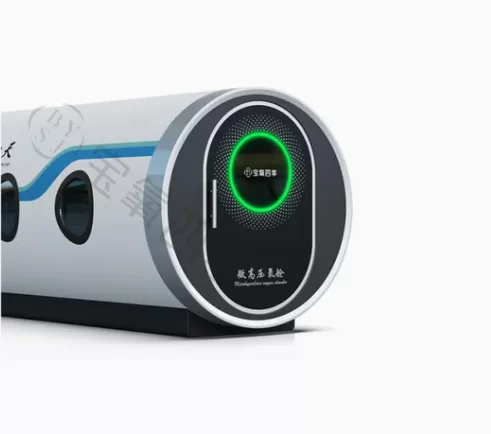
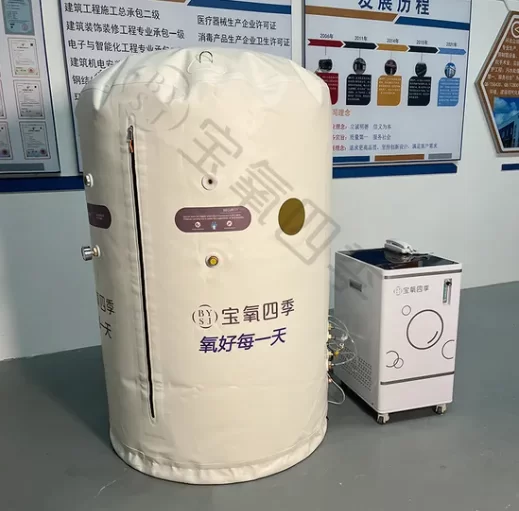
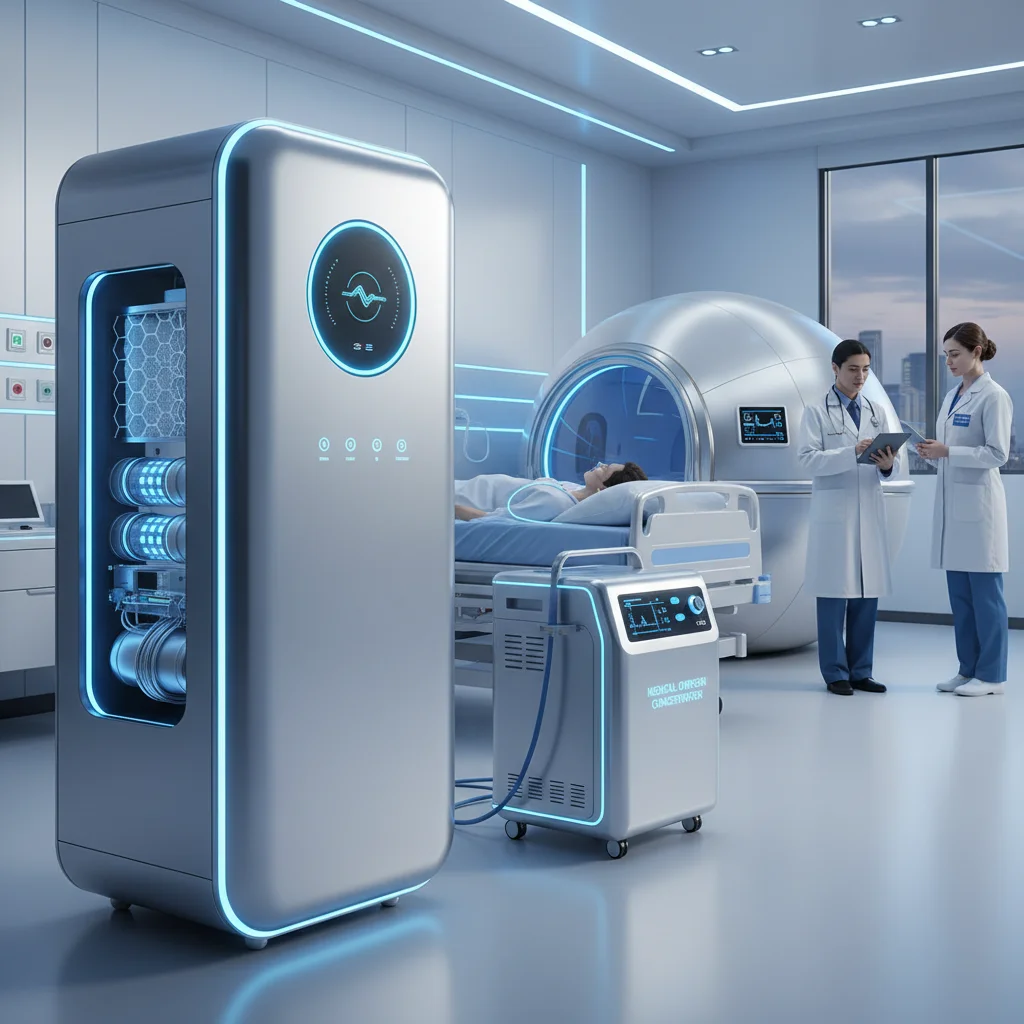
Modern hyperbaric chambers range from large multi-patient setups in hospitals to lightweight portable units used in field hospitals or sports clinics — this versatility is key. For example, some vendors now offer modular HBOT units that can be rapidly deployed in disaster zones, a game-changer for emergency medicine.
While initial investments can be high, especially for larger chambers, maintenance and operational costs factor heavily. Efficient oxygen recycling systems and low-energy compressors help reduce running costs. Many healthcare providers are keen on cost models that include remote monitoring to lower staffing needs.
Innovations like touchscreen controls, real-time dashboards showing pressure and oxygen levels, and emergency alarm systems ensure usability for clinicians and safety for patients. Some machines even incorporate AI-assisted diagnostics to tailor treatment durations dynamically.
International standards such as ISO 13485 (Medical Devices Quality Management) and FDA approvals are vital for market acceptance and patient trust. Compliance ensures HBOT machines meet strict quality and safety benchmarks.
| Specification | Typical Range | Notes |
|---|---|---|
| Operating Pressure | 1.5–3.0 ATA | Adjustable depending on treatment |
| Oxygen Concentration | 95–100% | Medical-grade oxygen mandatory |
| Chamber Size | Single to multi-person | Varies by model, from portable to large |
| Power Requirements | 110–240V, 50/60Hz | Some models support battery backup |
| Weight | 150–500+ kg | Depends on size and materials |
HBOT machines aren’t confined to fancy hospitals in developed countries. Far from it. They’re part of global health initiatives, sports medicine, and disaster relief.
Many humanitarian organizations, like Médecins Sans Frontières, have started integrating these machines in field hospitals to bridge care gaps. It's more than just fancy tech — it’s a tangible lifeline in tough conditions.
Mini takeaway: Hyperbaric oxygen therapy machines are versatile tools deployed from hospital wards to rugged emergency sites worldwide.
Using these machines offers a mix of clear, logical benefits and emotional reassurance. Patients get faster healing times and often avoid invasive surgeries. Clinicians trust the improved tissue oxygenation outcomes. For healthcare systems, reduced treatment times translate to lower costs and better resource allocation.
The social value is equally compelling: People with chronic wounds regain mobility and dignity, reducing social isolation. In emergency settings, timely HBOT treatment saves lives and reduces complications.
Financially, while machines can be costly initially, the long-term returns—in patient outcomes and system efficiencies—justify the investment. Plus, manufacturers are innovating to develop sustainable, energy-efficient models, minimizing environmental footprint.
What’s next for hyperbaric oxygen therapy machines? Trends hint at:
Regulations are also evolving, pushing manufacturers to maintain safety while encouraging innovation — a fine balance but necessary for trust and efficacy.
No technology is without hurdles. Cost and accessibility remain the biggest barriers, especially for low-income regions. In addition, ensuring staff are fully trained to operate complex machinery safely is crucial. Some patients may experience claustrophobia or discomfort during treatment, which machine designs strive to mitigate.
Solutions? Simplifying user interfaces, expanding remote training programs, and developing smaller, patient-friendly designs are ongoing strategies. Organizations like the Hyperbaric Medicine Society also promote best practices and research transparency, which helps provide evidence-backed care guidelines.
| Vendor | Price Range (USD) | Features | Support & Training |
|---|---|---|---|
| OxyHeal | $40,000–$120,000 | Multi-patient chambers, touchscreen controls | Comprehensive onsite & remote training |
| PressurMed | $25,000–$80,000 | Portable units, lightweight design | Online tutorials, 24/7 support |
| HyperCare | $50,000–$150,000 | AI-integrated monitoring, large chambers | Dedicated account managers & training |
A typical session usually ranges from 60 to 90 minutes, depending on the treatment protocol. Some conditions might require multiple sessions spaced out over days or weeks to achieve the best results.
Generally, HBOT machines require trained medical supervision due to risks such as oxygen toxicity or pressure-related injuries. Some smaller portable models exist for home use but always under strict medical guidance to ensure safety.
Yes, many athletes use hyperbaric oxygen therapy to enhance recovery by reducing inflammation and accelerating tissue repair. However, effectiveness varies and should complement other therapies rather than replace them.
Routine inspections for leaks, oxygen purity checks, and compressor servicing are essential. Most manufacturers recommend annual professional maintenance to ensure safety and performance.
Traditional oxygen therapy provides oxygen at normal atmospheric pressures. In contrast, HBOT delivers oxygen at elevated pressures, increasing oxygen absorption significantly, which enhances healing in ways traditional therapies cannot.
In summary, the hyperbaric oxygen therapy machine stands out as a versatile healing technology—one that bridges clinical innovation with wide-ranging global health needs. Its advantages in improving patient outcomes, enabling faster recovery, and expanding access to advanced care make it a compelling investment both in healthcare systems and humanitarian efforts.
If you’re looking to explore state-of-the-art options or start incorporating HBOT into your facility, don’t hesitate to visit our website for the latest models and expert guidance.
One small reflection: It’s pretty remarkable how a concept centuries old, when paired with today’s innovation, quietly transforms millions of lives around the globe.