Why the 5lt Oxygen Concentrator Matters Today
In a world that’s constantly grappling with health challenges and industrial demands, the
5lt oxygen concentrator has quietly become a staple technology. Whether in hospitals overwhelmed by respiratory cases or remote locations lacking steady oxygen supplies, this machine plays a vital role. It’s capable of delivering up to 5 liters of concentrated oxygen per minute — a sweet spot for many clinical applications and emergency setups. Understanding this device isn’t just a technical exercise; it’s a glimpse at the intersection of medical innovation, sustainability, and global health equity.
Oxygen therapy has surged in demand, especially since the pandemic reminded us how crucial respiratory support can be. The World Health Organization (WHO) estimates that millions struggle without reliable oxygen access, particularly in low-resource settings. That’s where efficient, compact, and user-friendly solutions like the 5lt oxygen concentrator come in — making oxygen therapy more accessible and sustainable worldwide.
Mini takeaway: The 5lt oxygen concentrator represents a critical bridge between high-tech medical needs and real-world accessibility challenges — globally and locally.
The Global Context: Why Oxygen Concentrators Are on the Rise
Data from the United Nations and the World Bank highlight a startling gap in medical oxygen availability worldwide. Roughly 60% of hospitals in lower-income countries lack a dependable oxygen supply, leading to preventable deaths from treatable respiratory conditions. The 5lt oxygen concentrator addresses this with a relatively low-cost, low-maintenance alternative to bulky oxygen tanks and complicated delivery infrastructure.
In regions affected by natural disasters or ongoing health crises, these devices offer rapid deployment oxygen therapy, often the difference between waiting endlessly for oxygen tanks or having it on demand. Moreover, healthcare centers and home healthcare providers in developed areas also rely on these to empower patients needing long-term oxygen support with greater mobility.
If you think about it, the 5-liter capacity is just the right balance for many needs – not too weak, not overwhelmingly bulky.
What Exactly Is a 5lt Oxygen Concentrator?
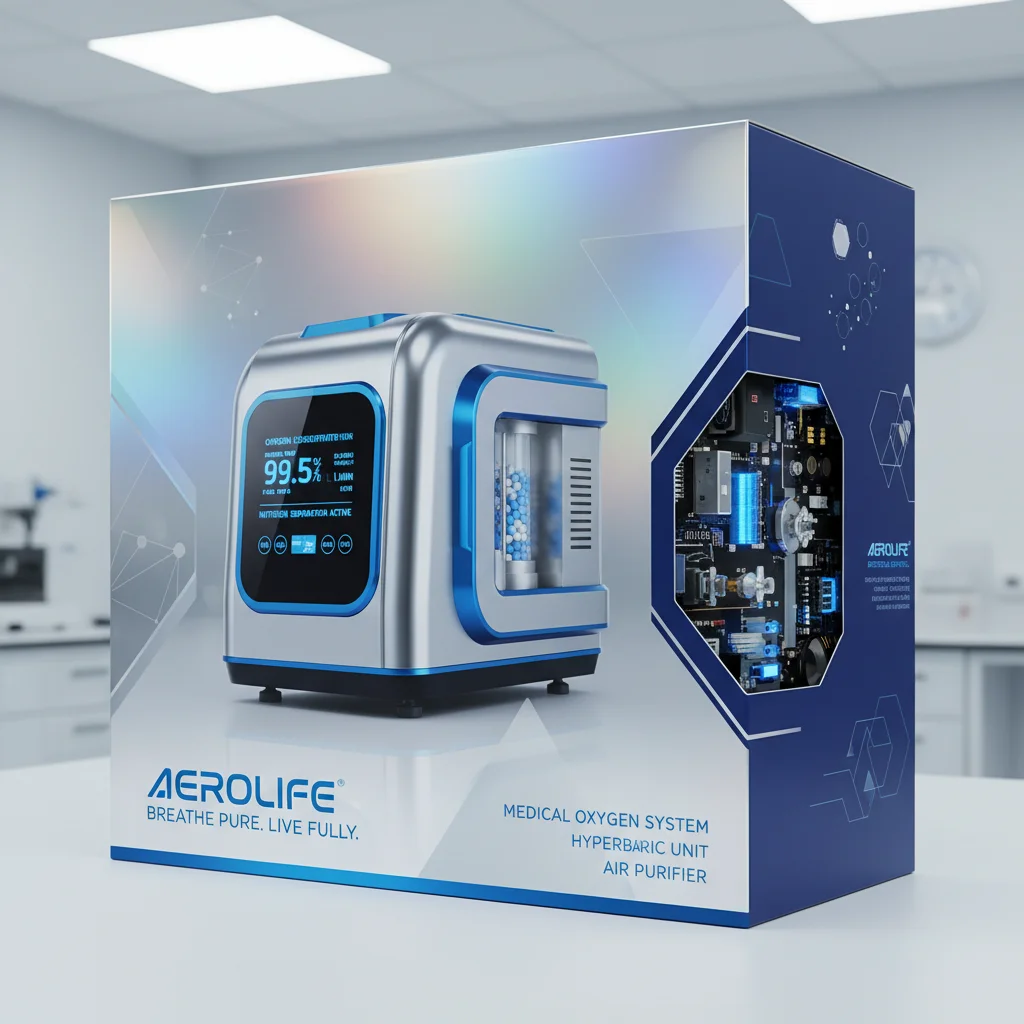
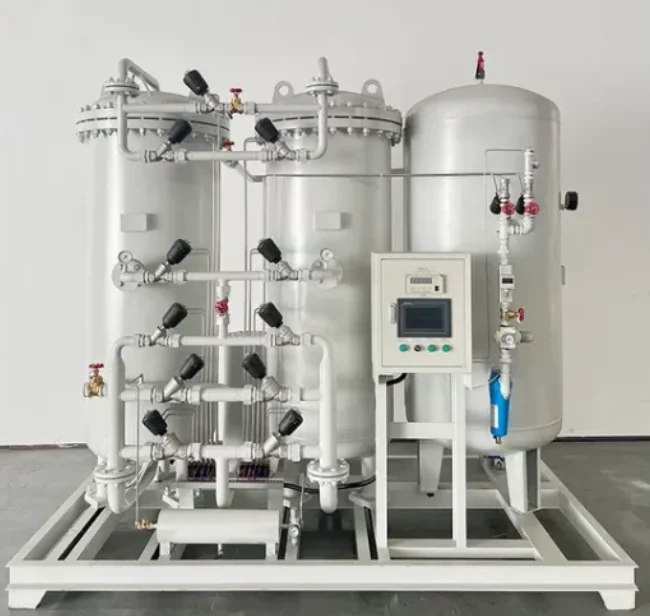
In simple terms, a 5lt (5 liters per minute) oxygen concentrator is a machine that takes in ambient air, filters out nitrogen, and delivers concentrated oxygen at a 5-liter flow rate. This process uses molecular sieves, often made of zeolite, to separate oxygen from other gases. The output is medical-grade oxygen that patients can breathe through masks or nasal cannulas.
Why 5 liters? That flow rate accommodates moderate oxygen therapy, suitable for patients with respiratory distress, COPD (chronic obstructive pulmonary disease), and during post-surgery recovery. It’s also a common spec for home-care units, balancing portability with performance.
Think of it like a little oxygen factory that fits on a tabletop but can quietly power vital treatments.
Core Features That Make These Concentrators Stand Out
1. Portability & User-Friendliness
Modern 5lt oxygen concentrators are designed to be easily moved, some weighing under 10 kg. Many have wheels or handles, enabling bedside or room-to-room use without complicated installation. User interfaces tend to be intuitive, with simple power switches and flow adjustments.
2. Energy Efficiency
Energy consumption isn’t just about saving your electricity bill. In regions with unreliable power grids, a concentrator that sips watts rather than guzzling is a literal lifesaver. Many 5lt units run between 300 and 600 watts, some featuring battery backups or inverter-compatible designs.
3. Noise Levels
Surprisingly important! Concentrators run for hours and can be disruptive if noisy. A 5lt machine often strikes a balance, producing less than 50 decibels — roughly the sound of a quiet conversation.
4. Durability and Maintenance
Hospitals and clinics demand reliability. Components like filters and sieve beds need to be easy to clean or replace. Many units auto-diagnose faults or alert users to maintenance needs, extending their usable life.
5. Oxygen Purity Standards
Medical standards (ISO 8359) require that oxygen purity consistently remains between 87% to 95%. Good concentrators meet and exceed these, monitored by onboard sensors.
6. Cost Effectiveness
Initial purchase price and long-term costs (maintenance, power) matter, especially for public health providers needing dozens of units.
| Specification |
Typical Value |
| Oxygen Flow Rate |
5 L/min |
| Oxygen Purity |
87% - 95% |
| Power Consumption |
320 - 600 W |
| Noise Level |
45 - 50 dBA |
| Weight |
8 - 10 kg |
| Warranty |
1 - 3 years |
Mini takeaway: The best 5lt oxygen concentrators blend durability, efficiency, and user comfort — making them ideal for a range of healthcare scenarios.
How Are 5lt Oxygen Concentrators Used Around the World?
These devices have found their way into hospitals, clinics, homes, and even industrial setups across continents:
- Remote Clinics in Africa & Asia: NGOs and governments deploy concentrators where supplying oxygen tanks is costly or impractical.
- Emergency Relief Efforts: After earthquakes or floods, portable concentrators supply oxygen quickly to victims.
- Chronic Care and Elderly Homes: Long-term oxygen therapy (LTOT) patients benefit from manageable, quiet concentrators.
- Industrial Settings: Some facilities use oxygen concentrators for welding or chemical processes requiring pure oxygen.
For instance, during the 2020 COVID-19 surge in India, many hospitals turned to affordable 5lt concentrators to fill oxygen gaps amid tank shortages — indisputably saving lives.
If you want a closer look, check out this helpful link to
5lt oxygen concentrator supplier info and reviews.
Advantages and Long-Term Benefits of These Devices
Why do healthcare professionals favor these machines? Because they offer:
-
Cost Savings: No need for frequent oxygen cylinder deliveries or complicated logistics.
-
Sustainability: Concentrators extract ambient air, avoiding dependency on fossil-fuel heavy oxygen supply chains.
-
Improved Patient Safety: Constant oxygen flow at safe purity levels avoids hypoxia risks.
-
Emotional Comfort: Patients often feel dignified having oxygen on demand in their homes.
-
Reliability in Harsh Conditions: Some models survive dust, heat, and voltage spikes better than tanks or large machines.
All these advantages add up to better outcomes and confidence among caregivers.
Looking Ahead: Innovations Shaping the Future of Oxygen Concentration
Modern 5lt oxygen concentrators are just the start. Future trends include:
-
Battery-Powered Mobility: Lightweight battery packs allowing hours of wireless operation.
-
Smart Diagnostics: AI to predict component wear or optimize power use.
-
Green Energy Integration: Solar-powered units for off-grid use.
-
Advanced Filtration Materials: New sieve materials promising longer filter life and improved purity.
-
Remote Monitoring: Telemedicine integration for patient adherence and safety checks.
Oddly enough, these devices are becoming smarter, smaller, and greener — much like our phones did once upon a time.
Common Challenges & How Experts Think We’re Solving Them
Sure, they’re not perfect:
-
Power Dependency: Concentrators need constant electricity — a barrier in unstable grids.
-
Maintenance Requirements: Sieve beds wear out and need replacing, often in far-flung areas.
-
Initial Costs: Though cheaper than tanks long term, upfront prices can block small clinics or individuals.
-
Noise in Certain Models: Some cheaper units remain annoyingly noisy.
Innovations like solar UPS, remote filter ordering, modular designs, and NGO leasing programs help shrink these challenges.
Comparing Leading 5lt Oxygen Concentrator Vendors
| Vendor |
Price Range (USD) |
Warranty |
Noise Level (dB) |
Unique Feature |
| OxyPure |
$750 - $900 |
2 years |
44 |
Real-time purity monitoring |
| MedO2 |
$650 - $800 |
1 year |
50 |
Battery backup option |
| AirFlowTech |
$900 - $1100 |
3 years |
46 |
Integrated app-control via Bluetooth |
Frequently Asked Questions About 5lt Oxygen Concentrators
How long can a 5lt oxygen concentrator operate continuously?
These machines are designed to run 24/7, with minimal breaks for maintenance. Filters and sieve beds typically require servicing every 6 months to a year, depending on usage and environment.
Can I use a 5lt concentrator at home safely?
Absolutely, many patients use them safely at home for chronic respiratory diseases. It’s important to follow manufacturer guidelines on ventilation, maintenance, and electrical safety.
What happens if the power goes out?
Most standard models stop supplying oxygen when power is lost. Some newer or premium models feature battery backups, but in many cases, an oxygen cylinder is kept as a safety backup.
Is this device suitable for all oxygen therapy patients?
No, patients requiring very high oxygen flow rates (>5 L/min) or mechanical ventilation support may need different devices. The 5lt concentrator hits a middle ground for moderate oxygen needs.
How can NGOs or clinics import these devices internationally?
Many suppliers specialize in international shipping and can provide certifications for customs clearance. Partnering with local distributors or humanitarian organizations often helps smooth import and deployment.
Final Thoughts on the 5lt Oxygen Concentrator
In sum, the 5lt oxygen concentrator is an unsung hero in global healthcare — quietly delivering life-saving oxygen where it’s needed most. It balances performance, affordability, and portability in a way that few other devices can. Whether used in sprawling hospitals, remote health posts, or home care, it’s a cornerstone of modern respiratory therapy that’s only getting better with innovation.
Curious to learn more or explore models? Visit our website:
https://www.storeoxygen.com.
---