Hit enter to search or ESC to close
26 November 2025
Oxygen plant construction — it might sound like a niche industrial phrase, but the reality is it’s a global lifeline. From hospitals in bustling cities to emergency relief camps in remote disaster zones, oxygen plants are the unseen heroes ensuring people breathe easier. The demand for oxygen surged sharply during the COVID-19 pandemic, shining a harsh light on gaps that existed worldwide. So understanding oxygen plant construction today isn’t just useful, it’s vital. It means better preparedness, improved healthcare outcomes, and optimized industrial processes.
Globally, about 150 million tons of oxygen are produced annually, sustaining healthcare, industry, and environmental applications (source: UNIDO). During crises—pandemics, wildfires, or chemical emergencies—oxygen supply isn’t just a luxury; it’s a matter of life and death. The World Health Organization estimates millions of patients need medical oxygen yearly, yet access remains uneven. So, the challenge is clear: build oxygen plants that are reliable, cost-effective, and scalable to meet rising demands without environmental costs spiraling.
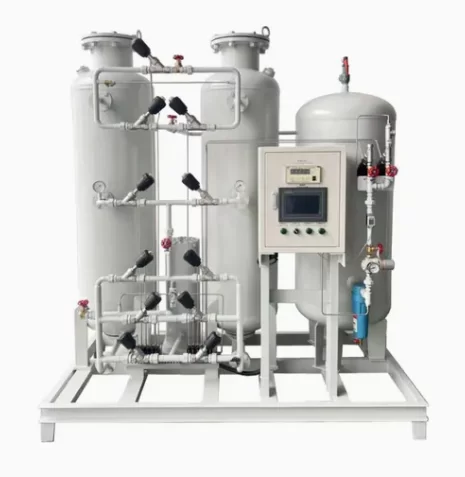
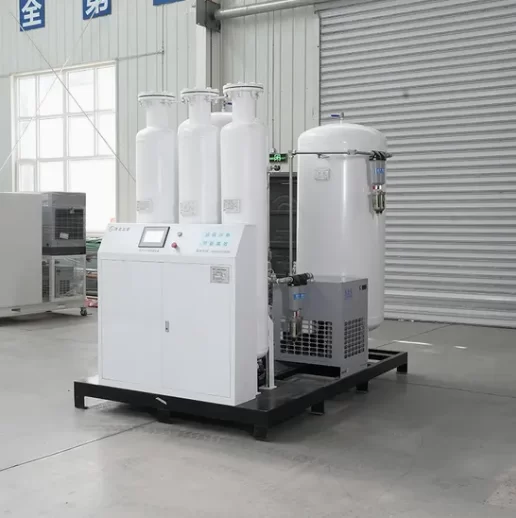
At its heart, oxygen plant construction refers to designing and installing facilities that produce oxygen on-site or for distribution. These plants use air separation technologies like Pressure Swing Adsorption (PSA) or cryogenic distillation to extract oxygen from the air. They range from compact, mobile units for emergency setups to colossal industrial complexes supporting steel mills or chemical factories. The connection to modern life is intimate—whether it’s keeping a premature baby alive or fueling combustion in manufacturing, oxygen plants quietly power essential systems.
Oxygen plants often operate in challenging environments — from dusty mining sites to humid hospital basements. A plant’s construction must withstand corrosion, variable climates, and continuous use. Materials like stainless steel and weatherproof coatings are standard fare, but smart design that anticipates local conditions is what truly matters. After all, a failure in oxygen supply is more than an inconvenience — it’s a critical risk.
Nothing is static in demand — a fact that became glaringly obvious during the early days of the COVID crisis. Plants must adapt: from small-scale facilities generating a few hundred cubic meters per hour to massive units churning out thousands of cubic meters daily. Modular construction techniques allow incremental expansion without tearing infrastructure apart — a practice growing in popularity among vendors.
The reality for many healthcare systems and industries is budget constraints. Efficient plants lower operating costs by optimizing power consumption and reducing waste gases. That might mean better compressors, smarter automation, or improved air purification systems. Over time, cost savings translate into wider oxygen availability — a classic win-win.
While oxygen plants extract from air—a seemingly infinite resource—energy use and emissions remain concerns. Incorporating renewable energy like solar or wind to power plants is no longer sci-fi but increasingly viable. Vendors integrating green technologies not only help the planet but appeal to customers aiming for sustainability certifications.
Modern oxygen plants rarely operate in total isolation. With IoT sensors and cloud-based monitoring, operators monitor performance remotely, anticipate maintenance needs, and instantly spot anomalies. This digital transformation reduces downtime and improves safety, which is a huge consideration in life-critical environments.
Mini Takeaway: Oxygen plant construction is a complex balancing act — toughness, flexibility, cost, environment, and smart tech must all work hand in glove to meet modern demands.
Oxygen plants have found homes from the snowy Arctic regions to equatorial rainforests, silently powering vital functions.
Why invest in oxygen plant construction? On one hand, it’s straightforward logic — onsite oxygen means independence from unreliable supply chains. On the other, there’s the emotional reassurance: hospitals and communities can breathe easier knowing oxygen is available 24/7, not just when trucks arrive.
Long-term, such investments boost social equity (clean air and medical access), lower operational risks during crises, and foster innovation. Many engineers say that smart oxygen plants will be benchmarks of resilient infrastructure going forward.
| Parameter | Specification |
|---|---|
| Oxygen Purity | 93% ± 3% |
| Production Capacity | 500 – 5000 Nm³/hr |
| Power Consumption | 30 – 60 kW per 1000 Nm³/hr |
| Operating Pressure | 4 to 7 bar |
| Footprint | 10–50 m² (modular layout) |
| Vendor | Specialty | Typical Capacity Range | Sustainability Focus | Geographic Reach |
|---|---|---|---|---|
| OxTech Solutions | Modular PSA plants | 500–3000 Nm³/hr | Solar power integration | Asia, Africa |
| CryoAir Systems | Large-scale cryogenic plants | 5000–50000 Nm³/hr | Energy-efficient compressors | Global |
| GreenOx Technologies | Mobile oxygen plants for emergencies | 100–800 Nm³/hr | Battery backup and solar options | Europe, Middle East |
It’s interesting how this somewhat “old-school” industry is refreshing itself. Automation with AI-driven predictive maintenance is cutting downtime dramatically. Next-gen adsorbents in PSA systems boost output and purity. Also, green energy integration means some plants now nearly run carbon-neutral. On top of that, portable and containerized oxygen plants are now game-changers in humanitarian responses — easy to ship and set up in hours.
Common hurdles include high initial capital expenditure, supply chain delays for critical parts, and expertise gaps in some regions. Innovative modular designs help ease the capital burden by allowing phased investment. Plus, many vendors now offer remote installation support and staff training, addressing skill shortages. Clever use of local materials and automated monitoring systems also reduce maintenance woes.
Oxygen plant construction isn’t just industrial engineering — it’s building a foundation for resilience, innovation, and global health equity. Whether for hospital wards or heavy industry, these plants quietly sustain modern life. As technology advances, they’re becoming smarter, greener, and more accessible. So if you’re exploring solutions or want to upgrade your oxygen supply, consider the long-term value oxygen plant construction brings.
Visit our website to explore the latest options and expert support in oxygen plant construction. Your next breath of fresh air might just start there.
References: