Hit enter to search or ESC to close
16 October 2025
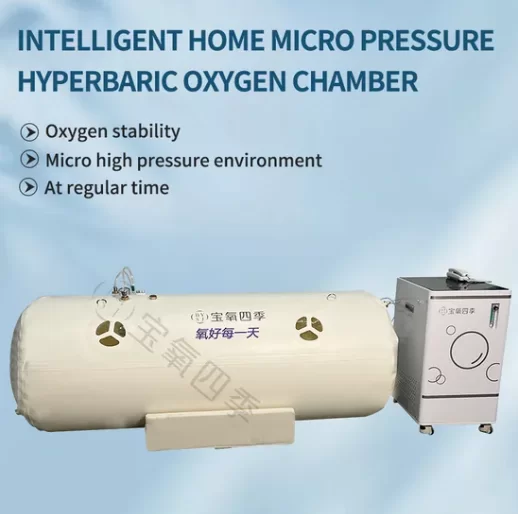
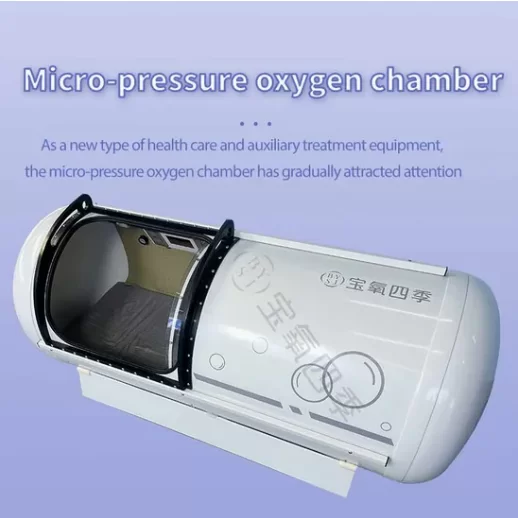
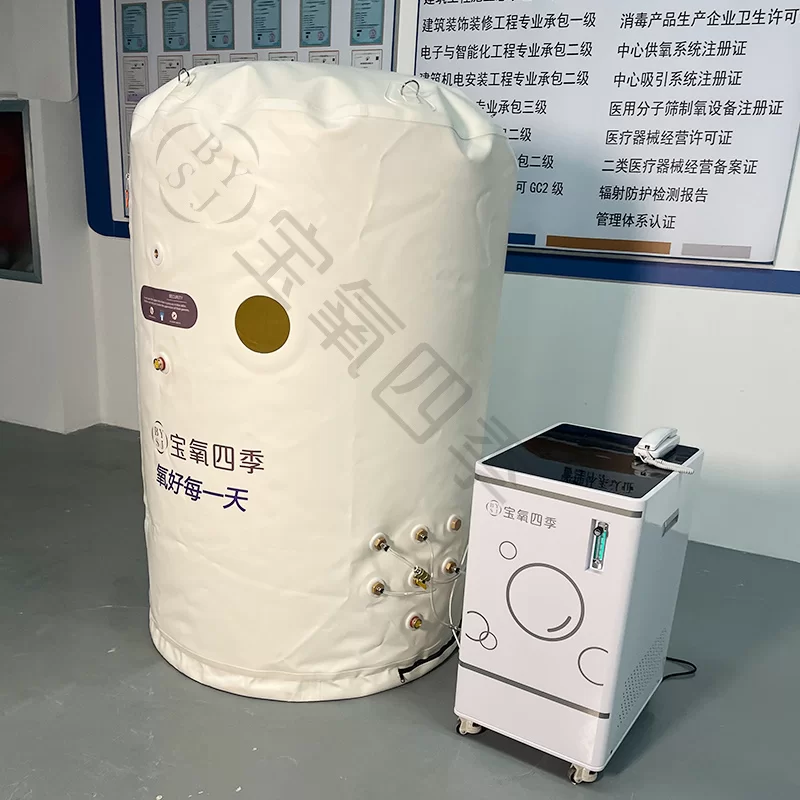
I spent the last month visiting wellness studios and a couple of sports clinics, asking users what they actually think about the new wave of personal chambers. The model that kept coming up was this pressure oxygen chamber—marketed as a “Multifunctional Microbaric Oxygen Chamber.” In plain English: a compact capsule that gently increases ambient pressure while delivering high-purity oxygen for relaxation and recovery. To be honest, it’s more mainstream than I expected; even boutique spas are adding a unit or two.
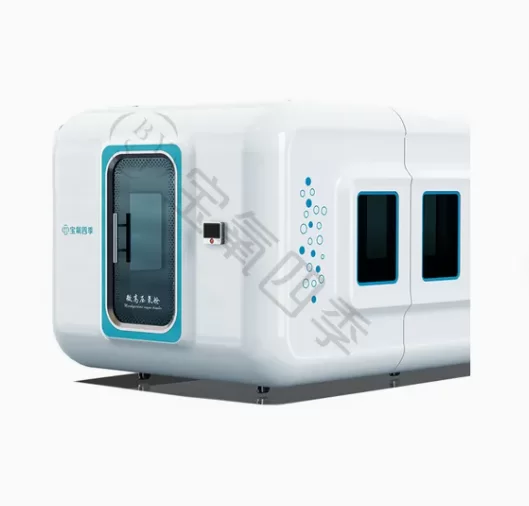
Origin matters. This capsule is produced in Hebei Province (888 Kaiyuan Road, Jizhou District, Hengshui City). The manufacturer positions it for home wellness, spas, and integrative clinics. Actually, the buzz is simple: users feel calmer, athletes say legs recover faster, and managers like that sessions are easy to schedule—no specialist needed for routine operation.
Mild or “microbaric” systems (≈1.1–1.35 ATA) are trending because they’re easier to site than hospital-grade hyperbaric rooms. The best designs blend safety redundancies (mechanical relief valve, over-pressure alarms), decent oxygen purity, and quiet fans. Many customers say the touchscreen interfaces make a bigger difference than expected—set-and-forget profiles are popular for spas with tight turnarounds.
| Parameter | Specification (≈, real‑world use may vary) |
|---|---|
| Operating pressure | 1.10–1.35 ATA (microbaric range) |
| Oxygen purity / flow | 90–96% @ 5–10 L/min via concentrator |
| Materials | TPU‑coated fabric shell, aluminum alloy frame, acrylic/PC viewport, silicone gaskets |
| Controls | Touchscreen PLC, auto pressurization, timed cycles, E‑stop |
| Noise | ≈45–55 dB(A) at 1 m |
| Safety | Mechanical relief valve, dual gauges, HEPA+carbon intake, interlock |
| Service life | ≈10,000 pressurization cycles or 5–8 years under routine duty |

Materials are selected for airtightness and flame resistance (TPU laminates, aluminum frames). Shell seams are RF heat‑sealed; valves and gauges are bench‑calibrated. A typical process: incoming QC → seam sealing → 60‑minute hold test at 1.30–1.35 ATA (target leak rate <1%/hr) → electrical safety (IEC 60601‑1 principles) → EMC spot checks (IEC 60601‑1‑2) → oxygen safety checks (NFPA 99 guidance). For wellness use, buyers often ask for ISO 13485 QMS and risk files aligned to ISO 14971. Always request current certificates.
Reported advantages: gentle pressure feels calming; sessions are easy to standardize; and the pressure oxygen chamber footprint suits small rooms.
| Criteria | Vendor S (this capsule) | Vendor A (spa‑focused) | Vendor B (industrial OEM) |
|---|---|---|---|
| Pressure range | 1.1–1.35 ATA | 1.2–1.3 ATA | 1.1–1.5 ATA (options) |
| Automation | Touchscreen, presets, E‑stop | Basic timer, analog gauge | PLC with remote logs |
| Certs (typical) | ISO 13485 QMS (claimed), CE mark (verify) | CE (wellness), basic EMC | IEC 60601‑1 report, risk file (verify) |
| Price band | Mid | Budget | Mid‑High |
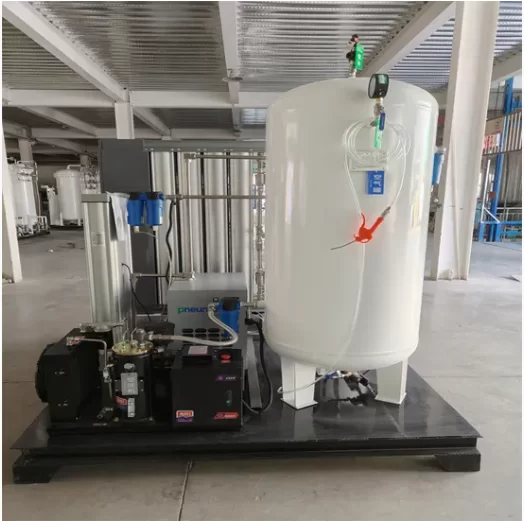
Buyers commonly tweak: chamber size, upholstery color, oxygen concentrator capacity, extra viewports, IoT session logging, and branding wraps. Lead times vary—around 3–6 weeks for standard builds, longer for bespoke shells. If you’re installing multiple pressure oxygen chamber units in one site, ask about manifolded oxygen and airflow balancing.

Note: Some medical indications require clinical hyperbaric systems and physician oversight. This pressure oxygen chamber is positioned for wellness; always verify regulatory status in your country.