Hit enter to search or ESC to close
16 October 2025
I’ve toured a handful of wellness studios this year, and, to be honest, the most asked question isn’t about oxygen purity—it’s about pressure. How much is enough? How safe is it? And does “micro pressure” really deliver? Let’s unpack the tech with a clear, field-tested lens.

Clinically, HBOT runs at 2.0–2.8 ATA in hospital steel chambers; micro or “mild” systems operate around 1.2–1.5 ATA. The latter has exploded across sports recovery, wellness chains, and boutique biohacking studios—mostly because it’s quieter, simpler to site, and, surprisingly, fits apartment bylaws. Many customers say they want gentle sessions that feel relaxing rather than clinical.
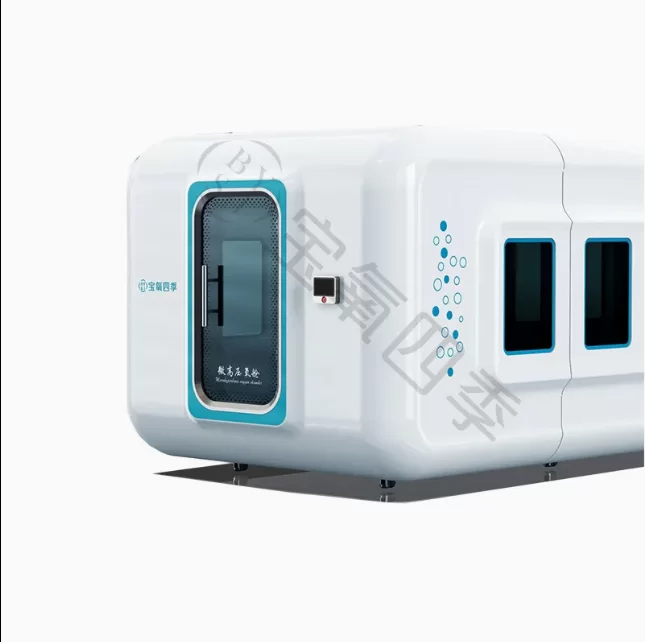
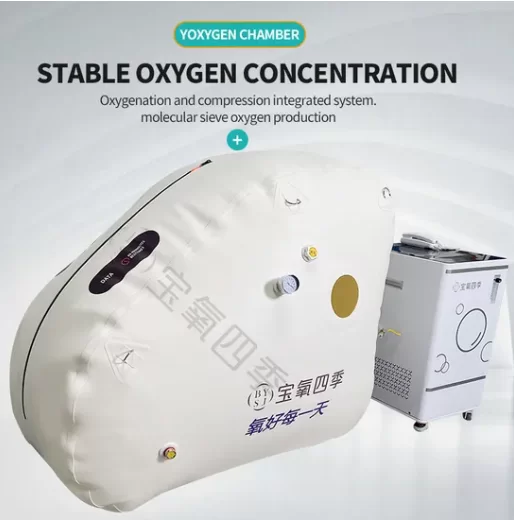
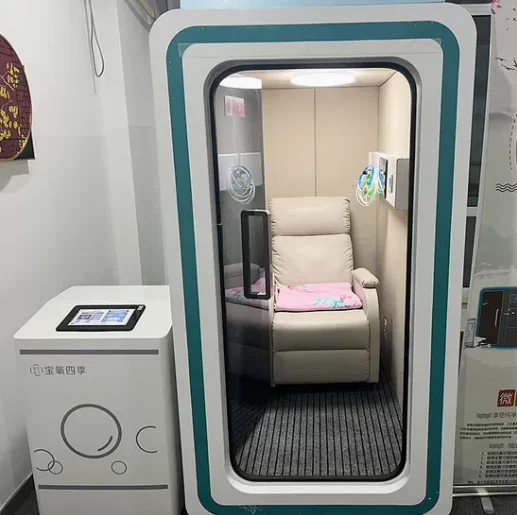
Wholesale Price Health Oxygen Therapy Micro Pressure Oxygen Chamber is built for personal and commercial use—affordable, safe, comfortable. Origin: 888 Kaiyuan Road, Jizhou District, Hengshui City, Hebei Province. I visited the area years ago; it’s a bona fide manufacturing corridor.
| Spec | Details (≈ real-world) |
|---|---|
| Working pressure | 1.3 ATA (≈ 30 kPa above ambient); hyperbaric oxygen therapy pressure tuned for mild sessions |
| Chamber body | TPU-coated nylon, RF-welded seams; panoramic acrylic windows |
| Frame | Lightweight anodized aluminum support |
| Oxygen interface | External concentrator feed (≈ 93% ±3%) via mask or hood; flow 5–10 L/min |
| Noise | ≈ 50–60 dB(A) at 1 m during pressurization |
| Safety | Dual mechanical relief valves, emergency dump valve, pressure gauge, interlock zipper |
| Testing | Pressure-hold (30 min @ 1.5× WP), leak rate ≤ 2%/hr; electrical per IEC 60601-1 on accessories |
| Service life | 5–8 years or ≈ 5,000 cycles with routine maintenance (real-world use may vary) |

Materials: TPU-coated nylon, medical-grade acrylic, brass valves, silicone gaskets. Methods: fabric cutting → RF welding → window bonding → zipper installation → valve calibration → pressure/leak test → packaging. Standards referenced: ISO 13485 QMS, ISO 14971 risk management; fire safety aligned with NFPA 99 oxygen-use practices. For pressure integrity, design draws on PVHO-1 principles for occupant safety (soft goods are typically “PVHO-informed” rather than certified).
Advantages: fast setup, modest power draw, clear safety features. Customers often note “less ear pressure than expected” and “nap-friendly” sessions.
| Vendor | Pressure Range | Build & Testing | Notes |
|---|---|---|---|
| StoreOxygen (this model) | 1.3 ATA | RF-welded seams; 1.5× WP hold test | Good value, straightforward service |
| Vendor A | 1.2–1.4 ATA | Similar; claims quieter compressor | Higher price; sleek UI |
| Vendor B | 1.3 ATA | Thicker fabric; slower fill | Robust feel; larger footprint |
Custom window placements, branding wraps, alternate valve kits, and longer hoses are common. For multi-site operators, batch QA reports and serial tracking help. Routine checks: zippers, O-rings, gauges; annual pressure integrity test recommended.

Sports clinic, 6 pods: Reported faster turnover with 45–60 min sessions at steady hyperbaric oxygen therapy pressure; feedback highlighted comfort and “no learning curve” for staff.
Urban wellness studio: Installed two units in small rooms; owners liked the quiet compressor and the easy-to-clean interior. One comment stuck with me: “It feels premium without feeling medical.”
Compliance notes: Use only in ventilated spaces, keep ignition sources out, and follow local regulations. Micro chambers are not hospital-grade HBOT; indications and claims should align with regional guidance.