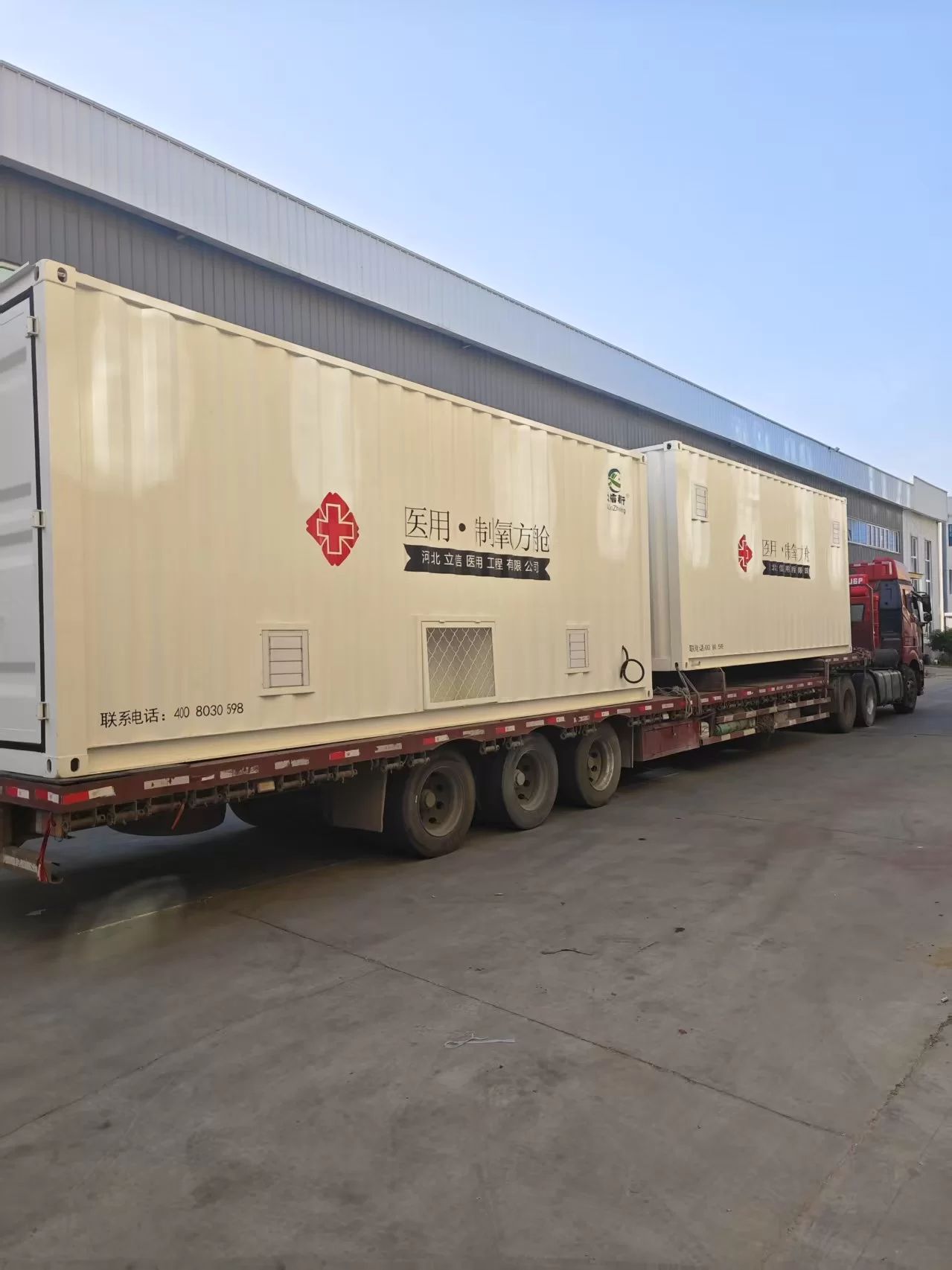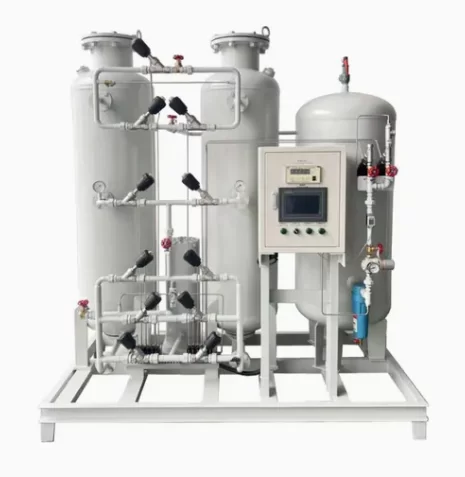
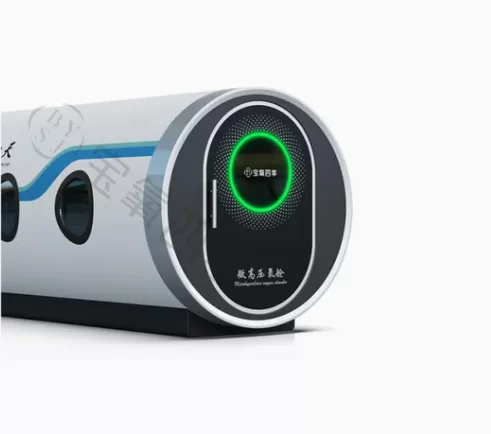
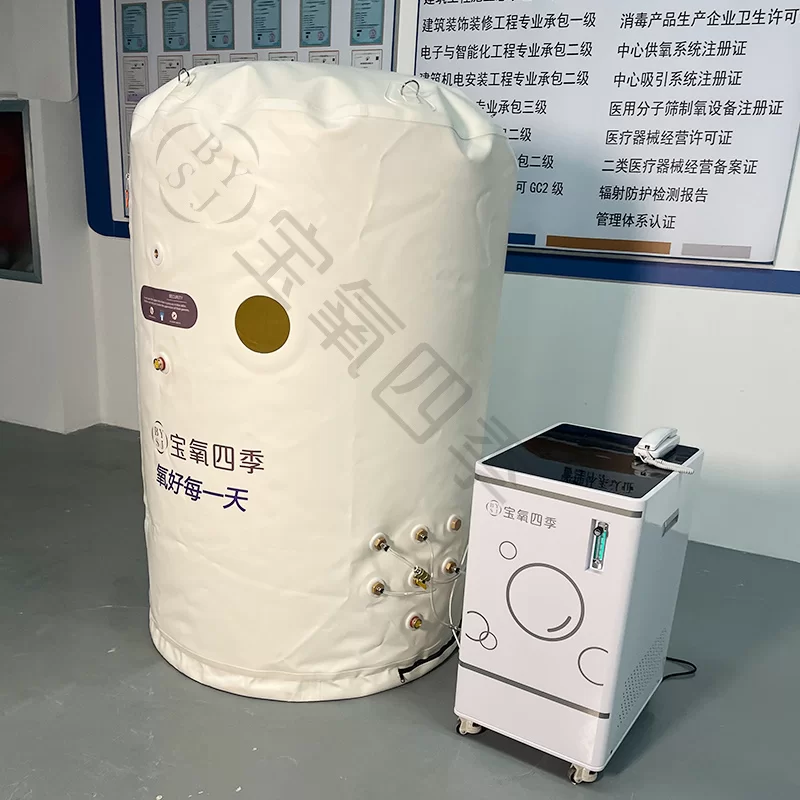
In Zambia, the healthcare system faces significant logistical challenges in oxygen procurement, often relying on cylinder deliveries that are susceptible to transport delays across vast rural terrains. The integration of a oxygen generator for hospital has become a strategic priority to eliminate the dependence on external supply chains and reduce the cost per liter of medical-grade oxygen.
Environmental factors, including seasonal dust and high humidity in certain regions, necessitate the use of a hospital air purifier. Maintaining sterile surgical environments and reducing healthcare-associated infections (HAIs) requires equipment capable of handling local airborne particulates while operating under intermittent power stability.
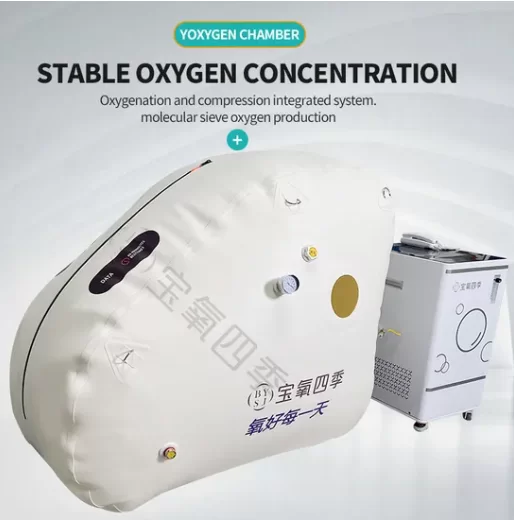
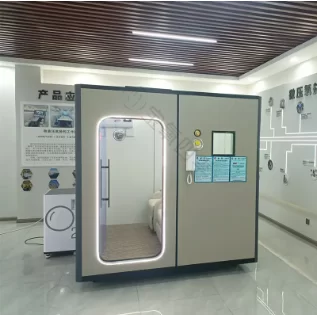
Moreover, the rise of chronic respiratory conditions in urban centers like Lusaka and Ndola has increased the demand for home medical air purifier units. This shift toward decentralized care requires robust, user-friendly devices that can provide therapeutic relief outside the traditional clinical setting.