Hit enter to search or ESC to close
2 December 2025
In a world where healing and recovery often depend on cutting-edge technology, the hyperbaric oxygen machine stands out as a quietly powerful player. It might not grab headlines like other lifesaving devices, but globally, it addresses multiple health challenges that transcend borders and industries. Essentially, these machines help deliver pure oxygen to the body at higher-than-atmospheric pressures, accelerating recovery and combating conditions ranging from decompression sickness to chronic wounds. Understanding this technology matters—not only for medical professionals but also industries invested in wellbeing, rehabilitation, and emergency response.
According to the World Health Organization, chronic wounds affect millions worldwide, costing healthcare systems billions each year. Similarly, divers and certain industrial workers face risks of decompression illness where timely hyperbaric oxygen treatment is crucial. The hyperbaric oxygen machine serves as a critical intervention in these and many other situations — including emerging uses in stroke rehabilitation and infection control. What makes this tech so interesting is its blend of simplicity and sophistication: by simply increasing oxygen concentration and pressure inside a sealed chamber, it amplifies the body’s natural healing processes.
Globally, there's growing demand fueled by increased awareness and expanding clinical indications; ISO standards on medical devices emphasize safety and standardization for hyperbaric equipment, dovetailing with public health goals worldwide. Still, challenges such as costs, accessibility, and portability remain.
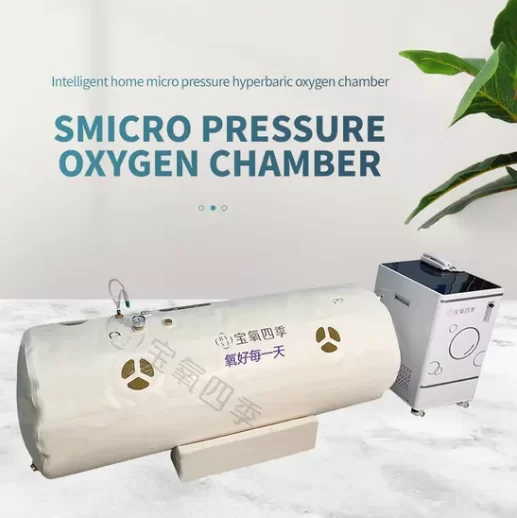
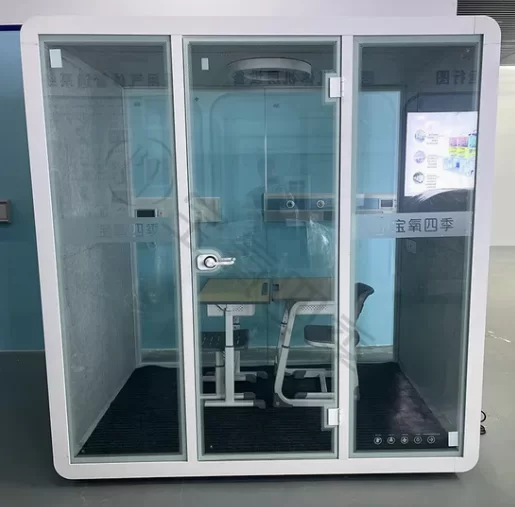
Put simply, a hyperbaric oxygen machine is a sealed pressure chamber where patients breathe 100% oxygen at pressures typically 1.5 to 3 times normal atmospheric pressure. This elevated pressure lets oxygen dissolve far more abundantly into blood plasma, reaching tissues starved of oxygen due to injury or disease. Often called hyperbaric chambers, these machines range from small single-patient capsules to large multiplace chambers accommodating several individuals at once.
Their relevance cuts across modern healthcare, diving medicine, infection control, and even veterinary care. Oddly enough, beyond medical use, such machines are increasingly studied for applications in sports recovery and anti-aging therapies, reflecting their broad potential.
At the heart lies the pressure vessel—a strong, air-tight chamber crafted usually from steel or acrylic. It must meet stringent safety benchmarks (ISO 11135) to withstand elevated pressure without leakage or rupture. Durability is non-negotiable here.
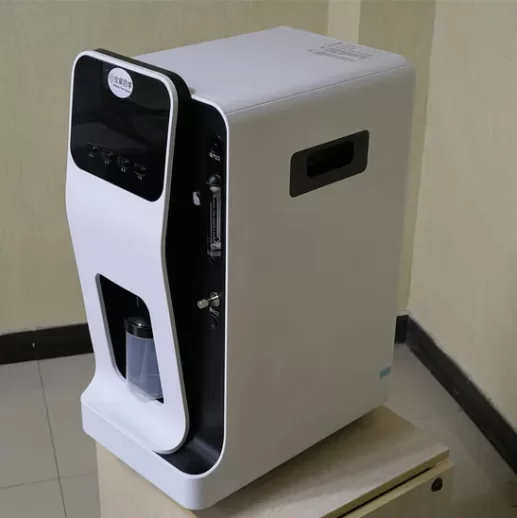
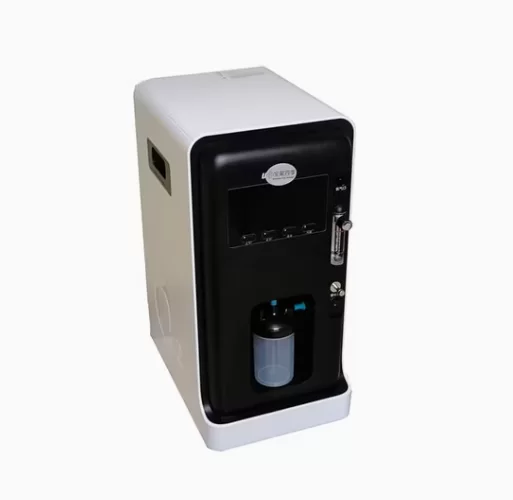
The mechanism supplying pure oxygen integrates filters and regulators ensuring a constant, controlled flow. Practical devices often use ambient air mixed to reach near 100% oxygen levels, with sensors to monitor purity.
Operators rely on microprocessor-controlled panels that manage pressurization cycles, oxygen concentrations, and emergency decompression. Safety interlocks and alarms help prevent mishaps.
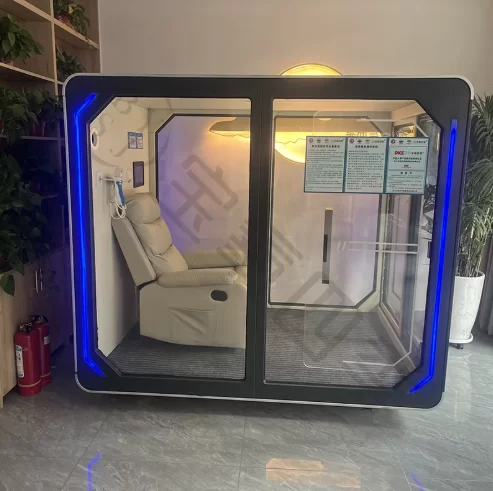
Since treatment sessions can last from 30 minutes to over two hours, comfort is vital—think padded chambers, communication devices, and adjustable seating inside the capsule.
Recent innovations have introduced portable hyperbaric units, enabling use in remote settings or emergency response scenarios. Scalability moves between single-person units to multi-patient chambers in hospital settings.
Mini takeaway: The hyperbaric oxygen machine combines rugged engineering and precise controls, balancing safety with patient comfort to deliver effective therapy.
The hyperbaric oxygen machine finds diverse uses worldwide. In coastal regions and countries with vibrant diving industries, such as the Philippines and Australia, it’s standard equipment for addressing decompression sickness. Hospitals across North America and Europe incorporate hyperbaric therapy for chronic diabetic wounds notoriously difficult to heal.
Humanitarian efforts sometimes include portable hyperbaric units during disaster relief to boost recovery from crush injuries or infections worsened by low oxygen. Industrial zones with workers exposed to high-pressure environments (like tunnels or mining) rely on these machines as preventive and remedial measures.
Even veterinary hospitals use hyperbaric chambers to treat animals with traumatic injuries or infections. As it turns out, applications are expanding into sporting medicine clinics to accelerate muscle recovery and to wellness centers promoting longevity therapies.
Mini takeaway: The long-term dividends of hyperbaric oxygen machines stretch beyond clinical efficacy, encompassing economic and emotional wellbeing.
| Feature | Typical Specification |
|---|---|
| Pressure Range | 1.5 to 3 ATA (Atmospheres Absolute) |
| Chamber Type | Single-place or multi-place (steel/acrylic) |
| Oxygen Concentration | Up to 100% |
| Control System | Digital with safety interlocks and alarms |
| Typical Session Duration | 30–120 minutes |
| Portability | Available in portable units for remote use |
| Vendor | Safety Certification | Price Range | Portability | Key Features |
|---|---|---|---|---|
| OxyHealth | FDA Approved, ISO 13485 | $30,000–$60,000 | Portable single-place | Lightweight, user-friendly controls |
| Perry Baromedical | CE Marking, FDA Cleared | $50,000–$150,000 | Multi-place, fixed installations | Robust construction, advanced monitoring |
| Sechrist Industries | FDA Approved, ISO 9001 | $40,000–$100,000 | Single and multi-place | Automated controls, safety features |
Technology never sleeps, and the hyperbaric oxygen machine is no exception. Currently, we see strides toward more energy-efficient chambers that integrate green technologies, reducing environmental footprints. Digital transformation also touches these devices, with IoT-enabled sensors providing real-time monitoring and predictive maintenance. Automation helps streamline operation and enhances safety, while materials innovations—like stronger acrylic composites and smart polymers—permit lighter, more durable chambers.
Moreover, clinical research continues expanding the therapeutic ambit, hinting at future approvals for neurological disorders and regenerative medicine applications. As healthcare pushes toward personalized treatments, tailored oxygen doses and protocols could become standard.
Still, the journey isn’t without obstacles. Cost remains the biggest barrier, especially in low- and middle-income countries. The bulky nature of traditional chambers limits deployment in emergency or field conditions. There is also a learning curve for safe operation, requiring trained staff and regular maintenance.
Experts recommend modular designs and portable units for disaster relief, while governments and NGOs partner to subsidize cost and training. Remote diagnostics and telemedicine promise to ease operational challenges by allowing specialists to support field operators virtually.
For those invested in healing better and faster—whether healthcare providers, industrial safety officers, or disaster relief coordinators—the hyperbaric oxygen machine offers impressive advantages. It embodies a mix of advanced engineering and biological insight, bridging cutting-edge care with tangible human benefits. While challenges remain, ongoing innovation and expanding applications position this technology as a cornerstone of modern recovery.
Interested in exploring or acquiring these machines? Visit https://www.storeoxygen.com — your gateway to trusted hyperbaric oxygen solutions.
Oddly enough, sometimes the simplest idea—a sealed chamber with pure oxygen—can transform lives in incredibly complex ways.