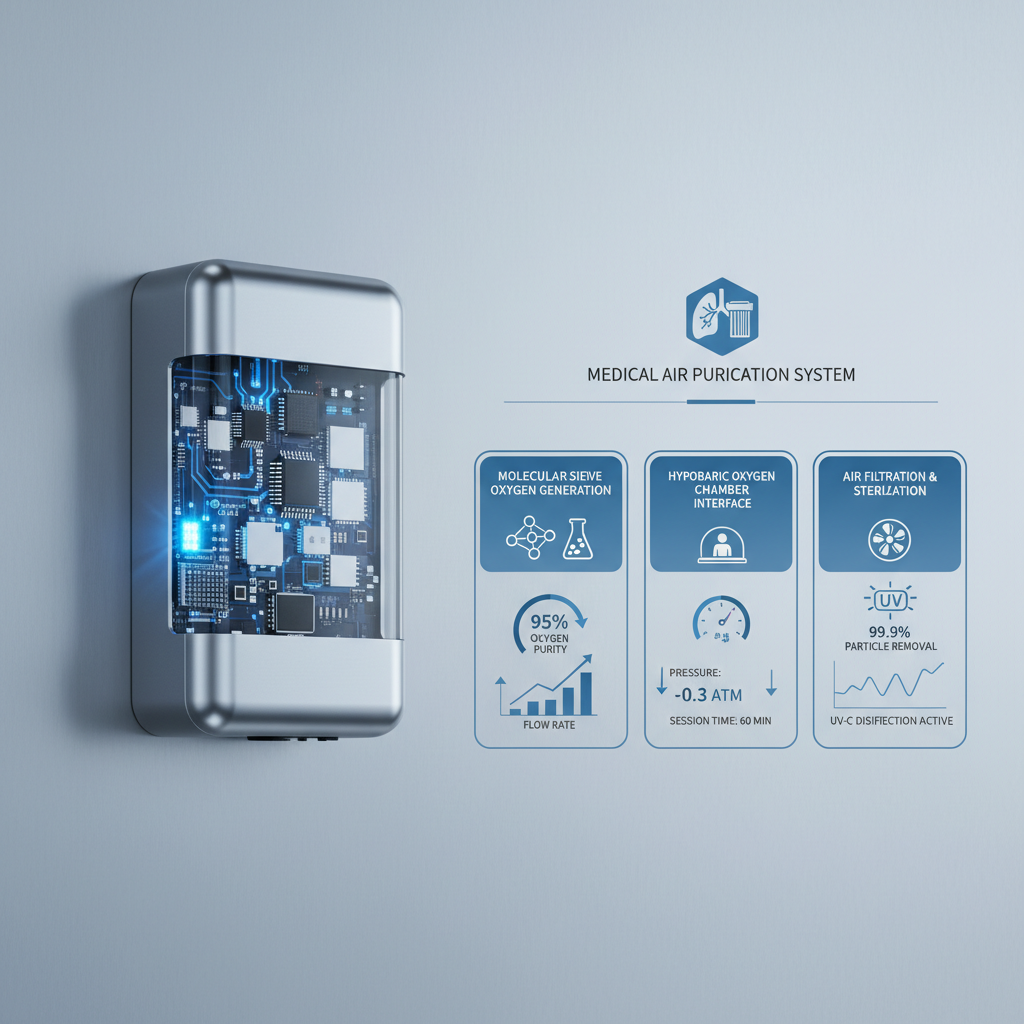
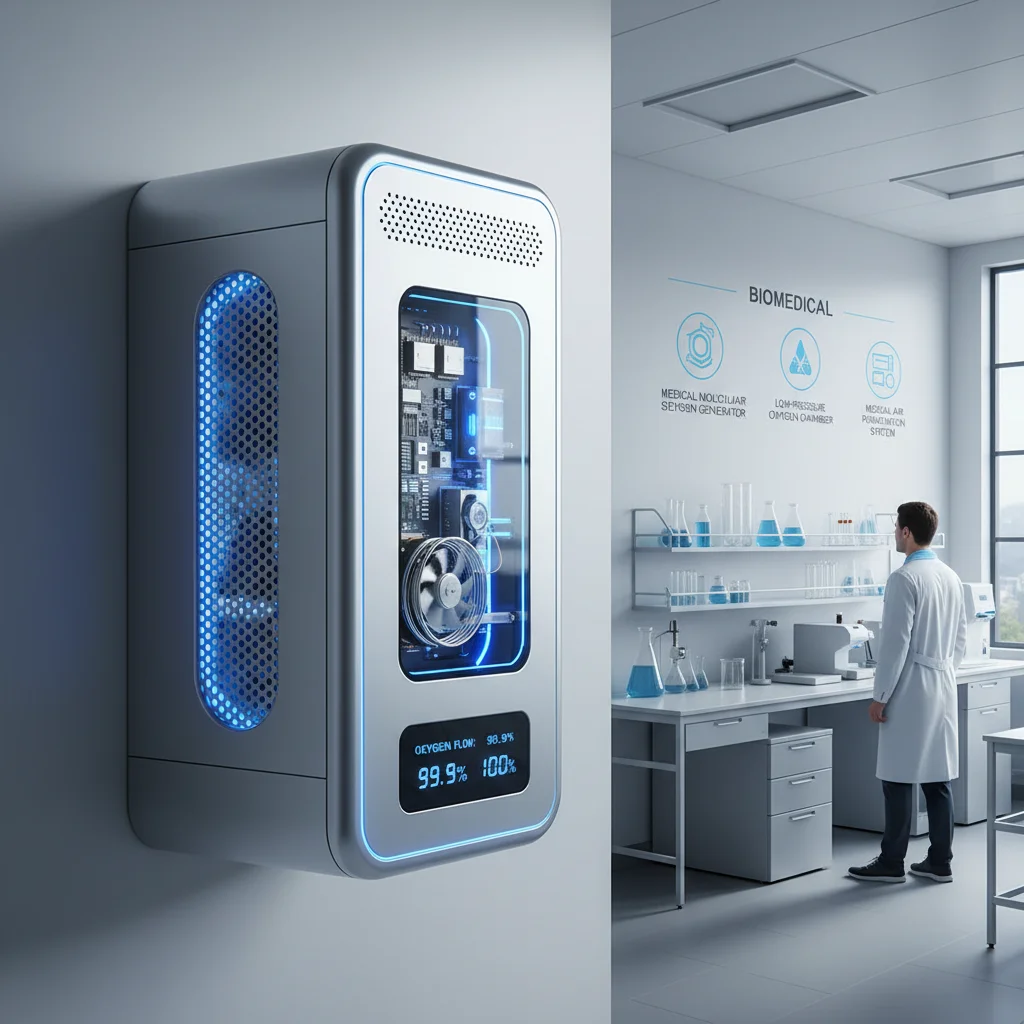
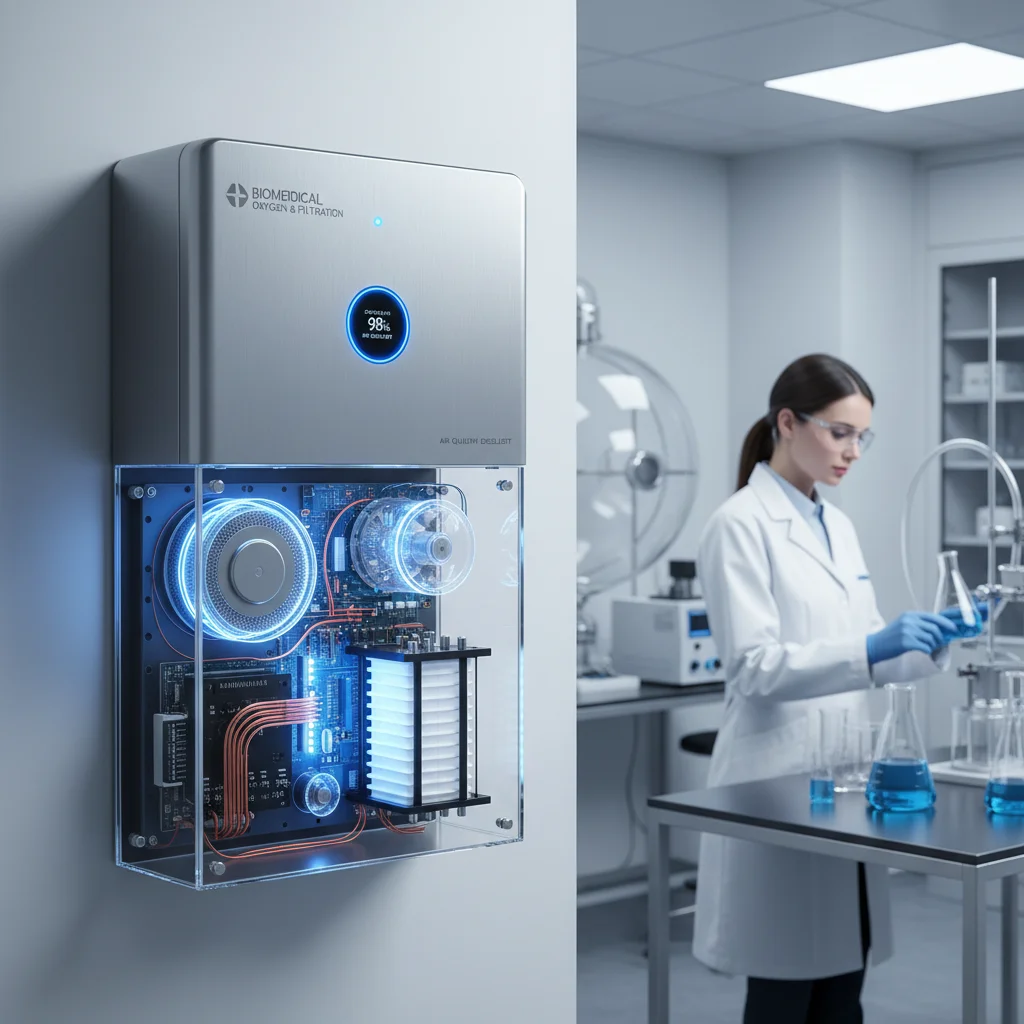
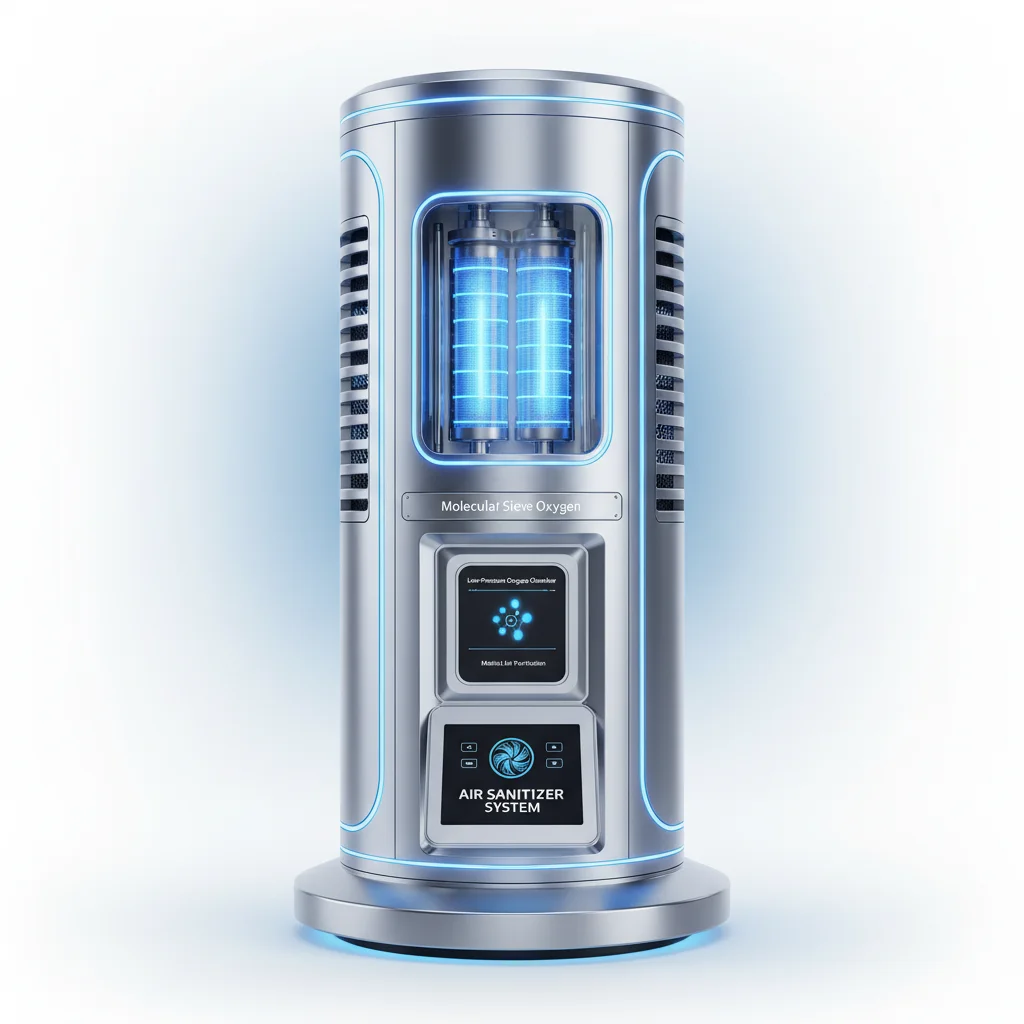
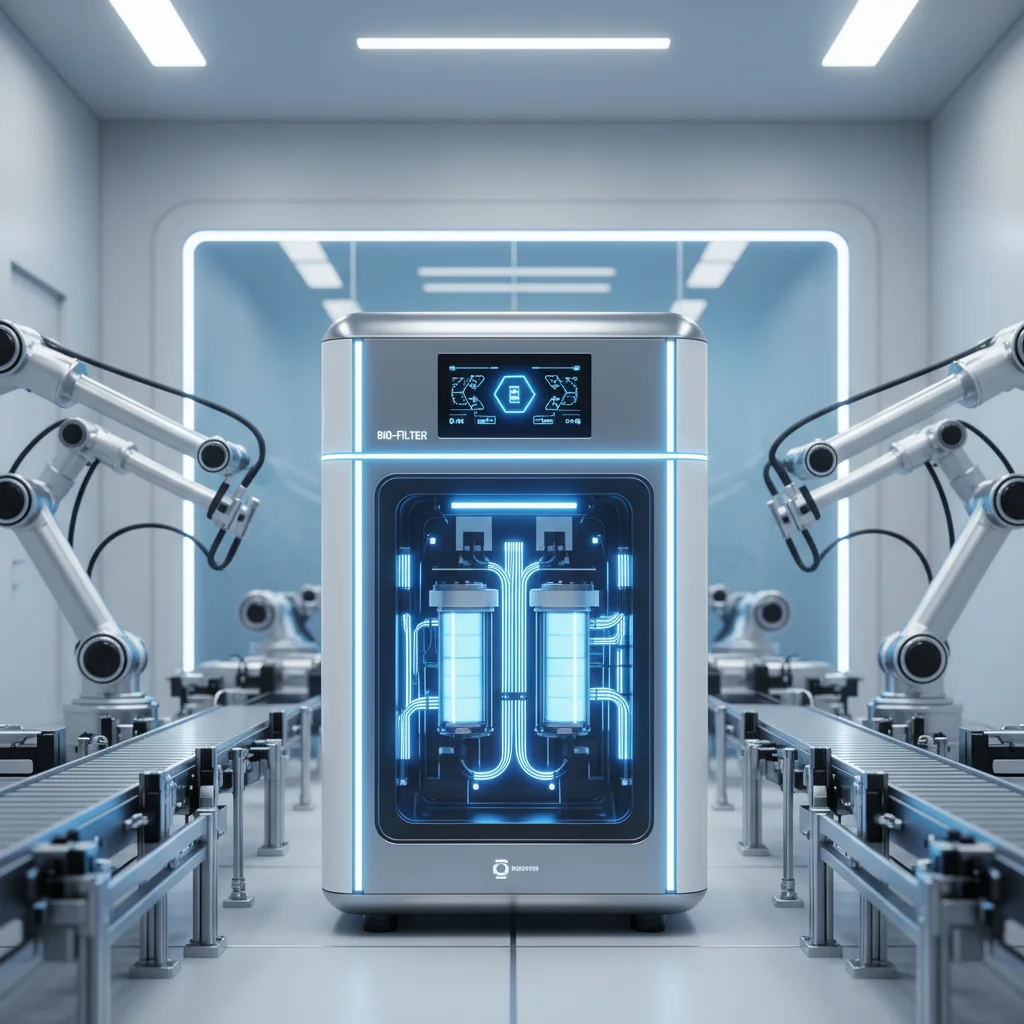
In the modern landscape of healthcare and industrial hygiene, the implementation of wall mounted air filtration has transitioned from a luxury to a critical necessity. As airborne pathogens and particulate matter become increasingly prevalent, the need for space-saving, high-efficiency purification systems in clinical environments has surged, ensuring that sterile zones remain uncontaminated and patient safety is prioritized.
The strategic integration of these systems allows medical facilities to maximize floor space while maintaining rigorous air quality standards. By lifting the filtration hardware off the ground, facilities reduce trip hazards and simplify the sterilization of flooring, all while creating a continuous curtain of purified air that protects both healthcare providers and vulnerable patients.
Understanding the nuances of wall mounted air filtration is essential for administrators and engineers aiming to meet ISO air quality standards. This guide explores the technical components, global applications, and the long-term value these systems bring to the medical device manufacturing sector and the hospitals they serve.
Global Importance of Wall Mounted Air Filtration
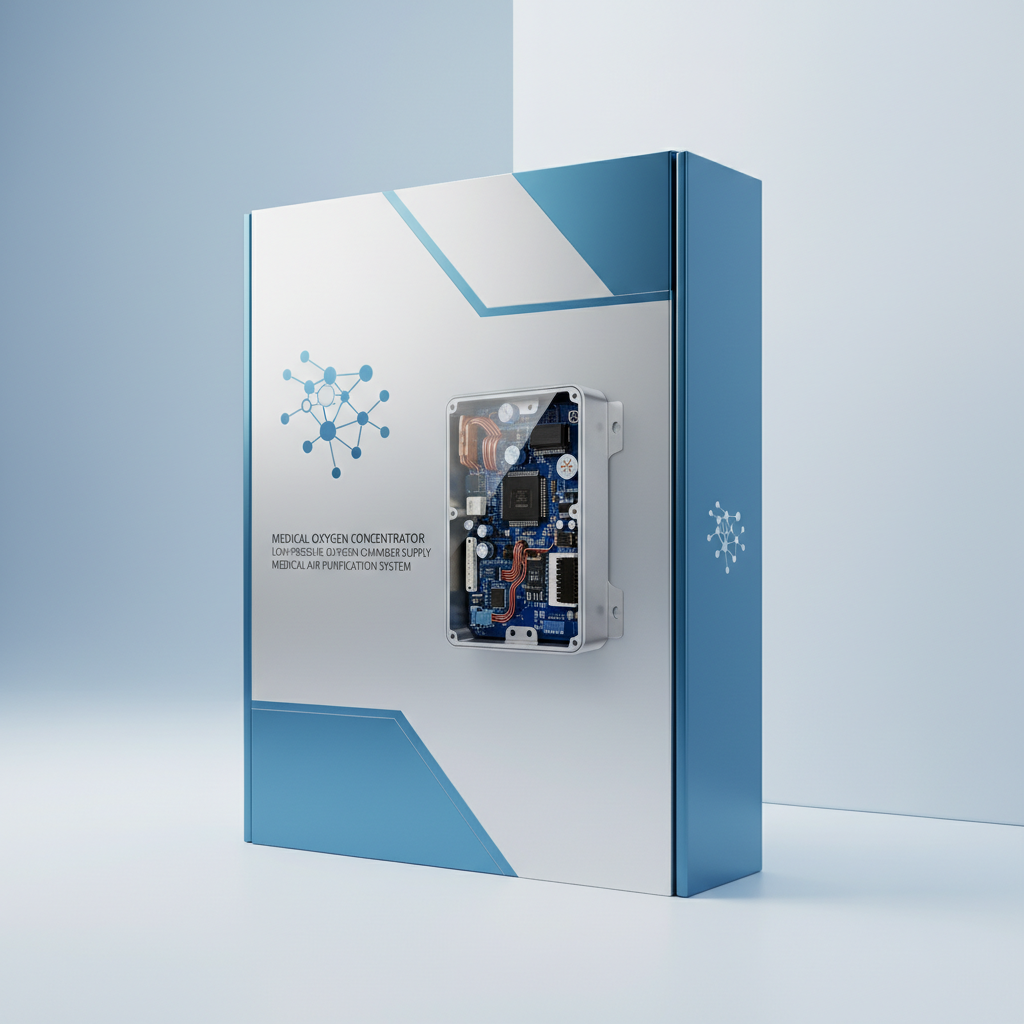
On a global scale, the demand for sophisticated air management has escalated following the realization that indoor air quality directly impacts recovery rates in medical settings. According to WHO guidelines, controlled ventilation and filtration are paramount in reducing the transmission of healthcare-associated infections (HAIs). wall mounted air filtration provides a scalable solution that addresses these risks without requiring the massive architectural overhauls associated with central HVAC systems.
In many developing regions, the challenge lies in upgrading aging infrastructure to meet modern safety standards. Wall-mounted units offer a modular approach, allowing clinics to implement high-grade HEPA or ULPA filtration in specific high-risk zones—such as operating rooms or oxygen therapy wards—without the prohibitive cost of whole-building renovation.
Defining Modern Wall Mounted Air Filtration
At its core, wall mounted air filtration refers to a specialized air purification system designed to be permanently fixed to a vertical surface, utilizing a combination of mechanical filters and airflow dynamics to remove contaminants from the room's atmosphere. Unlike portable air purifiers, these systems are often integrated into the room's electrical and ventilation planning, ensuring a consistent and predictable airflow pattern that eliminates "dead zones" where pollutants might otherwise linger.
From an industrial perspective, these systems are a synthesis of aerospace-grade filtration materials and ergonomic design. They are engineered to handle high volumes of air while maintaining a low noise profile, which is critical in patient recovery areas. This connection to humanitarian needs is evident in the deployment of such units in temporary field hospitals, where rapid installation and reliable performance are non-negotiable.
Furthermore, the modern definition of these systems has expanded to include "smart" capabilities. Today's units often feature sensors that monitor particulate levels in real-time, automatically adjusting the fan speed to maintain the desired air purity level. This evolution ensures that the system is not just a passive filter, but an active participant in the facility's infection control strategy.
Core Components for Maximum Efficiency
The effectiveness of wall mounted air filtration depends heavily on the quality of its pre-filtration stage. This initial layer captures larger dust particles and debris, preventing the more expensive high-efficiency filters from clogging prematurely, thereby extending the overall lifecycle of the machine and reducing maintenance downtime.
At the heart of the system is the HEPA (High-Efficiency Particulate Air) or ULPA filter. These components are designed to trap 99.97% of particles as small as 0.3 microns. In medical environments, this is the primary line of defense against bacteria, viruses, and fungal spores, ensuring that the air circulating around patients is clinically clean.
Complementing the filtration media are the high-static pressure blowers and the antimicrobial housing. The blower must be powerful enough to pull air through dense filter media without excessive noise, while the housing—often made of medical-grade stainless steel or antimicrobial polymers—prevents the unit itself from becoming a breeding ground for microorganisms.
Comparative Performance Analysis
When evaluating different approaches to air purification, it becomes clear that the placement and technology of the unit significantly affect the CADR (Clean Air Delivery Rate). Wall-mounted systems typically outperform floor units in clinical settings because they can be positioned to create a laminar flow, pushing contaminated air away from the patient and toward the filtration intake.
The following data illustrates how various wall mounted air filtration methods compare in terms of efficiency, noise levels, and ease of maintenance, providing a logical basis for facility procurement decisions.
Efficiency Ratings of Wall Mounted Air Filtration Methods
Real-World Applications in Medical Centers
In practice, wall mounted air filtration is most effective when deployed in high-traffic medical zones. For instance, in intensive care units (ICUs), these units are positioned to maintain a positive pressure environment, ensuring that air flows out of the room when the door opens, thereby preventing contaminants from the hallway from entering the patient's sterile space.
Beyond traditional hospitals, these systems are vital in specialized clinics offering hyperbaric oxygen therapy. In rooms containing single or multi-person hyperbaric chambers, maintaining pristine air quality is essential not only for the patient's respiratory health but also for the longevity of the equipment, as particulate buildup can interfere with the precision seals and valves of the chambers.
Long-Term Value and Sustainability
Investing in high-quality wall-mounted systems provides tangible economic benefits over time. While the initial installation cost may be higher than portable units, the long-term cost of ownership is lower due to increased filter lifespan and reduced energy consumption. By optimizing the airflow path, these systems reduce the load on the building's primary HVAC, leading to lower monthly utility bills and a smaller carbon footprint.
From a social and emotional perspective, the presence of visible, professional-grade air filtration builds trust between the healthcare provider and the patient. It signals a commitment to safety and innovation, providing peace of mind to patients who may be immunocompromised and highly sensitive to their environment.
Moreover, the scalability of these units means that as a medical facility grows, the filtration capacity can be expanded without requiring structural demolition. This flexibility ensures that the facility remains compliant with evolving health regulations, securing its operational viability for decades to come.
Future Trends in Air Purification Tech
The future of wall mounted air filtration is moving toward full digital integration. We are seeing the rise of "IoT-Enabled Air Walls" that connect to a central building management system (BMS), allowing facilities managers to monitor the saturation level of filters across an entire hospital from a single dashboard, transitioning maintenance from a scheduled task to a predictive one.
Material science is also playing a huge role, with the introduction of graphene-based filters and photocatalytic oxidation (PCO) layers. These innovations allow for the destruction of viruses and volatile organic compounds (VOCs) rather than just trapping them, potentially reducing the frequency of filter replacements and enhancing the safety of the disposal process.
Finally, there is a strong push toward energy-autonomous systems. Future iterations may incorporate thin-film solar cells or energy-harvesting technology to power sensors and low-energy fans, aligning medical air purification with the global movement toward green energy and sustainable healthcare infrastructure.
Comparative Analysis of Filtration Technologies for Wall Mounted Systems
| Technology Type |
Particle Capture Rate |
Maintenance Interval |
Energy Consumption |
| Standard HEPA |
99.97% |
6-12 Months |
Moderate |
| ULPA Grade |
99.999% |
4-8 Months |
High |
| UV-C Integrated |
99% (Sterilization) |
12 Months (Lamp) |
Moderate |
| Electrostatic |
95-98% |
Washable / Monthly |
Low |
| Graphene Hybrid |
99.99% |
18-24 Months |
Very Low |
| PCO Catalytic |
99% (Chemicals) |
24 Months |
Moderate |
FAQS
Wall mounted systems are permanently installed, allowing for better integration with the room's architecture and a more controlled airflow pattern (laminar flow). Unlike portable units, they don't take up valuable floor space, reducing trip hazards in clinical settings, and typically offer higher static pressure capabilities for more efficient air exchange in larger rooms.
While initial installation requires electrical wiring and mounting, the process is far less disruptive than replacing central HVAC ductwork. Many units are designed for "plug-and-play" installation on existing power rails, and work can be scheduled room-by-room to ensure that patient care is not interrupted.
Replacement intervals vary by environment. In high-traffic clinical areas, pre-filters may need changing every 3 months, while the main HEPA filter typically lasts 6 to 12 months. Smart systems with pressure differential sensors can alert staff exactly when a filter has reached its capacity, eliminating guesswork.
Yes, by utilizing HEPA or ULPA filtration, these systems capture microscopic droplets and aerosols that carry viruses. When combined with proper room ventilation, they significantly lower the viral load in the air, protecting staff and preventing cross-contamination between patients in shared wards.
Modern medical-grade units are engineered with acoustic dampening and brushless DC motors to keep noise levels low. Most high-end models operate at a decibel level comparable to a quiet library, ensuring that they do not disrupt patient sleep or clinical communication.
Basic filter replacement is designed to be intuitive and can be performed by facility maintenance staff. However, initial calibration and the installation of integrated UV-C or PCO systems should be handled by certified technicians to ensure safety and optimal performance.
Conclusion
The adoption of wall mounted air filtration represents a strategic leap forward in the quest for safer, cleaner, and more efficient medical environments. By combining high-efficiency filtration media with space-saving architectural integration, these systems effectively mitigate the risks of airborne contamination while optimizing the utility of clinical floor space. From the reduction of healthcare-associated infections to the enhancement of patient comfort, the logical and emotional benefits are clear.
As we look toward a future defined by smarter, greener technology, the integration of IoT and advanced materials will only further enhance the efficacy of these systems. We recommend that facility managers prioritize scalable, HEPA-based wall solutions to ensure their infrastructure remains resilient against future health challenges. For those seeking industry-leading air purification and oxygen solutions, visit our website: www.storeoxygen.com.