In the modern healthcare landscape, maintaining sterile and pollutant-free air is no longer a luxury but a critical requirement for patient safety and operational efficiency. A mounted air purifier represents a sophisticated evolution in environmental control, moving beyond portable units to integrated systems that ensure consistent air quality across large clinical spaces. By eliminating airborne pathogens and particulate matter at the source, these systems create a protective shield for both medical staff and vulnerable patients.
The global demand for high-efficiency air filtration has surged, driven by an increased awareness of healthcare-associated infections (HAIs) and the need for rigorous infection control. Implementing a mounted air purifier allows medical facilities to optimize their spatial layout while achieving high air-exchange rates. This integration is essential for operating theaters, intensive care units, and specialized oxygen therapy rooms where air purity directly impacts clinical outcomes.
Understanding the nuances of these systems—from their filtration mechanisms to their installation requirements—empowers facility managers to make informed procurement decisions. Whether it is through HEPA filtration or UV-C sterilization, the goal remains the same: providing a breathing environment that supports healing and prevents the spread of disease. This comprehensive guide explores the technical and practical dimensions of the mounted air purifier in the context of medical instrument manufacturing.
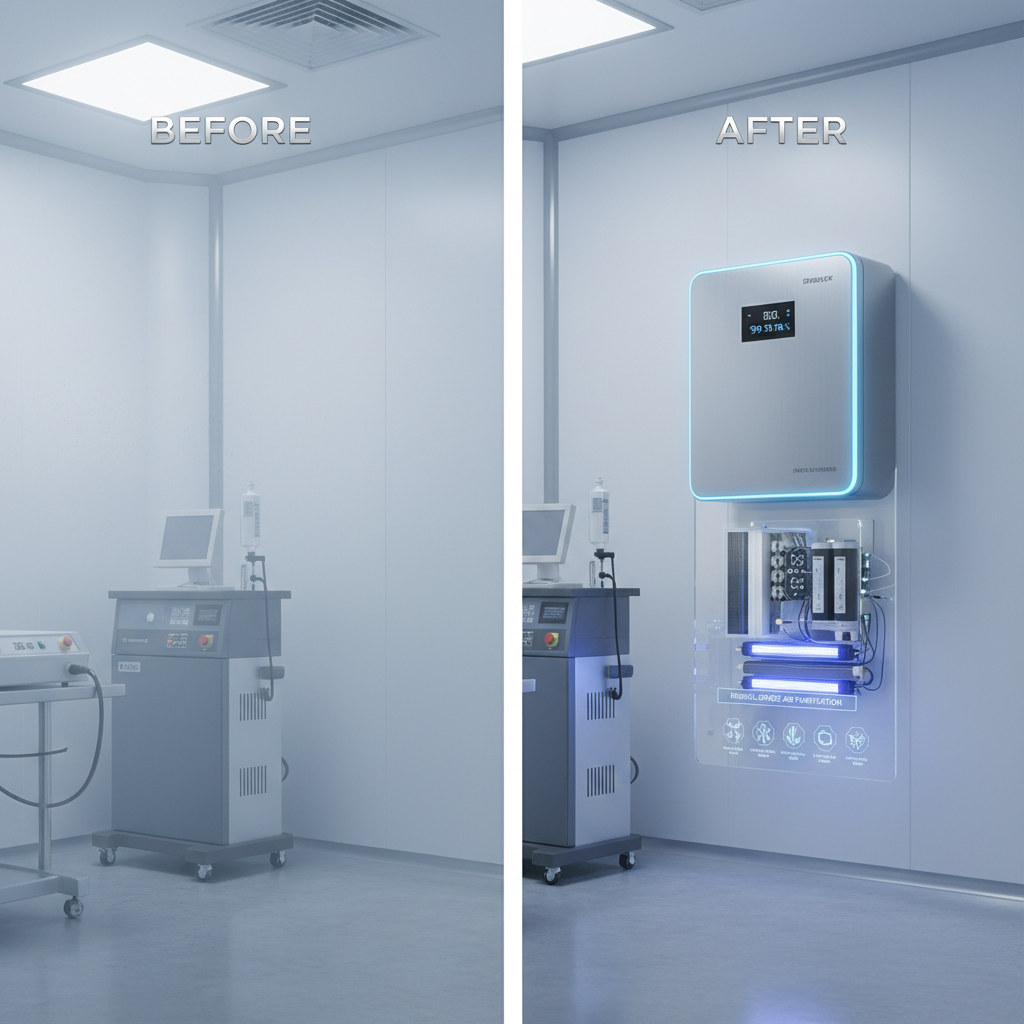
Global Relevance and Clinical Necessity of Air Purification
The global healthcare industry is currently facing an unprecedented challenge regarding indoor air quality. According to standards aligned with ISO 14644, the control of airborne particles is paramount in "cleanroom" environments, which include most surgical suites and pharmacies. The adoption of a mounted air purifier has become a strategic priority for hospitals worldwide to combat the rise of antibiotic-resistant bacteria that can be transported via aerosols.
In regions with high population density or significant industrial pollution, the need for medical-grade air purification is even more acute. By integrating these systems into the building's infrastructure, healthcare providers can maintain a consistent positive-pressure environment, ensuring that contaminated air from corridors does not enter sterile zones. This global shift toward integrated purification reflects a broader commitment to patient-centric safety and a reduction in post-operative complications.
Defining the Mounted Air Purifier in Medical Contexts
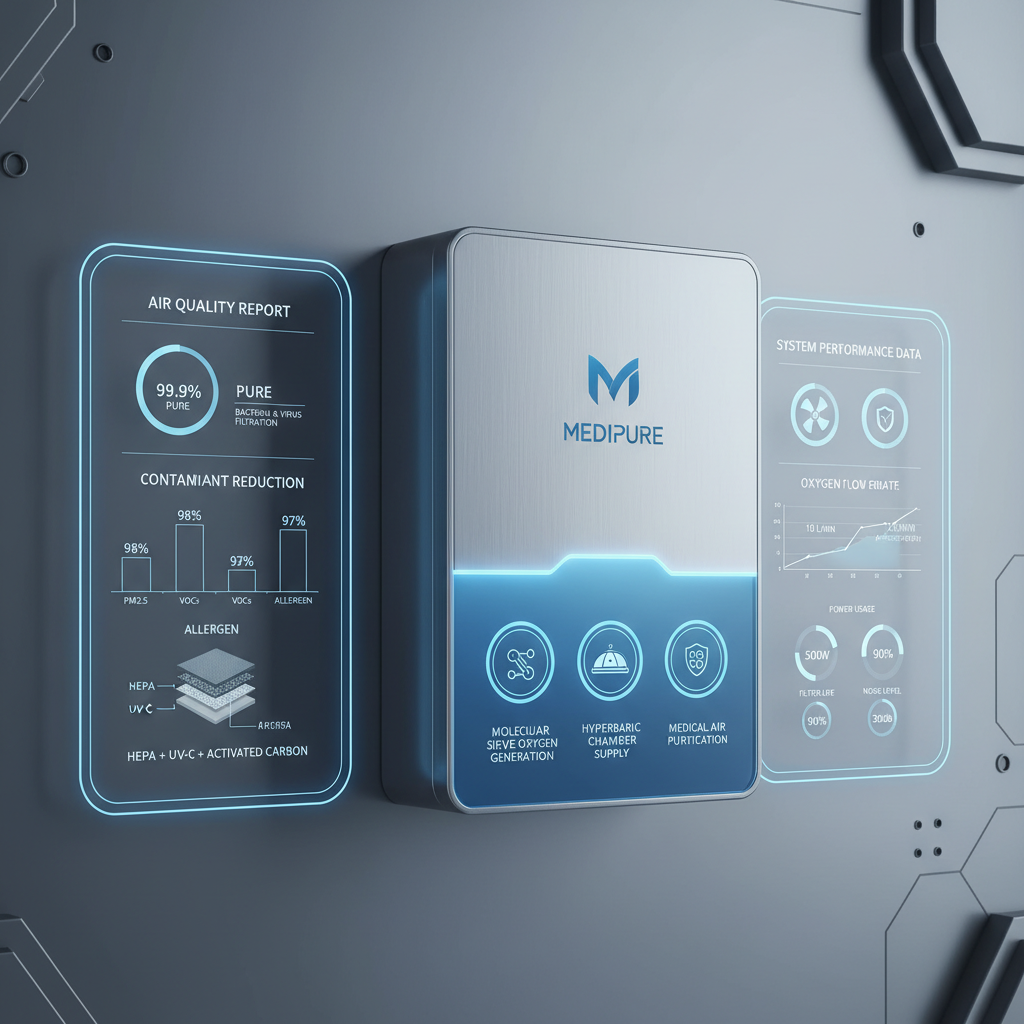
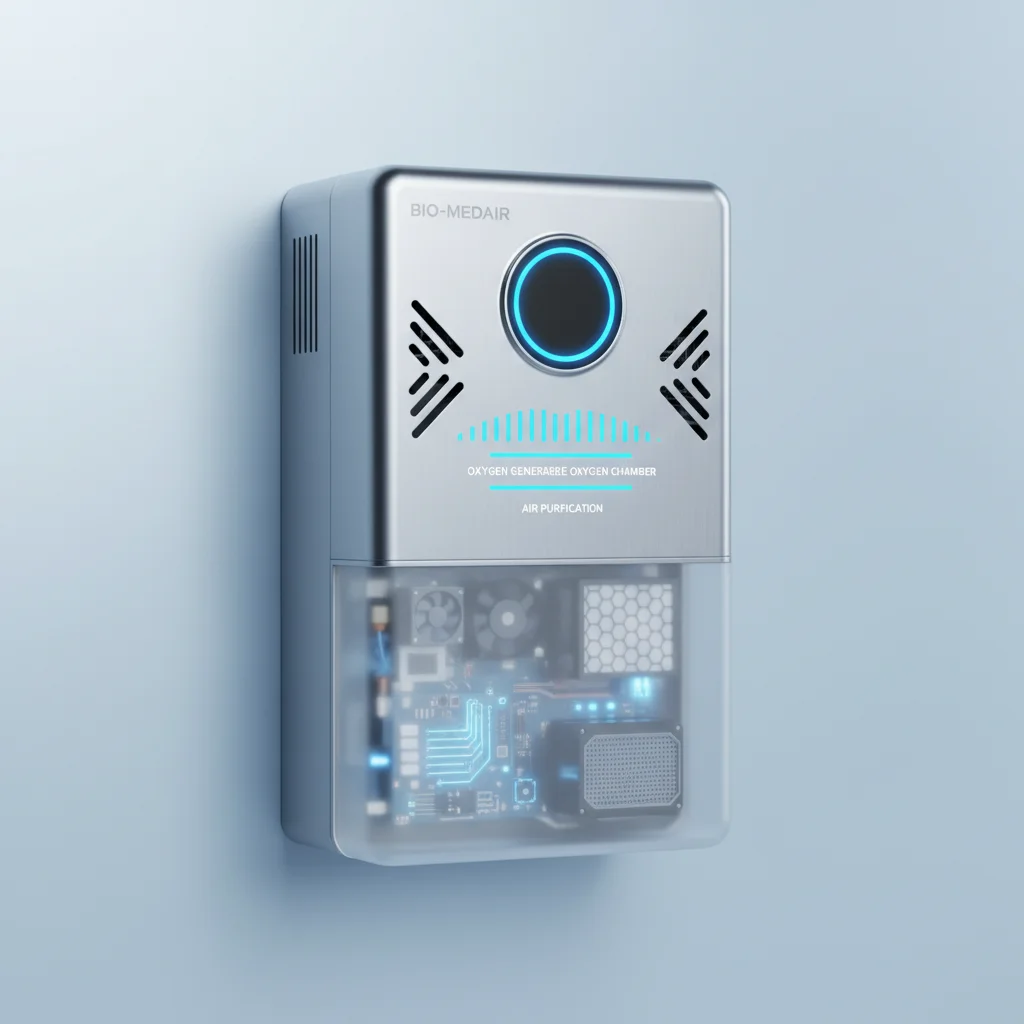
A mounted air purifier is a professional-grade air filtration system designed to be permanently installed on walls or ceilings, rather than sitting on the floor. Unlike consumer-grade purifiers, these medical systems are engineered for high-volume air exchange (ACH), utilizing powerful blowers and multi-stage filtration to scrub the air of viruses, bacteria, and volatile organic compounds (VOCs).
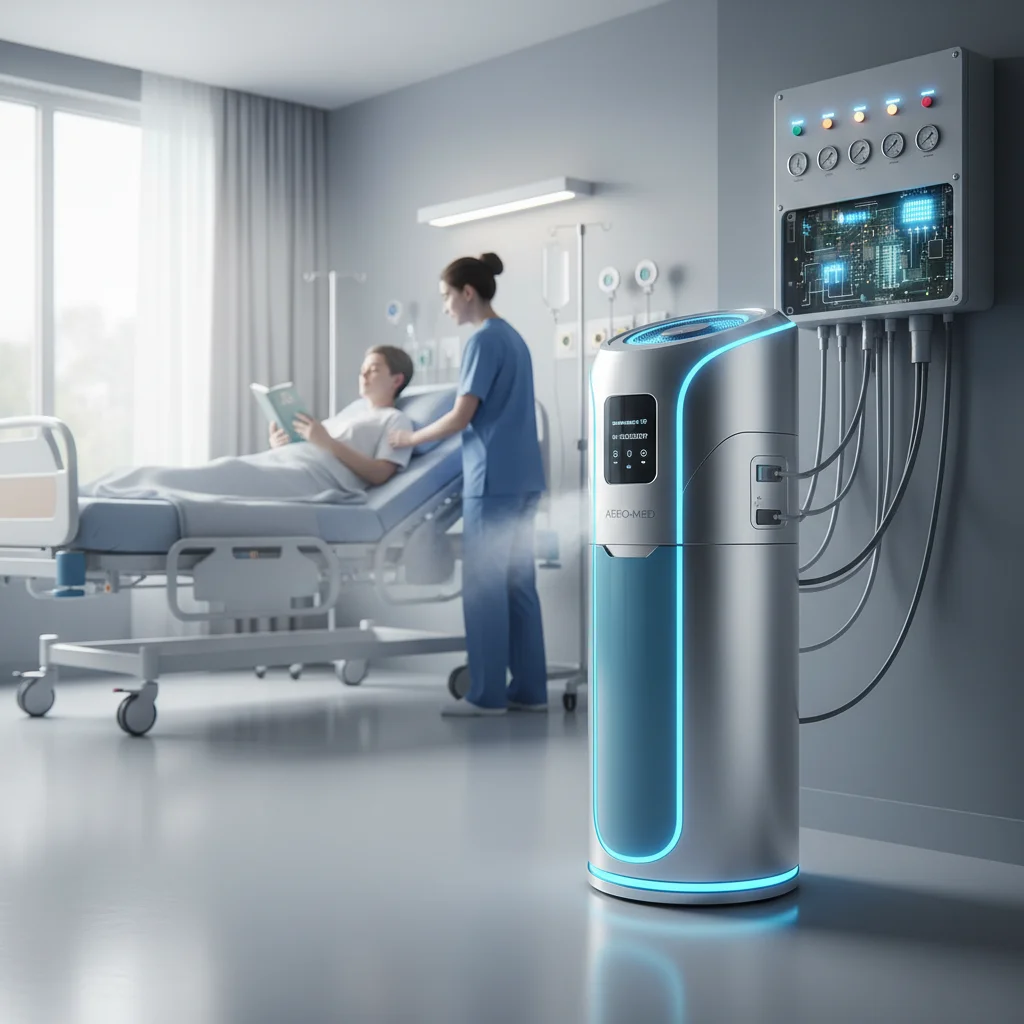
In the context of medical equipment manufacturing, these devices are often paired with other life-support systems, such as medical oxygen generators or hyperbaric chambers. By mounting the purifier, facilities save precious floor space—which is critical in cramped ICU settings—and prevent the accidental tipping or movement of the equipment, which could compromise the airflow patterns required for sterilization.
Essentially, these systems serve as the "lungs" of a medical room, continuously cycling air through a series of barriers. This structural approach to air cleaning is vital for humanitarian needs in temporary field hospitals or permanent clinics in developing regions, where existing ventilation systems may be inadequate or non-existent.
Core Components and Engineering Factors
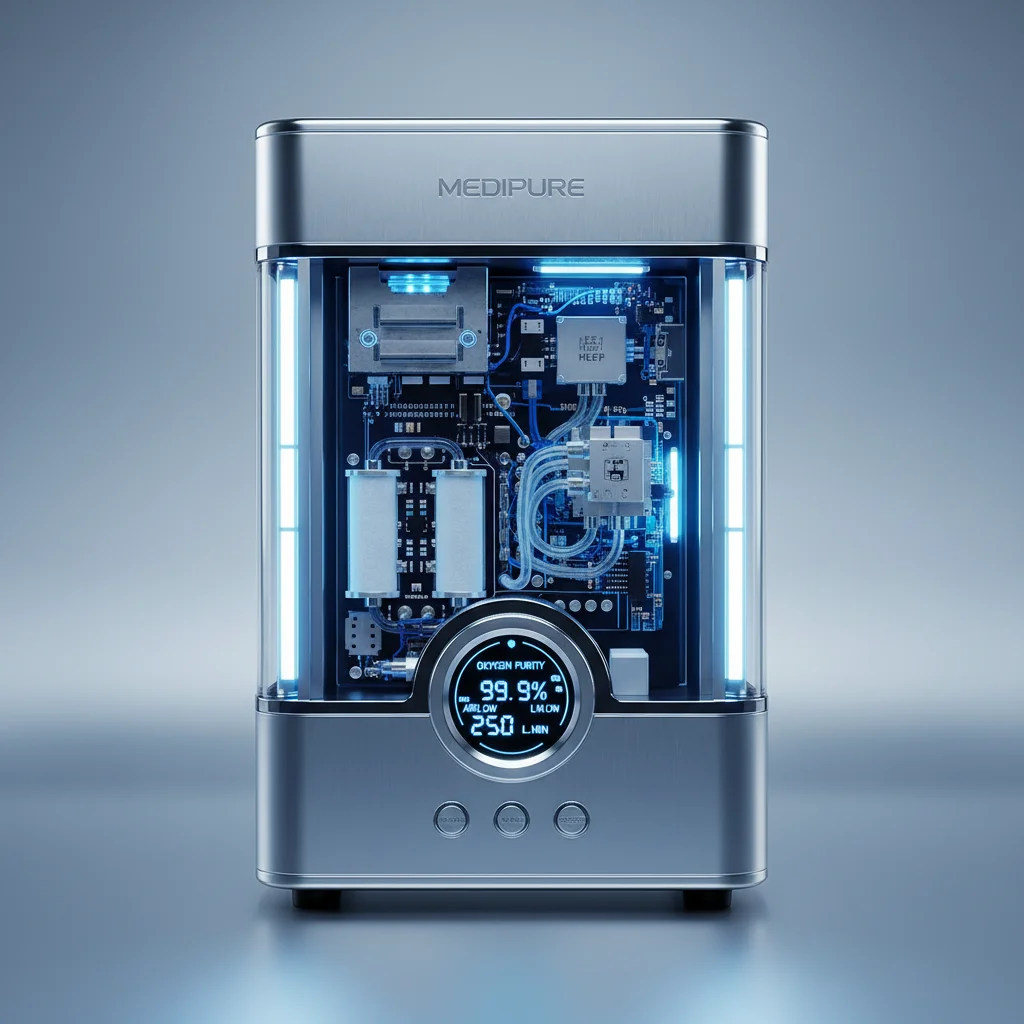
The efficacy of a mounted air purifier relies heavily on its filtration hierarchy. Most professional systems employ a pre-filter to catch large dust particles, followed by a HEPA (High-Efficiency Particulate Air) filter capable of trapping 99.97% of particles as small as 0.3 microns. This ensures that the most dangerous microscopic pathogens are removed before the air is recirculated.
Scalability and durability are key engineering factors. A high-quality mounted air purifier is constructed from medical-grade stainless steel or antimicrobial plastics to resist corrosion during frequent chemical disinfection. Furthermore, the modular design allows facilities to scale their purification capacity by adding more units in parallel as the room's occupancy or risk level increases.
Energy efficiency and noise reduction also play a critical role. In a recovery room, loud machinery can hinder patient sleep and stress levels. Advanced mounted air purifier models utilize brushless DC motors and acoustic dampening materials to maintain high airflow rates while operating at a whisper-quiet decibel level, balancing clinical power with patient comfort.
Comparative Performance of Purification Methods
When selecting a mounted air purifier, it is essential to compare different technological approaches. Mechanical filtration (HEPA) is the gold standard for particulate removal, while electronic methods like UV-C irradiation and bipolar ionization focus on neutralizing the DNA of viruses and bacteria. Some high-end systems combine these into a hybrid model to maximize safety.
The choice often depends on the specific environment. For example, a surgical suite requires absolute particulate removal, whereas a general waiting area may benefit more from the rapid sterilization capabilities of UV-C combined with a standard filter. Understanding these performance trade-offs allows for a tailored approach to environmental health.
Performance Metrics of Different Mounted Air Purifier Technologies
Global Applications Across Healthcare Sectors
The application of the mounted air purifier extends far beyond standard hospital wards. In dental clinics, where high-speed drills create a significant amount of aerosolized saliva and blood, wall-mounted units are used to rapidly clear the air between patients, reducing the risk of cross-contamination. Similarly, in pharmaceutical labs, these units ensure that the purity of the compound is not compromised by airborne particulates.
In post-disaster relief operations, modular mounted air purifier systems are integrated into rapid-deployment tents. These units provide a sterile environment for emergency surgeries in remote industrial zones or disaster-struck regions where the local environment may be contaminated with smoke, dust, or biological hazards. This flexibility makes them an indispensable tool for NGOs and international health organizations.
Long-Term Value and Operational Advantages
Investing in a mounted air purifier offers tangible long-term financial benefits. By reducing the incidence of hospital-acquired infections, facilities can significantly lower the costs associated with extended patient stays and legal liabilities. The shift from disposable portable filters to heavy-duty, maintainable mounted systems also reduces the long-term waste stream, aligning with global sustainability goals.
Beyond the numbers, there is a profound emotional value: trust. When patients and their families see professional-grade air purification systems installed in a facility, it signals a commitment to safety and innovation. This psychological reassurance is critical in high-stress environments like oncology centers or neonatal units, where the dignity and safety of the patient are the highest priorities.
Furthermore, the reliability of these systems ensures that healthcare providers can operate with confidence. A mounted air purifier is designed for 24/7 operation, meaning it does not require the constant repositioning or manual restarts associated with smaller units. This operational stability allows medical staff to focus entirely on patient care rather than equipment management.
Future Innovations in Air Sterilization Technology
The future of the mounted air purifier is being shaped by the digital transformation of healthcare. We are seeing the integration of IoT (Internet of Things) sensors that allow facility managers to monitor air quality in real-time across an entire hospital wing. These "smart" purifiers can automatically increase their fan speed when they detect a spike in particulate matter, optimizing energy use while maintaining safety.
Material science is also evolving, with the introduction of graphene-based filters and photocatalytic oxidation (PCO) coatings. These innovations aim to make the mounted air purifier not just a passive filter, but an active sterilizer that can decompose organic pollutants into harmless water and carbon dioxide, further reducing the frequency of filter replacements.
Moreover, the trend toward "green hospitals" is pushing manufacturers to develop units powered by low-voltage DC systems compatible with solar energy. This is particularly transformative for clinics in rural areas, where a solar-powered mounted air purifier can provide life-saving air quality without relying on an unstable power grid.
Analysis of Technological Evolution in Mounted Air Purifier Systems
|
Technology Generation
|
Primary Filtration Mechanism
|
Maintenance Cycle
|
Efficiency Score (1-10)
|
|
Traditional Series
|
Basic HEPA + Pre-filter
|
Every 3 Months
|
6
|
|
Medical Grade Pro
|
H13 HEPA + UV-C Lamp
|
Every 6 Months
|
8
|
|
Smart Integrated
|
HEPA + IoT Air Sensing
|
Condition-based
|
9
|
|
Eco-Sustainable
|
Washable Nano-filter
|
Annual
|
7
|
|
Advanced Hybrid
|
PCO + HEPA + Ionization
|
Every 12 Months
|
10
|
|
Modular Field Series
|
Rapid-Swap HEPA
|
Monthly/Usage-based
|
8
|
FAQS
A mounted air purifier offers several critical advantages: it frees up valuable floor space, prevents the device from being moved or knocked over, and allows for more strategic airflow management. Because they are integrated into the room's structure, they can achieve higher Air Changes per Hour (ACH) and are generally more durable, making them suitable for the 24/7 rigors of a clinical environment.
Replacement cycles vary by model and environment. Typically, pre-filters are checked monthly and replaced every 3 months, while high-efficiency HEPA filters may last from 6 to 12 months. Smart systems with IoT sensors can notify facility managers exactly when a filter's pressure drop indicates it is time for a change, avoiding unnecessary replacements while ensuring peak performance.
Yes, provided they use HEPA H13 or higher filtration. HEPA filters are designed to capture particles as small as 0.3 microns with 99.97% efficiency; since most viruses travel on larger respiratory droplets or nuclei, they are effectively trapped. Systems that include UV-C sterilization further enhance this by neutralizing the genetic material of the trapped viruses.
While initial installation requires some electrical and structural work, the long-term disruption is minimal. Many modern systems are designed for "plug-and-play" mounting on existing wall brackets. Planned installations during low-occupancy periods or facility renovations ensure that patient care is not interrupted, and once installed, they operate autonomously with very low maintenance overhead.
Absolutely. When correctly integrated into the HVAC strategy, a mounted air purifier helps maintain the required air pressure differentials. By purifying the air being pumped into a sterile zone, it ensures that the positive pressure does not just push "dirty" air into the room, but maintains a constant flow of sterile air that prevents contaminants from entering through doors or gaps.
The choice depends on your primary goal. If the objective is removing dust, pollen, and particulate matter, HEPA is sufficient. However, in high-risk infectious disease wards or operating rooms, UV-C is recommended as an added layer of biological safety to ensure that microorganisms are not just trapped, but destroyed. Hybrid systems offering both are the current gold standard for medical facilities.
Conclusion
The implementation of a mounted air purifier is a decisive step toward creating a safer, more efficient healthcare environment. By combining advanced HEPA filtration, UV-C sterilization, and strategic spatial installation, these systems effectively mitigate the risks of airborne infections and enhance the overall quality of patient care. From the precision of surgical suites to the urgency of field hospitals, the ability to control air purity is a cornerstone of modern medical infrastructure.
As we look toward the future, the integration of IoT and sustainable materials will only make these systems more intelligent and eco-friendly. Healthcare providers are encouraged to transition from temporary, portable solutions to permanent, mounted installations to ensure long-term operational stability and patient trust. For those seeking to upgrade their facility's environmental safety, investing in medical-grade purification is not just a technical upgrade, but a commitment to the highest standards of health and dignity. Visit our website: www.storeoxygen.com